
Choosing the Right Connection: How Network Cables Shape a University's Digital Future
An in-depth look at Fiber Optic, Twisted Pair, and Coaxial cables for campus-wide high-speed internet deployment.
As universities expand, the demand for robust, high-speed internet access across lecture halls, offices, and student dormitories becomes paramount. The underlying physical network infrastructure—the cables connecting everything—is a critical foundation. Selecting the most suitable physical media involves balancing speed, reliability, scalability, and cost. This analysis explores the impact of Fiber Optic, Twisted Pair, and Coaxial cables on a large-scale university network.
Key Considerations at a Glance
- Fiber Optic Reigns Supreme for Speed and Scalability: Offering multi-gigabit to terabit speeds over kilometers and immense bandwidth, fiber is the most future-proof option for campus backbones.
- Twisted Pair Offers Cost-Effective Endpoint Connectivity: Modern variants like Cat6a provide good speeds (up to 10 Gbps) over shorter distances (under 100m), making them ideal for connecting devices within buildings.
- Reliability Varies Significantly: Fiber optic cable is immune to electromagnetic interference (EMI), ensuring stable connections, while twisted pair is susceptible, and coaxial offers moderate shielding.
Deep Dive: Comparing Physical Media Options
The choice between fiber optic, twisted pair, and coaxial cable involves understanding the unique characteristics of each and how they align with the demands of a modern university environment. Let's examine their impact on crucial network performance factors.
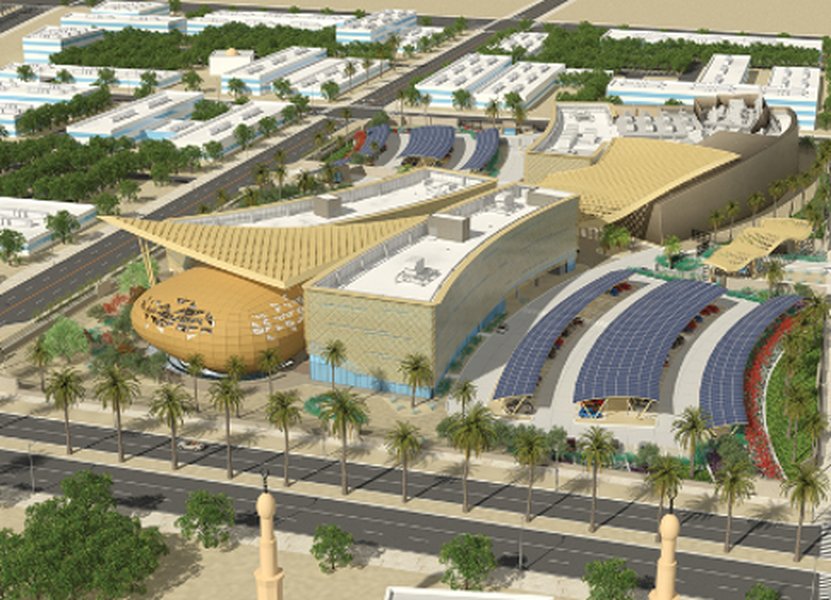
Fiber optic infrastructure often forms the high-speed backbone of modern building and campus networks.
1. Fiber Optic Cable: The High-Performance Choice
Fiber optic cables transmit data using pulses of light through thin strands of glass or plastic. This technology offers significant advantages for large-scale deployments.
Network Speed
Fiber optic cables provide unparalleled network speeds and bandwidth. They can support data rates from multi-gigabit (10 Gbps, 40 Gbps, 100 Gbps) potentially up to terabits per second (Tbps). The transmission capacity can be thousands of times higher than copper-based cables like twisted pair. Single-mode fiber, in particular, can transmit signals over distances of several kilometers (up to 40 km or more) with minimal signal degradation (attenuation), making it perfect for connecting buildings across a large campus or forming the network backbone.
Reliability
A major advantage of fiber optics is its immunity to electromagnetic interference (EMI) and radio frequency interference (RFI). Since it uses light instead of electrical signals, it's unaffected by nearby power lines, electrical equipment, or other sources of electronic noise common in university labs, offices, or facilities buildings. This leads to highly stable and reliable connections with fewer data errors. However, fiber cables are more fragile than copper cables and require careful handling and specialized skills for installation and repair (splicing), which can impact deployment time and maintenance procedures.
Scalability
Fiber optic infrastructure is highly scalable and considered "future-proof." Its enormous bandwidth capacity means it can easily accommodate increasing data demands from more users, new applications (like high-definition video streaming, virtual reality, large research datasets), and future technological advancements for years to come. Upgrading network speeds often only requires changing the electronic equipment at the ends of the cable, not replacing the cable itself. While the initial installation cost (including specialized equipment and labor) is typically higher than copper options, its longevity (30+ years) and scalability provide significant long-term value.
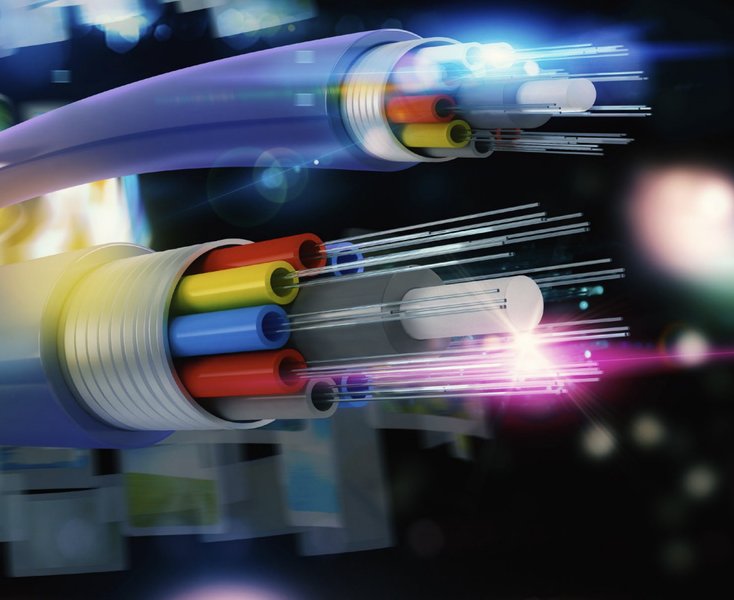
Working with fiber optic cables requires specialized tools and training.
2. Twisted Pair Cable: The Versatile Standard for Local Connections
Twisted pair cables consist of pairs of insulated copper wires twisted together. They are the standard for Ethernet networks within buildings.
Network Speed
Modern twisted pair cables, such as Category 6 (Cat6) and Category 6a (Cat6a), offer substantial speeds suitable for many applications. Cat6 supports speeds up to 1 Gbps reliably, while Cat6a can support up to 10 Gbps. However, these speeds are typically limited to distances of 100 meters (328 feet). Beyond this distance, signal strength degrades significantly, impacting speed and reliability. This limitation makes twisted pair unsuitable for long-distance runs between campus buildings but effective for connecting workstations, printers, wireless access points, and other devices within offices, labs, lecture halls, or dorm rooms.
Reliability
Twisted pair cables are susceptible to EMI and crosstalk (interference between adjacent wires or cables), although the twisting of wires and shielding (in Shielded Twisted Pair - STP variants) help mitigate this. In environments with significant electrical noise, performance can be degraded. Unshielded Twisted Pair (UTP) is more common due to lower cost and easier installation but offers less protection. While generally reliable for standard office or dormitory environments over short distances, they are less robust than fiber in challenging conditions. They are, however, easier and cheaper to terminate and repair than fiber.
Scalability
The scalability of twisted pair is limited by its distance and bandwidth constraints. While sufficient for current endpoint connectivity needs in many cases (up to 10 Gbps with Cat6a), future demands for significantly higher speeds might necessitate replacing the existing cabling infrastructure. Extending the network over distances greater than 100 meters requires additional hardware like network switches, adding complexity and potential points of failure. It's not a practical solution for a campus-wide backbone requiring high bandwidth over long distances.
3. Coaxial Cable: A Legacy Medium with Specific Uses
Coaxial cable has a central copper conductor surrounded by insulation, a metallic shield, and an outer jacket. It was common in older Ethernet networks and is still widely used for cable television (CATV) and cable internet distribution.
Network Speed
Coaxial cable offers higher bandwidth and better noise immunity than older twisted pair standards (like Cat3 or Cat5). Its bandwidth can be significantly greater (around 80 times) than basic twisted pair, supporting speeds typically ranging from 10 Mbps up to several hundred Mbps, depending on the standard (e.g., DOCSIS for cable internet). However, its maximum speed potential is considerably lower than modern twisted pair (Cat6a) and vastly lower than fiber optic cable. It's generally not suitable for modern high-speed data backbones in a university setting.
Reliability
The shielding in coaxial cable provides good protection against EMI, making it more reliable than UTP in noisy environments. However, it is still susceptible to signal attenuation (loss) over longer distances, requiring amplifiers for extended runs, particularly for broadband services. Coaxial cables are bulkier and less flexible than twisted pair, making installation more cumbersome. Security can also be a concern, as connections can potentially be tapped relatively easily.
Scalability
Coaxial cable offers limited scalability for modern, high-speed data networks. While suitable for distributing broadband internet or TV signals over moderate distances (several hundred meters), its bandwidth limitations and lower speed caps compared to fiber make it unsuitable for a primary campus data network designed for future growth and high-performance applications. Expanding or upgrading coaxial networks can be complex and costly compared to fiber's capabilities.
Visualizing the Comparison: Performance Metrics
To better understand the trade-offs, a visual comparison can highlight the strengths and weaknesses of each cable type across key performance indicators relevant to a university deployment.
Media Performance Radar Chart
This chart compares Fiber Optic, Twisted Pair (Cat6a), and Coaxial cable across six critical factors: Speed Potential, Maximum Distance, EMI Immunity, Scalability Potential, Installation Ease, and Relative Initial Cost (lower score means higher cost). Scores are relative, emphasizing the comparative advantages.
As the chart illustrates, Fiber Optic excels in performance metrics crucial for long-term campus needs (Speed, Distance, Immunity, Scalability), while Twisted Pair offers advantages in ease of installation and initial cost for localized connections. Coaxial sits in the middle but generally doesn't excel in areas critical for future-focused data networks.
Structured Comparison: Media Characteristics
This table summarizes the key differences between the three physical media types in the context of a university network deployment.
Summary Table of Cable Characteristics
| Factor | Fiber Optic | Twisted Pair (Cat6/6a) | Coaxial Cable |
|---|---|---|---|
| Max Speed | Multi-Gbps to Tbps (e.g., 10 Gbps, 100 Gbps+) | Up to 10 Gbps (Cat6a) | 10s to 100s Mbps (up to ~1 Gbps with DOCSIS 3.1) |
| Max Distance (Typical) | Kilometers (e.g., 2km - 40km+) | ~100 meters (328 ft) | ~500 meters (without amplification) |
| EMI/RFI Immunity | Immune | Susceptible (UTP) / Moderate (STP) | Good Shielding |
| Reliability | Very High (stable signal) | Moderate (distance/noise dependent) | Moderate (distance/connection dependent) |
| Installation | Difficult, requires specialized skills/tools | Easy, flexible | Moderately difficult, bulky |
| Scalability | Very High (Future-Proof) | Moderate (Limited by distance/bandwidth) | Low (for high-speed data) |
| Relative Initial Cost | High | Low | Moderate |
| Best Use Case (University) | Campus Backbone, Inter-Building Links, High-Density Areas | Horizontal Wiring (within buildings), Endpoint Connections (Offices, Dorms) | Legacy Systems, Cable TV/Video Distribution, Specific Broadband Links |
This table reinforces the idea that a hybrid approach is often most practical, leveraging the strengths of both fiber optic and twisted pair cables.
Visualizing the Decision Process
Choosing the right network media involves weighing multiple factors against the university's specific requirements. This mindmap illustrates the key considerations and relationships.
Network Media Decision Mindmap
(Lecture Halls, Offices, Dorms)"] id1b["High Reliability
(Minimal Downtime)"] id1c["Future Scalability
(Growth, New Tech)"] id1d["Cost-Effectiveness
(Initial vs. Long-term)"] id1e["Campus Environment
(Distances, EMI Sources)"] id2["Media Options"] id2a["Fiber Optic"] id2a1["Pros:
- Highest Speed & Bandwidth
- Long Distance
- EMI Immune
- Highly Scalable"] id2a2["Cons:
- High Initial Cost
- Fragile
- Skilled Installation"] id2a3["Best Use:
Campus Backbone,
Inter-Building"] id2b["Twisted Pair (Cat6a+)"] id2b1["Pros:
- Good Speed (up to 10Gbps)
- Low Cost
- Easy Installation"] id2b2["Cons:
- Distance Limit (~100m)
- EMI Susceptible
- Limited Scalability"] id2b3["Best Use:
Horizontal Wiring,
Endpoint Connections"] id2c["Coaxial Cable"] id2c1["Pros:
- Better than old TP
- Good Shielding"] id2c2["Cons:
- Lower Speed vs Fiber/Cat6a
- Limited Scalability (Data)
- Bulky"] id2c3["Best Use:
CATV, Broadband,
Legacy Systems"] id3["Deployment Strategy"] id3a["Hybrid Approach (Recommended)"] id3a1["Fiber Backbone:
Connects buildings,
handles high traffic"] id3a2["Twisted Pair Horizontal:
Connects devices
within buildings"] id3b["Full Fiber"] id3b1["Maximum Performance
& Scalability"] id3b2["Highest Initial Cost"] id3c["Considerations"] id3c1["Existing Infrastructure"] id3c2["Budget Allocation"] id3c3["Specific Application Needs"]
This mindmap highlights how the university's requirements map onto the strengths and weaknesses of each cable type, typically leading towards a strategic combination for optimal results.
Understanding Cable Types Visually
Seeing the physical differences between these cables can help appreciate their distinct characteristics and applications.
Introduction to Network Cable Types
This video provides a basic visual introduction to Twisted Pair, Coaxial, and Fiber Optic cables, explaining their construction and common uses in networking.
Understanding the physical makeup of these cables clarifies why they differ so much in performance. Fiber's glass core enables light transmission immune to electrical noise, twisted pair's copper wires rely on twisting to reduce interference over short distances, and coaxial's layered shielding offers moderate protection for its central conductor.
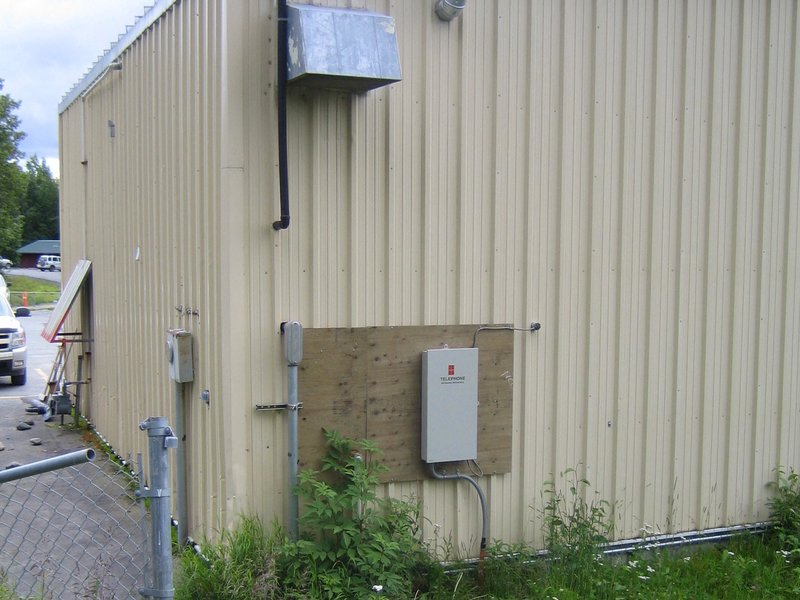
Campus-wide fiber distribution design involves connecting multiple buildings efficiently.
Strategic Deployment for a University Campus
Given the characteristics discussed, the most effective strategy for a large-scale university network expansion typically involves a hybrid approach:
- Fiber Optic Backbone: Use single-mode fiber optic cables for the core network connecting different buildings, data centers, and distribution points across the campus. This leverages fiber's high speed, long-distance capability, EMI immunity, and scalability to handle the aggregated traffic from various parts of the university.
- Twisted Pair Horizontal Cabling: Within buildings (lecture halls, offices, dorms), use high-quality twisted pair cables (e.g., Cat6a) for the "horizontal runs" from communication closets to wall outlets connecting end-user devices (computers, phones, wireless access points). This provides sufficient bandwidth for user needs over shorter distances cost-effectively.
- Coaxial for Specific Services: Coaxial cable might still be used if the university distributes traditional cable television (CATV) services or for specific legacy connections, but it is generally not recommended for new primary data network infrastructure.
This layered approach balances performance, cost, and future needs, ensuring a robust and scalable network foundation for the university's digital activities.
Frequently Asked Questions (FAQ)
Why is fiber optic considered the most 'future-proof' option? ▼
Fiber optic cables have vastly higher bandwidth potential than copper cables (twisted pair or coaxial). Current fiber technology already supports speeds far exceeding typical needs, and the cables themselves can often handle future speed upgrades (e.g., from 10 Gbps to 100 Gbps or higher) simply by upgrading the equipment at each end. This means the core cable infrastructure laid today is less likely to become obsolete and require replacement as data demands inevitably increase, making it a long-term investment.
If Cat6a supports 10 Gbps, why not use it for the campus backbone instead of fiber? ▼
The primary limitation of Cat6a (and other twisted pair cables) is its distance restriction, typically 100 meters (328 feet). Campus backbones need to connect buildings that are often hundreds or thousands of meters apart. Running twisted pair over these distances would require numerous intermediate switches or repeaters, adding complexity, cost, potential points of failure, and latency. Fiber optic cable easily spans these distances with minimal signal loss and higher potential bandwidth, making it far more suitable for backbone applications.
With the rise of Wi-Fi 6/7, is wired infrastructure still necessary? ▼
Absolutely. While wireless technologies like Wi-Fi provide crucial mobility and convenience, they rely heavily on a high-performance wired backbone. Each Wireless Access Point (WAP) needs a wired connection back to the network. Modern high-speed WAPs (especially those supporting Wi-Fi 6E or Wi-Fi 7) require multi-gigabit connections (often 2.5 Gbps, 5 Gbps, or even 10 Gbps) to handle the aggregated traffic from many wireless devices. Furthermore, the overall capacity and reliability of the campus network depend on the speed and stability of the wired infrastructure (ideally fiber backbone and Cat6a horizontal runs) connecting these WAPs and other wired resources.
What are the main practical challenges when deploying fiber optics? ▼
The main challenges include:
- Higher Initial Cost: The cable itself, associated hardware (transceivers like SFPs/QSFP+), and specialized installation equipment (fusion splicers, OTDRs) are more expensive than copper equivalents.
- Installation Expertise: Fiber requires careful handling as it's more fragile than copper. Termination and splicing require specialized training and precision tools to minimize signal loss.
- Repair Complexity: Repairing a broken fiber cable (usually requiring fusion splicing) is more complex and time-consuming than repairing a copper cable.
- Bend Radius Sensitivity: Fiber optic cables have minimum bend radii; bending them too sharply can cause signal loss or break the fiber.
Recommended Further Reading
- Explore a detailed cost comparison of deploying fiber versus Cat6a across a university campus.
- Understand the differences between single-mode and multi-mode fiber and which is better for a campus backbone.
- Learn how fiber backbones support high-performance Wi-Fi networks in large institutions.
- Read case studies about other universities that have upgraded their campus networks to fiber optics.
References
Note: The user requested Harvard style referencing. The following list provides the source URLs used in the synthesis, based on the provided inputs. For full Harvard referencing, additional details like author names, publication dates, and access dates would typically be required.
Last updated April 30, 2025