
Unsuccessful PPP Activities in New Zealand
An in-depth look into various challenges and project failures
Key Insights
- Complexities and Delays: Many PPP projects struggled with construction delays, quality issues, and cost overruns.
- Risk and Oversight Challenges: Inadequate risk allocation and limited public oversight have often led to unsatisfactory project outcomes.
- Diverse Sectors Impacted: From transportation and infrastructure to healthcare and corrections, multiple sectors have experienced PPP difficulties.
Overview of PPP Models and Their Challenges in New Zealand
Public-Private Partnerships (PPPs) have long been a favored model in New Zealand for addressing infrastructure needs and delivering public services by leveraging private capital and expertise. However, despite the theoretical benefits of efficiency and innovation, several PPP initiatives have met significant hurdles and failures. This detailed exploration explains unsuccessful PPP activities in New Zealand, discusses the challenges they encountered and provides insights into the issues inherent in such public-private arrangements.
Background and Genesis of PPP Initiatives
PPPs were conceived as a solution to bridge the infrastructure funding gap, bringing private sector management practices into the public domain. In New Zealand, the concept was adopted in hopes of introducing innovation, cost-saving measures, and improved service delivery. However, the implementation of this model did not always align with these ambitions. Over the years, a number of projects have fallen short of expectations, raising comprehensive concerns about accountability, risk allocation, and value for money.
Key Areas of Concern
A primary challenge of PPPs in New Zealand is the difficulty in balancing risks between the public and private partners. When risk is disproportionately allocated to the private contractor, it can result in excessive bid prices, hidden costs, and eventual public interventions when projects falter. Similarly, when public oversight is insufficient, projects often suffer from delays, quality issues, and management failures.
Examples of Unsuccessful or Problematic PPP Activities
In recent years, various projects across multiple sectors have exemplified the challenges of the PPP model in New Zealand. The following are some of the noteworthy cases where PPP efforts did not meet the anticipated standards.
Transportation and Infrastructure Projects
Transmission Gully Motorway
One of the most cited examples in discussions around New Zealand PPP failures is the Transmission Gully Motorway project. Although this major infrastructure project eventually reached completion, it faced numerous setbacks including severe construction delays and quality issues. The complications encountered during its execution underscore the problems with planning and execution that sometimes accompany PPP arrangements. Critics argue that the project’s problems arose from the impractical allocation of risk and inadequate oversight mechanisms. Additionally, while the intention was to bring private efficiency into play, the hidden costs and overruns became a burden on the public treasury, leading to a reassessment of the model’s benefits.
Auckland's Waterview Connection
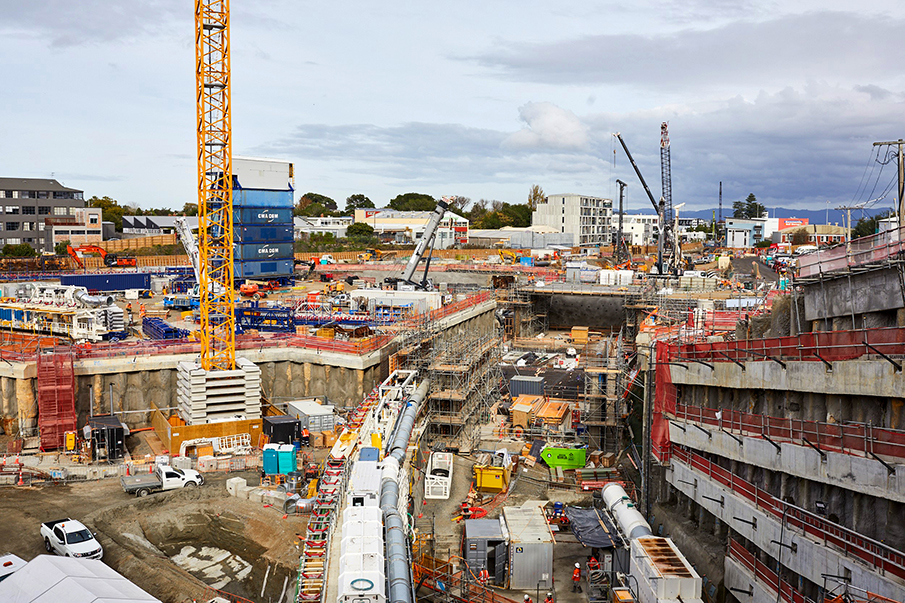
Another significant project was Auckland’s Waterview Connection, primarily designed to relieve traffic congestion in one of the country's busiest corridors. Similar to Transmission Gully, this project experienced delays and substantial cost escalations. Initially hailed as a breakthrough in leveraging private investment for public infrastructure, the project's management soon came under scrutiny. The increased costs and extended timelines served as a cautionary tale, emphasizing the complexities of keeping private and public interests aligned within the framework of PPPs.
Rail Infrastructure Projects
Rail projects in New Zealand that have been undertaken through PPP arrangements have not escaped criticism either. Some railway upgrades and developments failed to meet their schedules and budget expectations. The perceived inability to adhere to timelines and cost estimations has contributed further to public disillusionment with the PPP model. These projects illustrate that even in sectors where private efficiency might be assumed, the complexity of infrastructure, regulatory constraints, and unforeseen complications can quickly derail ambitious plans.
Health Sector and Social Infrastructure
Health Sector PPPs
The healthcare sector in New Zealand has experimented with PPP arrangements with mixed results. Despite the potential to incorporate innovative service delivery, certain health sector PPPs have been labeled unsuccessful primarily due to quality issues in service provision. The public sector had to intervene with bailouts to sustain operations, thereby questioning the prudence of adopting a model where profit motives might compromise essential services. Critics warn that the transformation of service delivery into a profit-driven process could have long-term detrimental effects on public health outcomes.
Housing Developments
The housing market, another critical area for PPP efforts, has also witnessed notable failures. Some housing developments executed under this model struggled to meet community needs owing to delays in delivery and budget mismanagement. The mismatch between private profit objectives and urgent public housing requirements has been a recurring theme, highlighting the risks of sidelining holistic public interest in projects that fundamentally affect living standards.
Other Notable Failures and Critical Examples
Transmission Gully PPP Bid (2013)
Beyond the completed projects, failure also exists at the bidding stage. In 2013, a notable instance was the failed Transmission Gully PPP bid by the consortium known as "Positive Connection" for the PIP Fund. The bid’s failure not only illuminated the complexity and high entry costs associated with tendering, but also signaled a potential shortfall in demonstrating adequate project feasibility and risk mitigation tactics. Such failures at the initial contract award stage underline the broader systemic challenges faced by PPP models.
Mt Eden Prison Management by Serco
The management of Mt Eden Prison is another significant example where PPP efforts were problematic. The British company Serco was responsible for managing the facility but eventually lost the contract in 2015 due to significant mismanagement. Reports highlighted serious issues including internal security problems, staff shortages, and a range of operational deficiencies. This case is particularly instructive as it emphasizes how the outsourcing model, if not managed carefully with strict performance criteria and oversight, can lead to severe public service deterioration.
Novopay Payroll System
While not a strict PPP in the conventional sense, the Novopay system represents another cautionary tale of private sector involvement in public administration. Designed to streamline payroll for the education sector, the Novopay system unfortunately ended up causing thousands of payroll errors and considerable financial hardships for staff. The issues arising from such projects, although not pure PPPs, mirror the common themes of complexity, risk management failure, and the ultimate need for robust oversight in projects where private sales are intermingled with public interests.
Hobsonville Schools and Prison at Wiri Initiatives
Projects such as the Hobsonville Schools PPP and the Prison at Wiri PPP have been subject to scrutiny as well. While they might not have been clear-cut failures on the ground, evaluation processes highlighted that these initiatives faced challenges like high bid costs and convoluted building procedures. These experiences have spurred calls for enhanced process mechanisms and better risk distribution between the public sector and private players.
Comprehensive Table of Unsuccessful PPP Activities
| Project/Initiative | Sector | Key Issues | Notes |
|---|---|---|---|
| Transmission Gully Motorway | Infrastructure | Construction delays, quality issues, hidden costs | Highlighted as a major example of risk misallocation |
| Auckland's Waterview Connection | Transport | Cost escalations, extended timelines | Raised concerns on balancing public and private priorities |
| Rail Infrastructure Projects | Transport | Delay in timelines, budget disparities | Criticized for failing to meet public expectations |
| Health Sector PPPs | Healthcare | Quality issues, reliance on bailouts | Questions raised over profit vs. public service ethos |
| Housing Developments | Residential | Delay in delivery, budget mismanagement | Community needs often unmet |
| Transmission Gully PPP Bid (2013) | Infrastructure | High entry costs, feasibility challenges | Failed bid underscored tender complexities |
| Mt Eden Prison Management | Corrections | Operational mismanagement, staffing issues | Contract terminated due to critical failures |
| Novopay Payroll System | Education Administration | Payroll errors, financial impacts | Illustrates challenges in public-private financial systems |
| Hobsonville Schools and Prison at Wiri | Education & Corrections | High bid costs, complex procedures | Highlighted during broader reviews of PPP process |
Analysis of Underlying Factors
When evaluating these unsuccessful PPP activities, several recurring factors emerge. First is the issue of risk allocation. The attempt to pin too much financial or operational risk on private contractors without robust public-sector countermeasures often resulted in projects that were either overly expensive or required subsequent government intervention. Secondly, the complexity of managing large-scale projects across diverse sectors exacerbated scheduling and budgeting challenges. Whether it was a motorway, a rail line, or even a payroll system, the inherent unpredictability linked to each project underscored a need for more adaptive frameworks.
A further key area was oversight and accountability. Several failed initiatives demonstrate that when accountability mechanisms with clear performance metrics are not thoroughly embedded into the contracts, projects tend to encounter systemic delays and quality issues. Enhanced transparency, improved risk-management strategies, and a balanced approach in sharing responsibilities between the public and private sectors are vital. These lessons have spurred discussions among policymakers and industry experts about updating and refining New Zealand's PPP framework.
Despite these challenges, it is important to note that there are instances where the PPP model has shown potential successes. The concerns linked to unsuccessful projects do not entirely discount the model’s value; rather, they emphasize the need for structural reform, better planning, and more realistic contract arrangements that truly match public expectations with private capabilities.
Policy and Practical Recommendations
Enhancing the PPP Model
Based on the analysis of unsuccessful projects in New Zealand, experts have put forth several recommendations to improve the public-private partnership model:
Revisiting Risk Allocation
A balanced approach to risk sharing should be adopted to prevent the undue burden on any one party. This may include clearly defined risk thresholds, shared financial responsibilities, and contingency planning to mitigate unforeseen issues. In doing so, projects can achieve a more equitable distribution of potential losses and maintain smoother operations throughout the life cycle.
Improving Oversight Mechanisms
It is imperative that robust oversight frameworks be developed. Independent audits, consistent performance evaluations, and transparent public reporting should be cornerstones of any PPP initiative. Such measures can encourage higher levels of accountability and ensure that both the public and private sectors remain committed to quality service delivery.
Streamlining Tender Processes
High bid costs and tender complexities have frequently hampered project success. Simplifying the tendering process, alongside stricter pre-bidding evaluations, can help in filtering out proposals that are likely to falter. This approach would not only save time and resources but would also ensure that only the most capable and financially sound proposals are put into practice.
Sector-Specific Adjustments
Given that PPP challenges vary by sector, it is beneficial to adopt tailored guidelines for each. For example, while transportation infrastructure may require intensive risk management during the construction phase, healthcare and housing projects might benefit more from detailed service benchmarks and continuous quality assessments. Customizing approaches based on sector-specific demands is essential for mitigating failures and maximizing efficiency.
Further Considerations for Future PPP Projects
As New Zealand continues to navigate the challenges of infrastructure and public service delivery, the lessons learned from previous unsuccessful PPP projects provide a valuable blueprint for future endeavors. The evolution from traditional PPP models to more dynamic forms of public-private collaboration demands a commitment to continuous improvement in policy design and project management practices. Ongoing dialogue between government agencies, private sector experts, and community stakeholders is crucial to create a framework that is adaptable to changing market conditions and emerging technological trends.
Furthermore, the experiences garnered from projects such as the Transmission Gully Motorway, Waterview Connection, and various rail and health sector initiatives underscore the importance of flexibility and innovation in project contracts. Avoiding one-size-fits-all solutions while encouraging tailored strategies will likely lead to more resilient and effective partnerships. As New Zealand rethinks its infrastructure investment strategies, embedding these valuable insights into policy reforms will help safeguard public interests and promote better outcomes for the nation.
References
- A New Deal for Infrastructure: The Future of PPPs in New Zealand - SimpsonGrierson
- How to Improve PPPs in New Zealand - Dentons
- Public-Private Partnerships - Deloitte New Zealand
- Public Private Partnerships - Te Waihanga
- PPPs Pose Risks to New Zealand Workers - Scoop
Recommended Queries for Further Exploration
Last updated March 15, 2025