
Unusual Cereal Box Designs of the Mid-1990s
Exploring the Creative Packaging Trends that Defined Breakfast
Key Takeaways
- Innovative Shapes and Designs: Numerous cereal brands introduced unique box shapes to attract consumers and differentiate themselves on shelves.
- Promotional Collaborations: Partnerships with brands like Crayola led to special edition boxes that blended into other product lines.
- Marketing Strategies: The introduction of "family size" and "giant size" boxes was a tactic to give the impression of increased value.
Introduction to 1990s Cereal Packaging Innovations
The mid-1990s were a transformative period for breakfast cereal packaging. Manufacturers sought to capture the attention of increasingly competitive markets by experimenting with innovative box designs, sizes, and marketing strategies. These changes aimed not only to stand out on the grocery shelves but also to enhance the consumer experience through unique and engaging packaging features.
Promotional Collaborations: Cheerios Crayola
Unique Conical-Shaped Boxes
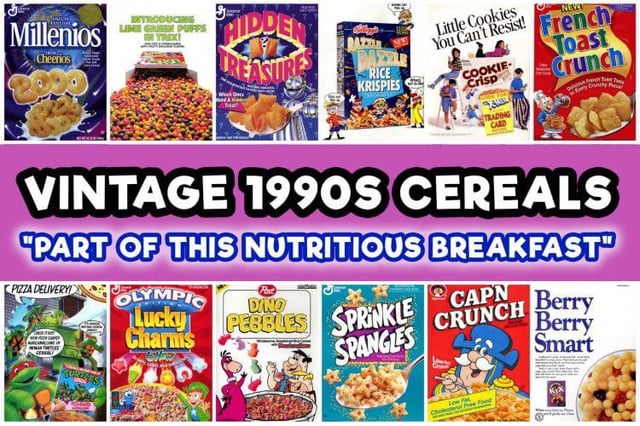
One of the most notable examples of unconventional cereal packaging during the mid-1990s was the Cheerios Crayola collaboration. These special edition Cheerios boxes were designed to resemble Crayola crayon boxes, featuring a distinctive conical shape that deviated from the standard rectangular cereal packaging. This partnership not only offered a visually appealing product but also leveraged the popularity of the Crayola brand among children and collectors.
The conical boxes served both a functional and aesthetic purpose. Functionally, they were easy to stack and store, while aesthetically, they stood out on store shelves, making them more likely to catch the eye of potential buyers. The Cheerios Crayola boxes often included interactive elements such as collectible crayons or mini-games, enhancing the overall appeal and encouraging repeat purchases.
Impact on Consumer Engagement
This collaboration exemplified the trend of integrating interactive and collectible elements into cereal packaging, a strategy aimed at increasing consumer engagement and brand loyalty. By aligning with Crayola, a brand synonymous with creativity and childhood, Cheerios positioned itself as more than just a breakfast option but also a fun and imaginative part of the morning routine.
Beverage-Inspired Packaging: Hidden Treasures Mini Sips
Mini Sips Cereal Boxes
Another innovative packaging design from the mid-1990s was General Mills' Hidden Treasures "Mini Sips" cereal boxes. These boxes were inspired by beverage cartons, mimicking the appearance of juice boxes. This design choice was strategic, aiming to create a sense of portability and convenience, characteristics often associated with beverages.
The "Mini Sips" boxes featured vibrant colors and playful graphics that appealed to children. The compact size made them easy to handle, store, and transport, aligning with the modern consumer's desire for convenience and versatility. Additionally, the unique shape allowed for creative promotional activities, such as featuring collectible beverage-themed stickers or prizes inside the boxes.
Marketing and Shelf Presence
The beverage-inspired design not only differentiated Hidden Treasures from other cereals but also positioned it as a versatile breakfast option that could fit into various lifestyles. The distinctive packaging made it more noticeable on crowded store shelves, increasing its visibility and attractiveness to consumers seeking both novelty and practicality in their breakfast choices.
Seasonal and Limited Editions: Post Honeycomb Halloween Boxes
Oversized Halloween Honeycomb Boxes
Post Honeycomb cereal introduced a notable limited edition variant known as Halloween Honeycomb in the late 1990s. This special edition was characterized by its oversized box, marketed as "the largest box of cereal" available at the time. The grandiose packaging was not only a marketing gimmick but also a way to celebrate the Halloween season with themed designs and promotions.
The Halloween Honeycomb boxes featured vibrant orange and black colors, spooky graphics, and Halloween-themed characters, making them particularly appealing during the festive season. The oversized packaging served multiple purposes: it provided a greater sense of value to consumers, served as a decorative piece for the Halloween décor, and offered more space for including interactive elements like puzzles, glow-in-the-dark features, or collectible Halloween-themed items.
Consumer Appeal and Collectibility
The seasonal design and limited availability of the Halloween Honeycomb boxes created a sense of urgency among consumers, encouraging purchases as both a functional breakfast item and a collectible item. This strategy not only boosted sales during the Halloween period but also fostered brand loyalty by associating Post Honeycomb with festive celebrations and unique packaging experiences.
Marketing Strategies: "Family Size" and "Giant Size" Boxes
Introduction of New Box Size Names
During the mid-1990s, cereal manufacturers began introducing new nomenclature for their box sizes, such as "family size" and "giant size." This strategy was employed to give the impression of increased value and larger quantities without necessarily changing the actual volume of the product.
For instance, Post's Honey Bunches of Oats offered a "family size" box of 23 ounces but later reduced this to 18 ounces while simultaneously introducing a new "giant size" box that maintained the original 23-ounce volume. Similarly, Kellogg's Corn Flakes had a "family size" box of 24 ounces, which was reduced to 18 ounces with the addition of a new "giant size" option carrying the original 24-ounce volume.
Consumer Perception and Marketing Tactics
This strategy played on consumers' perceptions of value, making them believe they were receiving more cereal by selecting a particular box size. The use of terms like "giant size" conveyed a sense of abundance and sufficiency for large families or extended periods, even if the actual content size was comparable to previous offerings.
By manipulating the naming conventions and subtly adjusting box sizes, manufacturers aimed to maintain consumer interest and encourage bulk purchases without directly altering the quantity, thereby avoiding negative perceptions associated with price increases or reduced product volume.
Comparative Analysis of Unusual Cereal Box Designs
| Cereal Brand | Unusual Feature | Purpose | Marketing Strategy |
|---|---|---|---|
| Cheerios Crayola | Conical-shaped boxes resembling crayon boxes | Attract attention, promote brand collaboration | Interactive elements and collectibles to enhance engagement |
| Hidden Treasures Mini Sips | Beverage carton-inspired design mimicking juice boxes | Create portability and convenience appeal | Distinctive appearance to differentiate from traditional cereals |
| Post Honeycomb Halloween | Oversized box marketed as "the largest box of cereal" | Seasonal appeal and collectibility | Limited edition themes to boost sales during festive periods |
| Kellogg's Corn Flakes | Introduction of "giant size" boxes | Perception of increased value | Nomenclature changes to imply larger quantity |
Conclusion
The mid-1990s were marked by significant experimentation in cereal packaging, driven by the desire to capture consumer attention and differentiate products in a saturated market. From the creative conical designs of Cheerios Crayola to the beverage-inspired Hidden Treasures Mini Sips, and the seasonal extravagance of Post Honeycomb Halloween boxes, cereal manufacturers employed a variety of innovative strategies to stand out. Additionally, marketing tactics involving the rebranding of box sizes as "family size" and "giant size" played a crucial role in shaping consumer perceptions of value. These packaging innovations not only enhanced the visual appeal of cereal boxes but also contributed to increased consumer engagement and brand loyalty, leaving a lasting impact on the cereal industry.
References
Last updated January 23, 2025