
UI: An In-Depth Exploration of Upendra's Visionary Film
A Comprehensive Analysis of the 2024 Sci-Fi Dystopian Masterpiece
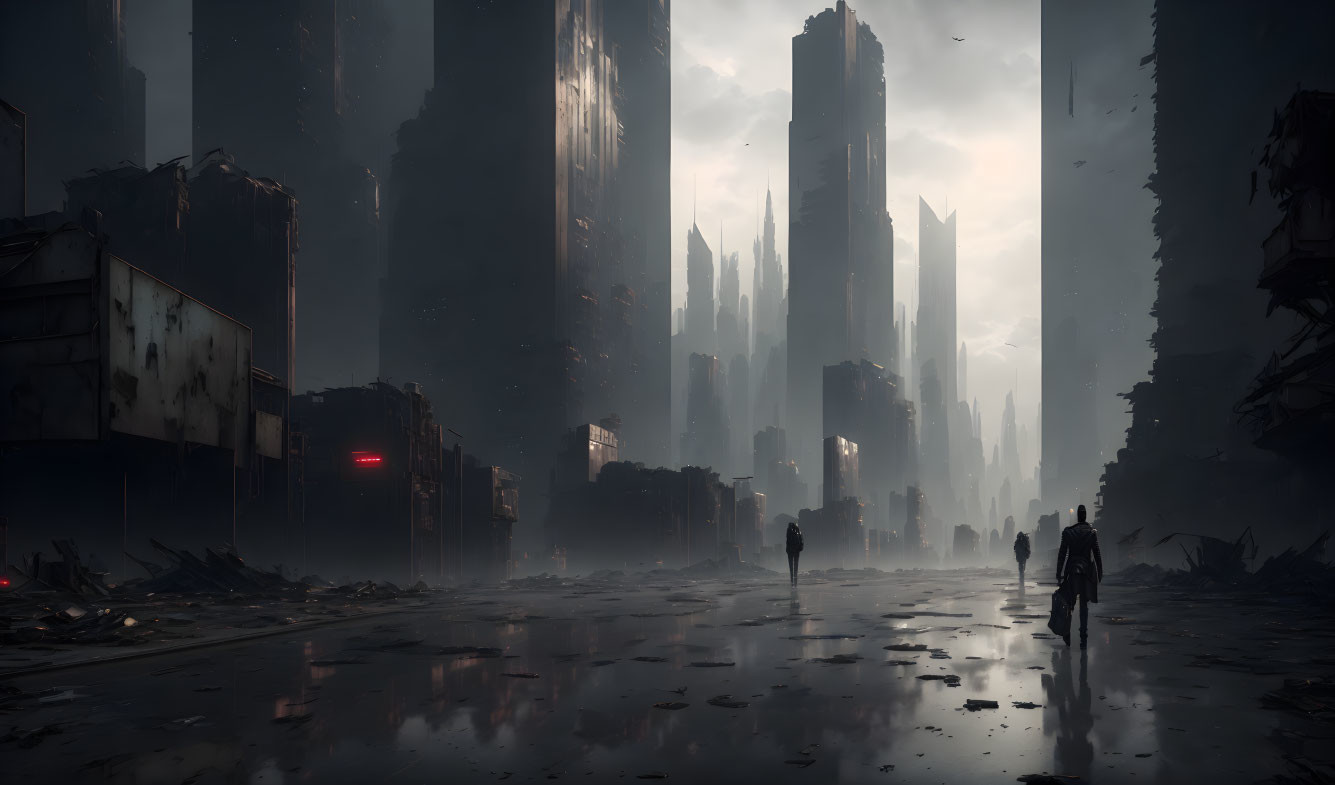
Key Takeaways
- Innovative Storytelling: "UI" blends philosophical themes with a dystopian narrative, challenging traditional cinematic norms.
- Technical Brilliance: The film boasts advanced visual effects, including over 1,400 VFX shots and the use of VR-Mocobot systems.
- Dual Protagonist Dynamics: Upendra's portrayal of Satya and Kalki explores the duality of human nature and ideological conflicts.
Introduction to "UI"
"UI" is a 2024 Indian Kannada-language science fiction dystopian action film written, directed by, and starring the multifaceted artist Upendra. Marking his return to direction after a nine-year hiatus since "Uppi 2" (2015), "UI" stands out as a bold cinematic endeavor that intertwines social commentary with avant-garde storytelling.
Plot and Themes
A Dystopian Landscape
The narrative of "UI" is set in a dystopian future where societal decay is rampant, and humanity grapples with the consequences of misused power, rampant corruption, and technological overreach. The film delves deep into philosophical territories, examining existential questions about morality, identity, and the essence of humanity.
Dual Protagonists: Satya and Kalki
Upendra masterfully portrays two contrasting characters—Satya and Kalki. Satya embodies virtue, striving to instigate positive change within a repressive system. In stark contrast, Kalki represents vengeance and control, orchestrating chaos to punish a society plagued by ignorance and corruption. This duality serves as a metaphor for the internal conflict between righteousness and destruction inherent in human nature.
Social and Political Commentary
"UI" is laden with satirical critiques of contemporary societal issues such as caste discrimination, religious violence, political corruption, global warming, unemployment, and the ethical implications of artificial intelligence. Through its surreal and metaphorical narrative, the film encourages audiences to reflect on the current state of the world and the path humanity is treading.
Technical Excellence
Visual Effects and Cinematography
The film is a technical marvel, utilizing over 1,400 VFX shots to create an immersive dystopian universe. The cinematography, handled by H. C. Venugopal, employs 3D scanning and advanced VR-Mocobot systems to craft visually stunning and otherworldly scenes. These technical innovations enhance the storytelling, allowing viewers to fully engage with the film's surreal atmosphere.
Music and Sound Design
Composer B. Ajaneesh Loknath delivers a powerful musical score that complements the film's intense and philosophical narrative. The sound design intricately weaves into the visual elements, heightening emotional impact and reinforcing thematic undertones.
Editing and Pacing
Edited by Vijay Raj B. G., the film carefully balances its ambitious storytelling with pacing that allows for introspection without overwhelming the audience. Despite some critiques regarding the complexity of the narrative, the editing maintains a coherent flow that underscores the film's thematic depth.
Character Development and Performances
Upendra's Dual Role
Upendra's portrayal of Satya and Kalki is a standout element of "UI." His ability to embody two diametrically opposed characters demonstrates his range and commitment to the film's philosophical exploration. Satya's calm determination contrasts sharply with Kalki's fiery intensity, highlighting the internal and external conflicts that drive the narrative.
Supporting Cast
The supporting cast, including Reeshma Nanaiah, Pavan Acharya, Insane Ashraf, and Guruprasad, contribute significantly to the film's depth. Their performances add layers to the dystopian world, portraying the struggles and resistance of individuals against systemic corruption and societal decay.
Character Arcs
The development of characters in "UI" is intricately tied to the overarching themes of the film. Satya's journey towards redemption and Kalki's descent into chaos serve as conduits for the film's exploration of morality, power, and the human condition.
Visual Innovations and Technology
Advanced VFX and CGI
The extensive use of CGI and VFX in "UI" sets a new benchmark for Kannada cinema. The integration of over 1,400 VFX shots ensures that the dystopian setting is both believable and visually captivating. These effects are not merely for spectacle but serve to enhance the narrative's philosophical and satirical dimensions.
VR-Mocobot Systems
Employing VR-Mocobot systems allows for seamless blending of live-action and computer-generated elements. This technology facilitates dynamic camera movements and intricate scene compositions, contributing to the film's immersive quality.
3D Scanning Techniques
The use of 3D scanning, particularly for creating CGI doubles of Upendra, ensures high fidelity in character representation. This technique allows for more expressive and detailed performances within the CGI framework, maintaining continuity and emotional resonance across scenes.
Critical Reception
Praise and Acclaim
"UI" has been lauded for its originality, depth, and technical prowess. Critics and audiences have praised Upendra's ambitious storytelling and his ability to weave complex social and political commentary into an engaging narrative. The film's philosophical undertones and satirical approach have been particularly noted for their thought-provoking nature.
Criticisms and Challenges
Despite its strengths, "UI" has faced criticism for its complex and sometimes convoluted narrative. Some reviewers have found the storytelling to be challenging for mainstream audiences, citing the film's heavy reliance on metaphors and abstract concepts as potential barriers to accessibility. Additionally, the pacing, especially in the first half, has been described as slow and less engaging by certain critics.
Audience Reception
Audience responses to "UI" have been mixed, reflecting its divisive nature. While many appreciate the film's bold vision and intellectual rigor, others find it overwhelming or difficult to fully grasp the intricate layers of its narrative. Nonetheless, "UI" continues to spark discussions and debates, underscoring its impact on contemporary Kannada cinema.
Legacy and Impact
Reinforcing Upendra's Auteur Status
"UI" reinforces Upendra's reputation as a filmmaker unafraid to push boundaries and challenge orthodox cinematic norms. His commitment to blending mass entertainment with deep philosophical inquiry positions him as a significant auteur in Indian cinema.
Influence on Kannada and Indian Cinema
The technical innovations and ambitious storytelling of "UI" set new standards for Kannada cinema, potentially influencing future filmmakers to explore more complex and nuanced narratives. Its success and the conversations it generates contribute to a broader discourse on the role of cinema in societal critique and philosophical exploration.
Cultural and Social Reflection
"UI" serves as a mirror to contemporary societal issues, reflecting and critiquing the challenges of the modern world. By addressing themes like political corruption, social inequality, and technological ethics, the film invites viewers to introspect and engage with pressing global concerns.
Conclusion
"UI" is a testament to Upendra's visionary approach to filmmaking, seamlessly blending technical innovation with profound narrative depth. While it may polarize audiences with its complex storytelling and philosophical underpinnings, its impact on Kannada cinema and its role in sparking meaningful discourse are undeniable. "UI" challenges viewers to ponder the intricate interplay between morality, power, and humanity, making it a significant cinematic work of 2024.
References
- UI (2024) - IMDb
- Upendra UI Telugu Movie Review - 123telugu.com
- UI Review: Satirical, But Weird - Greatandhra.com
- "UI" movie review: Upendra's political commentary is a one-of-a-kind experience - The Hindu
- UI (2024) directed by Upendra • Reviews, film + cast - Letterboxd
- "UI" movie review: Upendra's new flick leaves us reflecting on the status quo - The New Indian Express
- UI review: Upendra's extravagant story of introspection filled with metaphors - India Today
- UI (UI The Movie) Movie (2024): Release Date, Cast, Ott, Review - Filmibeat
- UI (film) - Wikipedia
- Koimoi: UI Trailer Review
- Economic Times: "UI" Review
- YouTube: UI Movie Trailer
- Lifestyle Asia: UI Movie Ending Explained
Last updated January 23, 2025