
Understanding Your Upper Arm Twinge and Involuntary Jerking
A detailed exploration of causes, assessments, and when to seek help
Key Takeaways
- Benign vs. Serious Causes: Muscle twitching can be linked to common factors such as stress, fatigue, or caffeine, but can also indicate nerve irritation or more significant neuromuscular issues.
- Importance of Lifestyle Factors: Adequate sleep, proper hydration, balanced nutrition, and stress management can help minimize muscle twitching.
- When to Seek Medical Advice: Persistent or worsening symptoms, especially if accompanied by weakness or other abnormal sensations, warrant a professional evaluation.
Detailed Analysis of Symptoms
The sensation you are experiencing—a twinge in your upper arm or the front of your shoulder that causes your arm to involuntarily jerk forward—is not uncommon and can result from a variety of conditions. While in many cases such muscle twitches are benign and temporary, they can occasionally be indicators of underlying problems that may need further assessment.
Overview of Potential Causes
In general, involuntary muscle movements like the one you described can emerge from issues that range from simple muscle fatigue and stress to more complex neurological or musculoskeletal conditions. To better understand the symptom, it is important to consider several possible causative factors:
1. Benign Muscle Twitching
Many people experience brief muscle twitches (fasciculations) that are completely innocuous. These benign twitches can have several triggers:
- Stress and Anxiety: Psychological stress or anxiety can lead to an uneven firing of nerves, translating into small, involuntary muscle contractions. The body’s stress response involves the release of adrenaline, sometimes resulting in abrupt, minor twitches.
- Excessive Caffeine: High caffeine intake, found in coffee, tea, and energy drinks, increases neuronal excitability, which can sometimes lead to muscle fasciculations.
- Fatigue and Lack of Sleep: When muscles are tired or you do not get sufficient rest, they can become more prone to involuntary contractions as the normal cycle of muscle relaxation is disrupted.
- Electrolyte Imbalances: Low levels of key minerals like potassium, magnesium, or calcium can influence nerve function and trigger muscle twitching.
2. Myoclonus
The type of involuntary jerking that causes your arm to move forward slightly could be referred to as myoclonus. Myoclonus is characterized by sudden, brief, shock-like muscle contractions. This phenomenon can occur in an isolated muscle group or across a larger muscle network. In many cases, myoclonus is benign but it may occasionally be associated with more significant neurological conditions.
3. Nerve Irritation or Compression
In some cases, the twitching may originate from irritation or compression of peripheral nerves. Conditions such as cervical radiculopathy, where nerves exiting the spinal cord get compressed, or brachial neuritis, an inflammation of the nerves in the arm, can result in involuntary muscle contractions or jerking movements. Such nerve issues might be due to:
- Postural Strain: Poor posture, especially during prolonged sitting or computer work, can compress nerves in the neck or shoulder.
- Injury: Trauma or repetitive use injury in the shoulder region can contribute to localized nerve irritation.
- Underlying Inflammation: Infections or autoimmune conditions may sometimes cause nerve inflammation leading to symptoms like muscle twitching and jerks.
4. Musculoskeletal Issues
Problems originating from the muscles, tendons, or joints in the shoulder can also contribute to twitching or jerking motions. This includes:
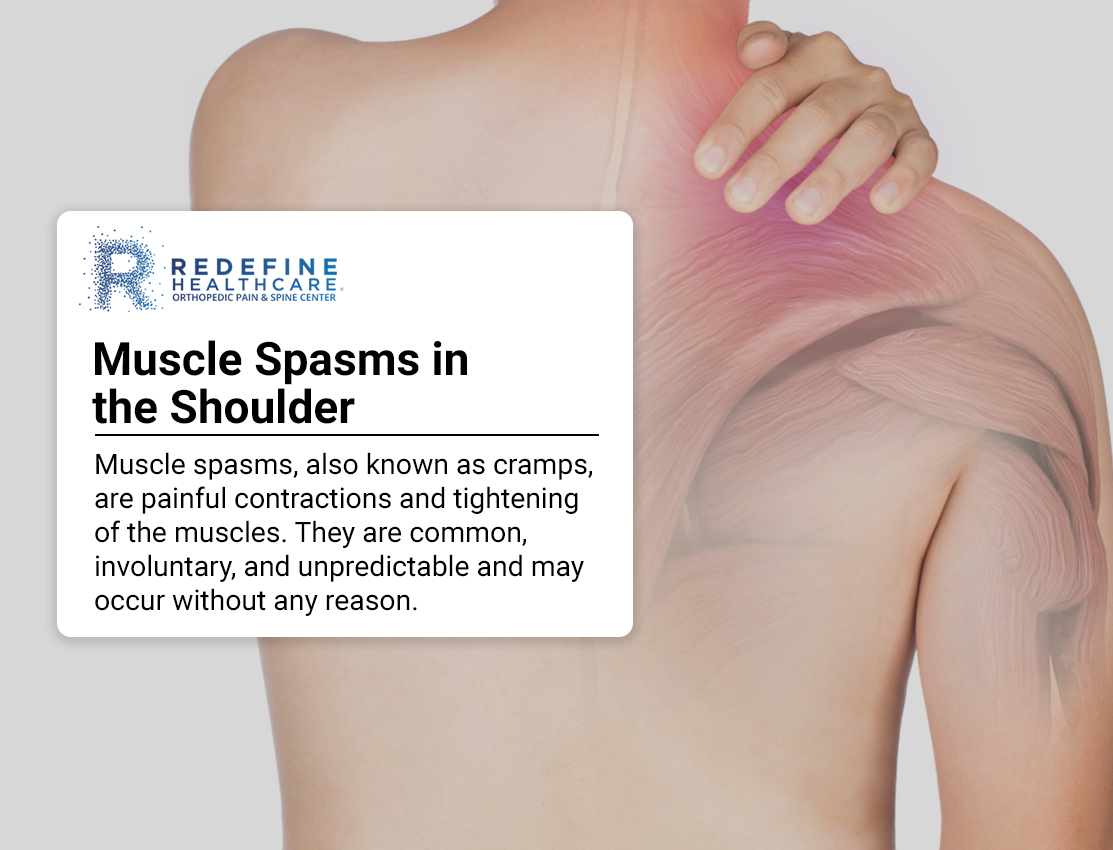
- Muscle Spasms: Overuse or strain of the muscles, potentially from exercise or repetitive movement, may cause local muscle spasms that can present as a twitch or a short jolt in the arm.
- Rotator Cuff Pathologies: Although rotator cuff issues such as tendinitis or impingement are more commonly associated with pain and weakness, they can sometimes affect the coordination and firing patterns of the muscles, leading to twitch phenomena.
- Thoracic Outlet Syndrome: This condition, which involves the compression of nerves and blood vessels between the collarbone and first rib, may also affect the muscles in the arm and shoulder, resulting in abnormal contractions.
Diagnosing the Underlying Cause
Distinguishing between a harmless muscle twitch and a more serious underlying condition involves a careful review of your medical history, lifestyle, and other accompanying symptoms. The process typically involves:
Clinical Evaluation
A healthcare professional will usually start with a detailed history of your symptoms. Key aspects include:
- Symptom Duration: How long has the twinge been present and how frequently does it occur?
- Activity Association: Is there any correlation between physical activity, posture, or moments of stress and the onset of the twitch?
- Additional Symptoms: Are there any signs of weakness, numbness, or pain in the affected region or other parts of your body?
- Medication and Lifestyle Factors: Is your caffeine intake high? Have you recently changed your exercise routine or experienced significant stress?
Diagnostic Tests
When a more serious underlying condition is suspected, healthcare providers may recommend several diagnostic tests to narrow down the diagnosis:
Blood Tests
Blood tests can help detect electrolyte imbalances, vitamin deficiencies, or hormonal imbalances that might contribute to involuntary muscle twitching. For example, low levels of magnesium or potassium can affect neuromuscular transmission.
Electromyography (EMG) and Nerve Conduction Studies
EMG is a diagnostic procedure that assesses the electrical activity in muscles. Combined with nerve conduction studies, these tests can help determine whether there is nerve damage or muscular disorders affecting the area.
Imaging Studies
MRI or CT scans of the cervical spine or shoulder region may be recommended if there is suspicion of nerve compression, herniated discs, or other structural problems contributing to your symptoms.
Treatment and Management Options
The management of muscle twitching or involuntary jerking of the arm depends heavily on identifying the underlying cause. Treatment approaches vary widely, from simple lifestyle modifications to more targeted medical interventions.
Lifestyle and Home Remedies
For many cases where the muscle twitching is benign and transient, addressing lifestyle factors can be very effective. Consider the following steps:
- Caffeine Reduction: Cutting back on caffeine can help decrease nerve excitability and reduce twitching.
- Stress Management: Techniques such as deep breathing, meditation, or yoga can help alleviate the stress that may be triggering involuntary muscle movements.
- Improved Sleep: Ensuring you get adequate and restorative sleep can help reduce muscle fatigue and twitching.
- Hydration and Nutrition: Maintaining proper hydration and ensuring a balanced diet rich in vitamins and minerals (especially magnesium and potassium) can help stabilize muscle function.
- Moderate Exercise: Engaging in regular, low-impact exercise can improve overall muscle tone without excessive strain. Always warm up properly before exercise to reduce the risk of muscle fatigue.
Medical Interventions
If your symptoms persist despite lifestyle modifications or are accompanied by other concerning symptoms, it is important to consult a healthcare professional. Medical interventions may include:
- Medications: Depending on the cause, doctors might prescribe muscle relaxants or medications that help regulate nerve impulses. In cases linked to anxiety, medications such as benzodiazepines or antidepressants might be considered.
- Physical Therapy: For issues related to muscle strain or postural problems, targeted exercises prescribed by a physiotherapist can help alleviate symptoms by strengthening supporting muscles and improving posture.
- Targeted Therapies for Nerve Conditions: If tests suggest nerve irritation or compression, treatments may include physiotherapy, anti-inflammatory medications, or even specialized injections to reduce inflammation.
When to Seek Immediate Medical Attention
Although many instances of muscle twitching are harmless, there are signs that should prompt a more urgent evaluation:
- Frequent or persistent twitching that does not seem to improve with self-care measures.
- Accompanying weakness, numbness, or pain in the affected limb.
- Additional symptoms such as difficulty with coordination or balance.
- Signs of systemic illness (e.g., unexpected weight loss, fever) that may indicate a broader underlying condition.
Comparison Table of Potential Causes and Recommended Actions
| Potential Cause | Description | Recommended Action |
|---|---|---|
| Benign Muscle Twitching | Often due to stress, fatigue, high caffeine, or electrolyte imbalance; the twitch is usually isolated and temporary. | Reduce caffeine and stress, improve sleep, and monitor dietary intake. |
| Myoclonus | Sudden, brief jerking of a muscle due to abnormal nerve firing; can be benign or linked to neurological issues. | Monitor symptoms; seek evaluation if accompanied by other neurological signs. |
| Nerve Compression/Irritation | Compression or irritation from postural strain, injury, or conditions like cervical radiculopathy. | Correct posture, consider physical therapy, and acquire medical evaluation if persistent. |
| Musculoskeletal Issues | Overuse injuries, muscle spasms, or rotator cuff problems leading to abnormal muscle contractions. | Rest, implement targeted exercises, and consult healthcare if pain or dysfunction accompanies twitching. |
Integrating Lifestyle and Medical Care
A comprehensive management strategy for your upper arm or shoulder twitching should ideally integrate both lifestyle adjustments and, when necessary, targeted medical interventions. Often, benign cases respond well to self-care strategies. For example, if your twitching began after increased physical activity or stress, a period of rest and adjustments in your routine might resolve the issue.
On the other hand, if the episode of involuntary jerking is accompanied by other symptoms like persistent pain, noticeable muscle weakness, or sensory abnormalities (numbness, tingling), a deeper investigation is warranted. These additional symptoms can suggest involvement of the nervous system or indicate overuse injuries that require rehabilitation.
Collaborative Approach
It is also worthwhile to consider that many modern medical conditions—even those that initially seem minor—benefit from a multi-disciplinary approach. A primary care physician can help rule out systemic issues by reviewing your overall health history, while a neurologist can delve into the intricacies of nerve function with diagnostic tests such as EMG or nerve conduction studies.
Physical therapists are another crucial part of the equation. They not only help by guiding you through exercises that improve muscle control and flexibility but also by educating you on posture and ergonomics to mitigate the effects of repetitive strain.
Self-Monitoring and Documentation
A practical step while managing these symptoms is to keep a fact-based log of your experiences. Document the timing, frequency, and duration of the twitching as well as any potential triggers you notice (such as specific activities, times of day, or dietary factors). This detailed record can be invaluable when discussing symptoms with your healthcare provider, as it helps pinpoint whether there is a consistent pattern that correlates with underlying physiological changes.
Exploring Underlying Neurological Considerations
Although benign muscle twitching is more common, it is essential to acknowledge the neurological underpinnings in cases of myoclonus or nerve-related irritation. Myoclonus, which involves sudden, involuntary jerks, can be a manifestation of altered neuronal excitability. In many individuals, these abrupt movements are transient and not linked to progressive neurological diseases. However, in a subset of cases, persistent or widespread myoclonus might be associated with conditions affecting the central nervous system.
Neurological Disorders to Consider
Several neurological conditions, while rare, can first present with localized muscle twitches or jerks. It is important to note that:
- Diseases such as amyotrophic lateral sclerosis (ALS) or multiple sclerosis (MS) typically present with additional symptoms, including noticeable weakness, coordination deficits, and changes in muscle tone over time.
- Peripheral nerve disorders, often stemming from nerve compression or inflammation, might initially only affect isolated regions such as your shoulder or arm before involving broader areas.
- Genetic conditions like benign fasciculation syndrome tend to be non-progressive and are often a source of curiosity rather than concern.
It is important to remember that the presence of muscle twitches alone—especially when not accompanied by other symptoms—rarely points directly to these serious conditions. Instead, they often serve as an early indicator that may warrant further investigation if other red flags develop.
Current Research and Understanding
Current research in neuromuscular physiology continues to improve our understanding of muscle twitches and myoclonus. Investigations often focus on the balance of excitatory and inhibitory signals in the nervous system, as well as the role of electrolytes in maintaining normal muscle function. Advances in imaging and neurophysiological testing have allowed for more accurate diagnoses when symptoms persist, ensuring that potential underlying causes are addressed in a timely manner.
When to Seek Professional Guidance
In summary, while many instances of involuntary muscle twitching or jerking in the shoulder and arm region are benign, the persistence or worsening of these symptoms—particularly if they are accompanied by pain, numbness, or weakness—should prompt a thorough medical evaluation. Consulting with a healthcare provider will ensure any underlying causes, ranging from benign muscle fatigue to nerve compression syndromes or even early signs of neurological issues, are appropriately identified and managed. Early detection is key to preventing potential progression and ensuring effective treatment.
Key Signs You Should Not Ignore
- Persistent or frequent twitching with no significant improvement over time.
- Twitching accompanied by localized pain, numbness, or prolonged weakness.
- Any new symptoms such as loss of coordination, balance issues, or unexpected fatigue.
- Worsening of symptoms despite lifestyle modifications and rest.
Conclusion
The twinge in your upper arm or front of the shoulder that leads to an involuntary forward jerk can likely stem from a variety of sources. In many cases, the cause is benign—related to factors such as stress, excessive caffeine intake, muscle fatigue, or minor electrolyte imbalances. However, there are also situations where nerve irritation, myoclonus, or musculoskeletal issues come into play, potentially indicating a need for further medical evaluation.
Balancing lifestyle changes with awareness of symptom patterns is essential. Tracking your symptoms and noting any associated factors like activity, dietary habits, or stress levels will help guide your decision on whether to seek professional advice. Should the symptoms persist or worsen, it is crucial to consult with a healthcare provider who may use targeted diagnostic tests to determine the exact cause and provide tailored treatment options.
In conclusion, while the experience is concerning, it does not necessarily signal a severe underlying condition—especially if it is an isolated phenomenon or linked to common triggers. Nonetheless, taking proactive steps, such as reducing stress, moderating stimulant use, and ensuring proper rest and hydration, can alleviate the symptom. When in doubt, professional consultation remains the safest pathway to peace of mind and effective care.
References
- Muscle Twitch - Greatist
- Muscle Twitching Overview - Healthline
-
Myoclonus (Muscle Twitch) - Cleveland Clinic
- Understanding Muscle Twitching - Verywell Health
- Muscle Twitching Symptoms - Mount Sinai
- Managing Annoying Muscle Twitching - Rush University
Further Related Queries
Last updated February 19, 2025