
Unlock the Hearty Secrets of Upper Silesian Cuisine: A Culinary Journey
Discover the rich flavors, iconic dishes, and cultural tapestry of Poland's distinct regional cooking.
Highlights
- Cultural Fusion: Upper Silesian cuisine masterfully blends Polish, German, and Czech culinary traditions, shaped by the region's industrial heritage.
- Iconic Sunday Dinner: Experience the quintessential *Rolada Śląska* (beef roulade) served alongside *Kluski Śląskie* (potato dumplings) and *Modro Kapusta* (red cabbage).
- Hearty & Comforting: Known for its substantial, calorie-rich dishes like *Żurek Śląski* (sour rye soup) and *Krupniok* sausage, offering warmth and sustenance.
Where Cultures Converge on a Plate: An Introduction
Understanding the Roots of Upper Silesian Flavors
Upper Silesian cuisine, originating from the Górny Śląsk region primarily in modern-day Poland with extensions into the Czech Republic, is a testament to Central Europe's rich and complex history. Its character is deeply interwoven with the area's past as a major industrial hub, particularly known for coal mining. This demanding lifestyle necessitated hearty, calorie-dense meals, shaping a culinary tradition that prioritizes sustenance and robust flavors. Over centuries, Polish, German, and Czech influences have melded, creating a unique gastronomic identity distinct from other Polish regional cuisines.
The food is often described as comforting and rustic, relying heavily on locally sourced ingredients like potatoes, cabbage, pork, beef, and grains. Dishes are frequently prepared using techniques such as braising, stewing, and smoking, reflecting a practical approach to cooking that maximized flavor and preservation. This blend of influences is evident not just in the ingredients but also in the names and preparations of many signature dishes, showcasing a heritage where cultural exchange was a part of daily life.
A typical Upper Silesian plate showcasing the classic combination of Beef Roulade, Silesian Dumplings, and Red Cabbage.
The Heart of Silesian Cooking: Signature Dishes
From Sunday Feasts to Everyday Comforts
Upper Silesian cuisine boasts a repertoire of distinct dishes, many holding deep cultural significance and often associated with specific occasions, particularly family gatherings and holidays.
The Quintessential Sunday Feast: Rolada, Kluski, and Modro Kapusta
The traditional Sunday dinner in Upper Silesia is a culinary ritual, often featuring a trio of beloved dishes:
- Rolada Śląska (Silesian Beef Roulade): This iconic main course showcases German culinary influence. Thin slices of beef are typically filled with a savory mixture of bacon, pickled cucumber, onion, and mustard. The rolls are then seared and slowly braised until exceptionally tender, creating a rich gravy. Each family often has its own slight variation on the filling or seasoning.
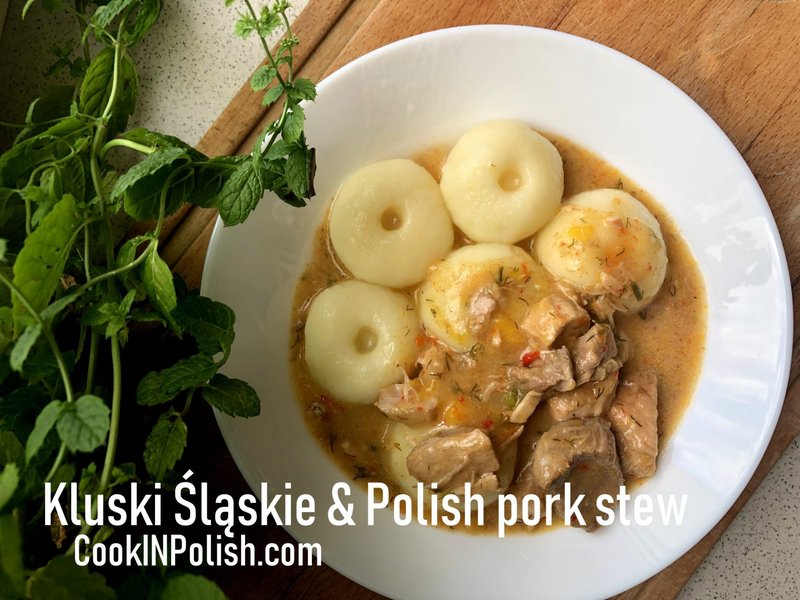
- Kluski Śląskie (Silesian Dumplings): No Silesian Sunday dinner is complete without these unique potato dumplings. Made from cooked and raw potatoes and potato starch, they are soft, slightly chewy, and characterized by a small indentation or dimple in the center (*dziurka*). This depression is perfectly designed to hold the rich gravy from the rolada or other meat dishes. They are a symbol of the region's reliance on potatoes.
- Modro Kapusta (Red Cabbage): Also known as *Czerwona Kapusta*, this vibrant side dish provides a slightly sweet and tangy counterpoint to the richness of the meat and dumplings. Red cabbage is slowly stewed, often with onions, apples, bacon, vinegar, and spices, until tender and flavorful. Its deep purple color adds visual appeal to the plate.

Soft, potato-based Kluski Śląskie with their characteristic central dimple.
Soups and Sausages: Comfort in a Bowl
Hearty soups and flavorful sausages are staples in the Upper Silesian diet:
- Żurek Śląski (Silesian Sour Rye Soup): A comforting and tangy soup, Żurek Śląski is a regional variation of a popular Polish soup. What distinguishes the Silesian version is often its base made from fermented whole rye flour, giving it a pronounced sourness and thicker consistency. It's typically served hot, often enriched with potatoes, smoked sausage (kiełbasa), bacon, and sometimes a hard-boiled egg. It's particularly associated with Easter but enjoyed year-round.
- Krupniok Śląski / Żymlok: Krupniok is a traditional Silesian sausage made from pork (often including offal), barley (kasza), and blood, seasoned with spices like marjoram, pepper, and allspice. It's typically cooked by boiling or frying. Its quality and regional significance are recognized by its Protected Geographical Indication (PGI) status within the EU. Żymlok is similar but traditionally uses *żymła* (a specific type of white bread roll local to Silesia) instead of barley as a filler.
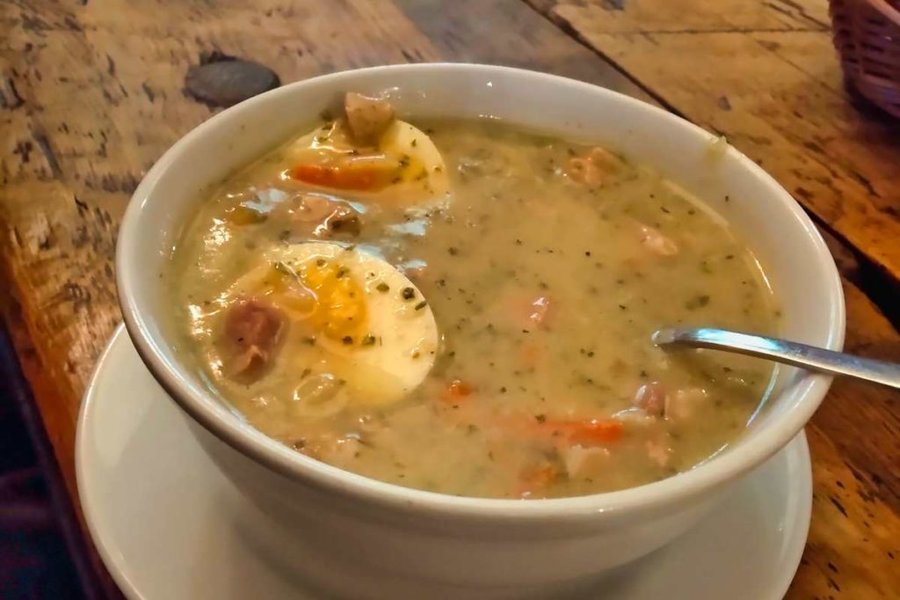
A warming bowl of Żurek Śląski, often served with sausage and egg.
Everyday Fare and Festive Treats
Beyond the Sunday specials, other dishes form the fabric of Upper Silesian eating:
- Karminadle: These are essentially Silesian-style meatballs or flattened patties, usually made from minced pork or a mix of pork and beef. They are simply seasoned, often pan-fried, and typically served with potatoes and cabbage or another vegetable side dish. A straightforward, satisfying meal common in households.
- Kołocz Śląski / Kołacz Śląski: This is a popular yeast-based cake, often prepared for celebrations like weddings and holidays. It typically features a sweet crumb topping (streusel) and can have various fillings, most commonly sweetened quark cheese (twaróg), poppy seeds (mak), or apple. It's sometimes also protected as a regional specialty.
- Christmas Traditions: Moczka and Makówki: Christmas Eve (*Wigilia*) in Upper Silesia features unique dishes. *Moczka* is a highly distinctive dish, often described as a gingerbread soup. Its base is typically dark gingerbread soaked in dark beer or stock, mixed with nuts, dried fruits (prunes, raisins, apricots), and sometimes almonds. Its consistency and flavor profile can vary significantly, ranging from savory appetizer to sweet dessert. *Makówki* is another Christmas Eve staple, a dessert made from layers of sweet yeast bread or special rolls soaked in milk, interspersed with a sweet poppy seed mixture flavored with honey, raisins, and nuts.
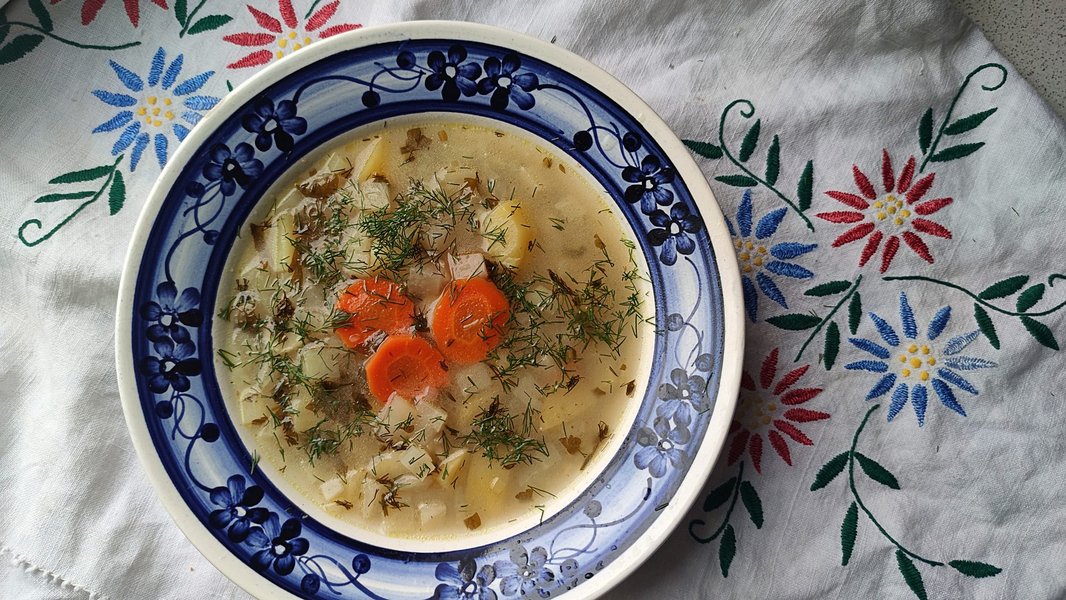
A sweet Silesian yeast cake, like Kołocz Śląski, often enjoyed during celebrations.
Visualizing Silesian Culinary Identity
A Radar Chart Perspective
To better understand the characteristics of key Upper Silesian dishes, this radar chart offers a visual comparison based on subjective culinary attributes. It maps five iconic dishes – Rolada Śląska, Kluski Śląskie, Żurek Śląski, Krupniok, and Kołocz Śląski – across several dimensions: 'Heartiness', 'Traditional Significance', 'German Influence', 'Polish Influence', 'Preparation Time', and 'Sweetness'. This provides a snapshot of how these dishes relate to each other within the context of the region's cuisine.
Mapping the Influences and Dishes
A Mindmap of Upper Silesian Cuisine
This mindmap provides a structured overview of Upper Silesian cuisine, branching out from the central theme to cover its core components: the cultural influences that shaped it, the main categories of dishes, specific iconic examples, and the cultural context in which this food tradition thrives.
(Emphasis on potatoes, soups like Żurek)"] id1b["German
(Roulades, sausages like Krupniok, cakes like Kołocz/Streuselkuchen)"] id1c["Czech
(Shared dumpling traditions, certain spices)"] id1d["Austrian
(Some pastry influences)"] id2["Key Dish Categories"] id2a["Meat Dishes
(Hearty, often pork or beef)"] id2b["Dumplings
(Potato-based Kluski are central)"] id2c["Soups
(Rich and savory, like Żurek)"] id2d["Sausages
(Regional specialties like Krupniok)"] id2e["Side Dishes
(Cabbage is prominent)"] id2f["Cakes & Desserts
(Yeast cakes, festive treats)"] id3["Signature Dishes"] id3a["Rolada Śląska
(Beef Roulade)"] id3b["Kluski Śląskie
(Potato Dumplings)"] id3c["Modro Kapusta
(Red Cabbage)"] id3d["Żurek Śląski
(Sour Rye Soup)"] id3e["Krupniok / Żymlok
(Sausage)"] id3f["Karminadle
(Meat Patties)"] id3g["Kołocz Śląski
(Yeast Cake)"] id3h["Moczka / Makówki
(Christmas Desserts)"] id4["Cultural Context"] id4a["Industrial Heritage
(High-calorie, sustaining food for miners)"] id4b["Sunday Dinners
(Traditional family meals)"] id4c["Festivals & Holidays
(Specific dishes for Christmas, weddings)"] id4d["Regional Identity
(Strong sense of local culinary pride)"]
A Glimpse into Silesian Kitchens
Experiencing the Food Scene
To truly appreciate Upper Silesian cuisine, seeing it prepared and enjoyed offers valuable context. The following video takes viewers on a food tour in Katowice, the heart of Upper Silesia, showcasing a feast of traditional dishes. It captures the atmosphere of local eateries and highlights staples like Rolada Śląska, various types of dumplings (including pierogi, which are popular across Poland but enjoyed here too), fried cheese, and hearty meat dishes. This visual exploration helps bring the flavors and traditions described earlier to life, demonstrating the generous portions and comforting nature of Silesian meals.
Upper Silesian Cuisine and the Nile: Addressing the Connection
Exploring Potential Links
You asked about a potential connection between Upper Silesian cuisine and the Nile River. Based on extensive analysis of culinary history and regional food traditions, it's important to state clearly that there is no known direct historical, geographical, or culinary link between Upper Silesian cuisine and the food traditions associated with the Nile Valley.
Upper Silesian cuisine is firmly rooted in its Central European context, shaped by centuries of interaction between Polish, German, and Czech cultures, and adapted to its specific geography and industrial history. Its core ingredients, techniques, and signature dishes reflect this specific heritage.
While some culinary anthropology studies draw broad comparisons between different global food cultures based on staple preparation methods – for instance, contrasting regions historically focused on pot-cooked foods (stews, dumplings, porridges, common in parts of Europe including Silesia) versus those centered on bread and oven-based baking (like ancient Egypt in the Nile Valley) – these are very high-level typological comparisons. Such frameworks illustrate diverse human adaptations to different environments and resources, but they do not imply any direct influence, exchange, or relationship between the specific cuisines of Upper Silesia and the Nile Valley.
Therefore, while comparing different food systems globally can be interesting, there is no evidence to suggest the Nile played any role in the development or characteristics of Upper Silesian cuisine.
Comparing Key Characteristics
A Summary Table of Iconic Dishes
This table summarizes some of the most iconic Upper Silesian dishes, highlighting their type, primary ingredients, general flavor profile, and typical context or accompaniments.
| Dish | Type | Main Ingredients | Flavor Profile | Typical Serving Context |
|---|---|---|---|---|
| Rolada Śląska | Main Course (Meat) | Beef, Bacon, Pickled Cucumber, Mustard, Onion | Savory, Rich, Meaty, Slightly Tangy | Sunday dinner, served with Kluski Śląskie and Modro Kapusta |
| Kluski Śląskie | Side Dish (Dumpling) | Potatoes, Potato Starch | Neutral, Mildly Potato-Flavored, Soft Texture | Accompaniment to meat dishes with gravy, especially Rolada |
| Żurek Śląski | Soup | Fermented Rye Flour, Potatoes, Smoked Sausage, Bacon | Sour, Tangy, Savory, Smoky | Hearty meal, often for Easter or cold weather |
| Krupniok Śląski | Sausage | Pork (inc. offal), Barley, Blood, Spices (Marjoram) | Earthy, Savory, Rich, Spiced | Fried or boiled, often served with potatoes or sauerkraut |
| Kołocz Śląski | Dessert (Cake) | Yeast Dough, Flour, Butter, Sugar, Fillings (Cheese, Poppy Seed, Apple) | Sweet, Buttery, Varies with Filling | Celebrations (weddings, holidays), coffee time |
| Modro Kapusta | Side Dish (Vegetable) | Red Cabbage, Onion, Apple, Bacon Fat, Vinegar | Sweet, Sour, Savory | Accompaniment to meat dishes, especially Rolada and pork |
Frequently Asked Questions
Quick Answers about Upper Silesian Cuisine
What makes Upper Silesian cuisine unique?
Its uniqueness comes from the specific blend of Polish, German, and Czech influences, combined with adaptations to the region's industrial past. This results in hearty, often high-calorie dishes with distinct preparations, like the combination of beef roulade (German influence) with potato dumplings (Polish staple) and specific regional items like Żurek Śląski or Krupniok.
What are the absolute essential dishes to try?
The quintessential Upper Silesian experience involves the Sunday dinner trio: *Rolada Śląska* (beef roulade), *Kluski Śląskie* (Silesian dumplings), and *Modro Kapusta* (stewed red cabbage). Trying *Żurek Śląski* (sour rye soup) and perhaps *Krupniok* sausage would also provide a good taste of the region.
Is Upper Silesian food spicy?
Generally, Upper Silesian cuisine is not considered spicy in the sense of chili heat. Flavors tend to be savory, rich, sometimes tangy or sour (from pickled ingredients or fermentation like in Żurek), or subtly sweet (in side dishes like red cabbage or desserts). Spices like marjoram, caraway, pepper, and mustard are used for flavor rather than heat.
What exactly are Kluski Śląskie?
Kluski Śląskie are traditional Silesian dumplings made primarily from mashed cooked potatoes mixed with potato starch (and sometimes raw grated potato). They are formed into small, round shapes and feature a characteristic indentation or "dimple" in the center, made with a finger. This shape helps them cook evenly and hold sauce or gravy effectively. They have a soft, slightly chewy texture.
What is Rolada Śląska filled with?
The traditional filling for Rolada Śląska typically consists of slices of smoked bacon, pieces of pickled cucumber (gherkin), chopped onion, and a smear of mustard, all rolled up inside a thin slice of beef (usually topside or silverside). The roulades are then secured, browned, and slowly braised in a savory broth until tender.
Recommended Further Exploration
- How did the industrial revolution shape the food traditions of Upper Silesia?
- What are the recipes for traditional Upper Silesian Christmas dishes like Moczka and Makówki?
- What are the main differences between the cuisines of Upper Silesia and Lower Silesia?
- Which other Silesian food products have received EU protection for their regional significance?
References
Last updated May 4, 2025