
Hard Economic Figures on Urban Climate Impacts
Essential Hard Numbers Shaping Urban Environmental Economics
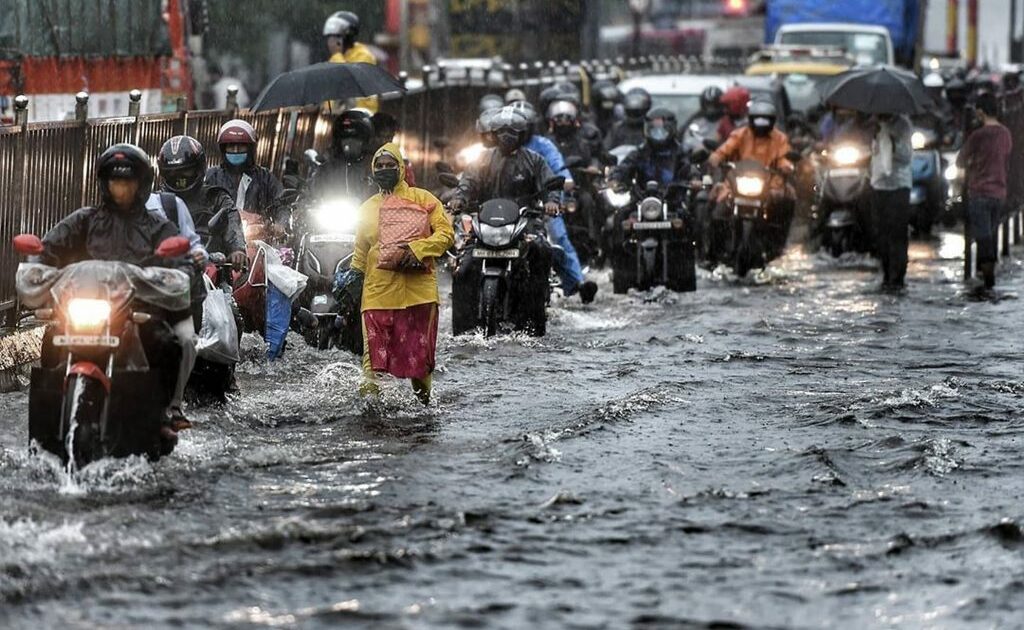
Key Highlights
- Massive Infrastructure Losses: Climate-induced damages estimated in the trillions, highlighting the urgent need for resilient urban designs.
- Health and Productivity Costs: Heat-related illnesses and reduced worker productivity result in billions in annual losses.
- Economic Opportunities through Mitigation: Strategic investments in adaptation can yield significant returns, creating jobs and increasing property values.
Economic Impacts on Urban Areas
Overview of Hard Economic Figures
Urban environments face a multifaceted economic impact from climate change, with key variables ranging from infrastructure damage and reduced property values to health-related costs and increased energy demand. As cities continue to expand, the convergence of dense populations, critical infrastructure, and high exposure to climate events amplifies risks and damages. The following analysis synthesizes data-driven evidence illustrating these severe economic effects, represented by figures often running into the trillions globally and billions nationally.
Infrastructure Damage and Urban Vulnerability
Cities are hubs of economic activity and innovation, yet they also exhibit vulnerabilities to physical disruptions – particularly those born from rising sea levels, extreme weather, and temperature fluctuations. Key hard figures include:
- U.S. GDP Losses: Studies by the U.S. Environmental Protection Agency (EPA) indicate that failure to address deteriorating infrastructure could result in up to $3.9 trillion in GDP losses by 2025. Urban areas, particularly coastal cities, are at high risk as sea level rise and flooding exacerbate damages.
- Global Cost of Extreme Weather: A staggering estimate suggests climate-related events are costing the global economy approximately $16 million per hour. Over the past two decades, the aggregated cost from extreme weather, including hurricanes, floods, and heatwaves, has reached nearly $2.8 trillion.
- Urban Infrastructure Damage: Infrastructure in U.S. cities alone could incur damages up to $1 trillion by 2050, according to the Urban Land Institute, highlighting the acute financial vulnerability and the necessity for robust, adaptive planning.
Loss of Property Value and Investment Challenges
Rising sea levels and flood risks have a direct impact on property values, which plays a crucial role in urban economic stability. Key findings include:
- Property Value Decline: Projections indicate that increasing risks related to climate change could lead to a cumulative loss of property value calculated at around $1.4 trillion in the United States by the year 2100. This figure underscores the long-term economic challenges and risks facing urban real estate markets.
- Investment Shortfalls: Urban areas face a significant shortfall in climate finance needs, with some cities lacking approximately $384 billion annually to implement effective climate adaptation and mitigation strategies. This financial gap further intensifies the vulnerability of urban areas.
Heat-Related Impacts and Worker Productivity
The phenomenon known as the urban heat island effect significantly raises temperatures in metropolises, which leads to additional economic burdens related to health and worker productivity:
- Economic Losses from Heat: Estimates capture losses amounting to nearly $44 billion annually in worker productivity reductions across major cities. This loss is directly tied to increased health risks and decreased efficiency due to heat stress.
- Health Costs: Climate change-driven health impacts, such as heat-related illnesses, contribute an estimated $5.3 billion annually in medical costs and lost productivity in the United States. These figures reinforce the broader social and economic challenges surrounding climate adaptation in urban areas.
Broader Economic Projections and Global Impacts
Beyond localized impacts, climate change poses a profound threat to global economic stability:
- Global Economic Impact: The World Bank has estimated that without concerted action, the overall economic cost of climate change could reach as high as $69 trillion by 2050.
- Projections for Economic Decline: According to some analyses, the worst-case scenarios forecast that global GDP could face severe contractions, with certain studies citing losses of up to 50% in extreme instances if adaptive measures are not fully implemented over the next decades.
Economic Benefits of Climate Change Mitigation and Adaptation
Opportunities in a Low-Carbon Urban Economy
While the figures related to losses are formidable, investments in mitigation and adaptation also present significant economic opportunities. Strategic investments can yield higher returns, as they not only reduce vulnerability but actively promote sustainable growth.
Return on Investment in Mitigation
Data-supported findings indicate that the economic advantages of investing in climate change mitigation and adaptation are significant:
- High Economic Return: For every $1 invested, urban planners and governments can expect a return of $3-5 in economic benefits. This return manifests through reduced damages, improved health outcomes, and increased job opportunities.
- Job Creation and Economic Growth: Transitioning towards a resilient, low-carbon economy can foster the creation of up to 24 million new jobs globally by 2030, thus stimulating an economic shift that benefits urban economies and local communities.
Enhanced Property Values and Infrastructure Upgrades
Climate adaptation measures, including the integration of green space and renewable technology, not only mitigate risks but also increase urban living standards:
- Increased Property Value: Implementation of green infrastructure—such as parks, green roofs, and sustainable public transport systems—can boost property values between 10-15%, making urban areas more attractive to investors and residents alike.
- Healthcare Savings: Investing in adaptation strategies is shown to reduce healthcare costs by an estimated $1.4 billion annually in the United States, a saving achieved by mitigating the adverse health impacts of climate change.
Comparative Figures in a Comprehensive Table
| Indicator | Figure | Source / Projection |
|---|---|---|
| U.S. GDP Loss due to Infrastructure Damage | $3.9 trillion by 2025 | U.S. EPA |
| Global Extreme Weather Cost | $16 million per hour; $2.8 trillion over 20 years | World Economic Forum; Various studies |
| Damage to U.S. Urban Infrastructure | $1 trillion by 2050 | Urban Land Institute |
| Property Value Loss due to Climate Change | $1.4 trillion by 2100 | NOAA Projection |
| Annual Losses from Reduced Worker Productivity | $44 billion | Multiple Reports (Health and Economic Studies) |
| Health Costs (Heat Illnesses) | $5.3 billion annually | CDC, various studies |
| Return on Investment in Mitigation | $3-5 returned for every $1 invested | World Bank, Climate Finance Research |
| Job Creation Potential | Up to 24 million new jobs globally by 2030 | International Renewable Energy Agency |
| Healthcare Cost Reduction through Adaptation | $1.4 billion annually | American Lung Association, various analyses |
| Global Economic Cost if Unmitigated | $69 trillion by 2050 | World Bank Estimate |
Implications for Urban Policy and Research
A Data-Driven Call to Action
The overwhelming economic evidence presented above establishes that the consequences of inaction regarding climate change are too dire to ignore. Urban policymakers must incorporate these hard figures into strategic decision-making processes. Whether planning for infrastructure upgrades or integrating green solutions across urban landscapes, the goal remains to transform high risk into substantial economic opportunity.
In the context of urban environmental economics, these figures underscore an imperative:
- Investing now in climate-resilient infrastructure can prevent multi-trillion-dollar GDP losses.
- Mitigation efforts yield not only risk reduction benefits but also promote job creation and improvement in public health.
- The potential long-term savings in healthcare and infrastructure repair costs heavily outweigh the upfront investments necessary for adaptation.
Combining detailed financial assessments with proactive urban planning can catalyze a transition to sustainable cityscapes, ultimately ensuring that critical urban economic drivers remain robust in the wake of climate challenges.
References
- Cities and climate change | UNEP - UN Environment Programme
- Climate Change Impacts on the Built Environment | US EPA
- Climate change is costing the world $16 million per hour: study | World Economic Forum
- Hot Cities, Chilled Economies: Economic Impacts of Heat on Cities
- 2021 State of Cities Climate Finance | Cities Climate Finance Partnership
Recommended Search Queries
Last updated March 21, 2025