
Urban Socio-Economic Factors Affecting COVID-19 Vulnerable Populations
Understanding how urban challenges magnify pandemic risks
Key Highlights
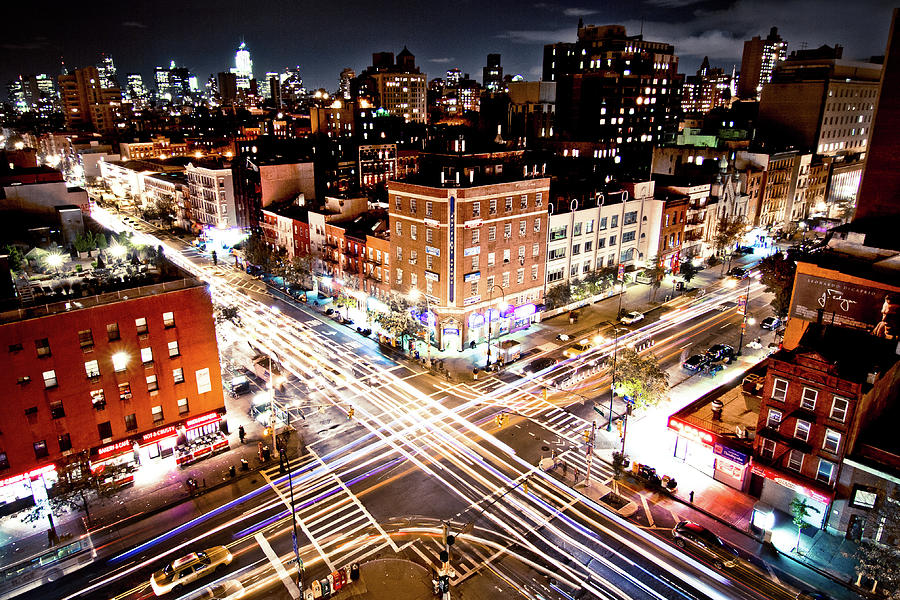
- Increased Exposure Through Density: Urban density and overcrowded living arrangements accelerate the transmission of COVID-19.
- Limited Healthcare Access: Socio-economic inequalities drive disparities in both healthcare access and quality across urban neighborhoods.
- Occupational and Structural Risks: Economic instability, essential job exposures, and inadequate digital resources amplify vulnerability.
Introduction
Urban areas have long been centers of cultural, economic, and social opportunities. However, the COVID-19 pandemic has shed light on the inherent vulnerabilities embedded within these communities. Socio-economic factors—ranging from population density and housing conditions to healthcare access and employment structures—play a critical role in shaping the outcomes of the pandemic. This analysis aims to explain, in detail, how these urban characteristics contribute to the heightened vulnerability of certain populations to severe COVID-19 outcomes.
Urban Density and Living Conditions
Impact of Population Density
High urban density is a fundamental challenge in curbing the spread of COVID-19. Densely populated cities naturally foster environments where the virus can spread quickly among residents. Overcrowding in public transit, commercial areas, and especially in residential settings complicates the enforcement of social distancing guidelines. In many urban low-income neighborhoods, housing units are significantly overcrowded, leading to very limited personal space that can facilitate both aerosol and contact transmissions of the virus.
Substandard Housing and Ventilation
Poorly ventilated housing increases the risk of airborne transmission. Many urban residential buildings—especially those in areas marked by lower socio-economic status—are not optimally designed to support health during an airborne pandemic. Limited ventilation, combined with tightly packed living conditions, creates hotspots for viral spread. This is particularly detrimental to communities where multi-generational households are common, thereby exposing elder members who are at higher risk.
Access to Healthcare
Barriers in Healthcare Infrastructure
Access to timely and high-quality healthcare is a crucial factor in managing the pandemic’s effects. In many urban areas, especially those with socio-economic disparities, residents often face significant barriers to healthcare:
- Insufficient primary care providers and testing facilities in low-income neighborhoods.
- Delays in diagnosis and treatment due to overwhelmed local healthcare services.
- Lack of adequate health insurance or benefits, particularly among informal or gig economy workers.
These obstacles contribute not only to delayed treatment but also to a general mistrust of healthcare institutions. The limited distribution of medical resources further compounds the risk of severe COVID-19 outcomes among marginalized urban populations.
Digital Divide and Telemedicine
The pandemic has also highlighted the inequities in access to telemedicine services. Many low-income and minority populations in urban settings do not have sufficient access to digital resources. The digital divide limits their ability to obtain telemedicine consultations, reliable public health information, or remote work opportunities, thereby increasing their exposure risk.
Employment and Economic Stability
Occupational Risks for Essential Workers
Urban socio-economic structures often tie vulnerable populations to jobs that require physical presence, thereby increasing their risk of infection. Many individuals from lower socio-economic backgrounds work as essential workers in roles such as:
- Public transportation operators
- Food-service workers
- Sanitation and maintenance staff
- Retail employees
These roles demand frequent contact with the public, amplifying the challenge of maintaining safe social distancing protocols. Furthermore, many of these workers are not afforded the luxury of remote work, making them more susceptible to exposure.
Economic Vulnerability and Job Insecurity
Economic insecurity has far-reaching effects. In urban settings, the fear of losing income can compel symptomatic individuals to continue working, sometimes out of sheer necessity, thus contributing to further spread within their communities. The economic strain also affects mental health and overall resilience, making it harder for individuals to seek timely medical help or adhere to preventative measures.
Social Determinants of Health and Community Resilience
Education, Health Literacy, and Communications
Socio-economic factors have a strong correlation with health literacy levels. In many urban areas, particularly among economically disadvantaged groups, lower education levels can contribute to a lack of understanding about COVID-19 prevention measures. This gap influences:
- Adherence to health protocols like mask-wearing and hand hygiene.
- Willingness to be vaccinated or follow emerging public health guidelines.
- The ability to decipher and trust official health communications.
The resulting misinformation or misinterpretation of public health directives may fuel higher transmission rates, making it essential to bridge these educational and informational disparities.
Community Resources and Support Networks
The strength and availability of social support networks are vital in mitigating the spread of the virus and supporting those afflicted. In urban communities, strong community networks can provide essential resources, from food banks to mental health support and volunteer services. However, communities lacking these robust networks may find themselves with insufficient support during the health crisis, ultimately affecting recovery outcomes.
Structural and Racial Inequalities
Interplay of Systemic Racism and Urban Vulnerability
Structural inequalities manifest significantly in urban settings. Racial and ethnic minority groups, often residing in areas marked by socio-economic deprivation, are disproportionately affected by COVID-19. Historical disparities in income, education, and healthcare access elevate these communities' risk levels. Many of these urban neighborhoods have long suffered from underinvestment, making it challenging to quickly mobilize healthcare and economic support during a pandemic.
Trust, Communication, and Cultural Competency
The legacies of discrimination and historical mistrust in institutions further complicate outreach efforts. Effective public health initiatives must be culturally sensitive and built on trust, often by engaging local community leaders who understand the unique challenges of their communities. Providing accurate, relatable information in multiple languages and formats is essential to overcome long-standing communication barriers.
Comparative Overview: Urban Vulnerabilities
| Factor | Urban Impact | Consequences |
|---|---|---|
| Population Density | Overcrowding in residential and public spaces | Rapid virus transmission, difficulty in social distancing |
| Healthcare Access | Limited facilities in low-income areas | Delayed diagnosis, higher mortality rates |
| Employment | High proportion of essential workers | Increased exposure, economic hardship |
| Housing Conditions | Crowded and substandard living conditions | Enhanced viral spread, limited ability to quarantine |
| Social Determinants | Lower education and health literacy | Misinformation and reduced adherence to public health measures |
Integrated Policy and Public Health Responses
Addressing Urban Socio-Economic Disparities
To mitigate the effects of COVID-19 in urban settings, a multifaceted policy approach is necessary. Strategies should address the root causes of socio-economic disparities while delivering immediate public health benefits:
- Expanding Healthcare Access: Investing in community healthcare centers, mobile testing units, and telemedicine can help bridge the gap in underserved urban regions.
- Improving Infrastructure: Enhancing housing conditions through affordable housing initiatives and enforcing building standards can reduce overcrowding and improve ventilation.
- Strengthening Economic Support: Implementing robust unemployment benefits, paid sick leave, and direct economic assistance ensures that at-risk workers can prioritize health without jeopardizing their financial stability.
- Enhancing Communication Strategies: Culturally tailored public health communications—delivered through trusted local leaders—can address misinformation and improve adherence to preventive measures.
- Addressing Digital Inequities: Expanding broadband access and digital literacy programs can ensure vulnerable communities have access to telehealth services and reliable health information.
Targeted Vaccination and Testing Programs
An essential element of the public health response is the targeted implementation of vaccination and testing efforts. Prioritizing high-density urban areas and communities with historical underinvestment ensures that resources are allocated where they are needed most. Local governments and community organizations must work collaboratively to set up vaccination centers, pop-up clinics, and information dissemination hubs. This approach not only aids in controlling the spread of the virus but also serves to rebuild trust in public institutions.
Economic and Social Recovery Measures
Long-Term Interventions and Urban Resilience
Beyond the immediate crisis, long-term strategies are crucial for bolstering urban resilience against future public health emergencies. Initiatives that simultaneously address economic recovery and health disparities include:
- Investing in urban infrastructure that promotes healthier living environments, such as green spaces and community centers.
- Enhancing education and skill-building programs to improve employment opportunities in a changing economic landscape.
- Fostering public-private partnerships to create inclusive economic growth strategies that prioritize the needs of vulnerable populations.
- Developing emergency preparedness plans that integrate public health, economic support, and community engagement tailored for urban settings.
Role of Data and Spatial Analyses
Modern data analytics and spatial modeling play an increasingly significant role in guiding these interventions. By mapping infection rates alongside socio-economic indicators, policymakers can better identify hotspots and customize responses, ensuring that interventions are both effective and equitable. Such targeted measures not only mitigate the immediate impact of the pandemic but also contribute to building a more resilient urban infrastructure.
Conclusion
The COVID-19 pandemic has underscored the pivotal role that urban socio-economic factors play in shaping health outcomes. High population density, overcrowded and substandard living conditions, limited access to healthcare, and the nature of employment in urban environments converge to increase vulnerability among certain populations. Moreover, structural inequalities—manifested through disparities in education, digital access, and healthcare provision—further exacerbate these risks, demanding a comprehensive, culturally sensitive, and policy-oriented approach to public health.
Integrated interventions that simultaneously address immediate healthcare needs and the underlying socio-economic determinants are essential. Expanding healthcare access, enforcing improved housing standards, and bolstering economic support systems can mitigate current risks while laying the groundwork for long-term urban resilience. Furthermore, targeted communication strategies and the deployment of data-driven spatial analyses are vital in ensuring that public health measures reach those most at risk.
Ultimately, urban resilience in the face of pandemics requires a multifaceted strategy that recognizes the interplay of socio-economic factors, addresses systemic inequities, and builds robust public health and economic support systems. This holistic approach not only reduces vulnerability to COVID-19 but also strengthens the overall capacity of urban communities to manage future crises.
References
-
The influence of urban, socio-economic, and eco-environmental aspects - ScienceDirect
-
COVID-19 Pandemic: Impacts on Cities - PMC
- Exploring the Socio-Economic Impact of COVID-19 - SAGE Journals
- Evaluating the Social-Economic Recovery Impacts - SAGE Journals
-
Demographic Vulnerability and COVID-19 - PMC
- Factors Making You Vulnerable to COVID-19 - Stacker
- Underlying Conditions for COVID-19 - CDC
Recommended
Last updated February 20, 2025