
Activating In-Between Spaces for Enhanced Social Interaction in Cities
Exploring how transitional urban spaces can catalyze community engagement
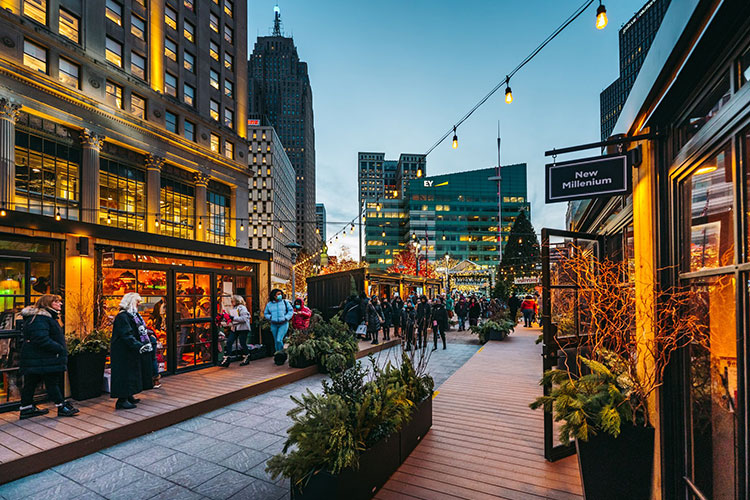
Highlights
- Designing for Engagement: Emphasize flexible, user-driven spaces with essential elements that invite social interaction.
- Community and Safety: Involve communities in planning, prioritize accessibility, and ensure well-connected, secure spaces.
- Adaptive Use and Policy Frameworks: Encourage organic growth and integrate in-between spaces with broader urban planning strategies.
Understanding In-Between Spaces
In urban environments, in-between spaces are the transitional areas that exist between majorly defined structures such as buildings, streets, plazas, and parks. Often overlooked within traditional city planning frameworks, these spaces serve as catalysts for social interaction and provide zones of flexibility that can be harnessed to improve community cohesion. They are rarely designed for a single, fixed purpose; rather, their inherent versatility allows for spontaneous activities and engagements that enrich urban life.
The Dynamic Nature of In-Between Spaces
Unlike structured urban environments that are built with specific, permanent functions in mind, in-between spaces offer the potential for a range of activities and uses. Their flexibility is one of their most potent assets. They serve as “blank canvases” where the community can contribute creatively and organically. This dynamic nature means that they can evolve according to the needs and creative impulses of local populations, gradually reinforcing a sense of collective ownership and identity.
Strategic Design for Social Engagement
Key Design Principles
Activating in-between spaces begins with thoughtful and intentional design practices that prioritize human interaction. A key element in this transformation is to shift from a rigid design philosophy towards one that is adaptable and responsive to the users’ needs. Urban designers and planners should consider the following core principles:
Flexibility and Organic Development
Rather than over-structuring these spaces, a flexible design approach allows them to evolve with minimal interference. This can include:
- Providing temporary installations such as mobile seating or pop-up art installations that encourage spontaneous gatherings.
- Designing multifunctional spaces that can be reconfigured quickly for various activities such as weekend markets, cultural events, or open-air exhibitions.
Incorporating Nature and Artistic Elements
Natural elements like vegetation, water features, and green walls not only enhance aesthetic appeal but also create a calming environment conducive to social interaction. Integrating public art and interactive installations further stimulates interest, inviting residents to engage both visually and physically with the space.
Facilitating Wayfinding and Accessibility
The spatial configuration of in-between spaces can significantly impact their usage. Clear pathways and strategic connections to major pedestrian routes ensure that these transitional zones are easily accessible. Emphasizing safety through improved lighting, open sightlines, and regular maintenance is essential. When residents feel secure and confident in moving through these spaces, they are more likely to use them as social meeting points.
Community Involvement in Design
An essential element in activating in-between spaces is engaging the local community in the design process. Involving community members through workshops, public consultations, and co-design sessions helps ensure that the spaces reflect the needs and aspirations of the people who use them daily.
By fostering a sense of ownership, communities are more inclined to take an active role in the maintenance and programming of these spaces, thereby nurturing social bonds and reinforcing local identity.
Programming and Community Engagement
Utilizing In-Between Spaces Through Events and Activities
Beyond their physical form, in-between spaces come alive through the community activities staged within them. Regular events such as local markets, art fairs, open mic sessions, cultural exhibitions, and community readings attract diverse crowds. These events create opportunities for spontaneous interactions and help develop a vibrant, inclusive atmosphere.
Encouraging flexible use of these spaces allows for programming that caters to a wide range of interests, from family gatherings to artistic performances. By rotating events and encouraging pop-up initiatives, these spaces continuously evolve to meet the dynamic rhythms of urban life.
Policies and Sustainable Urban Development
Policy Support and Regulatory Frameworks
To ensure that in-between spaces are maintained and protected, local governments can implement supportive policies that emphasize sustainable urban growth. This includes zoning regulations that protect these transitional areas from overdevelopment and encouraging community-led regeneration projects.
Integration with Urban Infrastructure
Infrastructure planning should consider in-between spaces as integral components of the urban continuum. By integrating these spaces with accessible pedestrian routes, public transportation stops, and larger recreational zones, cities create a seamless network that enhances connectivity and facilitates constant human flow. Ensuring that these spaces strategically bridge key nodes within the urban fabric reinforces their role as critical social connectors.
Benefits of Activating In-Between Spaces
Social, Cultural, and Environmental Gains
Transforming in-between areas into vibrant hubs for interaction offers multifaceted benefits for urban communities:
Enhanced Social Cohesion
These spaces serve as natural meeting points, where unplanned encounters facilitate the development of social bonds. The creation of such communal hubs fosters a culture of inclusivity and mutual support, thereby strengthening the overall social fabric of the city.
Cultural Enrichment and Creative Expression
In-between spaces provide venues for diverse forms of cultural and artistic expression. From street art installations to live performances, these spaces serve as platforms for cultural dialogue, celebrating local diversity and reflecting the vibrant cultural tapestry of the city.
Urban Regeneration and Sustainability
Activating these transitional areas also contributes to the urban sustainability agenda. Repurposing neglected or underutilized spaces for community benefit can lead to urban regeneration, reduce environmental impacts, and promote green infrastructure. These spaces may incorporate eco-friendly features such as rainwater collection systems or native landscaping, ultimately supporting the city’s environmental resilience.
An Integrated Approach: Design, Community, and Policy
The holistic activation of in-between spaces requires a synergistic approach that merges innovative design, community participation, and supportive policy frameworks. Collaboration among urban planners, designers, local authorities, and residents is essential to create spaces that are welcoming, safe, and adaptable to changing community needs.
When this triad is effectively integrated, cities can unlock the latent potential of in-between spaces, transforming them from overlooked transitional zones into dynamic centers of social interaction and cultural exchange.
A Comparative Perspective: A Table of Strategies and Benefits
| Aspect | Strategies | Benefits |
|---|---|---|
| Flexible Design |
|
|
| Community Involvement |
|
|
| Event Programming |
|
|
| Policy & Safety |
|
|
Case Studies and Practical Examples
Projects That Exemplify Success
Urban environments around the globe are experimenting with the activation of in-between spaces in innovative ways. Projects focused on adaptive reuse, for example, have managed to transform abandoned alleys and underutilized plots into bustling urban nodes. These initiatives typically utilize community-led partnerships to identify local needs, followed by the installment of elements such as seating areas, greenery, artwork, and flexible event spaces.
One noteworthy approach involves the integration of digital platforms that enable communities to suggest and schedule temporary uses for these spaces. This flexible programming ensures that the space remains vibrant and relevant, continuously adapting to the pulse of local happenings. Such projects emphasize not merely the physical redevelopment of spaces, but also the creation of sustainable social ecosystems that thrive on a shared sense of purpose and cultural identity.
Future Directions
Innovative Technologies and Data-Driven Design
Future urban planning may also leverage innovative technologies and data analytics to refine the activation of in-between spaces. For example, urban planners can use data collected from sensor networks and community feedback platforms to monitor usage patterns, safety concerns, and social dynamics within these spaces. This data-driven approach can inform iterative design improvements and ensure that the space evolves in alignment with user behavior.
Additionally, employing smart city technologies can contribute to real-time management and adaptive programming of these urban zones. With integrated digital systems, cities can dynamically adjust lighting, provide real-time event updates, or even modulate environmental conditions such as microclimates—all of which enhance user experience and promote continuous social interaction.
Inclusive Urban Planning and Global Perspectives
Drawing on diverse international examples, it is clear that the activation of in-between spaces can play a pivotal role in addressing social challenges inherent to rapidly urbanizing areas. By celebrating cultural diversity and providing inclusive environments, cities across different continents are redefining public space—moving away from the traditional, overly commercialized paradigms to more holistic, community-focused urban landscapes.
This reimagining involves a collaborative vision where local governments, urban designers, and community members together work towards integrating in-between spaces as essential components of the urban fabric. The result is a richer, more interconnected urban society where every space, no matter how transitional, contributes significantly to the tapestry of urban living.
References
-
In-Between Spaces - ScienceDirect
-
Urban Spaces Research - ScienceDirect
- Living with In-Between Spaces - Venetian Letter
- Social Interaction in Urban Contexts - Springer
- Urban Public Spaces and Social Interaction - Taylor & Francis
Recommended Further Exploration
Last updated March 9, 2025