
Urban Mythical Dreamscape
An in-depth exploration of a fantastical scene blending urban life and mythological wonder
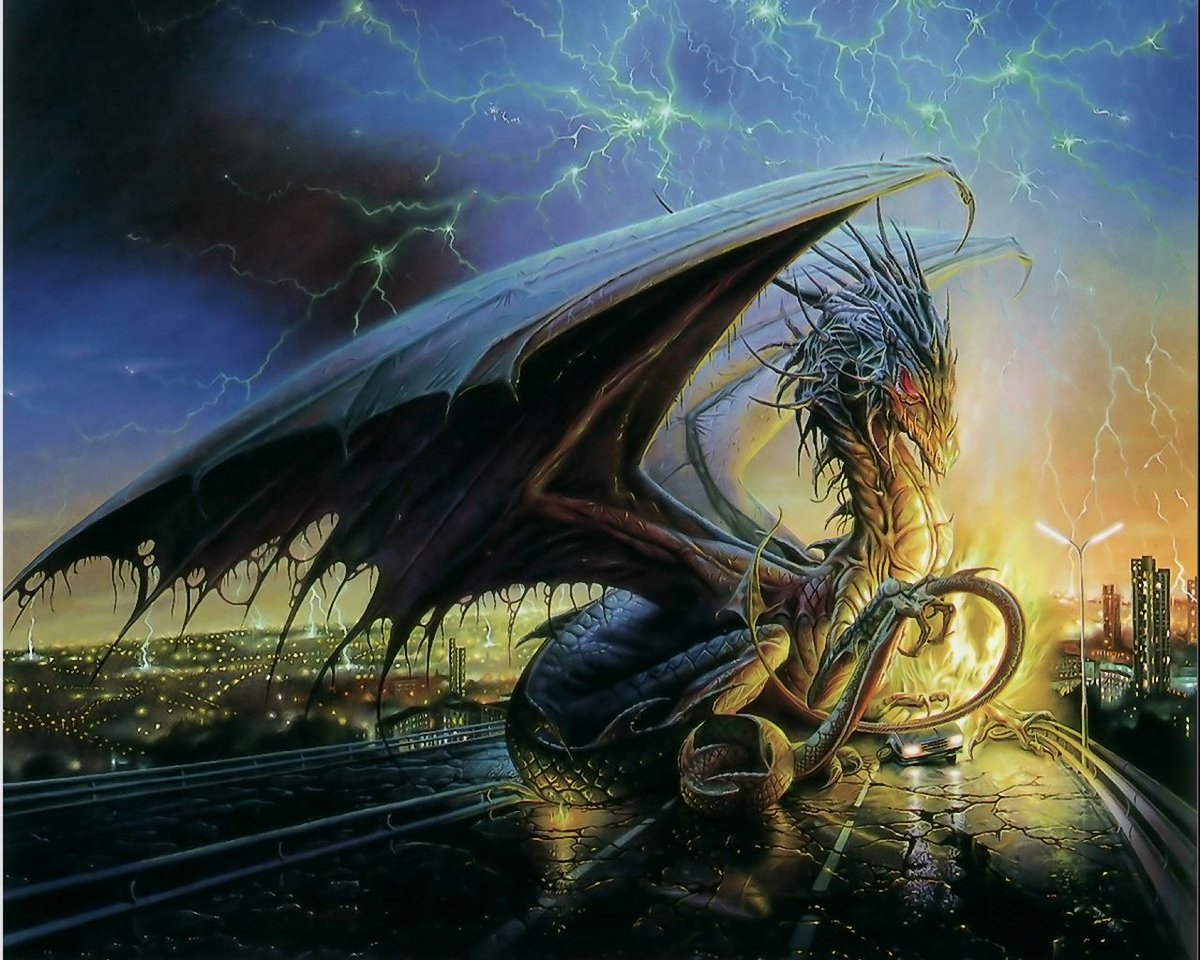
Highlights
- Myth Meets Metropolis: The scene juxtaposes the innocence of childhood with the awe-inspiring power of a mythical guardian in a modern urban setting.
- Cultural Convergence: The creature’s depiction borrows from ancient mythologies, merging elements of Persian, Greek, and Mesopotamian lore.
- Visual Dynamism: Vibrant details like warm, golden sunlight, bustling streets, and protective stances create a rich narrative full of energy and symbolism.
Introduction
The scene being described is a fascinating fusion of everyday realism and mythological fantasy. Here, a young child, embodying the purity and inquisitiveness of youth, walks down a bustling New York City street. This dramatic urban tableau, replete with the authenticity of city life and the visual rhythm of tall skyscrapers and moving traffic, is transformed by the presence of a majestic creature—a hybrid being that is half-lion and half-human.
In this narrative, the creature resembles well-known mythological beasts from diverse cultures, reminiscent of beings such as the Manticore, Sphinx, and Lamassu. Despite slight variations in their lore, these creatures share symbolic commonalities: they are representations of raw strength, vigilant guardianship, and the enigmatic interplay between the human and the beastly. This composition opens up layers of interpretation, engaging themes such as protection, the embodiment of ancient wisdom, and the merging of two seemingly disparate worlds—the primal myth and the ultra-modern.
Analysis of the Mythical Creature
Origins and Characteristics
The mythical creature central to this scene is traditionally depicted with the body of a lion and the head of a human. Its presence is steeped in ancient lore commonly linked to Persian mythology, as well as Greek and Mesopotamian narratives. Such creatures are illustrative of a convergence between animalistic potency and human intellect.
This figure not only commands attention because of its imposing physicality—a muscular, powerful build accentuated by a flowing, golden lion’s mane—but also because it symbolizes a duality in nature. On one hand, it wields the raw force typical of apex predators; on the other, it carries the wisdom and cerebral attributes of a human mind. The inclusion of this hybrid quality invites viewers to ponder the evolutionary and allegorical significance of myth in human culture.
Physical Traits
The creature’s physical characteristics are meticulously defined. Its lion’s body denotes strength, agility, and nobility—attributes that have long been associated with lions in historical symbolism. The human head, replete with features that suggest intelligence and emotion, bridges the mortal with the divine. In some mythological accounts, such beings possess additional features, like multiple rows of sharp teeth or elements indicative of a scorpion’s tail, though in the current narrative, the essence is captured without these extra embellishments.
Mythological Significance
Historically, hybrid creatures such as these served multiple roles in ancient narratives. They could act as both protectors of sacred realms and formidable adversaries. Their dual nature allowed them to embody the unpredictable forces of nature and humanity simultaneously. In contexts where such creatures appear as guardians, their role often extends to protecting the vulnerable, a motif that resonates deeply in the scene described, where the creature stands as a sentinel behind a youthful wanderer.
Urban Environment and Its Symbolism
Setting the Stage
The urban setting of New York City is not simply a backdrop but a vibrant character in its own right. Skyscrapers, bustling streets, and streams of human activity collectively contribute to an atmosphere of vitality and ceaseless motion. The city’s ubiquitous energy, which is palpable at any given moment, provides an electrifying contrast to the timeless presence of the mythic guardian.
This bustling environment, combined with the interplay of warm, golden sunlight casting long, dramatic shadows, creates an evocative canvas where the everyday and the mythic coexist. The sunlight not only enhances the visual aesthetics, highlighting textures and details, but also functions symbolically as a conduit between mortal life and the divine heritage of mythical lore.
Cultural Contrast
New York City, known for its modernity and ceaseless pace, offers a stark yet complementary contrast to the timeless essence of ancient myth. The integration of myth into this contemporary landscape mirrors the modern need for connections to heritage and the enduring human fascination with the supernatural. In essence, the urban environment underlines the theme that myth and modernity are not mutually exclusive but can enrich each other.
Vivid Urban Imagery
Details such as the child’s colorful hoodie, jeans, and sneakers resonate with the everyday reality of city life, while the mythic figure’s majestic stance evokes awe and reverence. The scene is alive with movement: the hustle and bustle of pedestrians, the rhythmic flow of traffic, and the distant hum of urban activity. This dynamic background reinforces the central narrative, where the guard-like presence of the creature illuminates the protective, nurturing side of ancient myths.
Thematic Exploration
Protection and Innocence
The interplay between the innocent child and the formidable creature encapsulates a potent theme—protection of the pure by the powerful. The child’s bright, curious expression signifies a readiness to explore the world, unburdened by its darker aspects. In contrast, the creature’s alert demeanor and imposing stature immediately evoke a sense of security. This deliberate visual metaphor extends beyond mere protection; it addresses the broader idea that within every modern, chaotic environment lie structures or forces that safeguard the essence of our humanity.
Guardian Archetype
In numerous cultural narratives, guardian figures occupy central roles as intermediaries between humanity and the unknown. This mythic guardian not only dispels danger but also inspires a bridging of disparate worlds. It is a living symbol of the ancient belief that wisdom, strength, and protection are intertwined. The deliberate choice to have this creature protect the child elevates the scene to an allegory for mentorship, care, and the enduring passage of wisdom from old to young.
Metaphor for Resilience
Moreover, the figure reflects resilience in the face of adversities that tend to arise even in the most dynamic urban settings. The creature’s vigilant presence suggests that inherent guardianship can be found in unexpected places, reaffirming the notion that myth and legend still have relevance in contemporary times. Such symbolism can be interpreted as a commentary on the enduring human need for protection and the belief that ancient virtues persist even in the modern world.
Blend of Fantasy and Reality
The combination of a realistic urban environment with fantastical elements creates a bridge between two worlds. This blend serves as a powerful artistic device that challenges the viewer to recontextualize their understanding of everyday reality. The urban landscape, with its tangible, concrete details, is transformed by the overlay of myth, suggesting a universe where the mundane and the extraordinary coalesce.
This fusion is not merely for visual spectacle; it reflects a deeper commentary on contemporary society. The mythical creature, acting as a protector, highlights a longing for guidance and guardianship in a fast-paced, sometimes overwhelming modern world. It is an invitation to look beyond the ordinary and recognize that the mysticism of the past holds a mirror to today’s trials and triumphs.
Visual and Artistic Representation
Technique and Composition
Translating this scene into a visual medium requires an astute balance of photography and digital artistry. Initially, the realism of the New York City street is best captured through high-resolution photography that emphasizes the vibrancy and energy of the urban setting. The interplay between natural light and the city’s architectural forms creates dynamic contrasts, with areas of brightness juxtaposed against elongated shadows.
The mythical creature, however, is best rendered either through advanced digital art techniques or a meticulous post-processing combination of photographic and illustrated elements. The objective is to craft a seamless integration where the creature does not appear artificial or out of place, but rather as an organic element of the scene. Its flowing mane, the nuanced musculature, and the piercing expression in its eyes must be crafted with both technical skill and a sensitivity to mythological aesthetics.
Artistic Style
The style adopted for the creature should harmonize with the urban setting. A blend of realistic and digital painting styles often works best, where fine details capture the texture of the mane and the reflective quality of the eyes, while softer gradients help integrate the figure into the photographic background. The use of warm, golden hues not only ties the scene together but also reinforces the metaphor of light as knowledge and divine protection.
Table: Key Elements of Scene Composition
| Element | Description | Symbolism |
|---|---|---|
| Child | Innocence, curiosity, modernity | Represents purity and the future |
| Mythical Creature | Half-lion, half-human guardian with a golden mane | Symbolizes protection, ancient wisdom, and strength |
| New York City | Urban backdrop with skyscrapers, streets, and energy | Embodies modernity, diversity, and perpetual activity |
| Golden Sunlight | Warm, enveloping light casting long shadows | Represents hope, clarity, and the merging of myth with life |
Symbolic Interpretations
Guardian as a Metaphor
The creature’s vigilant stance is rich in symbolic meaning. In many mythologies, guardian figures attend to the thresholds between the known and the unknown. Here, the creature not only protects the child physically but also symbolizes the safeguarding of innocence, wisdom, and heritage. Its piercing eyes scanning the environment evoke a sense of alertness often linked to higher knowledge and foresight.
This protective gesture is a metaphor for the unseen forces—be they spiritual, cultural, or even psychological—that ensure the continuity of ideals across generations. The creature is the embodiment of the protective spirit that dwells within every culture, a timeless guardian who stands watch over the vulnerable during times of change and uncertainty.
Interplay of Modernity and Myth
Modern urban life is frequently characterized by rapid change, unpredictability, and the hustle of everyday survival. In contrast, mythology offers timeless stories of heroic guardians and eternal truths. The juxtaposition of these elements creates a complex dialogue about the role of myth in informing modern identity. It reflects an underlying human desire to reconcile the frenetic pace of contemporary life with the grounded, reassuring narratives of the past.
In this context, the mythical creature is a beacon of continuity—a reminder that even as civilizations transform, the core values, existential questions, and protective instincts remain constant. This interplay invites viewers to discover the hidden layers of meaning in everyday experiences, prompting a reflection on the transformative power of myth in an ever-evolving urban landscape.
Integration of Technological and Traditional Art
Digital Techniques in Modern Art
Today’s digital art platforms allow for the seamless integration of traditional mythological themes with modern visual storytelling. Artists employ sophisticated software, combining photographic realism with digital illustration, to capture the essence of hybrid mythic entities without compromising on either legacy or innovation. The process often involves layering multiple images, using color gradients analytically, and applying post-processing techniques to refine details such as lighting, texture, and shadow.
This integration of technology with traditional iconography reinforces the idea that the mythic can exist harmoniously with the modern. In the scene described, every element—from the child's casual clothing to the creature's imposing presence—is crafted with attention to detail that honors the aesthetic sensibilities of both ancient myth and contemporary art.
Practical Application in Visual Media
The described scene could serve as a compelling narrative for various forms of media. For instance, in cinematic storytelling, this juxtaposition offers a captivating visual motif that underpins themes of protection and metamorphosis. Similarly, in graphic novels or video game art, such hybrid scenes foster an immersive environment where fantasy and reality overlap, inviting viewers and players alike to explore layered narratives.
Detailed Narrative and Further Symbolism
Dynamic Storytelling Through Imagery
The narrative that emerges from this scene is replete with dramatic potentials. Imagine the child as a symbol of emerging new ideas, unburdened by the cynicism that sometimes accompanies adulthood. The creature, with its mythic underpinnings, functions not only as a protector but as a guide, perhaps even a mentor—a reminder of the enduring strength of cultural heritage and the importance of preserving its wisdom in the face of modern challenges.
In a narrative sense, this image could be the opening scene of a larger story where the ancient guardians of legend inform or even inspire the actions in a modern-day context. The myths come to life as living allegories, lending their strength in humanity’s everyday struggles.
Character and Context
Both characters—the child and the guardian—are imbued with rich characteristics that invite deeper exploration. The child's attire and modern accessories symbolize contemporary life, resilience, and optimistic potential. Meanwhile, the guardian represents a timeless source of strength, wisdom, and protection. This duality offers fertile ground for a narrative that delves into generational change, the importance of cultural memory, and the idea that beneath the veneer of modernity lie deep-rooted symbols of ancient power.
Furthermore, the interplay of light and shadow not only delineates the physical space but also metaphorically illustrates the duality of life: light symbolizing hope, life, and knowledge, while shadows hint at mysteries, unspoken challenges, and the unknown. This delicate balance reinforces the overarching theme that even in the heart of a relentless urban sprawl, the mythic and the miraculous continue to exert their silent influence.
Conclusion and Final Thoughts
The scene of a young child walking down a lively New York City street with a majestic, half-lion, half-human guardian in the background is a masterful blend of modern dynamism and ancient myth. It encapsulates a timeless narrative where vulnerability meets strength, where the purity of youth is safeguarded by an ageless protector. This integration of mythological symbolism and urban realism not only captivates the viewer but also invites profound reflections on the nature of protection, the enduring relevance of myth in modern life, and the continuous interplay between past and present.
By marrying the detailed specifics of a bustling cityscape with the evocative and enigmatic qualities of a legendary beast, the scene illustrates that the allure of myth is not confined to dusty old scrolls or ancient ruins. Instead, it thrives in our modern consciousness, serving as a reminder that even amidst the neon lights and steel structures of our urban environments, extraordinary narratives await discovery. The scene is both a work of visual art and a layered, symbolic narrative, offering viewers endless interpretations on how myth continues to mold our understanding of protection, identity, and the very essence of what it means to be human.
References
- Manticore Encyclopedia - Mythical Encyclopedia
- Greek Mythical Creatures - Old World Gods
- Mythical Lions - UniGuide
- The Manticore - Mythology Worldwide
- Manticore - Wikipedia
- Manticore Mythology - Paleothea
Recommended
Last updated February 22, 2025