
Urban Visual Pollution Objects
Exploring the Elements That Clutter Our Cityscapes
Key Takeaways
- Billboards and Signage Overload: Overabundance of advertisements dominates urban landscapes, creating visual chaos.
- Infrastructure Intrusion: Overhead power lines, communication towers, and utility structures disrupt the aesthetic harmony of cities.
- Urban Waste and Neglect: Litter, graffiti, and neglected buildings contribute to the decline of urban visual appeal and residents' well-being.
Introduction
Urban visual pollution refers to the presence of unattractive or disruptive elements within city environments that degrade the aesthetic quality of urban landscapes. Unlike chemical pollution, visual pollution manifests through cluttered sights, affecting both residents and visitors' perception of a city. The proliferation of various objects and structural elements contributes to a cluttered and often chaotic visual environment, impacting the overall livability and psychological well-being of individuals within these urban spaces.
Types of Urban Visual Pollution Objects
1. Outdoor Advertisements
Billboards
Billboards are large advertising structures that display commercial messages. Their significant size and strategic placement, often near highways and major thoroughfares, make them prominent sources of visual clutter. The brightness and dynamic movements of digital billboards can overwhelm the natural or architectural beauty of urban areas.
Neon Signs and LED Displays
Neon signs and LED displays add vibrant colors and lights to cityscapes, especially during nighttime. While they can enhance commercial visibility, excessive use leads to visual noise, detracting from the city's aesthetic harmony.
Posters and Banners
Scattered posters and banners, often seen during election periods or promotional events, contribute to an over-saturated visual environment. The lack of uniformity and excessive layering disrupts the coherent visual narrative of urban spaces.
2. Infrastructure and Utility Structures
Overhead Power Lines
Overhead power lines are essential for electrical distribution but can detract from the natural or architectural beauty of urban landscapes. Their presence often disrupts skyline views and creates a sense of visual disorder.
Communication Towers and Antennas
Communication towers and antennas are critical for connectivity but are often large and visually intrusive. Placed on rooftops or in open public spaces, they can dominate the skyline, overshadowing existing structures.
Cables and Wires
The intricate network of cables and wires necessary for utilities can create tangled and disorganized visual patterns, especially in densely built areas. This cluttered appearance can be both unsightly and anxiety-inducing for residents.
3. Urban Waste and Disorder
Litter and Trash
Visible litter, including discarded food wrappers, bottles, and plastic bags, significantly detracts from the cleanliness and visual appeal of urban areas. Poor waste management practices lead to overflowing bins and scattered debris, exacerbating the issue.
Graffiti and Vandalism
While some view graffiti as street art, unsolicited tags and defacement constitute visual pollution. Unauthorized graffiti on walls, bridges, and public infrastructure disrupts the aesthetic coherence of urban environments and can be perceived as signs of neglect.
Abandoned Vehicles and Debris
Abandoned vehicles and construction debris left in public spaces contribute to a sense of disorder and neglect. These elements not only clutter the visual landscape but also signal potential safety concerns.
4. Poor Urban Planning and Architecture
Irregular Buildings and Protruding Structures
Buildings that do not harmonize with their surroundings, through mismatched architectural styles or disproportionate sizing, contribute to visual dissonance. Protruding structures and irregular facades disrupt the visual flow and aesthetic unity of cityscapes.
Overcrowded Spaces and Congested Streets
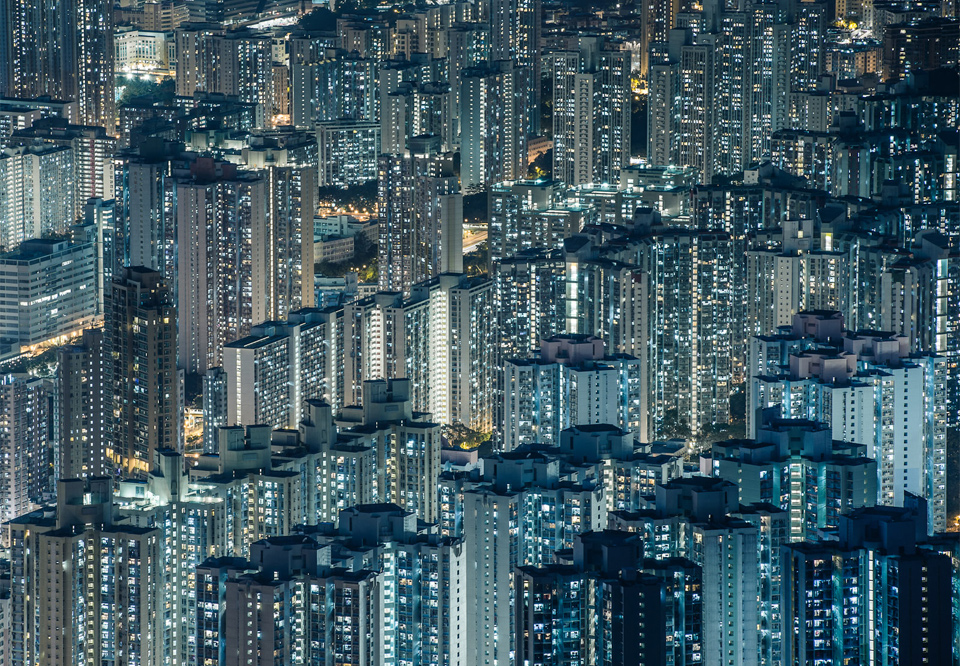
High population density and excessive vehicle traffic lead to crowded public spaces and congested streets. This overcrowding results in a visual overload, where multiple elements compete for attention, diminishing the overall visual comfort.
5. Light Pollution
Excessive or Inconsistent Lighting
Poorly designed lighting schemes that are overly bright or inconsistently placed create visual "noise" at night. Glare and shadows from excessive lighting disrupt the visual harmony and can cause discomfort to residents.
Impacts of Urban Visual Pollution
Aesthetic Degradation
Urban visual pollution undermines the aesthetic quality of cityscapes, making environments less attractive and cohesive. The presence of disruptive elements disrupts the visual narrative and can make urban areas appear chaotic and uninviting.
Psychological Stress
Cluttered and visually overwhelming environments can contribute to psychological stress among residents. The constant bombardment of conflicting visual stimuli can lead to feelings of anxiety and reduced mental well-being.
Reduced Quality of Life
The degradation of visual environments affects the overall quality of life by diminishing the pleasantness of daily experiences. Residents may feel less pride in their surroundings, and the visual decline can discourage outdoor activities and social interactions.
Distraction and Safety Concerns
Visual clutter, especially from advertisements and signage, can distract drivers and pedestrians, increasing the risk of accidents. The confusion caused by excessive signs and billboards can hinder navigation and create unsafe environments.
Management and Mitigation Strategies
Implementing Design Guidelines
Establishing and enforcing design guidelines for outdoor advertisements helps regulate the size, placement, and frequency of billboards and signs. Such regulations aim to balance commercial visibility with aesthetic considerations, reducing visual clutter.
Community Art Projects
Encouraging community-driven art projects can transform neglected and graffiti-laden spaces into culturally meaningful installations. These initiatives not only enhance visual appeal but also foster a sense of community ownership and pride.
Improved Waste Management
Enhancing waste management practices and maintenance schedules is crucial for reducing litter and preventing the accumulation of debris. Regular cleaning and timely waste disposal help maintain the cleanliness and visual order of urban areas.
Coordinated Urban Lighting
Designing urban lighting systems that minimize excessive brightness and light spillover ensures consistent and pleasant illumination. Thoughtful lighting design reduces visual noise and enhances the overall nighttime aesthetic of cities.
Examples of Urban Visual Pollution Objects
| Object | Impact | Mitigation Strategy |
|---|---|---|
| Billboards | Visual clutter and distraction | Implement size and placement regulations |
| Overhead Power Lines | Disrupt skyline aesthetics | Underground cabling where feasible |
| Graffiti | Aesthetic degradation and perceived neglect | Promote authorized street art and rapid removal of unauthorized graffiti |
| Litter and Trash | Visual mess and environmental concerns | Enhance waste management systems and public awareness campaigns |
| Neon Signs | Nighttime visual noise | Standardize lighting and limit brightness levels |
| Abandoned Vehicles | Indicate neglect and create visual disorder | Enforce removal policies and repurpose abandoned spaces |
Conclusion
Urban visual pollution objects significantly impact the aesthetic and psychological landscape of cities. The overabundance of advertisements, intrusive infrastructure, and neglected public spaces create environments that are visually chaotic and less conducive to well-being. Addressing these issues requires comprehensive urban planning, effective regulation, and community involvement. By implementing thoughtful design guidelines, enhancing waste management, and fostering positive community initiatives, cities can mitigate visual pollution and promote more harmonious and visually appealing urban environments. Ultimately, reducing visual pollution enhances the quality of life for residents and makes cities more attractive and sustainable for future generations.
References
Visual Pollution: Examples, Causes, and Characteristics
Visual Pollution: Causes, Consequences, and Characteristics
Contaminación Visual
Wikipedia: Visual Pollution
Visual Pollution and the Preservation of Aesthetic Places
IJMRA: Visual Pollution Document
Nature Article on Visual Pollution
MDPI Research on Visual Pollution
Last updated February 11, 2025