
Unlocking the Link: Do Rising US 10-Year Bond Yields Boost the Dollar?
Exploring the intricate relationship between Treasury yields and the strength of the US currency.
The connection between the yield on the benchmark US 10-year Treasury note and the value of the US dollar (USD) is a cornerstone topic in global finance. Investors, traders, and policymakers closely watch this relationship for clues about economic health, capital flows, and potential currency movements. Generally, there is a positive correlation: when US 10-year yields rise, the dollar tends to strengthen. Let's delve into why this happens and the factors involved.
Key Insights: Yields and the Dollar
- Positive Correlation: Higher US 10-year Treasury yields generally make US assets more attractive, increasing demand for the dollar and causing its value to appreciate against other currencies.
- Driving Mechanisms: This relationship is driven by factors like interest rate expectations (influenced by the Federal Reserve), perceived economic strength, inflation outlooks, and relative yield comparisons between the US and other nations.
- Investor Behavior: Increased yields attract foreign capital seeking better returns, leading investors to buy USD to purchase US bonds and other assets, thus boosting the dollar's value. Market psychology often reinforces this trend.
Why Rising Yields Often Mean a Stronger Dollar
The Magnetism of Higher Returns
At its core, the relationship hinges on the flow of capital. US Treasury bonds are considered among the safest investments globally. The yield on these bonds represents the return an investor receives.
Attracting Foreign Investment
When the yield on the US 10-year Treasury note increases, it signifies a higher return for holding this debt compared to holding cash or potentially lower-yielding bonds from other countries. International investors seeking the best risk-adjusted returns are naturally drawn to these higher yields. To purchase US Treasuries, these foreign investors must first buy US dollars, increasing demand for the currency in the foreign exchange markets. This heightened demand typically leads to an appreciation of the dollar's value relative to other currencies.
Yields as Economic Signals
Rising 10-year yields are often interpreted as a signal of underlying economic strength or rising inflation expectations.
- Economic Growth: A robust US economy might lead investors to anticipate higher future interest rates set by the Federal Reserve to manage growth and inflation. This expectation can push bond yields up and simultaneously make the dollar more attractive.
- Inflation Expectations: If yields rise due to expectations of higher inflation, investors might demand higher returns to compensate for the eroding purchasing power of future bond payments. This can also coincide with expectations of tighter monetary policy, supporting the dollar.
The Role of Monetary Policy and Interest Rates
The Federal Reserve's actions and communications heavily influence both bond yields and the dollar. When the Fed signals or implements tighter monetary policy (e.g., raising its target federal funds rate), short-term interest rates rise. This often pulls longer-term yields, like the 10-year Treasury yield, higher as well. Higher interest rates generally make holding a currency more appealing, as deposits and investments denominated in that currency offer better returns. Therefore, expectations or actions related to Fed tightening tend to boost both 10-year yields and the dollar.
Comparative Yields Matter
The attractiveness of US yields is relative. If US 10-year yields rise while yields in other major economies (like Germany or Japan) remain low or fall, the *yield differential* widens. This makes US assets significantly more appealing on a comparative basis, further channeling capital towards the US and strengthening the dollar.
Visualizing the Influences: A Radar Chart Perspective
While rising yields are a major factor, the dollar's value is influenced by a complex interplay of forces. The radar chart below illustrates the typical relative importance of various factors influencing the USD when US 10-year yields are increasing. A higher score indicates a stronger typical influence in favor of a higher dollar value during periods of rising yields.
As the chart suggests, while the direct impact of the yield increase and the resulting capital flows/interest rate differentials are highly significant, factors like overall economic growth projections, Fed policy stance, and inflation also play crucial roles. Global risk sentiment can sometimes override these factors; during major crises, the dollar might strengthen as a safe haven even if yields fall, though typically rising yields align with a stronger dollar.
Mapping the Connection: Yields to Dollar Value
The following mindmap provides a visual summary of the key elements connecting US 10-year Treasury yields to the value of the US dollar.
This mindmap illustrates how various economic triggers can lead to higher yields, which then activate mechanisms like increased asset attractiveness and capital inflows, ultimately boosting demand for and the value of the US dollar, while acknowledging other influencing factors.
Current Market Context (As of mid-April 2025)
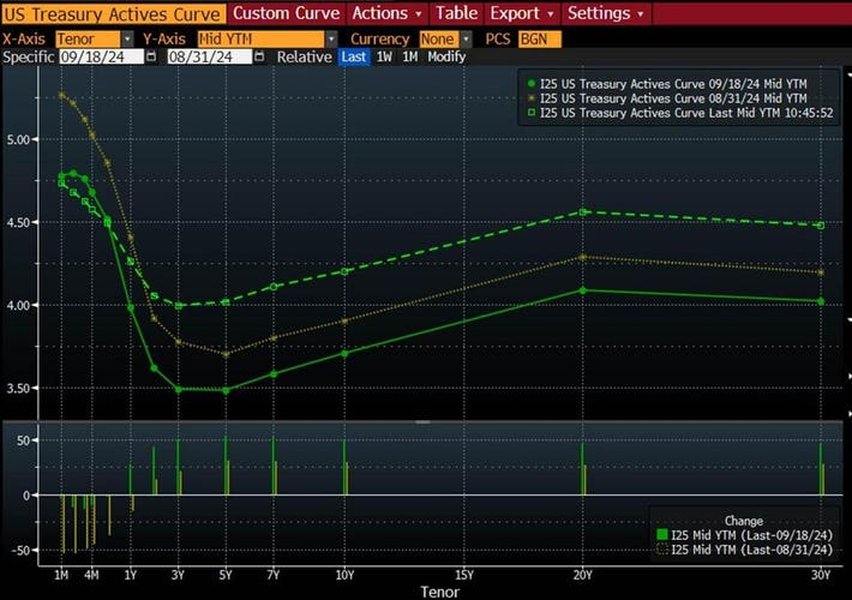
Recent market data places the US 10-year Treasury yield around the 4.48% to 4.50% mark. This level is considered relatively elevated compared to the lows seen in previous years and reflects ongoing adjustments to economic data, inflation trends, and expectations regarding Federal Reserve policy. Consistent with the principles discussed, periods where yields have trended higher in the recent past have often coincided with periods of dollar strength, as measured by indices like the US Dollar Index (DXY).

A visual representation of Treasury yield trends, often linked to broader economic indicators and currency movements.
Not Always a Perfect Correlation
It's important to recognize that while the positive correlation between US 10-year yields and the dollar is a strong tendency, it's not an absolute rule. Several factors can disrupt this relationship:
- Global Risk Aversion: During times of significant global stress or uncertainty, investors might flock to the US dollar as a "safe haven" currency, causing it to strengthen even if US yields are falling (as investors might also be buying Treasuries for safety, pushing yields down).
- Relative Global Growth: If other major economies are experiencing exceptionally strong growth and rising yields, capital might flow out of the US, weakening the dollar despite relatively high US yields.
- Market Positioning and Sentiment Shifts: Sometimes, market positioning becomes crowded, leading to reversals even if the underlying yield trend persists. Market psychology plays a significant role.
- Policy Divergence Complexity: The actions and expectations surrounding other major central banks (ECB, BoJ, BoE) also influence exchange rates significantly.
Research sometimes points to a statistically weak correlation when measured over long periods, precisely because these other factors frequently come into play. However, the fundamental economic logic linking higher relative yields to currency appreciation remains a key driver in foreign exchange markets.
Factors Influencing the Yield-Dollar Nexus
The table below summarizes the primary factors discussed and their typical impact on the relationship between rising US 10-year yields and the USD.
| Factor | Description | Typical Impact on USD when US 10Y Yields Rise |
|---|---|---|
| Interest Rate Differential | The difference between US interest rates (reflected in yields) and those of other major economies. | Positive: Wider differentials (US rates higher) strongly support USD appreciation. |
| Economic Growth Outlook (US) | Market perception of the strength and future prospects of the US economy. | Positive: Strong growth expectations often accompany rising yields and support the USD. |
| Federal Reserve Policy | Actions and communication regarding interest rates and quantitative easing/tightening. | Positive: Hawkish Fed stance (raising rates) typically drives both yields and USD higher. |
| Inflation Expectations | Market anticipation of future price level changes in the US. | Positive (Generally): Higher inflation often leads to expectations of Fed tightening, boosting yields and USD. However, runaway inflation could eventually be negative. |
| Capital Flows | Movement of investment funds into or out of US assets. | Positive: Rising yields attract inflows, increasing demand for USD. |
| Global Risk Sentiment | Investor appetite for risk versus safety. | Variable: Typically, rising yields occur in risk-on environments (negative for USD), but if yields rise due to US resilience while global risk is high, USD can benefit (safe haven). |
| Relative Global Yields | How US yields compare to yields in other developed markets (e.g., Eurozone, Japan). | Positive: Higher US yields relative to peers strongly supports the USD. |
Evolving Dynamics: A Closer Look
The relationship between Treasury yields and the US dollar is dynamic and can shift based on the prevailing economic narrative. Understanding these nuances is key for market participants. The following video explores some of these evolving correlations:
This video discusses how the traditional links between yields and currencies can sometimes break down or change, emphasizing the need to consider the broader context driving market movements rather than relying solely on historical correlations.
Frequently Asked Questions
What exactly is the US 10-Year Treasury Yield?
The US 10-year Treasury yield is the annual return investors expect to receive if they hold a US government bond for ten years. It's expressed as a percentage of the bond's face value. It's a crucial benchmark for global interest rates, influencing borrowing costs for mortgages, corporate loans, and other financial instruments worldwide. Yields move inversely to bond prices – when demand for bonds increases, prices rise, and yields fall, and vice versa.
Why do higher yields attract foreign investors?
Foreign investors seek the best possible returns for a given level of risk. US Treasury bonds are considered very safe. When their yields rise, they offer a more attractive return compared to potentially lower-yielding bonds in other countries or holding cash. This difference in potential return (yield differential) incentivizes investors to move their capital into US assets, requiring them to purchase US dollars first.
Is the relationship between yields and the dollar always direct?
No, not always. While higher yields generally support a stronger dollar, the correlation isn't perfect. Factors like global risk sentiment (where the dollar might act as a safe haven even if yields fall), the relative economic performance of other countries, sharp shifts in market psychology, or specific geopolitical events can sometimes cause the dollar and yields to move in opposite directions or decouple temporarily.
How does the Federal Reserve influence this relationship?
The Federal Reserve (the Fed) plays a crucial role through its monetary policy. By setting the federal funds rate and using tools like quantitative easing or tightening, the Fed influences interest rates across the economy. Actions or signals suggesting higher interest rates (a "hawkish" stance) tend to push Treasury yields up and attract capital, strengthening the dollar. Conversely, signals of lower rates ("dovish" stance) tend to lower yields and weaken the dollar.
References
- What Treasury Bond Yields Mean to the US Dollar - BabyPips.com
- Market Psychology Is Driving Strong Correlation Between US Dollar, Bond Yields - Investing.com
- About the US Dollar - OANDA Proptrader
-
Dollar, Treasuries and US 'exceptionalism' - Reuters
- 10 Year Treasury Rate - YCharts
- CBOE Interest Rate 10 Year T Note (^TNX) - Yahoo Finance
- Bond Yields and Currencies: Understanding the Relationship - Privalgo
Recommended Reading
Last updated April 14, 2025