
Unlock Your Path: Can You Seek Asylum in the U.S. Without Legal Status?
Navigating the complex U.S. asylum system when you lack documentation.
If you are currently in the United States without legal immigration status and fear returning to your home country due to potential persecution, you might be wondering if seeking asylum is possible. The short answer is yes, U.S. law allows individuals physically present in the country, regardless of how they entered or their current immigration status, to apply for asylum. However, the process involves specific requirements, strict deadlines, and navigating a complex legal landscape that is subject to change.
Essential Insights: Key Takeaways
- Eligibility Isn't Barred by Status: Entering the U.S. without inspection or overstaying a visa does not automatically disqualify you from applying for asylum, provided you meet the definition of a refugee.
- Two Primary Pathways Exist: You can apply either affirmatively with USCIS if not in removal proceedings, or defensively before an immigration judge if you are facing deportation.
- The One-Year Deadline is Critical: Generally, you must file your asylum application (Form I-589) within one year of your last arrival in the U.S., though important exceptions exist.
Understanding Asylum Eligibility
Who Can Apply for Asylum?
To be eligible for asylum in the United States, you must demonstrate that you meet the legal definition of a refugee. This means proving you have suffered persecution in the past or have a "well-founded fear" of future persecution in your home country based on one of five protected grounds:
- Race
- Religion
- Nationality
- Membership in a particular social group
- Political opinion
Crucially, your current immigration status—whether you entered without documents, overstayed a visa, or are otherwise undocumented—does not, by itself, prevent you from applying for asylum. The primary requirements are physical presence within the U.S. when you apply and meeting the persecution standard.
The Critical One-Year Filing Deadline
Why Timing Matters
A significant hurdle for many asylum seekers is the requirement to file Form I-589, Application for Asylum and for Withholding of Removal, within one year of their last arrival in the United States. Missing this deadline can result in your application being barred unless you can prove specific exceptions apply.
Exceptions to the Deadline
Exceptions to the one-year rule exist and fall into two main categories:
- Changed Circumstances: This applies if conditions in your home country have significantly changed since your arrival in the U.S., materially affecting your eligibility for asylum, or if changes in your personal circumstances now make you eligible (e.g., converting to a persecuted religion).
- Extraordinary Circumstances: This covers situations beyond your control that prevented timely filing, such as serious illness or mental/physical disability, legal disability (like being an unaccompanied minor), ineffective assistance of counsel (under specific conditions), or maintaining valid status until shortly before filing.
Demonstrating that an exception applies requires substantial evidence and documentation. Filing as soon as possible after arrival is always recommended.
Navigating the Asylum Pathways
Individuals without legal status typically pursue asylum through one of two distinct processes: Affirmative Asylum or Defensive Asylum.
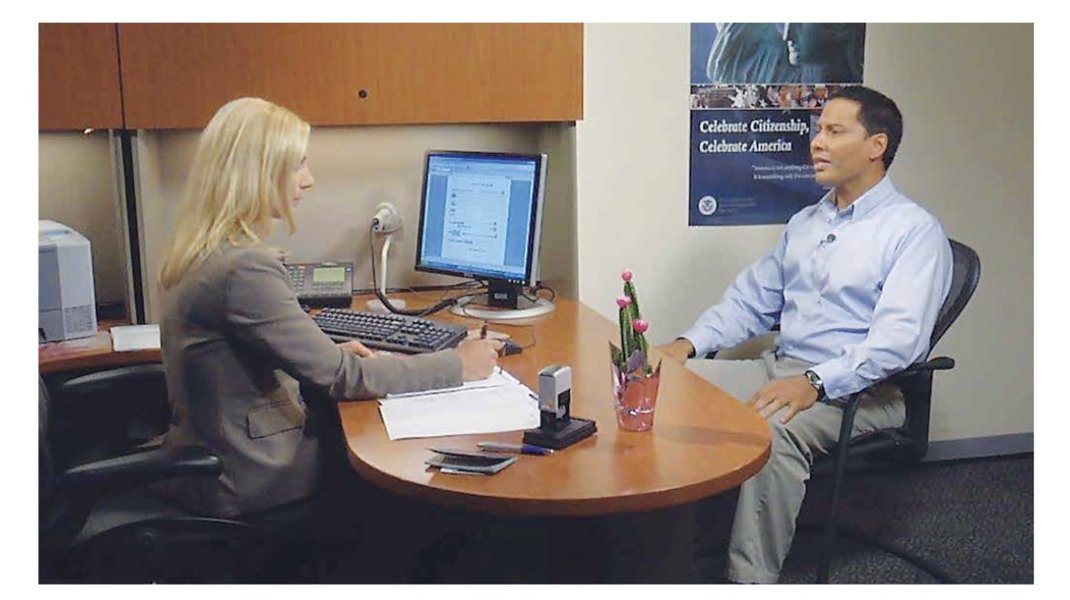
An asylum office, where affirmative asylum interviews often take place.
1. The Affirmative Asylum Process
Who Uses This Path?
The affirmative process is for individuals who are physically present in the U.S. and are not currently in removal (deportation) proceedings before an immigration court. This is often the path for those who entered the U.S. and decided to seek protection before encountering immigration enforcement.
How it Works
- Filing Form I-589: You submit Form I-589 directly to U.S. Citizenship and Immigration Services (USCIS). This must generally be done within the one-year deadline.
- Biometrics Appointment: USCIS will schedule you for fingerprinting and background checks.
- Asylum Interview: You will attend an interview with a trained USCIS Asylum Officer. During this non-adversarial interview, you will explain your fear of persecution and answer questions about your application and evidence. You have the right to bring an attorney and, if needed, an interpreter (though USCIS may provide one under certain policies).
- Decision: The Asylum Officer reviews your case.
- Approval: If granted, you receive asylum status, protection from removal, and can apply for work authorization immediately (often issued at no cost initially). After one year, you can apply for a Green Card (lawful permanent residence).
- Referral to Court: If the Asylum Officer does not grant asylum and you lack underlying legal status, your case is typically referred to the immigration court. You then enter the defensive asylum process.
Applying affirmatively helps ensure the one-year deadline is met and provides an initial opportunity to present your case outside the formal court setting.
2. The Defensive Asylum Process
Who Uses This Path?
The defensive process is for individuals who are currently in removal proceedings before an immigration judge in immigration court. This often happens if someone:
- Was apprehended by immigration enforcement (e.g., ICE or CBP) within the U.S. or at the border.
- Was placed in expedited removal proceedings but expressed a fear of return, passed a Credible Fear Interview, and was referred to court.
- Applied affirmatively, was not granted asylum by USCIS, and was referred to court because they lack legal status.
How it Works
- Court Proceedings: Your case is managed by the Executive Office for Immigration Review (EOIR).
- Filing Form I-589: You (or your attorney) file Form I-589 directly with the immigration court as a defense against removal.
- Individual Merits Hearing: You present your asylum claim before an Immigration Judge during a formal hearing. This is an adversarial process where a government attorney (from ICE) may challenge your claim and cross-examine you.
- Decision: The Immigration Judge makes a decision.
- Approval: If granted, you receive asylum status. You can then apply for an EAD by filing Form I-765.
- Denial: If denied, the judge may order your removal (deportation). You generally have the right to appeal the decision to the Board of Immigration Appeals (BIA).
Defensive asylum is pursued as a way to prevent deportation when already facing removal.
Understanding the Asylum Journey: Key Stages and Considerations
The visual mindmap below outlines the core elements involved when an undocumented individual seeks asylum in the U.S., highlighting the pathways, critical deadlines, and potential outcomes.
for Undocumented Individuals"] id1["Eligibility"] id1a["Physical Presence in U.S."] id1b["Fear of Persecution
(Race, Religion, Nationality, Social Group, Political Opinion)"] id1c["Status (Undocumented) Not a Bar"] id2["Critical Filing Deadline"] id2a["File Form I-589 Within 1 Year of Arrival"] id2b["Exceptions"] id2b1["Changed Circumstances"] id2b2["Extraordinary Circumstances"] id3["Main Asylum Pathways"] id3a["Affirmative Asylum"] id3a1["File with USCIS"] id3a2["Not in Removal Proceedings"] id3a3["Asylum Interview"] id3a4["Outcome: Grant or Referral to Court"] id3b["Defensive Asylum"] id3b1["File with Immigration Court"] id3b2["In Removal Proceedings"] id3b3["Merits Hearing Before Judge"] id3b4["Outcome: Grant or Denial/Removal Order"] id4["Key Procedures & Considerations"] id4a["Form I-589 (Application)"] id4b["Credible Fear Interview
(If apprehended near border)"] id4c["Work Authorization (EAD)
(After 150 days pending)"] id4d["Gathering Evidence"] id4e["Legal Representation Crucial"] id5["Potential Challenges (2025+)"] id5a["Policy Changes (e.g., Project 2025)"] id5b["Expedited Removal Expansion"] id5c["New Registration Requirements"] id5d["Processing Backlogs"] id6["Other Potential Relief"] id6a["Temporary Protected Status (TPS)"] id6b["Cancellation of Removal"] id6c["VAWA (Violence Against Women Act)"] id6d["Withholding of Removal / CAT"]
This mindmap provides a high-level overview. Each stage involves detailed legal requirements and procedures best navigated with professional guidance.
Comparing Affirmative and Defensive Asylum Factors
While the underlying eligibility criteria for asylum are the same, the context and procedural realities of the affirmative versus defensive pathways can differ. The radar chart below offers a hypothetical comparison of factors that might influence an applicant's experience in each process. Scores range from 2 (Lower Influence/Control/Risk) to 9 (Higher Influence/Control/Risk), with the axis minimum set at 1 for clarity.
This chart illustrates general tendencies: Affirmative applicants often have more initial control but less direct access to a judge initially, while defensive applicants face higher detention risks and are immediately subject to court procedures and potentially stricter border policies, but have guaranteed judicial review. The need for legal assistance and procedural complexity are high in both paths.
Affirmative vs. Defensive Asylum: A Side-by-Side Look
To further clarify the differences, the table below summarizes key aspects of the two main asylum processes available to undocumented individuals:
| Feature | Affirmative Asylum | Defensive Asylum |
|---|---|---|
| Who Applies? | Individuals physically present in the U.S., not in removal proceedings. | Individuals in removal proceedings before an Immigration Judge. |
| Where to File Form I-589? | U.S. Citizenship and Immigration Services (USCIS) Service Center. | The Immigration Court handling the removal proceedings. |
| Initial Review / Key Step | Non-adversarial interview with a USCIS Asylum Officer. | Adversarial merits hearing before an Immigration Judge. |
| Primary Decision Maker | USCIS Asylum Officer. | Immigration Judge (EOIR). |
| Outcome if Denied (Initial Stage) | Case is typically referred to Immigration Court (start of defensive process) if applicant lacks legal status. | Immigration Judge issues a removal order (deportation), which can be appealed to the BIA. |
| Work Permit Eligibility (Initial Application) | Can apply after application is pending for 150 days with no decision. Granted asylees receive EAD. | Can apply after application is pending for 150 days with no decision. Granted asylees apply via Form I-765. |
Key Procedural Steps and Considerations

Preparation is key for asylum interviews and hearings.
Credible Fear Interviews
If you are apprehended at or near the border or a port of entry without proper documents and express a fear of returning to your country, you will likely undergo a Credible Fear Interview (CFI) with a USCIS Asylum Officer. This is a screening process to determine if you have a "significant possibility" of establishing eligibility for asylum. A positive finding allows you to present your case fully in immigration court (defensive asylum). A negative finding can lead to expedited removal, though review options exist.
Applying for Work Authorization (EAD)
Asylum applicants generally become eligible to apply for an Employment Authorization Document (EAD), or work permit, 150 days after USCIS or the immigration court receives their complete asylum application (Form I-589). USCIS cannot *grant* the EAD until the application has been pending for a total of 180 days (known as the "180-day Asylum EAD Clock"). Delays caused by the applicant can stop this clock. As of late 2023, USCIS began issuing EADs valid for 5 years to certain applicants, including those with pending asylum applications, though policy changes could affect future validity periods. If asylum is granted, you are authorized to work immediately.
Gathering Strong Evidence
Regardless of the pathway, a successful asylum claim depends heavily on credible testimony and strong supporting evidence. This can include:
- Detailed personal statements (declarations) explaining your experiences and fears.
- Identity documents.
- Proof of nationality, ethnicity, religion, group membership, or political activity.
- News articles, human rights reports (e.g., from the State Department, Amnesty International, Human Rights Watch) describing conditions in your country.
- Affidavits from witnesses or experts.
- Medical or psychological evaluations, if applicable.
- Police reports or court documents related to the persecution.
Organizing and presenting this evidence effectively is critical.
The U.S. Asylum Process Explained
Navigating the U.S. asylum system can be daunting. The video below provides a step-by-step overview of both the affirmative and defensive asylum processes, offering valuable insights into what applicants can expect.
This guide covers the fundamental steps involved in applying for asylum, from filing the initial application to understanding the different potential outcomes. It highlights key aspects relevant to anyone considering seeking asylum in the U.S., regardless of their entry method.
Current Policy Landscape and Potential Challenges (April 2025)

The U.S. immigration and asylum system faces ongoing policy debates and changes.
The environment for asylum seekers in the U.S. is dynamic and influenced by policy shifts. As of early 2025, several developments are relevant:
- Expedited Removal Expansion: Effective January 21, 2025, the Department of Homeland Security expanded the use of expedited removal nationwide. This allows immigration officers to deport certain individuals encountered anywhere in the U.S. (who cannot prove continuous presence for two years) quickly, without a full court hearing. However, individuals expressing fear of return should still be referred for a credible fear screening.
- New Registration Requirement: A registration requirement for certain undocumented immigrants began on April 11, 2025. While details may vary, such programs often carry risks, including potential detention or initiation of removal proceedings.
- Project 2025 Proposals: Policy proposals associated with initiatives like Project 2025 suggest potential future changes aimed at significantly restricting asylum access. These include ideas like barring asylum applications at the border, increasing mass deportations and detention, dismantling protections for specific groups, and potentially reinstating policies like "Remain in Mexico."
- TPS Updates: Temporary Protected Status (TPS) designations for various countries continue to be reviewed. For instance, expiration dates for countries like Haiti, Afghanistan, and Cameroon were announced for mid-to-late 2025, requiring timely re-registration for beneficiaries.
- Processing Backlogs: Significant backlogs persist at USCIS and the immigration courts, leading to long waits for interviews and hearings.
Given these complexities and potential changes, staying informed and acting promptly is crucial for asylum seekers.
Exploring Other Immigration Options
While asylum is a vital form of protection, it's not the only potential option for individuals fearing return to their home country or seeking status in the U.S. Depending on your circumstances, other forms of relief might be available, sometimes pursued alongside or as an alternative to asylum:
- Withholding of Removal & Convention Against Torture (CAT) Protection: Requested on the same Form I-589, these offer protection from deportation to countries where it's "more likely than not" the applicant would face persecution (withholding) or torture (CAT). The standard of proof is higher than for asylum, and these statuses do not typically provide a path to a Green Card or the ability to travel internationally.
- Temporary Protected Status (TPS): If your home country is designated for TPS due to unsafe conditions (e.g., war, natural disaster), you may be eligible to apply. TPS grants temporary permission to live and work in the U.S. but does not lead directly to permanent residency. You can hold TPS and pursue asylum simultaneously.
- Cancellation of Removal: For certain undocumented individuals in removal proceedings who have lived continuously in the U.S. for at least 10 years, have good moral character, haven't committed certain crimes, and can prove their removal would cause "exceptional and extremely unusual hardship" to a qualifying U.S. citizen or lawful permanent resident relative (spouse, parent, or child). This is a high bar to meet.
- Violence Against Women Act (VAWA): Allows certain victims of domestic violence, child abuse, or elder abuse perpetrated by a U.S. citizen or lawful permanent resident spouse, parent, or adult child to self-petition for immigration status.
- U Visa / T Visa: For victims of certain serious crimes (U Visa) or human trafficking (T Visa) who cooperate with law enforcement.
Eligibility for these options is highly fact-specific, making legal consultation essential.
The Importance of Legal Guidance
Navigating the U.S. asylum system is complex. Laws, regulations, and policies frequently change, and application procedures are intricate. Missing deadlines, submitting incomplete applications, or failing to present sufficient evidence can lead to denial and potential deportation. Having a qualified immigration attorney or accredited representative significantly increases the chances of success. They can help you:
- Determine your eligibility for asylum and other relief.
- Meet the one-year filing deadline or argue for an exception.
- Prepare and file Form I-589 accurately and completely.
- Gather and organize crucial supporting evidence.
- Prepare you for interviews or court hearings.
- Represent you before USCIS or the Immigration Judge.
- Navigate appeals if necessary.
Many non-profit organizations offer free or low-cost legal services to asylum seekers.
Frequently Asked Questions (FAQ)
Can I apply for asylum if I entered the U.S. illegally?
Yes. The manner of your entry into the United States (e.g., crossing the border without inspection) does not automatically disqualify you from applying for asylum. You must still meet the eligibility requirements, including demonstrating a well-founded fear of persecution and generally filing within one year of arrival.
What happens if I missed the one-year filing deadline?
If you file Form I-589 more than one year after your last arrival, you must demonstrate that you qualify for an exception due to either "changed circumstances" materially affecting your eligibility or "extraordinary circumstances" that prevented timely filing. Proving an exception requires strong evidence and is often complex. If you cannot prove an exception, your asylum application may be denied based on the deadline, although you might still be considered for other protections like Withholding of Removal or CAT protection which do not have the same deadline.
What happens if my affirmative asylum application is denied by USCIS?
If you applied affirmatively with USCIS and your application is not granted, and you do not have legal immigration status in the U.S., USCIS will typically issue a Notice to Appear (NTA). This document places you in removal proceedings before an Immigration Judge. You will then have a second chance to pursue your asylum claim defensively in immigration court.
Can I work legally in the U.S. while my asylum case is pending?
Generally, yes, but not immediately. You can apply for an Employment Authorization Document (EAD) 150 days after your complete asylum application (Form I-589) has been properly filed and received by USCIS or the immigration court. USCIS can grant the EAD once your application has been pending for 180 days, provided you haven't caused delays in your case. Once granted asylum, you are immediately authorized to work.
Does seeking asylum protect me from deportation immediately?
Filing an asylum application does not automatically grant you protection from deportation or legal status. However, once you have a pending asylum application, you generally cannot be removed from the U.S. until a final decision is made on your case (either by USCIS or an immigration judge, including appeals). If you are already in removal proceedings, filing for asylum acts as a defense against removal while the case is adjudicated.
Recommended Reading
- Explore the specific exceptions that allow filing for asylum after one year in the U.S.
- Understand the differences between asylum, withholding of removal, and CAT protection.
- Learn more about how the expansion of expedited removal impacts those seeking asylum.
- Discover resources for finding free or low-cost legal representation for asylum seekers.
References
Last updated April 29, 2025