
Unlocking the Trapped Workforce: Navigating Career Mobility in the U.S.
Addressing the multifaceted challenges to career advancement and fostering a dynamic, resilient workforce.
Key Insights into U.S. Career Mobility
- Systemic Barriers Persist: Millions of U.S. workers face significant obstacles like skill mismatches, lack of access to essential support services (childcare, transportation), and issues with credential recognition, particularly for skilled immigrants and individuals with criminal records.
- Organizational Inertia and Manager Resistance: Many companies struggle with rigid structures, poor internal communication, and managers reluctant to support employee transfers, leading to underutilized talent and increased turnover.
- Integrated Solutions are Imperative: Fixing career mobility requires a comprehensive approach involving robust internal mobility programs, continuous learning investments, technology adoption, policy reforms, and a cultural shift towards prioritizing growth and inclusion.
Career mobility, broadly defined, encompasses an individual's progression within their professional life. This can manifest as upward promotions, lateral moves to different roles, gaining new responsibilities, or transitioning between employers and even industries. In essence, it's about aligning employee aspirations with organizational needs, benefiting both. However, as of June 2025, the landscape of career mobility in the United States is fraught with significant challenges that impede this crucial progression, impacting millions of workers and the broader economy.
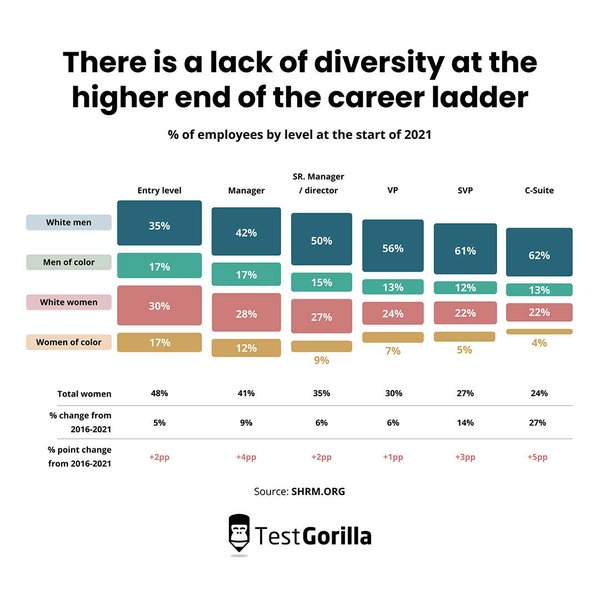
Navigating the corporate pipeline: a visual metaphor for career progression and diversity challenges.
The Current Obstacles to Career Mobility in the U.S.
The challenges hindering career mobility in the U.S. are complex and interconnected, stemming from systemic, organizational, and individual factors. These barriers contribute to workforce stagnation, talent underutilization, and substantial economic costs due to high turnover.
Systemic and Socioeconomic Hurdles
Credential Transfer and Legal Status Issues
A significant impediment, particularly for skilled immigrants, is the struggle to transfer professional credentials, navigate complex licensing processes, and resolve legal status requirements. This often results in "brain waste," where highly qualified individuals are forced into low-skilled jobs, unable to leverage their expertise. Similarly, individuals with criminal records face severe limitations on employment opportunities, with an estimated 70 million Americans impacted, leading to substantial lost wages and restricted economic advancement.
Access to Essential Work Supports
For many, particularly low-wage workers and marginalized populations, basic necessities like affordable childcare, reliable transportation, and stable housing remain significant barriers. These logistical challenges can prevent individuals from accessing, sustaining, or advancing in quality jobs, creating a cycle of limited mobility.
Skill Mismatches and Educational Gaps
The rapid pace of technological advancement and automation has created a persistent gap between the skills employers need and those possessed by the workforce. Many workers, even recent college graduates, feel underqualified for entry-level positions, while employers struggle to find candidates with the necessary digital competencies and emerging technology skills (e.g., AI utilization). This mismatch is a primary driver of career stagnation, necessitating continuous upskilling and reskilling efforts.
Organizational and Cultural Roadblocks
Managerial Resistance and Lack of Clear Pathways
Within organizations, a prevalent barrier is managerial resistance to internal mobility. Managers often hesitate to let go of high-performing team members due to short-term productivity concerns or a lack of incentives to support internal transfers. Compounding this, many companies lack clear, communicated career pathways, leaving employees unaware of internal job postings, growth opportunities, or how their skills align with different roles within the organization.
Limited Availability of Growth Opportunities and Stagnation
A major concern cited by employees is the sheer lack of available positions for advancement or transition, leading to career stagnation. This absence of professional development and growth opportunities is projected to be a top reason for employee turnover by 2025. Employees, especially younger generations, seek long-term careers with visible growth trajectories and are increasingly willing to leave if they feel stuck.
Resource Constraints and Organizational Structure
Internal factors such as resource limitations and rigid organizational structures can hinder the effective implementation of career mobility initiatives. Companies may not allocate sufficient budgets for training, development programs, or dedicated internal mobility functions, further exacerbating the problem.
Broader Economic and Labor Market Disconnects
Despite a general hiring appetite, there's a notable disconnect in sentiment between employers and workers regarding economic conditions, internal mobility, and career development opportunities. The overall U.S. labor market has seen a decline in job mobility, particularly among young workers, although this trend has stabilized for those over 25. Economic uncertainty and potential recession risks also discourage investment in employee development and internal movement, contributing to a less dynamic workforce.
Strategies to Foster Enhanced Career Mobility
Addressing these complex challenges requires a concerted, multifaceted approach involving organizations, policymakers, and individuals. The solutions aim to create accessible pathways for skill development, dismantle systemic barriers, and cultivate a culture that prioritizes growth and opportunity.
For Organizations: Cultivating an Agile Workforce
Designing Formal Career Mobility Programs
Companies must establish structured programs that offer clear internal pathways for employees to move laterally, upward, or even temporarily into different projects to build diverse skills. These programs should include education, training, and skilling opportunities, crucial for both career advancement and building internal talent pipelines. Organizations with high internal mobility often see employees stay twice as long, significantly reducing recruitment and onboarding costs.
Investing in Continuous Learning and Development
To bridge skill gaps and adapt to evolving market demands, organizations should prioritize continuous learning. This includes:
- Targeted Training Programs: Offer specialized training in high-demand areas like data analytics, cloud computing, digital communication, and AI utilization.
- Educational Assistance: Support employees in pursuing further education or certifications.
- Learning Experience Platforms (LXPs): Utilize robust platforms that provide personalized content and learning paths tailored to specific career opportunities, making learning accessible and engaging.
Cultivating a culture of lifelong learning is foundational for sustaining career mobility.
Fostering a Culture of Internal Mobility
Overcoming managerial resistance is critical. Organizations must:
- Empower Managers: Provide training and incentives for managers to support employee development and internal movement, recognizing that talent hoarding is detrimental to long-term organizational health.
- Clear Communication: Transparently communicate internal opportunities and career paths, ensuring employees are aware of available roles and how their skills translate.
- Mentoring and Coaching: Implement formal mentoring and coaching programs to guide employees through their career journeys, helping them identify and develop new skills.
- Recognition and Incentives: Recognize and reward employees for their growth and successful internal moves to motivate others and reinforce the value of mobility.
Leveraging Technology for Talent Marketplaces
AI-powered talent marketplaces and career pathing tools can revolutionize internal mobility. These platforms match employee skills, interests, and preferences to internal job opportunities (new roles, temporary assignments, projects), enhancing transparency and streamlining the process. They can provide valuable insights into workforce capabilities and significantly improve retention rates by making career trajectories visible and attainable.
This radar chart illustrates the perceived impact of various interventions on career mobility challenges, based on a synthesized expert consensus. The outer perimeter signifies a higher positive impact.
For Policymakers and Broader Initiatives: Addressing Systemic Issues
Streamlining Credential Recognition and Legal Processes
For skilled immigrants, simplifying the process of transferring foreign credentials and licenses is vital. This includes establishing clear, transparent pathways for recognizing international qualifications and providing accessible, affordable training or retraining programs alongside career counseling.
Expanding Access to Essential Work Supports
Policymakers must invest in expanding access to affordable childcare, reliable public transportation, and housing assistance. These crucial supports reduce external barriers, enabling more individuals, especially those from marginalized communities, to access and thrive in quality jobs.
Investing in Workforce Development Programs
Public-private partnerships and government-funded initiatives should focus on employer-driven regional workforce education and training systems. These programs must lead to quality jobs and provide wraparound services, including career guidance, transportation, and childcare, ensuring holistic support for job seekers.
Unified Approach: Data-Driven and Inclusive
A critical component across all solutions is the commitment to data-driven decision-making. Regularly analyzing skills gaps, career progression metrics, and employee feedback allows organizations and policymakers to tailor mobility programs effectively. This also involves identifying systemic barriers within companies and the broader labor market to take targeted action.
Moreover, all mobility initiatives must embrace diversity and inclusion. This means specifically targeting underrepresented groups, addressing cultural and cross-cultural barriers, and creating inclusive policies, such as flexible work arrangements, to ensure equitable access to opportunities for all.
The Multifaceted Approach to Enhancing Career Mobility
Successfully addressing career mobility challenges requires a comprehensive strategy that spans organizational policies, technological adoption, and societal-level interventions. The table below summarizes key areas of intervention and their specific approaches.
| Challenge Area | Organizational Solutions | Policy/Systemic Solutions | Expected Outcome |
|---|---|---|---|
| Skill Mismatches & Gaps | Targeted training programs, LXPs, educational assistance | Employer-driven workforce development programs, public-private partnerships | Increased workforce competency, reduced skill gaps |
| Organizational Resistance & Lack of Pathways | Formal internal mobility programs, manager empowerment, clear communication, AI talent marketplaces | Data dissemination for career info, promoting best practices | Higher internal talent utilization, reduced turnover |
| Systemic Barriers (e.g., credentials, childcare, transport) | Diversity & inclusion programs, flexible work arrangements | Streamlined credential transfer, expanded access to childcare/transport/housing, support for marginalized job seekers | Greater access to quality jobs for all, reduced "brain waste" |
| Career Stagnation & Employee Turnover | Continuous learning culture, mentoring, recognition, career pathing tools | Investment in job training and support services | Improved employee engagement, higher retention rates |
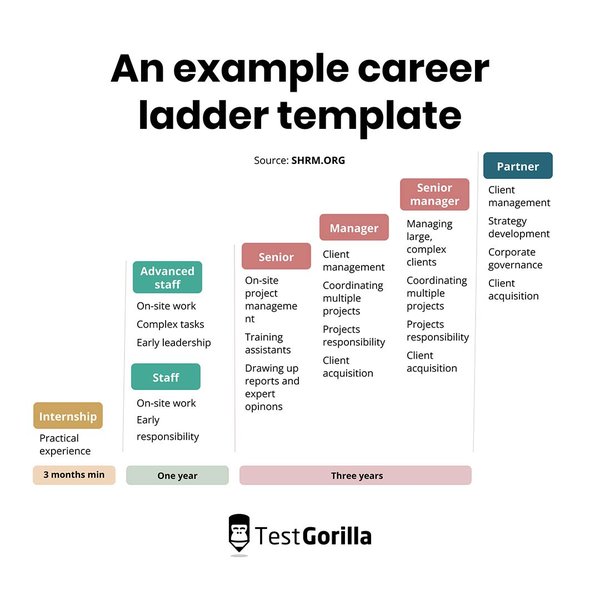
Visualizing the career ladder: a structured path to professional advancement.
Visualizing the Interconnectedness of Career Mobility Elements
To better understand the various facets of career mobility and their interdependencies, consider the following mindmap. It highlights the core concept of career mobility, the key challenges currently faced in the U.S., and the strategic solutions required from both organizational and systemic perspectives.
One of the most effective ways to address career mobility challenges is through robust internal mobility programs. The following video offers an insightful discussion on the importance of internal mobility and strategies for successful implementation within organizations, highlighting how companies can build a strong workforce from within.
This video from Eightfold discusses why companies often fail at internal mobility and provides practical ways to improve it, emphasizing the importance of internal talent development.
Frequently Asked Questions
What is career mobility?
Why is career mobility important for employees and organizations?
How does economic uncertainty impact career mobility?
What are "skill mismatches" in the context of career mobility?
Can technology truly enhance career mobility?
Conclusion
The challenges with career mobility in the United States are deep-rooted, involving a complex interplay of systemic barriers, organizational inertia, and individual skill gaps. From issues of credential recognition for skilled immigrants to the lack of affordable childcare and manager resistance to internal talent movement, these obstacles collectively hinder millions of workers from reaching their full potential. However, the path forward is clear: a comprehensive and collaborative effort is required. By implementing robust internal mobility programs, fostering a culture of continuous learning, leveraging advanced technologies like AI-powered talent marketplaces, and addressing systemic barriers through policy reforms, the U.S. can cultivate a more dynamic, engaged, and resilient workforce. This not only benefits individual career trajectories but also strengthens the overall economic landscape, driving innovation and productivity across industries.
Recommended Further Exploration
- How will artificial intelligence shape future workforce development strategies?
- What are the most effective employee retention strategies in a competitive labor market?
- What government policies are currently supporting upskilling and reskilling initiatives in the U.S.?
- Can you provide case studies of companies with highly successful internal mobility programs?