
Exposing Silicon Secrets: Major U.S. Cases Against Chinese Semiconductor Espionage
From industrial spies to stolen microchip designs, these high-profile federal prosecutions reveal China's systematic pursuit of American semiconductor technology
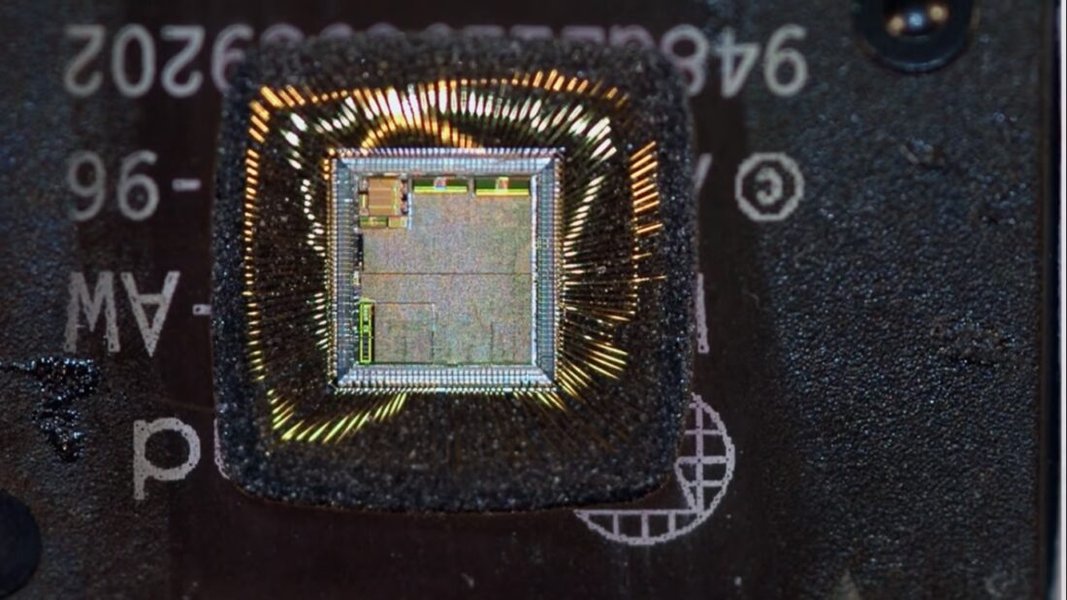
Key Insights into Semiconductor Trade Secret Theft
- Economic Impact: Trade secret theft in the semiconductor industry has cost U.S. companies billions in intellectual property losses and competitive advantage
- State Involvement: Several cases demonstrate direct connections to Chinese government entities or state-owned enterprises
- Technological Focus: Cases target advanced technologies including FBAR filters, DRAM memory, analog circuits, and microprocessor designs
Major U.S. Federal Cases (2000-2025)
The following cases represent the most significant U.S. federal prosecutions involving semiconductor-related trade secret theft or economic espionage with connections to China over the past two decades:
Hao Zhang Case (2015-2020)
In June 2020, Hao Zhang, a Chinese national, was convicted of economic espionage, theft of trade secrets, and conspiracy. Zhang stole proprietary semiconductor technology from two U.S. companies:
- Targeted Avago Technologies (now Broadcom) and Skyworks Solutions
- Stole FBAR (Film Bulk Acoustic Resonator) technology critical for wireless devices
- Collaborated with Tianjin University (TJU) to establish a competing FBAR fabrication facility in China
- Sentenced to 18 months in prison and ordered to pay $476,835 in restitution
Fujian Jinhua & UMC Case (2018-2024)
This high-profile case exemplifies the complex nature of semiconductor trade secret theft involving multinational companies:
- United Microelectronics Corporation (UMC), a Taiwanese semiconductor foundry, pleaded guilty to criminal trade secret theft in 2020
- UMC paid a $60 million fine and agreed to cooperate in the investigation against Fujian Jinhua
- Fujian Jinhua Integrated Circuit Co., a Chinese state-owned enterprise, was accused of stealing DRAM technology from Micron Technology
- In February 2024, Fujian Jinhua was found not guilty after a non-jury trial
Peter Kisang Kim (2021)
Broadcom Microprocessor Technology Theft
In November 2021, Peter Kisang Kim, a former Broadcom employee, was charged with theft of trade secrets before starting at a Chinese-based microprocessor company:
- Allegedly stole microchip designs used in high-volume data centers
- Took proprietary semiconductor designs as he transitioned to a director position at a Chinese startup
- Case highlighted the vulnerabilities during employee transitions between competing companies
Yanjun Xu (2021)
First Chinese Intelligence Officer Extradited to U.S.
In November 2021, Yanjun Xu, a Chinese national and Deputy Division Director of the Jiangsu Province Ministry of State Security, was convicted of economic espionage:
- First Chinese intelligence officer ever to be extradited to the United States for trial
- Convicted of conspiring and attempting to commit economic espionage and theft of trade secrets
- Targeted aviation companies but case revealed broader efforts to acquire semiconductor technology
Haoyang Yu (2019-2022)
Haoyang Yu, a Chinese-born naturalized U.S. citizen, was sentenced for possessing a stolen semiconductor prototype:
- Stole proprietary designs for the HMC1022A microchip from Analog Devices, Inc. (ADI)
- The stolen technology was used in aerospace and defense applications
- Charged with selling and illegally exporting integrated circuits incorporating ADI's trade secrets
- Created a company called Tricon MMIC to commercialize the stolen designs
Xu Jiaqiang (2015-2016)
Xu Jiaqiang, a Chinese national, pleaded guilty to economic espionage and theft of trade secrets:
- Stole proprietary source code from his former employer (IBM)
- Intended to benefit the National Health and Family Planning Commission of the People's Republic of China
- Case demonstrated targeting of software underlying semiconductor operations
Fei Ye and Ming Zhong (2001-2006)
One of the earliest economic espionage cases involving semiconductors and China:
- Arrested on November 23, 2001, while boarding a flight to China
- Stole trade secrets related to computer microprocessor designs from their employers
- Planned to benefit the City of Hangzhou and Province of Zhejiang in China
- Pleaded guilty to two counts each of economic espionage in 2006
- First convictions under the Economic Espionage Act of 1996
Lan Lee and Yuefei Ge (2006-2010)
This case ended with dismissal but highlighted early concerns about semiconductor espionage:
- Engineers charged with economic espionage for stealing microchip designs from NetLogic Microsystems
- Allegedly intended to benefit the Chinese military
- Indictment was dismissed in its entirety by U.S. District Judge James Ware in 2010
Walter Liew (2014)
Walter Liew, a U.S. citizen, was convicted of economic espionage and theft of trade secrets:
- Stole trade secrets from DuPont related to titanium dioxide production (used in semiconductor manufacturing)
- Sold the technology to state-owned companies in China
- Sentenced to 15 years in prison, highlighting the severe penalties for economic espionage
Technology Targets and Case Patterns
| Technology Type | Number of Cases | Primary Applications | Strategic Value |
|---|---|---|---|
| Wireless/RF Components | 2 | Smartphones, Communications | High |
| Memory (DRAM) | 1 | Computing, Data Centers | Critical |
| Microprocessor Design | 3 | Computing, AI, Mobile | Critical |
| Analog/Mixed-Signal | 2 | Defense, Aerospace | National Security |
| Manufacturing Processes | 1 | Foundry Operations | High |
Timeline of Major Cases
The chart above shows a significant increase in prosecutions during the 2016-2020 period, coinciding with heightened U.S.-China technology tensions and the U.S. Department of Justice's China Initiative launched in 2018.
Patterns and Strategic Implications
The mindmap above illustrates the primary patterns observed across these cases, highlighting the strategic approaches, targeted technologies, and key actors involved in semiconductor trade secret theft.
Case Study: The Evolving Nature of Semiconductor Espionage
The progression of cases from 2000 to 2025 reveals an evolution in tactics and sophistication:
- Early cases (2001-2006) involved physical theft of documents and designs
- Mid-period cases (2010-2015) showed greater coordination with Chinese institutions
- Recent cases (2016-2025) demonstrate more sophisticated operations, often involving coordinated recruitment of specialists
- State involvement has become increasingly apparent, with direct links to Chinese government entities
Technological Progression
The cases also show a strategic progression in technological targets:
- Initial focus on basic processor designs and manufacturing processes
- Later emphasis on specialized components like FBAR technology and RF circuits
- Recent emphasis on memory technology and advanced analog designs
- Consistent interest in technologies with dual commercial and military applications
This video from CNBC Prime provides an inside look at China's corporate spy operations targeting high-tech trade secrets from U.S. companies, including semiconductor firms.
Frequently Asked Questions
References
- Chinese Citizen Convicted of Economic Espionage, Theft of Trade Secrets, and Conspiracy - U.S. Department of Justice
-
Chinese Citizen Sentenced for Economic Espionage, Theft of Trade Secrets and Conspiracy - U.S. Department of Justice
- Chinese National Received 18-Month Sentence for Stealing US Semiconductor Trade Secrets - ZDNet
- Chinese Chipmaker Cleared in US Criminal Trade Secrets Case - Bloomberg
-
Taiwan Company Pleads Guilty to Trade Secret Theft in Criminal Case Involving PRC State-Owned Enterprise - U.S. Department of Justice
-
Former Engineer Sentenced for Possessing Stolen Semiconductor Trade Secret - U.S. Department of Justice
- Survey of Chinese Espionage in the United States Since 2000 - Center for Strategic and International Studies
Related Queries
Last updated March 28, 2025