
Navigating the Complex Landscape of Potential Conflict with China
Examining the Tensions, Preparedness, and Historical Context of US-China Relations
Key Insights on Potential Conflict with China
- Escalating Tensions: Recent events indicate rising tensions between the US and China across various fronts, including trade, military presence in the South China Sea, and the issue of Taiwan.
- Military Preparedness: Both the US and China are engaged in significant military modernization and buildup, with the US military specifically prioritizing deterrence against a potential conflict over Taiwan.
- Historical Precedent: While the "Pacific War" during World War II offers a historical example of large-scale conflict in the region, current dynamics involve complex economic interdependence and nuclear deterrence, making a direct comparison challenging.
Understanding the Drivers of US-China Tensions
Recent years have seen a noticeable increase in friction between the United States and China. This complex relationship, characterized by periods of both cooperation and tension since 1949, is currently facing significant challenges, particularly concerning economic and defense issues.
Trade Disputes and Economic Friction
A major area of contention is trade. The US and China have been engaged in a protracted trade war marked by tit-for-tat tariffs affecting hundreds of billions of dollars in trade. While there have been discussions about resuming formal trade talks, significant disagreements remain, with China insisting on the removal of tariffs before negotiations can begin. This economic friction is impacting global markets and supply chains, and there are concerns about the long-term consequences of decoupling the two largest economies.
For example, in April 2025, China's exports saw slowed growth after the implementation of US tariffs, indicating the impact of the trade war on both nations. US Treasury Secretary Scott Bessent has stated that the ongoing tariff showdown is unsustainable and expects a de-escalation.
Here is a brief overview of some recent developments in the US-China trade relationship:
| Date | Event/Development | Significance |
|---|---|---|
| April 2025 | China's export growth slows after US tariffs take effect. | Illustrates the economic impact of the trade war on China. |
| Early May 2025 | China considers resuming trade talks but requires tariff removal. | Highlights a key hurdle in resolving the trade dispute. |
| May 2025 | Container liners begin to alter shipping routes between US and China. | Shows the impact of trade tensions on global logistics. |
Military Posturing and Regional Security Concerns
Beyond trade, military activities and regional security are significant sources of tension. China is undertaking a rapid and large-scale military buildup, developing advanced capabilities across nuclear, conventional, cyber, and space domains. This buildup is seen by many as a threat to the security of the Indo-Pacific region.
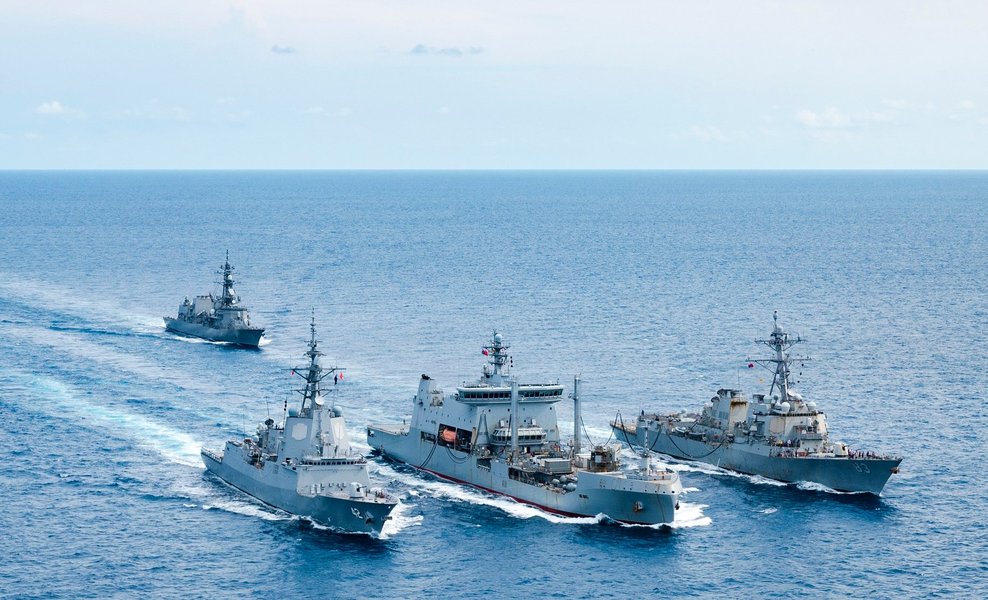
The South China Sea is a particular flashpoint, with competing territorial claims and increased military presence from both the US and China. Incidents involving naval vessels in the area contribute to the heightened risk of miscalculation. The issue of Taiwan also remains a central and potentially dangerous point of friction, with the US military prioritizing deterrence against a potential conflict over the island.
Recent military communications between the US and China have resumed, which is a positive step towards easing tensions and managing risks. However, underlying strategic disagreements and military modernization efforts continue.
Below is an image related to military presence in the South China Sea:
Recent joint patrol in the South China Sea involving multiple nations.
Military Preparedness and Strategic Considerations
Both the United States and China are actively preparing for potential future conflicts, though the focus and nature of this preparedness differ.
United States Preparedness
The US military is increasingly focused on the Indo-Pacific region and the potential for conflict with China, particularly over Taiwan. There is a recognized need to address challenges in the US industrial base to ensure it is prepared for a large-scale conflict. This includes investments in new military bases and weapons systems in the region.
China's Military Modernization
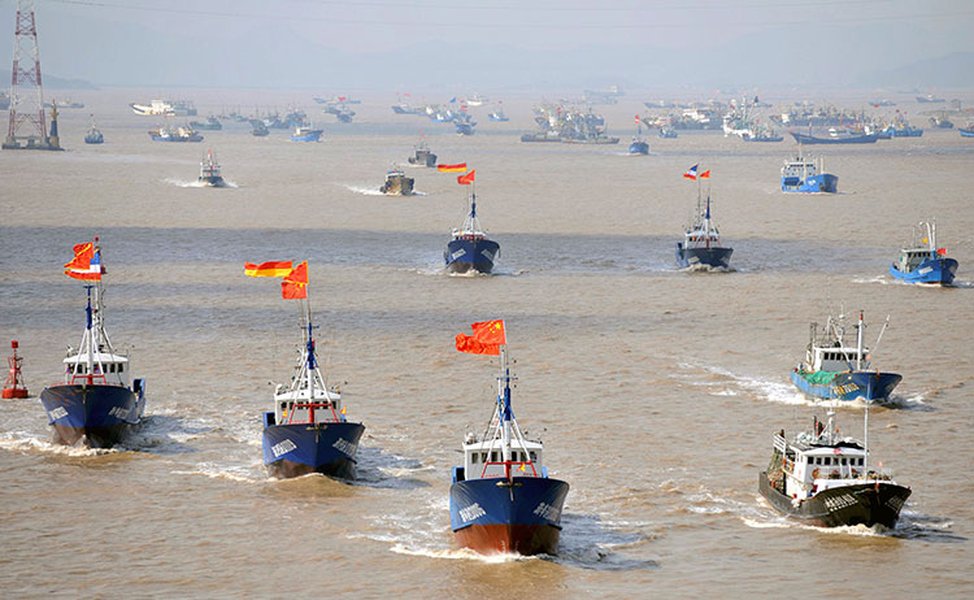
China's military modernization program is comprehensive, encompassing all branches of its armed forces. This includes the development of advanced naval capabilities, a more potent air force, and significant advancements in missile technology and cyber warfare. This buildup is altering the military balance in the Asia-Pacific.
An image representing China's military buildup.
Historical Context: The Pacific War
While the current situation is distinct, looking back at the Pacific War during World War II provides a historical reference point for large-scale conflict in the Asia-Pacific region.
The Scope and Scale of the Pacific War
The Pacific War, sometimes called the Asia-Pacific War, was a major theater of World War II fought across a vast geographical area. It involved significant engagements in East and Southeast Asia, the Pacific and Indian Oceans, and Oceania. The conflict began with Japan's long drive for Asian hegemony, escalating significantly with the attack on Pearl Harbor in December 1941 and Japan's subsequent invasions of various territories.
The war was characterized by intense naval battles, island hopping campaigns, and ultimately ended with the unconditional surrender of Japan in August 1945 after the atomic bombings of Hiroshima and Nagasaki and the Soviet invasion of Manchuria. The human cost of the Asia-Pacific War was immense, with millions of combatant and non-combatant deaths.
Differences from the Present Day
It is crucial to recognize that the current strategic environment is vastly different from the era of the Pacific War. The presence of nuclear weapons, deep economic interdependence between potential adversaries, and a complex web of international alliances and institutions create a unique and arguably more perilous landscape. While historical lessons can inform current thinking, they do not provide a direct blueprint for the future.
Other Regional Tensions and Their Implications
Beyond the primary US-China dynamic, other regional tensions contribute to the overall security picture in the Asia-Pacific.
India-Pakistan Relations
Tensions between India and Pakistan remain a concern. Reports of drone strikes and cross-border incidents highlight the fragility of the relationship. While the US and China are unlikely to be directly involved in a conflict between India and Pakistan, both global powers have deepening ties with either side, which could complicate the regional security landscape.
North Korea's Missile Activities
North Korea's continued testing of ballistic missiles adds another layer of instability to the region. These actions are closely monitored by neighboring countries, including South Korea and Japan, and contribute to a climate of uncertainty.
Potential Pathways and Future Outlook
The trajectory of US-China relations is uncertain, with potential pathways ranging from continued tension and increased competition to a de-escalation of tensions and finding areas for cooperation.
The Role of Diplomacy and Communication
Resuming military-to-military communications is a positive step in managing the risk of accidental escalation. Direct dialogue on contentious issues like Taiwan and the South China Sea is crucial. Diplomatic efforts to address trade imbalances and find common ground on global challenges such as climate change and artificial intelligence could also help to reduce friction.
Economic Interdependence as a Deterrent?
The significant economic ties between the US and China could serve as a disincentive to conflict, as a war would have devastating consequences for both economies and the global financial system. However, some argue that economic decoupling is already underway, potentially reducing this deterrent effect over time.
The Importance of Alliances
The US relies on its network of alliances in the Asia-Pacific to maintain stability and deter aggression. Strengthening these alliances and engaging in joint exercises and patrols are important components of the US strategy in the region.
Below is a relevant video discussing US-China trade talks and tensions:
A discussion on the complexities and stakes involved in US-China trade negotiations.
Frequently Asked Questions
What are the main areas of tension between the US and China?
The main areas of tension include trade disputes and tariffs, military activities and presence in the South China Sea, the issue of Taiwan, cybersecurity, and competition for technological dominance.
How prepared is the US military for a potential conflict with China?
The US military is prioritizing preparedness for a potential conflict with China, particularly over Taiwan. This involves strategic adjustments, investments in new capabilities, and addressing challenges in the defense industrial base.
Is the current situation similar to the Pacific War?
While the Pacific War was a large-scale conflict in the same region, the current geopolitical landscape is significantly different due to factors such as nuclear weapons, economic interdependence, and complex global dynamics. Direct comparisons should be made with caution.
What is the role of other countries in the region?
Other countries in the Asia-Pacific are navigating the increasing US-China rivalry. Regional tensions, such as those between India and Pakistan or North Korea's actions, add layers of complexity to the security environment. Alliances and partnerships play a significant role in regional stability.
Can trade talks resolve the tensions?
While trade talks are important for addressing economic friction, the tensions between the US and China are multifaceted and extend beyond trade to include strategic, military, and ideological differences. Resolving tensions will require a comprehensive approach involving diplomacy across various domains.
References
Last updated May 9, 2025