
Will the USA or China Win the Trade War?
Analyzing the Complex Dynamics and Future Prospects
Key Takeaways
- Mutual Economic Impact: Both the USA and China have incurred significant economic costs, with no clear advantage to either side.
- Global Supply Chain Shifts: The trade war has led to the diversification of global supply chains, benefiting other countries.
- Prolonged Geopolitical Tensions: The conflict has escalated into a broader strategic rivalry without a definitive resolution in sight.
Introduction
The ongoing trade war between the United States and China has been a focal point of international economic and geopolitical discourse since its inception in 2018. As of January 23, 2025, the question of whether the USA or China will "win" the trade war remains highly debated. This comprehensive analysis delves into the multifaceted aspects of the trade conflict, examining economic impacts, global supply chain disruptions, geopolitical implications, and long-term consequences to provide a nuanced understanding of the situation.
Economic Impacts on the USA and China
United States
The United States has implemented significant tariffs on Chinese goods in an attempt to reduce its trade deficit, protect intellectual property, and bolster domestic manufacturing. However, these measures have had mixed results:
- Tariff Costs: American consumers and businesses have faced higher costs for imported goods, leading to increased inflationary pressures. The tariffs have disrupted supply chains, particularly in sectors reliant on Chinese manufacturing.
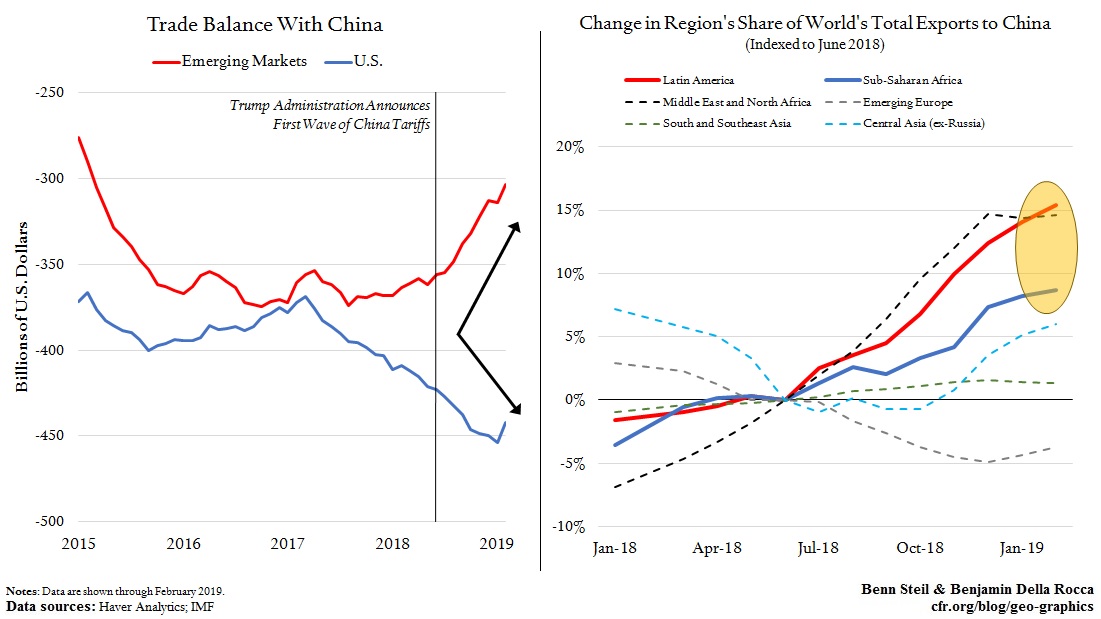
- Trade Deficit: While there has been a slight decrease in the bilateral trade deficit with China, the overall trade deficit of the USA has increased due to increased imports from other countries compensating for reduced Chinese imports.
- Economic Growth: The U.S. economy has experienced a marginal reduction in growth, estimated at around 0.3%, primarily due to the increased costs of goods and disrupted business operations.
- Sectoral Effects: Certain industries, such as agriculture, have been particularly affected by Chinese retaliatory tariffs, leading to financial strain for American farmers and exporters.
China
China has retaliated against U.S. tariffs by imposing tariffs on American exports, thereby impacting various sectors of its economy:
- Export Industries: Key export sectors, including electronics and machinery, have faced challenges due to decreased demand from the U.S. market. Despite this, China's overall trade surplus has grown, indicating resilience in its export economy.
- Economic Diversification: China has made concerted efforts to diversify its trade partners, increasing exports to Southeast Asia and other emerging markets to mitigate the impact of U.S. tariffs.
- GDP Growth: The Chinese economy has maintained a steady growth rate of around 5% in 2024, although domestic consumption remains subdued and the property sector continues to struggle.
- Self-Sufficiency Initiatives: In response to the trade war, China has intensified efforts to achieve self-sufficiency in critical technologies, reducing its reliance on U.S. markets and imports.
Comparative Analysis
Both the USA and China have suffered significant economic repercussions from the trade war, with neither side achieving a decisive advantage. The mutual imposition of tariffs has led to increased costs for consumers and disruptions in manufacturing processes, undermining the economic objectives initially set by both nations.
While the USA aimed to address the trade deficit and enforce fair trade practices, the results have been tepid, with the trade deficit not substantially reduced and new trade deficits emerging in other sectors. China, on the other hand, has demonstrated resilience by expanding its trade relations beyond the USA, although domestic challenges such as a cooling property market and sluggish consumer demand persist.
Global Supply Chain Shifts
Diversification of Manufacturing Bases
The trade war has prompted a strategic reconfiguration of global supply chains, as companies seek to mitigate the risks associated with tariffs and trade barriers. This shift has primarily benefited countries like Vietnam, Mexico, and Taiwan, which have emerged as alternative manufacturing hubs.
- Vietnam's Ascendancy: Vietnam has attracted substantial foreign direct investment, particularly in electronics and manufacturing sectors, positioning itself as a viable alternative to Chinese manufacturing.
- Mexico's Growth: Proximity to the United States has made Mexico an attractive destination for companies looking to relocate manufacturing to avoid tariffs, benefiting from established trade agreements such as USMCA.
- Taiwan's Strategic Position: Taiwan has strengthened its manufacturing capabilities, especially in high-tech industries, leveraging its technological prowess to capture a larger share of the global market.
Impact on China’s Manufacturing Dominance
The reallocation of manufacturing activities to other countries has somewhat diminished China's dominant position in global manufacturing. While China remains a key player, the diversification has introduced competitive pressures that have eroded its manufacturing monopoly.
- Manufacturing Relocation: The relocation of manufacturing bases to countries with lower tariffs and fewer trade barriers has reduced China's role as the sole manufacturing powerhouse, leading to a more fragmented global supply chain.
- Economic Benefits to Third-Party Nations: Countries benefiting from the diversification have experienced economic growth and increased employment opportunities, further reinforcing their positions in global trade.
Long-Term Supply Chain Resilience
The restructuring of supply chains is fostering greater resilience against future trade disruptions. Companies are now more diversified in their manufacturing strategies, reducing dependency on any single country and enhancing their ability to adapt to geopolitical shifts.
- Risk Mitigation: By diversifying manufacturing locations, companies can better manage risks associated with tariffs, trade barriers, and geopolitical tensions, ensuring more stable operations.
- Innovation and Competitiveness: Diverse supply chains encourage innovation and competitiveness, as companies leverage strengths from multiple regions to enhance product quality and efficiency.
Geopolitical and Strategic Implications
Escalation to Strategic Rivalry
The trade war has transcended economic competition, evolving into a broader geopolitical rivalry between the USA and China. This new phase of competition encompasses areas such as technology, military strength, and global influence.
- Technology Leadership: Both nations are aggressively pursuing advancements in critical technologies like artificial intelligence, semiconductor manufacturing, and 5G, aiming to secure a leadership position in these fields.
- Military Expansion: The strategic tensions have also spurred military advancements and alliances, with both countries enhancing their defense capabilities and seeking to assert their influence in key regions.
- Global Influence: Efforts to expand soft and hard power are evident, with the USA reinforcing alliances through NATO and partnerships in the Indo-Pacific, while China invests in initiatives like the Belt and Road Initiative to enhance its global footprint.
Alliance Formation and Partnerships
In response to the escalating rivalry, both the USA and China are forging and strengthening alliances to bolster their strategic positions.
- USA's Alliances: The United States has been actively reinforcing its alliances with traditional partners in Europe and strengthening ties with emerging economies in Asia and Africa to counterbalance China's influence.
- China's Partnerships: China continues to build strategic partnerships through economic initiatives and political agreements, leveraging its economic clout to secure alliances that support its global ambitions.
Global Governance and International Norms
The trade war has also impacted global governance structures and international norms, as both nations seek to shape the rules and standards that govern global trade and economic interactions.
- Rule-Making: Both the USA and China are vying to influence international trade agreements and standards-setting bodies, aiming to embed their economic models and regulatory preferences into global frameworks.
- Standards and Compliance: Differences in standards compliance, particularly in areas like data security and intellectual property, have become significant points of contention, further complicating trade relations.
Long-Term Consequences
Economic Decoupling
The trade war has accelerated the decoupling of the U.S. and Chinese economies, particularly in sectors deemed critical for national security and technological advancement.
- Technology and Semiconductors: Efforts to reduce dependency on each other's technologies have led to the development of independent technological ecosystems, diminishing interdependence.
- Supply Chain Independence: Both nations are investing in domestic manufacturing capabilities to ensure self-sufficiency and reduce vulnerabilities associated with global supply chains.
Self-Sufficiency and Innovation
China's focus on achieving self-sufficiency in key technologies is reshaping its industrial landscape, while the USA is investing in innovation and domestic production to reclaim its manufacturing base.
- China’s Technological Advancement: China is channeling significant resources into research and development, fostering innovation in high-tech industries to compete globally without reliance on American technologies.
- USA's Industrial Resurgence: The United States is witnessing a resurgence in domestic manufacturing, supported by policy measures aimed at incentivizing local production and technological innovation.
Global Economic Stability
The prolonged trade war has raised concerns about global economic stability, as the decoupling of the world's two largest economies introduces new risks and uncertainties.
-
Market Volatility: Fluctuations in trade policies and tariffs contribute to increased market volatility, affecting global financial markets and investor confidence.
-
International Trade Policies: Other nations are compelled to navigate the complexities of the U.S.-China trade war, adjusting their own trade policies and strategies to align with the shifting global landscape.
Recap and Conclusion
The United States and China find themselves in a protracted and multifaceted trade war with no clear victor in sight. Both nations have endured significant economic costs, disrupted supply chains, and intensified geopolitical tensions. While third-party countries like Vietnam and Mexico have emerged as beneficial byproducts of the conflict, the primary adversaries continue to grapple with mutual economic harm and strategic rivalry.
The trade war has not only impeded the economic growth of both the USA and China but has also reshaped global trade dynamics and strategic alliances. The absence of a definitive "win" for either side underscores the complexity and high stakes of international trade relations. Moving forward, the path toward normalization and collaboration remains uncertain, with both nations entrenched in their strategic goals and protective measures.
Ultimately, the trade war exemplifies the challenges of balancing national interests with global economic integration, highlighting the intricate interplay between economics and geopolitics in the modern world.
References
Last updated January 23, 2025