
Analyzing the Recent Performance of the US Dollar
A Comprehensive Overview of Factors Influencing the Dollar's Value
Key Highlights of the US Dollar's Performance
- Economic Growth Differentials: The strength of the U.S. economy compared to other nations significantly influences the dollar's value.
- Exchange Rate Fluctuations: Daily exchange rates are affected by commercial banks' telegraph transfer rates.
- Inflation Impact: Monitoring inflation rates is crucial to understanding the dollar's purchasing power and overall economic health.
Current Standing of the US Dollar
As of today, Thursday, April 10, 2025, it's essential to consider several factors to determine whether the US dollar has dropped. Exchange rates are constantly fluctuating, influenced by a variety of economic indicators and global events. Understanding these dynamics is crucial for assessing the dollar's recent performance.
Factors Influencing the US Dollar's Value
Several elements contribute to the strength or weakness of the US dollar. These include:
-
Economic Growth: The relative economic performance of the United States compared to other countries plays a significant role. If the U.S. economy is growing faster than other major economies, the dollar tends to strengthen.
-
Interest Rates: Higher interest rates in the U.S. can attract foreign investment, increasing demand for the dollar and thus its value.
-
Inflation: Inflation erodes the purchasing power of a currency. If the U.S. inflation rate is higher than that of other countries, the dollar may weaken.
-
Geopolitical Events: Global events, such as political instability or trade wars, can also impact the dollar's value as investors seek safe-haven currencies.
Exchange Rates Against Major Currencies
To gauge whether the US dollar has dropped, it is helpful to look at its exchange rates against other major currencies. Here’s a snapshot of indicative exchange rates:
| Currency | Exchange Rate (USD to 1 unit of foreign currency) |
|---|---|
| Euro (EUR) | 0.892706 |
| British Pound (GBP) | 0.771273 |
| Indian Rupee (INR) | 86.342964 |
| South Korean Won (KRW) | 1484 |
| Japanese Yen (JPY) | 146 |
These rates reflect the amount of foreign currency one US dollar can buy. Monitoring these rates over time helps to identify trends in the dollar's value.
Historical Exchange Rate Data
Examining historical exchange rates provides context for understanding recent fluctuations. Currency values can be tracked daily, weekly, or monthly to identify trends. For example, you can review historical data to see how the USD has performed against other currencies over the past few days or weeks.
Accessing Historical Data
Websites like X-Rates and countryeconomy.com provide historical exchange rates. These resources allow you to compare the dollar's current value to its past performance, offering insights into whether it has recently dropped.
US Dollar's Projected Trajectory in 2025
The outlook for the US dollar in 2025 is influenced by several factors, including economic growth differentials and monetary policy. It is projected that the U.S. economy will continue to grow, which may support the dollar's strength. However, changes in interest rates and inflation could also impact its trajectory.
Expert Predictions and Analysis
Experts at institutions like JPMorgan Chase & Co. suggest that the dollar's strength may stabilize or persist into 2025 due to the projected economic growth of 2.7% in the U.S. These projections consider various economic indicators and global trends.
Inflation and Purchasing Power
Inflation is a critical factor affecting the dollar's value. Tools like the US Inflation Calculator can help you understand how the dollar's purchasing power has changed over time. Monitoring inflation rates is essential for assessing the real value of the dollar.
Visualizing the Foreign Exchange Market
Understanding the dynamics of the foreign exchange market can be enhanced through visual aids. Here are some images that illustrate various aspects of the market, from currency fluctuations to the movement of money.
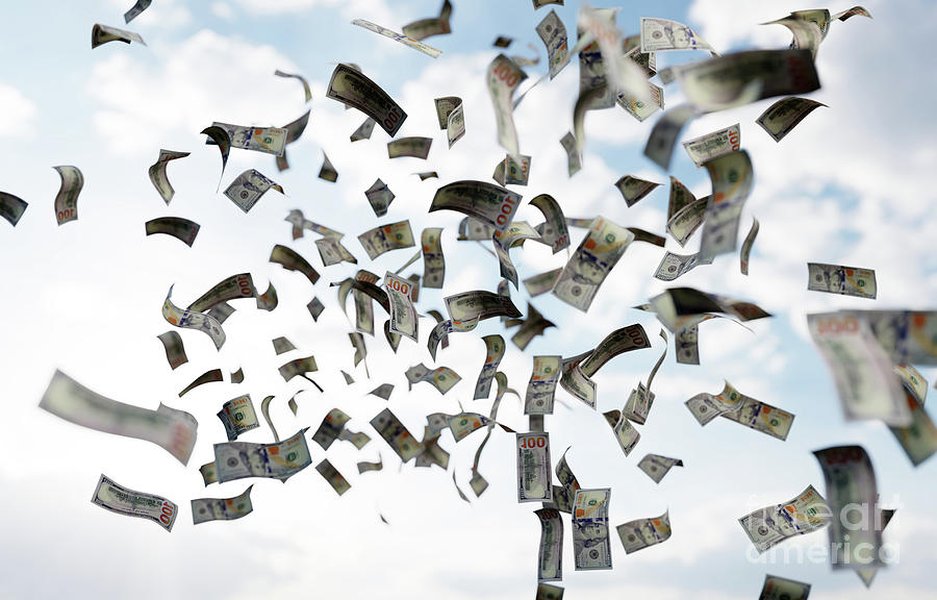
The image above illustrates the concept of money falling, symbolizing the fluctuations and potential drops in currency value within the foreign exchange market.

Another depiction of falling money, this image reinforces the idea of currency depreciation and market volatility. It highlights the need for constant monitoring and strategic financial planning.
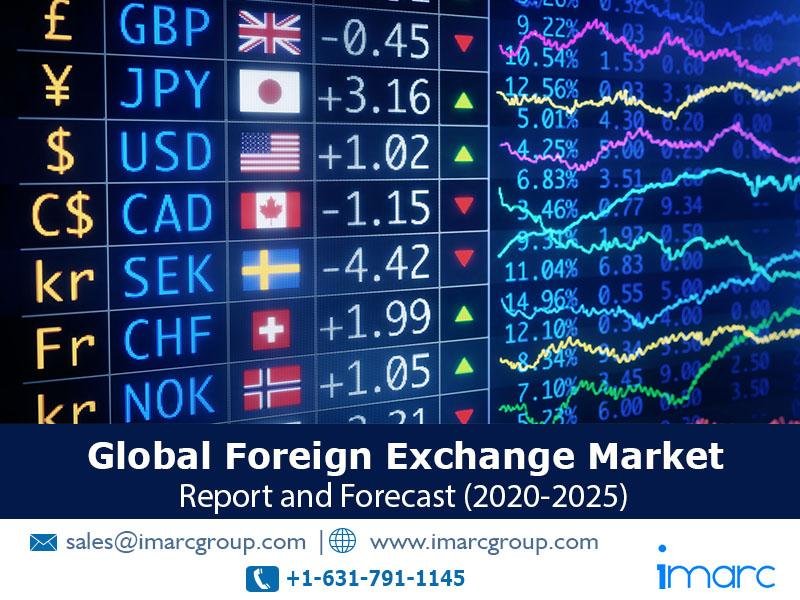
This image represents the broader context of the foreign exchange market, showcasing its global reach and the various factors influencing currency values.
These images collectively provide a visual representation of the dynamic and sometimes unpredictable nature of currency values in the foreign exchange market. They underscore the importance of staying informed about market trends and economic indicators.
Understanding Exchange Rates
To further illustrate how exchange rates work, consider this video that provides a detailed explanation of currency conversion.
This video tutorial explains how to convert currency from one unit into another, given the currency exchange rate. It's a valuable resource for understanding the mechanics of foreign exchange and how currency values are determined.
FAQ: Frequently Asked Questions About US Dollar Exchange Rates
What factors influence the US dollar's value?
The US dollar's value is influenced by several factors, including economic growth, interest rates, inflation, and geopolitical events.
How can I track the US dollar's exchange rates?
You can track the US dollar's exchange rates through various financial websites, currency converters, and news sources that provide real-time data.
Where can I find historical exchange rate data?
Historical exchange rate data can be found on websites like X-Rates and countryeconomy.com, which offer detailed historical tables and charts.
What is the outlook for the US dollar in 2025?
The outlook for the US dollar in 2025 is influenced by economic growth, monetary policy, and global economic trends. Experts suggest that the dollar's strength may stabilize or persist due to continued U.S. economic growth.
How does inflation affect the US dollar's value?
Inflation erodes the purchasing power of the US dollar. Higher inflation rates can lead to a weaker dollar as its real value decreases.
References
Last updated April 10, 2025