
2020 U.S. Presidential Election: An Examination of Its Integrity
Comprehensive analysis of allegations and official findings
Key Highlights
- The Election Was Secure: Major federal and state agencies confirmed strong security measures and expressed confidence in the electoral process.
- Legal and Judicial Reviews: Extensive court reviews and multiple audits found no evidence of widespread fraud that could have affected the outcome.
- Misinformation Debunked: Numerous claims of rigging were debunked by independent fact-checkers, scholarly research, and thorough investigations.
Detailed Analysis of the Election Integrity
In the wake of the 2020 U.S. presidential election, various claims and narratives circulated regarding the notion that the election was rigged. Upon extensive scrutiny from numerous authoritative bodies—including federal agencies, state election officials, and independent researchers—the consensus is clear: the election was conducted fairly and securely. The following analysis covers the major facets of the evidence and debunking efforts that affirm the legitimacy of the election.
Election Security Measures
Federal and State Oversight
The 2020 election was subject to rigorous oversight by multiple government entities. The Cybersecurity and Infrastructure Security Agency (CISA), a leading federal body, declared that this election was “the most secure in American history.” This sentiment was echoed by various state election officials, who maintained that the processes in place were robust and effective at preventing any significant interference or manipulation.
Notably, secure technologies and protocols were implemented to ensure the integrity of voter registration databases, the transmission of vote counts, and the storage of ballot-related data. These measures made it exceedingly difficult for any attempts at large-scale fraud to remain undetected.
Audits and Recounts
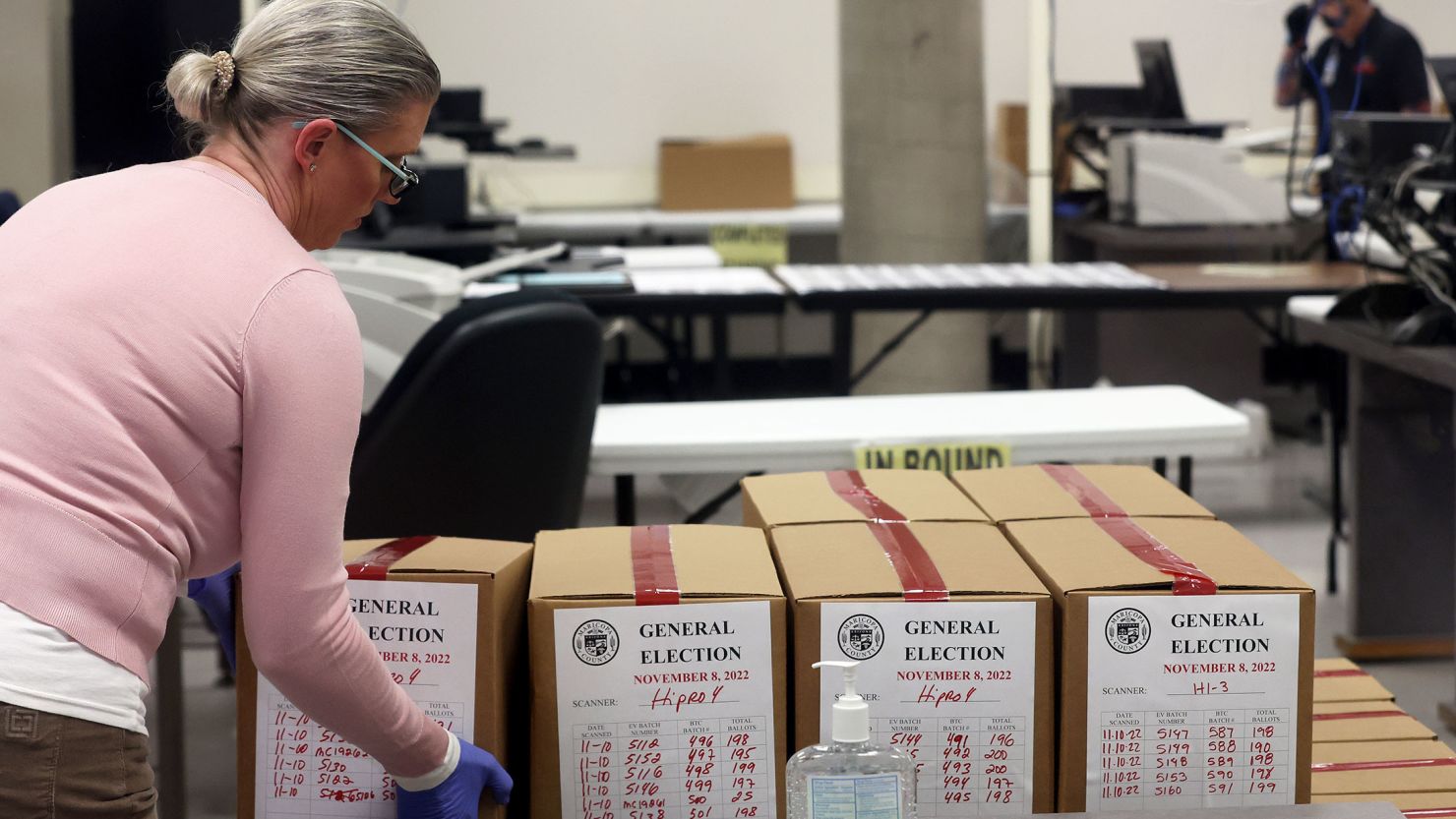
Following the election, several states initiated post-election audits and recounts to verify the accuracy of the vote counts. For example, a detailed hand recount in Georgia confirmed the original vote tally, further cementing the integrity of the electoral process. Such thorough checks were not isolated incidents; similar processes were conducted in multiple precincts across key battleground states.
Judicial Scrutiny and Legal Proceedings
Court Challenges and Legal Reviews
In the aftermath of the election, numerous lawsuits were filed attempting to challenge the results on grounds of alleged voter fraud or procedural irregularities. Over 60 legal actions were initiated by various parties. However, judges overseeing these cases, representing a broad ideological spectrum, consistently found that the evidence presented was insufficient to substantiate claims of widespread fraud.
Courts at both federal and state levels dismissed these lawsuits, with many rulings emphasizing that even the identified instances of error were not of a magnitude to impact the overall results. The judicial system’s extensive review provided an additional layer of verification that further supported the legitimacy of the vote.
Investigations and Federal Oversight
Federal agencies, including the U.S. Department of Justice, undertook investigations to determine if any irregularities could have altered the outcome of the election. Under the leadership of then-Attorney General William Barr, the DOJ found no evidence that the fraud allegations warranted a change in outcome. This federal oversight, combined with state-level investigations, contributed to a comprehensive assurance that the election process was not compromised.
Analysis of Voter Fraud Claims
Nature and Scope of Fraud Incidents
Several studies and reviews have shown that although isolated instances of irregularities can occur in any large-scale election, these have always been statistically insignificant. In the 2020 election, a review noted that out of millions of ballots cast, fewer than 475 potential cases of voter fraud were identified in key states. Such minor discrepancies are not uncommon in elections with unprecedented voter participation and do not equate to systematic fraud that could swing the results.
Importantly, the scale of any identified issues was minuscule when compared to the final vote totals, which saw record-breaking voter participation and significant margins that could not be overturned by a few isolated cases.
Debunking Misinformation and Misinterpretations
In addition to court proceedings and official audits, independent fact-checkers and a range of academic institutions conducted in-depth reviews of the claims surrounding the election. Numerous viral videos, distorted statistics, and misleading narratives were thoroughly analyzed and subsequently debunked. For instance, several claims regarding computer algorithm manipulations and faulty voting machines were systematically refuted by experts who examined the underlying data and demonstrated that the supposed anomalies were either misinterpretations or isolated incidents.
Such debunking efforts are significant because they not only counter the misinformation but also reinforce the transparency and accountability measures that were in place during the election. The robust dialogue among non-partisan organizations and the media further played a critical role in clarifying and disseminating factual information about the election process.
Comparative Data on Election Audits and Legal Outcomes
To provide a clearer picture of the various dimensions of the election’s integrity, consider the following table, which contrasts key aspects of election audits, legal decisions, and overall voter participation.
| Aspect | Detail |
|---|---|
| Election Security | Federal agencies like CISA affirmed that the election was the most secure in American history, with robust measures against manipulation. |
| Court Challenges | Over 60 lawsuits filed were dismissed due to lack of convincing evidence of widespread fraud. |
| Audits and Recounts | Multiple audits across swing states, including hand recounts, confirmed the accuracy of the vote counts. |
| Investigations | Federal and state investigations found isolated incidents were statistically insignificant relative to the overall vote totals. |
| Voter Participation | Record-breaking turnout with over 66% of eligible voters participating, ensuring a robust reflection of public opinion. |
Social and Political Implications
Impact on Public Trust
Despite overwhelming evidence supporting the election's integrity, a segment of the population continues to harbor skepticism regarding its fairness. This divergence in public opinion is largely attributed to politicized narratives and misinformation campaigns that have leveraged social media platforms to spread doubt.
The persistence of these beliefs, even in the face of substantive evidence, highlights the challenges that democratic societies face in combating misinformation. It underscores the need for robust public education on media literacy and the importance of relying on verified information from credible sources.
Long-Term Effects on Electoral Practices
The discourse surrounding the 2020 election has prompted discussions on electoral reforms and the enhancement of security protocols to address both real vulnerabilities and perceived weaknesses. Lawmakers and election officials are now more focused on making the voting process transparent, secure, and easily auditable.
These reforms are intended to reinforce public confidence and ensure that any future disputes are settled with clear, evidence-based analyses. Enhanced coordination between federal agencies, state governments, and independent watchdog organizations continues to be a priority.
Summary of Evidence
Comprehensive Review by Authorities
A thorough review by security experts, judicial bodies, and state officials confirms there is no credible evidence to substantiate claims that the 2020 presidential election was rigged. From detailed audits to legal dismissals of hundreds of lawsuits, every aspect of the process has been examined and found to be in order.
The collective analyses from multiple, highly respected sources converge on the conclusion that although isolated errors and anomalies can occur in any election, they were neither systematic nor sufficient to alter the final outcome.
Transparency and Accountability
The robust framework supporting U.S. elections is built on transparency, accountability, and continuous improvement. Measures such as independent audits, public reporting of results, and judicial oversight serve as critical instruments to ensure electoral integrity.
Moreover, the challenging task of dispelling misinformation remains an ongoing effort involving collaboration between governmental agencies, the media, and civil society. Reinforcing these cooperative measures is essential to uphold public trust and ensure the enduring soundness of democratic processes.
References
- False Claims 2020 US Election Fraud - AFP Fact Check
- AP Fact Check on Jan 6 - PBS NewsHour
- It’s Official: Election Was Secure - Brennan Center
- Examining US Election Fraud Claims - BBC News
-
Court Dismissals of Fraud Claims - Reuters
Recommended Queries for Further Exploration
Last updated February 28, 2025