
Structured Report on US Election Impact
Analyzing Recent Social Trends and Economic Shifts for a Global Outlook
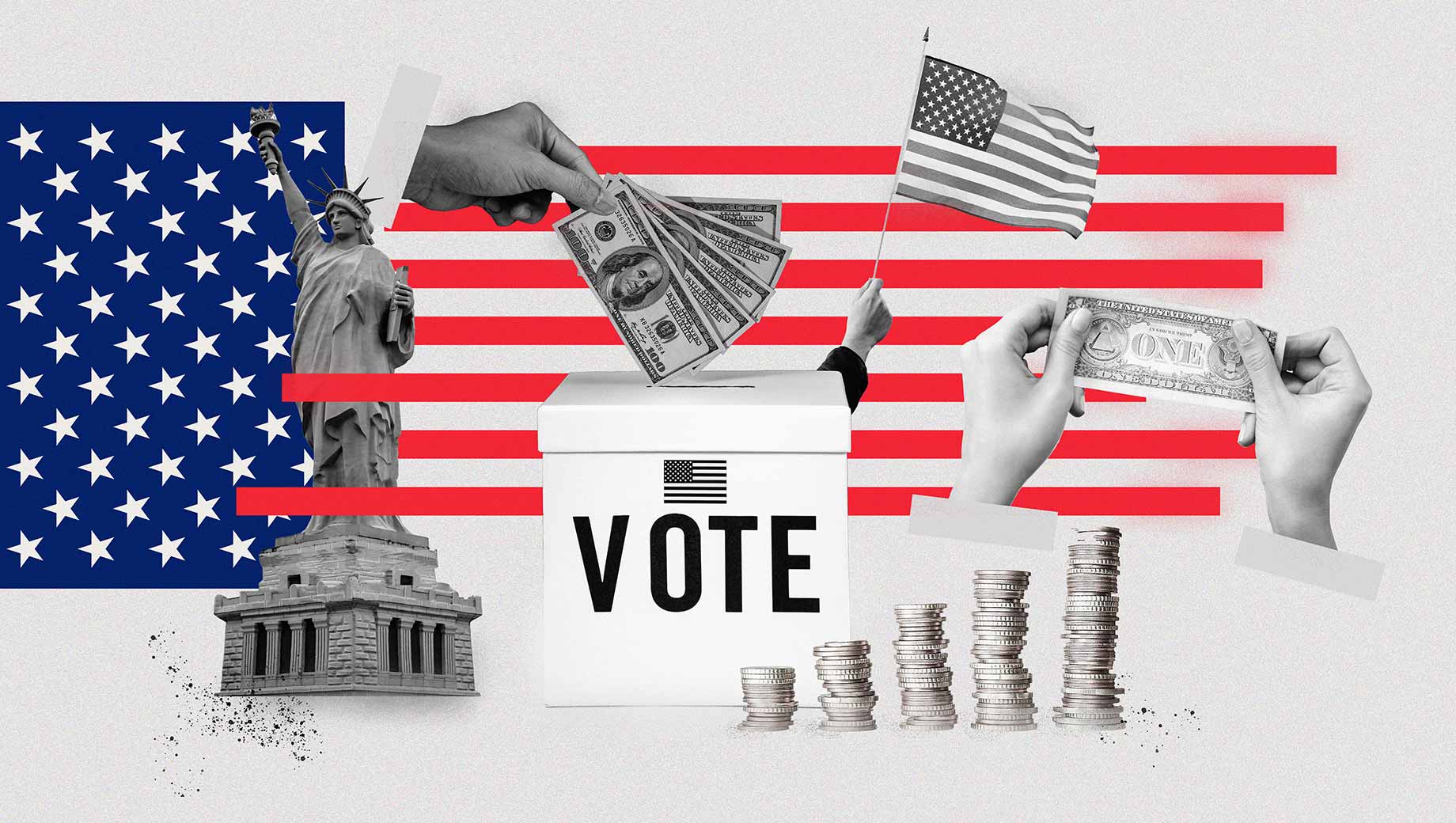
Key Takeaways
- Impact on Global Markets: The US election outcome is driving economic policy shifts, affecting trade, investment flows, and market volatility worldwide.
- Influence on the Philippines: The Philippines experiences both opportunities and risks through alterations in trade policies, remittance flows, and strategic geopolitical positioning.
- Social Dynamics and Media Trends: Evolving public discourse on social media and heightened political polarization influence perceptions and policy transparency, affecting domestic and global decision-making.
Introduction and Overview
The recent US presidential elections have generated intense media interest and widespread debate regarding their implications on the global economy, especially concerning countries like the Philippines. The elections have catalyzed significant social trends and policy changes that are influencing global markets, trade relationships, financial stability, and domestic policies across nations. As the political climate evolves, an interplay between social media narratives, political discourse, and policy uncertainty underscores how the outcome of US elections will reshape not only domestic policies but also transnational economic relationships and geopolitical alliances.
Evolving Societal Trends and Media Influence
Social trends are an essential facet of understanding modern political outcomes. The US elections have increasingly become a battleground of ideas, with social media playing a dominant role in disseminating political narratives. Platforms such as Twitter, Facebook, and Instagram have become influential in shaping the opinion landscape, amplifying both accurate reportage and instances of misinformation. With a polarized electorate, voters have increasingly demanded enhanced transparency and verification from mainstream media outlets.
The rapid circulation of content online has triggered diverse responses among social groups, prompting citizens to engage in fact-checking and critically assess available information. In this environment, digital transparency has become as significant as policy proposals, contributing to the overall uncertainty preceding and following the election. This shift towards digital engagement and rapid dissemination of ideas has also influenced public discourse beyond the United States, notably affecting perspectives in countries like the Philippines, where electoral outcomes in the US are analyzed in real time.
Interconnection of Social and Economic Dynamics
The transformation in social narratives is intertwined with economic trends. Economic nationalism and protectionism have begun echoing through political discourse. As part of an "America First" agenda, trends such as increased tariffs and skepticism towards multilateral agreements resonate deeply in both domestic and global economic spheres. Consumers, investors, and traders all contribute to a feedback loop where media narratives impact market sentiments and vice versa.
Evolving conversations about national identity, economic sovereignty, and global trade partnerships have led to policy debates that emphasize self-reliance over global interdependence. This dynamic reflects in policy shifts that are potentially disruptive; for instance, proposed tariffs on imported goods and a recalibration of international trade agreements have already started to unsettle global markets. As these policies are debated and implemented, social sentiment in affected regions adjusts in tandem, leading to a cascade of economic and cultural shifts.
Global Economic Impact of the US Election
Policy Uncertainty and Market Reactions
One of the most immediate impacts of the US presidential elections is the uncertainty in global financial markets. Investors respond swiftly to potential shifts in economic policy, which include monetary policy adjustments, trade regulations, and fiscal measures. The anticipation of either deregulation or protectionist measures has been a key driver of market volatility.
The market responses have varied, with certain sectors experiencing temporary boosts while others face significant risks. For example, proponents of deregulation expect that relaxed economic controls could stimulate growth; however, such measures might also lead to increased inflation and reduced consumer purchasing power. The global supply chain ecosystem is particularly sensitive to these uncertainties, with production and logistics strategies constantly readjusted in response to emerging trade policies.
Trade and Tariff Policy Shifts
A central pillar of the anticipated economic realignment is the potential escalation of trade conflicts, catalyzed by proposals to impose substantial tariffs on imported goods. Recommendations for universal tariff increases range from moderate to significant percentages, targeting not only countries like China but also North American neighbors such as Mexico and Canada.
The ripple effects of these trade policies are far-reaching. Enhanced tariffs disrupt traditional supply chains, forcing companies to reconsider sourcing strategies and production locations. The resultant uncertainties affect global trade balances, indirectly influencing inflation and economic growth forecasts in multiple regions.
Geopolitical Realignments and Global Alliances
Beyond direct economic measures, the US election sets into motion broader geopolitical shifts. The "America First" policy embedded in the recent electoral results emphasizes a potential reordering of international alliances. This stance may prompt shifts in cooperation with countries such as China, Russia, and various Middle Eastern nations, leading to new realignment in global power dynamics.
Such realignments can affect economic policies and alliances worldwide. For instance, a move towards bilateral rather than multilateral agreements might alter established trade relationships and open avenues for alternative strategic partnerships. For many nations, including the Philippines, understanding these shifts is critical for navigating the complex economic landscape that will emerge from these policy changes.
Implications for the Philippines
Economic Impacts and Trade Dynamics
The Philippines, as an emerging market with strong ties to the United States, faces distinctive challenges and opportunities against the backdrop of shifting US policies. The country currently benefits from a steady trade surplus with the US, alongside significant remittance flows from overseas Filipino workers. Yet, changes in trade policies, particularly tariff impositions, could unsettle this balance.
A heightened precautionary approach by global investors may lead to fluctuations in foreign direct investment (FDI) into the Philippines. While some investors view a more deregulated US economy as a positive signal for free-market reforms, others remain cautious due to the overarching uncertainty. Policy proposals that affect tariffs and trade barriers could slow the pace of growth temporarily; however, the resilience of the Philippine economy, buoyed by robust domestic consumption and strategic governmental reforms, provides a buffer against these fluctuations.
Social and Political Dynamics in the Philippines
Social and political factors in the Philippines may evolve in response to the US election outcome. Changes in US immigration policies and economic initiatives, for example, may indirectly affect the flow of talent, investments, and remittances. Philippine media has already begun to mirror discussions about governance, transparency, and policy reform as they relate to broader global trends.
Such interactions are likely to drive domestic debates on policy borrowing. Philippine lawmakers and stakeholders might adopt, or adapt, certain economic and regulatory frameworks observed in the US to bolster transparency, encourage foreign investment, and enhance democratic governance. At the same time, the Philippines is poised to continue its strategic alliance with the US, albeit in an altered economic environment where both countries may recalibrate expectations and responsibilities within mutual agreements.
Strategic and Diplomatic Considerations
The geopolitical positioning of the Philippines remains critical in light of emerging global dynamics. Situated in a region where geopolitical tensions, particularly with China, are escalating, the Philippines must navigate a complex diplomatic landscape. Renewed focus on an "America First" policy may pressure the country to re-evaluate its alliances and trade agreements.
Nonetheless, the resilient framework of the longstanding U.S.-Philippines alliance ensures that shared security and economic interests remain at the forefront. Greater emphasis on regional partnerships, particularly within the ASEAN framework, could offer alternative avenues of economic stability and growth if global trade patterns shift markedly. Strategic planning and diplomatic agility, therefore, become vital assets in this uncertain environment.
Economic Indicators and Scenario Analysis
It is instructive to examine how various economic indicators might play out under different electoral outcomes and policy reactions. Envisioned changes in tariffs, investment flows, and trade volumes require careful monitoring. Consider the following table summarizing some potential scenarios:
| Indicator | Scenario: Deregulation Focused | Scenario: Protectionism Emphasized |
|---|---|---|
| FDI Inflows | Moderate increase due to market optimism | Potential slowdown due to heightened trade barriers |
| Trade Volumes | Stable or rising with liberalized policies | Decline in bilateral and multilateral trade |
| Market Volatility | Short-term fluctuations with long-term growth prospects | Persistent uncertainty and cyclic downturns |
| Remittance Flows | Sustained or growing if economic opportunities expand | Potential decline if immigration and work opportunities are curtailed |
This table provides a comparative preview of likely economic trajectories. While these are not definitive predictions, they underscore the importance of dynamic policy adaptation and proactive planning in the face of shifting global paradigms.
Societal Shifts and Political Discourse
Media Narratives and Information Ecosystems
The US election has not only reconfigured policy directions but has also left an indelible mark on political discourse. The way information is curated, shared, and contested online has influenced perceptions of legitimacy and policy viability. Voters and citizens alike now demand greater transparency, driving improvements in fact-checking practices and media accountability. This evolving information ecosystem has resulted in more informed political discussions, albeit accompanied by an increase in partisan divides.
In the Philippines, similar patterns are emerging. Public discourse increasingly mirrors the contentious and polarized landscape of US politics, with social media users and traditional media outlets emphasizing critical perspectives on governance, transparency, and the impact of rapid policy changes. This interplay between global narratives and local concerns is shaping how national policies are debated, sidelining sensationalism in favor of more nuanced assessments of economic policies and governance.
Social Movements and Political Engagement
Beyond media narratives, recent social trends highlight the role of grassroots movements and public engagement in shaping policy responses. The election has sparked renewed activism focused on economic fairness, environmental sustainability, and the protection of democratic freedoms. These movements are not confined to the United States but have resonated internationally, inspiring similar mobilizations in regions such as Southeast Asia.
In the Philippines, a surge in civic engagement is evident with calls for reforms that echo internationally-recognized values of transparency, accountability, and environmental stewardship. Social movements are increasingly partnering with policy think tanks and academic institutions to propose robust reforms. This alignment between social advocacy and policy discourse is instrumental in guiding legislative agendas in times of significant change.
Digital Engagement and Public Opinion
The transformation in digital engagement has amplified the voice of the average citizen. Digital platforms now serve as both arenas for public debate and resources for civic education. This democratization of information has put pressure on political leaders to not only articulate clear policies but also substantiate their claims with transparent data and expert opinions. As the flow of information increases, so does the analytical capacity of voters, enabling them to challenge misinformation and insist on policy accountability.
Implications for Global Economic Governance
Monetary Policy and International Cooperation
With the election outcome influencing domestic policy in the United States, decisions such as those made by the Federal Reserve become a point of focus for international policymakers. A potential adjustment in interest rates, in response to the pressures of economic deregulation or protectionism, sends ripples through global financial markets. Nations and multinational institutions are required to recalibrate their economic forecasts and adjust policy measures accordingly.
This dynamic environment underscores the need for tighter international cooperation among central banks and financial institutions. Mechanisms for sharing economic data and best practices help mitigate risks associated with market imbalances and policy-induced volatility. For emerging markets like the Philippines, proximity to or alignment with advanced economies like the United States remains a double-edged sword—offering economic stimulus during favorable times and necessitating rapid adjustments during periods of volatility.
Adjusting to a Fragmented Global Trade Paradigm
The ongoing recalibration of trade relationships as a consequence of heightened protectionism is altering the framework of global economic governance. International trade agreements and partnerships built over decades are now under review, emphasizing bilateral relations and localized production networks. For nations dependent on trade, such as the Philippines, these shifts demand innovative economic strategies that favor diversification of markets and resilience-building within domestic industries.
Strategic reforms in trade policies, including the exploration of alternative economic alliances within regional blocs such as ASEAN, are critical in offsetting potential disruptions in traditional trade channels. Such measures not only improve economic stability but also create avenues for sustainable growth beyond reliance on larger economies.
Future Outlook and Strategic Recommendations
Anticipating Economic Scenarios
As the world adjusts to the aftermath of the US election, multiple economic scenarios appear likely. The interplay between deregulation and protectionism, coupled with shifting geopolitical alliances, suggests a period of transition that will test the resilience of global economies. Countries such as the Philippines will need to balance traditional ties with the United States and emerging partnerships within their region.
Key recommendations for policymakers and business leaders include:
- Enhanced Monitoring: Constant evaluation of international policies and trade agreements to swiftly adapt to changing economic conditions.
- Diversification: Encouraging trade diversification by exploring and strengthening ties with multiple economic partners rather than relying solely on established relationships.
- Investment in Resilience: Focusing on domestic reforms and infrastructural investments that enhance economic agility and reduce susceptibility to international market shocks.
Recommendations for the Philippine Government and Business Community
The Philippine government and its business community must devise forward-thinking strategies to navigate these turbulent times. This includes investing in robust economic policies that foster innovation, ensuring fiscal consolidation, and enhancing transparency in governmental processes. Strengthening regional ties, particularly within ASEAN, is also critical, offering a strategic buffer against unpredictable global market conditions.
The government can implement policies that encourage foreign direct investment while simultaneously protecting local industries from adverse shocks. Business leaders are advised to continually assess supply chain vulnerabilities, modernize production techniques, and adopt digital technologies that enhance operational efficiency. Through a combined emphasis on policy reform and technological advancement, the Philippines can leverage the challenges posed by the US election outcome into opportunities for sustainable economic growth.
Long-Term Strategic Initiatives
Looking forward, it is essential to institute long-term strategic initiatives that address both current economic concerns and future uncertainties. Policy reform should focus on:
- Comprehensive economic recalibration plans that address trade, fiscal policies, and investment incentives;
- Strengthened international cooperation on monetary policy and economic governance;
- Enhanced digital infrastructure and cybersecurity measures to safeguard critical economic data and market stability.
These measures, while challenging in the short term, will contribute to a more resilient economic framework capable of weathering global economic fluctuations while simultaneously fostering an environment of innovation and sustained growth.
Conclusion
The outcome of the US presidential election is a pivotal moment that is reshaping global economic policies and social narratives. The resulting shifts in fiscal and trade policies, coupled with evolving social dynamics and digital media influence, are significantly impacting global financial stability and domestic economies. For the Philippines, the ripple effects are multifaceted—ranging from shifts in trade and investment to changes in diplomatic relations and public discourse. Moving forward, adaptability through strategic reforms, diversified trade partnerships, and robust domestic policies will be essential in converting these challenges into opportunities for growth and stability.
References
- Political upheaval around the world could spell trouble for the global economy in 2025 - CNN
- The Impact of the US Elections on the Global Economy - Hedge Point Global
- US election: its impact on economic policy - EIU
- How the 2024 election results may affect the economy | EY - US
- Global economy braced for US election result, and other economic news - WEF
- How Might the U.S. Presidential Election Impact Ties With the Philippines - Stratfor
- The US-Philippines alliance and the 2024 US elections - Brookings
- How the US elections will impact the Philippines | Global News
- Philippines-US ties to stay firm regardless of election due common interests, analysts say - SCMP
- Philippines Tweaks 2025 Growth Outlook on Trump's Tariff Threat - Bloomberg
- US election: Trump II to affect trade, security in SE Asia, experts say - Benar News
More
Last updated February 19, 2025