
Unraveling America's Troubled Tapestry: Educational Inequality Across Communities
A comparative look at the historical school experiences of Black, Native American, and Asian American students in the U.S.
The history of education in the United States is deeply intertwined with systemic discrimination, impacting various racial and ethnic groups in profoundly different ways. Comparing the educational experiences of Native American (often historically referred to as "Indian"), Asian American, and Black students reveals unique patterns of segregation, assimilation policies, resource disparities, and cultural suppression. Understanding these distinct histories is crucial to grasping the complex landscape of educational inequality.
Highlights
- Distinct Forms of Discrimination: Black students faced legal segregation and systemic underfunding, Native American children endured forced assimilation and cultural eradication in brutal boarding schools, while Asian Americans experienced exclusion and historical invisibility in curricula.
- Severity of Boarding Schools: The Native American boarding school system stands out for its explicit goal of cultural destruction, forced family separation, widespread abuse, and documented high mortality rates, causing deep intergenerational trauma.
- Persistent Legacies: The historical injustices faced by each group continue to shape contemporary educational realities, including ongoing segregation patterns, community trauma, and the fight for inclusive curricula.
The Historical Landscape of Educational Inequality
To compare the experiences, it's essential to understand the specific historical contexts and policies that shaped education for each group.
The Era of "Separate but Unequal": Black American Schools
Following the Civil War and Reconstruction, particularly during the Jim Crow era, Black Americans faced legally mandated segregation in education. The Supreme Court's 1896 Plessy v. Ferguson decision established the "separate but equal" doctrine, which legitimized racial segregation in public facilities, including schools.
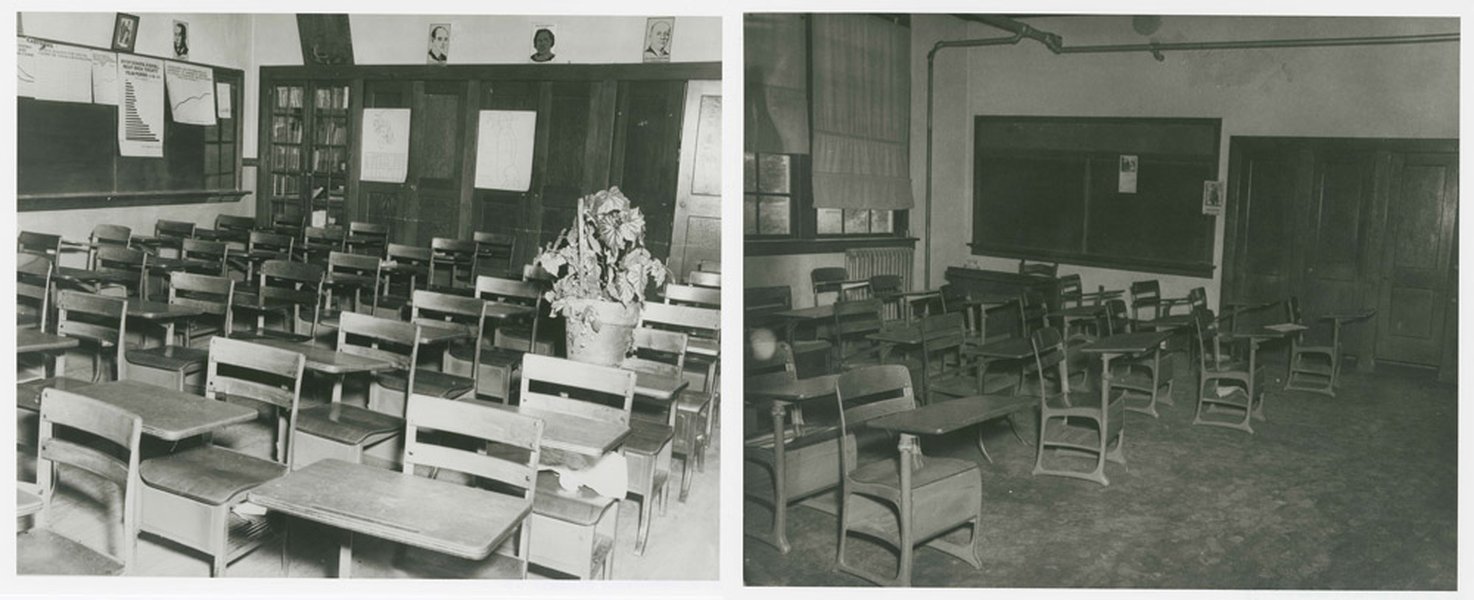
A classroom in a segregated school for Black students, illustrating the conditions often faced under the 'separate but equal' doctrine.
Systemic Underfunding and Inferior Resources
In reality, "separate" almost invariably meant "unequal." Schools designated for Black children were systematically underfunded compared to those for white children. They often operated with:
- Dilapidated buildings and inadequate facilities
- Fewer resources, including textbooks and learning materials
- Overcrowded classrooms, sometimes with one teacher for multiple grades
- Lower teacher salaries and fewer qualified educators
- Limited or no access to transportation
The NAACP and other civil rights organizations fought tirelessly against this system, culminating in the landmark 1954 Brown v. Board of Education Supreme Court decision, which declared state-sponsored segregation in public schools unconstitutional. However, desegregation faced massive resistance, and policies contributing to de facto segregation based on race and poverty have persisted. Data continues to show that Black children are disproportionately likely to attend high-poverty schools with fewer resources, perpetuating educational disparities.
Forced Assimilation: Native American Boarding Schools
Beginning in the 19th century and continuing well into the 20th, the U.S. government, often in partnership with Christian churches, implemented a policy of forced assimilation targeting Native American children through a vast network of off-reservation boarding schools. Over 500 such institutions operated across the country.
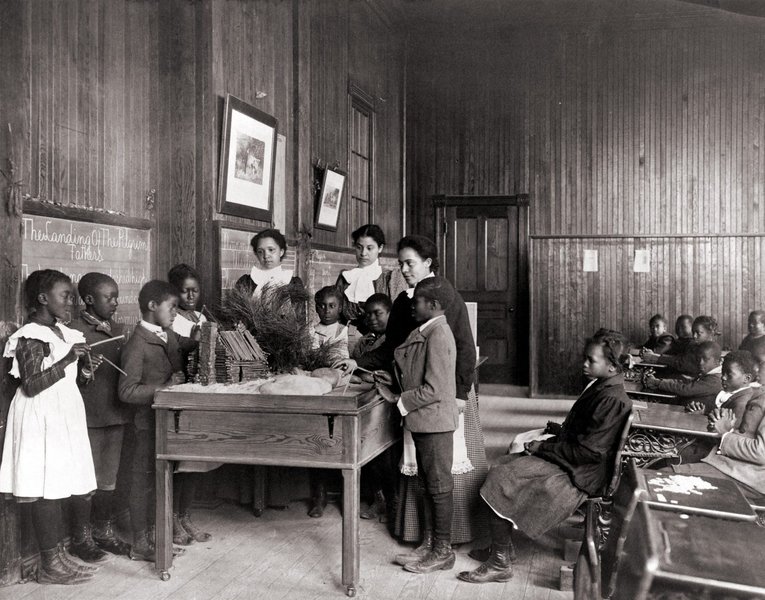
Native American children at an assimilation-focused boarding school, illustrating the regimented environment aimed at erasing indigenous cultures.
Cultural Eradication and Brutal Conditions
The explicit goal, infamously articulated by Captain Richard Henry Pratt, was to "Kill the Indian, Save the Man." This policy involved:
- Forcible Removal: Children were often taken from their families and communities against their will and transported to distant schools.
- Cultural Suppression: Students were forbidden from speaking their native languages, practicing their religions, or wearing traditional clothing. Their hair was often cut, and they were given English names.
- Harsh Conditions: Schools were frequently characterized by overcrowding, poor sanitation, inadequate nutrition, and outbreaks of disease.
- Abuse and Neglect: Physical, emotional, and sexual abuse were rampant in many institutions.
- Manual Labor: A significant portion of the school day was often dedicated to manual labor or vocational training rather than academics, intended to prepare students for low-wage jobs.
- High Mortality Rates: Recent investigations, prompted by discoveries in Canada, have begun uncovering evidence of numerous unmarked graves at former boarding school sites in the U.S., pointing to tragically high death tolls from disease, neglect, and abuse.
This system inflicted deep, lasting trauma on individuals, families, and entire communities, contributing to the loss of language, culture, and connection to heritage. The legacy of these schools continues to impact Native communities through intergenerational trauma and ongoing struggles for cultural revitalization and healing.
Exclusion and Invisibility: Asian American Educational Experiences
The history of Asian Americans in the U.S. education system is marked by periods of exclusion, instances of segregation, and, most persistently, a profound lack of representation in curricula.
Curriculum Omission and Stereotyping
Unlike the systematic segregation imposed on Black students or the forced assimilation aimed at Native Americans, Asian Americans did not face a single, monolithic federal policy dictating their schooling. However, they encountered significant barriers:
- Historical Exclusion: Laws like the Chinese Exclusion Act reflected broader societal discrimination. There were instances of localized segregation, such as the case of Mamie Tape, a Chinese American child denied entry to a San Francisco primary school in the 1880s, leading to the establishment of separate schools for Chinese children.
- Curriculum Invisibility: A major ongoing issue is the near-total omission of Asian American history, contributions, and experiences from K-12 curricula across most of the country. When included, it's often limited to brief mentions of immigration, World War II internment, or events like Pearl Harbor, frequently perpetuating stereotypes.
- Lack of Representation: Students often lack teachers and administrators who share their background, contributing to feelings of alienation.
- Impact of Stereotypes: The "model minority" myth can mask challenges faced by diverse Asian American subgroups and create immense pressure, while rising anti-Asian sentiment highlights the dangers of historical ignorance.
In recent years, particularly spurred by increased anti-Asian violence, there has been a growing movement advocating for the mandatory inclusion of Asian American and Pacific Islander (AAPI) history in public schools. States like Illinois, New Jersey, and Connecticut have passed legislation, recognizing that a more complete and accurate understanding of American history is essential for all students.
Comparing Experiences: Distinct Forms of Disadvantage
Determining whether one group's educational experience was definitively "worse" or "better" than another's is fraught with complexity. Each group faced unique forms of systemic oppression with devastating consequences. Instead of ranking suffering, it's more accurate to compare the distinct mechanisms and primary impacts of the discrimination each group endured.
Policy and Intent
- Black Students: Faced policies of racial segregation aimed at maintaining white supremacy and denying equal opportunity within the public education system.
- Native American Students: Subjected to policies of forced assimilation and cultural genocide, aiming to eradicate Indigenous identities and control Native populations.
- Asian American Students: Experienced policies and practices leading to exclusion, marginalization, and cultural invisibility within the broader educational system.
Institutional Structures
- Black Students: Primarily attended legally segregated, under-resourced public day schools.
- Native American Students: Confined to residential boarding schools, often far from home, designed for total immersion and control.
- Asian American Students: Experiences varied, often attending integrated public schools but facing social isolation, stereotyping, curriculum omission, and localized segregation in some instances.
Nature of Harm
- Black Students: Primary harm stemmed from systemic resource deprivation, unequal facilities, and the psychological damage of segregation, leading to persistent achievement gaps.
- Native American Students: Primary harm involved cultural annihilation, forced family separation, widespread physical and emotional abuse, neglect, and profound intergenerational trauma.
- Asian American Students: Primary harm related to systemic invisibility, erasure of history and identity from curricula, stereotyping, and the socio-emotional impact of being perpetual foreigners or facing prejudice.
Visualizing Key Differences in Historical Educational Experiences
This chart offers a generalized comparison of the historical educational experiences faced by Black, Native American, and Asian American students across several key dimensions of disadvantage. The scores represent qualitative assessments based on historical accounts, where higher values indicate greater severity or prevalence of the specific challenge during peak periods of discrimination.
As the chart illustrates, while Black students historically faced extreme segregation and resource inequality, Native American students endured the highest levels of forced assimilation, cultural suppression, and risk of abuse within the boarding school system. Asian American students, while facing lower levels of overt segregation and systemic abuse compared to the other groups, experienced the highest degree of curriculum invisibility.
Interconnected Systems of Educational Inequality
This mindmap illustrates the distinct primary challenges faced by each group within the broader context of historical U.S. educational inequality.
(Jim Crow)"] id1b["Systemic Underfunding
& Resource Inequality"] id1c["'Separate but Unequal' Doctrine"] id2["Native American Students"] id2a["Forced Assimilation
(Boarding Schools)"] id2b["Cultural Eradication
& Language Loss"] id2c["Abuse, Neglect, Trauma
& Family Separation"] id3["Asian American Students"] id3a["Curriculum Invisibility
& Historical Omission"] id3b["Exclusion & Marginalization"] id3c["Stereotyping & Prejudice"] id3d["Localized Segregation Instances"]
The mindmap highlights how different policies and societal prejudices created distinct pathways of educational disadvantage, shaping the experiences and outcomes for each community.
Contemporary Echoes of Historical Injustice
The discriminatory educational practices of the past cast long shadows. Today, we still see the repercussions:
- Persistent Segregation: Many schools remain effectively segregated by race and socioeconomic status, particularly impacting Black and Latino students who are concentrated in high-poverty districts with fewer resources.
- Intergenerational Trauma: Native communities continue to grapple with the trauma inflicted by the boarding school era, affecting health, education, and cultural continuity.
- Curriculum Gaps: The fight for inclusive curricula that accurately represent the histories and contributions of Asian Americans, Native Americans, Black Americans, and other marginalized groups is ongoing.
- Achievement and Opportunity Gaps: Disparities in test scores, graduation rates, college enrollment, and disciplinary actions often persist along racial lines, reflecting the enduring legacy of systemic inequality.
Resource and Outcome Disparities: A Snapshot
This table summarizes some of the key differences in the historical educational challenges and impacts faced by Black, Native American, and Asian American students.
| Aspect | Black Students (Historical) | Native American Students (Historical Boarding Schools) | Asian American Students (Historical) |
|---|---|---|---|
| Primary Policy Framework | Legal Segregation (Jim Crow) | Forced Assimilation (Federal Policy) | Exclusion & Omission (Societal/Localized) |
| Primary Challenge | Systemic Inequality & Underfunding | Cultural Destruction & Abuse | Invisibility & Marginalization |
| Typical School Type | Segregated Public Day Schools | Residential Boarding Schools | Varied (Integrated Public, Some Segregated) |
| Resource Level (Compared to White Schools) | Significantly Lower | Often Very Low / Focused on Labor | Varied, Often Faced Implicit Bias |
| Primary Long-Term Impact Focus | Persistent Achievement Gaps, Ongoing Segregation | Intergenerational Trauma, Cultural Loss | Identity Issues, Lack of Representation, Stereotyping |
Deeper Dive: The Legacy of Indian Boarding Schools
To fully grasp the unique severity of the Native American boarding school system, understanding its history and impact is crucial. These institutions were explicitly designed to eradicate Indigenous cultures through forced assimilation, often involving profound abuse and trauma. The following video provides insight into this painful chapter of American history and its lasting effects.
The video discusses the historical context of these schools, including recent apologies and efforts towards truth and healing. It underscores why direct comparisons of "worse" or "better" are difficult, as the nature of the harm inflicted by the boarding school system – targeting cultural existence itself – was distinct from the systemic resource denial faced in segregated Black schools or the exclusion experienced by Asian Americans.
Frequently Asked Questions (FAQ)
Were schools for Native Americans and Asians *always* worse or better than those for Black students?
It's impossible to make such a blanket statement. The "quality" varied greatly depending on the specific time period, location, type of school (e.g., public, private, boarding), and available resources. However, the *systems* of discrimination were different. Native American boarding schools were uniquely destructive due to their assimilationist goals and documented abuse. Segregated Black schools suffered from deliberate underfunding and inequality sanctioned by law. Asian American experiences were diverse, often involving exclusion and lack of representation rather than a separate, formalized inferior system nationwide, though localized segregation did occur.
What about Historically Black Colleges and Universities (HBCUs)?
HBCUs were established primarily after the Civil War because Black students were largely excluded from existing higher education institutions. While often operating with fewer resources than predominantly white institutions due to systemic funding inequities, HBCUs played a vital role in providing quality higher education and fostering leadership within the Black community. They represent centers of Black scholarship and cultural resilience, created in response to segregation, rather than being part of the underfunded K-12 segregated system itself.
Are Native American boarding schools still operating today?
While the era of forced assimilation through federally mandated boarding schools has ended, some boarding schools for Native students still exist. However, many are now tribally controlled or operated with a focus on cultural preservation and academic excellence relevant to Native communities, representing a significant shift from their historical purpose. There are ongoing efforts, like the Federal Indian Boarding School Initiative, to investigate the historical abuses and promote healing.
What is being done to address these historical inequities today?
Efforts include advocating for equitable school funding formulas, promoting integration initiatives, pushing for culturally relevant and historically accurate curricula (like mandating AAPI or Native history), supporting HBCUs and tribal colleges, implementing restorative justice practices to address disciplinary disparities, and federal/tribal initiatives focused on truth, healing, and reconciliation regarding the boarding school era.
Recommended Further Exploration
- How did Jim Crow laws specifically affect the funding of schools for Black children?
- Explore the lasting psychological and community impacts of the Native American boarding school experience.
- Discover which states have passed legislation to include Asian American history in their K-12 curriculum.
- Investigate the ways modern school segregation differs from and resembles the pre-Brown v. Board era.
References
Last updated May 2, 2025