
US States Beginning with 'M'
Explore the Rich Diversity of America's 'M' States
Key Takeaways
- There are eight US states that start with the letter "M."
- These states span diverse geographical regions, climates, and cultures.
- Each "M" state has its unique history and significant contributions to the United States.
Overview of 'M' States
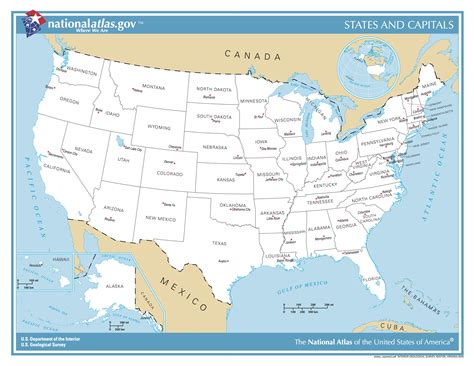
The United States of America comprises fifty states, each with its own distinct identity and characteristics. Among these, eight states begin with the letter "M." These states are Maine, Maryland, Massachusetts, Michigan, Minnesota, Mississippi, Missouri, and Montana. They collectively cover a vast array of geographical landscapes, economic sectors, and cultural heritages, contributing uniquely to the fabric of the nation.
List of 'M' States
| State | Capital | Population (2025) | Key Features |
|---|---|---|---|
| Maine | Augusta | 1.4 million | Coastal landscapes, Acadia National Park, maritime economy |
| Maryland | Annapolis | 6.2 million | Proximity to Washington D.C., Chesapeake Bay, diverse industries |
| Massachusetts | Boston | 7.1 million | Historical significance, educational institutions, technology hub |
| Michigan | Lansing | 10 million | Great Lakes, automotive industry, diverse natural resources |
| Minnesota | St. Paul | 5.7 million | Lakes and forests, Twin Cities, robust healthcare system |
| Mississippi | Jackson | 3 million | Rich cultural heritage, Mississippi River, agricultural economy |
| Missouri | Jefferson City | 6.2 million | Gateway Arch, diverse landscapes, manufacturing and agriculture |
| Montana | Helena | 1.2 million | Expansive wilderness, Rocky Mountains, tourism and mining |
Detailed Analysis of Each 'M' State
1. Maine
Maine, the easternmost state in the United States, is renowned for its picturesque coastal towns, maritime history, and vast natural landscapes. The state's economy is significantly driven by industries such as fishing, forestry, and tourism. Acadia National Park, located on Mount Desert Island, attracts millions of visitors annually with its stunning vistas and diverse ecosystems. Additionally, Maine is famous for its lobster and blueberry production, contributing to its agricultural sector.
2. Maryland
Maryland, strategically located near the nation’s capital, Washington D.C., plays a pivotal role in the federal government and defense sectors. The state boasts a diverse economy encompassing biotechnology, information technology, and manufacturing. The Chesapeake Bay, the largest estuary in the United States, is central to Maryland's identity, supporting both the fishing industry and recreational activities. Historic cities like Annapolis, with its naval academy, highlight Maryland's rich cultural heritage.
3. Massachusetts
Massachusetts is a cornerstone of American history and education. Home to prestigious institutions such as Harvard University and the Massachusetts Institute of Technology (MIT), the state is at the forefront of research and innovation. Boston, the state capital, is known for its pivotal role in the American Revolution, vibrant cultural scene, and as a hub for finance and technology industries. Massachusetts also features diverse geographical landscapes, from the rolling hills of Cape Cod to the majestic Berkshires.
4. Michigan
Michigan is uniquely positioned with its Great Lakes bordering four of its sides, providing extensive freshwater resources and opportunities for commerce and recreation. The state is historically significant for its automotive industry, particularly in Detroit, known as the "Motor City." In recent years, Michigan has diversified its economy to include technology, aerospace, and renewable energy sectors. Additionally, Michigan's natural beauty is showcased through its numerous parks, forests, and waterways, making it a prime location for outdoor enthusiasts.
5. Minnesota
Minnesota, often referred to as the "Land of 10,000 Lakes," is characterized by its abundant natural resources, including vast forests and numerous lakes. The Twin Cities of Minneapolis and St. Paul are economic powerhouses, housing major corporations in healthcare, finance, and retail. Minnesota is also known for its robust education system, innovative healthcare facilities, and vibrant cultural institutions. The state's cold climate and natural landscapes offer unique recreational opportunities such as ice fishing, skiing, and hiking.
6. Mississippi
Mississippi, located in the Deep South, is steeped in rich cultural traditions, particularly in the realms of music and literature. The Mississippi River serves as a vital waterway for transportation and commerce, supporting the state's agricultural sector. Key industries in Mississippi include shipbuilding, automotive manufacturing, and biotechnology. The state also places a strong emphasis on education and historical preservation, with numerous museums and cultural sites honoring its heritage.
7. Missouri
Missouri is a state of considerable diversity, both geographically and economically. The iconic Gateway Arch in St. Louis symbolizes the state’s role as a gateway to the western United States. Missouri's economy is multifaceted, encompassing sectors such as agriculture, aerospace, and manufacturing. The state boasts a varied landscape, from the Ozark Mountains to the fertile plains of the Mississippi River basin. Additionally, Missouri has a vibrant cultural scene, with a rich history in music genres like jazz and blues.
8. Montana
Montana, known for its expansive wilderness and stunning natural beauty, is a haven for outdoor enthusiasts. The state's economy is primarily driven by agriculture, mining, and tourism. Iconic landmarks such as Glacier National Park and Yellowstone National Park attract millions of visitors each year. Montana's low population density and vast open spaces offer a unique lifestyle, promoting a strong sense of community and a deep connection to nature. The state also has a rich Native American heritage, with several tribes maintaining their traditions and cultural practices.
Geographical Distribution and Diversity
The eight 'M' states are spread across various regions of the United States, each contributing uniquely to the country's diversity. Maine is located in the Northeast, Maryland in the Mid-Atlantic, Massachusetts in New England, Michigan in the Great Lakes region, Minnesota in the Midwest, Mississippi in the South, Missouri straddling the Midwest and the South, and Montana in the Northwest. This geographical spread results in a wide range of climates, from the cold winters of Minnesota and Montana to the humid subtropical climate of Mississippi.
Economic Contributions
The economic landscape of the 'M' states is varied and robust. Michigan's automotive industry has been a cornerstone of the state's economy, while Massachusetts leads in technology and education sectors. Maryland's proximity to federal institutions bolsters its biotechnology and defense industries. Minnesota's strong presence in healthcare and finance ensures economic stability, whereas Missouri's manufacturing and agriculture sectors contribute significantly to its GDP. Maine and Montana rely heavily on natural resources and tourism, providing sustainable economic models based on their natural landscapes. Mississippi's agriculture and shipbuilding industries, combined with Missouri's aerospace sector, highlight the multifaceted economic contributions of these states.
Cultural and Historical Significance
The cultural heritage of the 'M' states is rich and diverse. Massachusetts is a historical epicenter from the American Revolution, Massachusetts Boston Tea Party, and foundational events shaping the nation. Maryland's Chesapeake culture blends Native American, African, and European influences, evident in its cuisine and traditions. Michigan's Motor City legacy has had a global impact on the automotive industry and music genres like Motown. Minnesota fosters a vibrant arts scene, particularly in music and theater, while Mississippi's contributions to blues and literature are internationally recognized. Missouri's role in westward expansion and jazz music adds to its historical allure. Montana's Native American heritage and wilderness preserve its cultural and natural treasures, while Maine's maritime history and scenic beauty attract artists and writers alike.
Educational Institutions and Innovations
Educational excellence is a hallmark of several 'M' states. Massachusetts is home to world-renowned universities such as Harvard and MIT, which drive innovation in technology, medicine, and the sciences. Minnesota's educational institutions, including the University of Minnesota, are leaders in research and public service. Maryland boasts the Johns Hopkins University, a leader in medical research and healthcare innovation. Michigan's universities, such as the University of Michigan, contribute significantly to automotive engineering and technology advancements. These institutions not only foster academic excellence but also contribute to the economic and technological growth of their respective states.
Natural Landscapes and Environmental Initiatives
The 'M' states are characterized by their remarkable natural landscapes, which play a crucial role in both their identities and economies. Maine's rugged coastlines and forests provide habitats for diverse wildlife and support a thriving tourism industry. Montana's vast wilderness areas, including national parks and forests, are centers for conservation efforts and outdoor recreation. Minnesota's numerous lakes and forests are integral to its ecosystem and recreational appeal. Michigan's Great Lakes shores are vital for both environmental sustainability and economic activities. Environmental initiatives across these states focus on preserving natural resources, promoting sustainable tourism, and mitigating the impacts of climate change through innovative policies and community engagement.
Conclusion
The eight US states that begin with the letter "M" collectively embody a wide spectrum of American life, from the bustling metropolitan areas of Massachusetts and Michigan to the serene landscapes of Maine and Montana. Each state contributes uniquely to the nation's economy, culture, and environmental stewardship. Understanding the diversity and significance of these states provides a deeper appreciation for their roles within the broader tapestry of the United States.
References
Last updated January 19, 2025