
Navigating U.S. Tariff Adaptation: A Closer Look at Economic Resilience
Understanding economic adjustments amidst tariff pressures
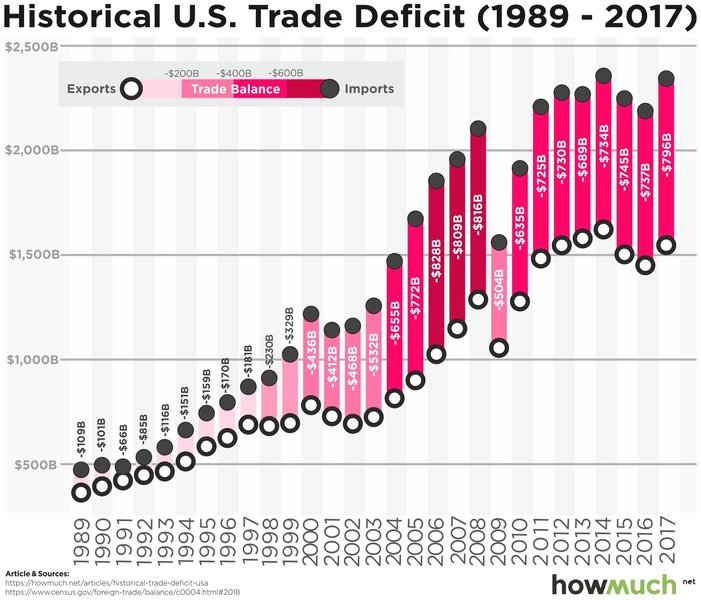
Key Insights
- Short-Term Disruptions vs. Long-Term Adjustments: Immediate price increases and inflation contrast with the U.S. economy's adaptive capacity over time.
- Sectoral and Consumer Impacts: While some industries face tough challenges, diversification and supply chain reconfiguration play a key role in mitigating harm.
- Economic Feedback Loops: Tariffs create feedback loops affecting GDP growth, employment, and consumer behavior which require careful policy responses.
Understanding the Impact of Tariffs and Adaptation Dynamics
The discussion surrounding tariffs and the U.S. economy encompasses a wide spectrum of insights, ranging from the immediate impacts on prices and inflation to longer-term consequences on GDP growth, employment, and trade dynamics. While some experts maintain that the U.S. economy possesses the resilience to adapt to tariffs with minimal long-term harm, a comprehensive analysis of historical data and current economic structures suggests a more intricate outcome. Here, we synthesize detailed insights to present an in-depth exploration of how tariffs influence economic activities and what adaptation truly entails.
Short-Term Economic Disruptions and Consumer Impact
Price Increases and Inflation
Tariffs, by their nature as taxes on imported goods, induce immediate price increases. Economic models and historical evidence indicate that when tariffs are implemented, U.S. businesses often pass on these additional costs to consumers. This can result in a surge in the overall price level, leading to inflationary pressures. For many households, even relatively small incremental costs on everyday goods accumulate over time, effectively reducing real disposable income.
Moreover, short-term price hikes can temporarily dampen consumer confidence, affecting spending behavior. The immediate shock is not limited to price increments; it also includes the broader uncertainty that tariffs may bring by altering market expectations. However, some businesses can exploit this period of adjustment by seeking alternative suppliers or localizing production to mitigate persistent price shocks.
Economic Adaptation Capacity: Resilience in the Face of Tariffs
Supply Chain Reconfiguration and Innovation
A crucial factor in determining the long-term impact of tariffs is the ability of U.S. companies to adjust their supply chains. Several sectors have already witnessed companies modifying their procurement strategies, such as sourcing domestically or from countries not subject to similar tariffs. Adaptation is further catalyzed by innovations in production processes and retooling efforts—initiatives that directly counteract tariff-induced cost increases.
This process of adaptation, however, is not instantaneous. It involves strategic changes that range from altering manufacturing processes to developing new market channels. Although these changes can help neutralize some negative effects, the transitional phase can still be marked by economic friction as companies calibrate to new cost structures.
Trade Wars and International Retaliation
Beyond domestic responses, U.S. tariffs frequently set in motion reactions on the international stage. Trade partners may retaliate with their own tariff measures. This escalation can lead to reduced export competitiveness for U.S. producers, thereby impacting aggregate demand and deepening economic uncertainties. Empirical analyses have shown that retaliatory tariffs often target critical industries, further complicating the long-term economic landscape.
Thus, while some economists argue that market adjustments and supply chain diversification may sustain domestic trade and investment, others point to the persistent risk of trade wars. The process of adaptation in this context becomes a balancing act between mitigating domestic inflationary trends and managing the external dynamics of international trade.
Long-Term Implications of Tariff Policies
Economic Growth, Investment, and GDP Impact
GDP Growth and Structural Shifts
Long-term effects of tariffs extend to fundamental measures of economic performance such as GDP growth. Economic projections suggest that sustained tariff policies contribute to a reduction in GDP by negatively affecting productive capacity. For instance, various studies have estimated that tariffs can lead to a GDP reduction in the range of approximately 0.4% to 0.65%. This reduction is partially driven by increased costs throughout the supply chain and a decline in economic output as markets recalibrate.
These structural shifts also affect capital investment, as businesses become more cautious in a policy environment marked by volatility and uncertainty. With decreased investment, the potential for long-term innovation and growth is also likely diminished, creating a cycle where reduced economic dynamism further limits the capacity for adaptation.
Employment and Sectoral Shifts
Employment is another critical area affected by tariff policies. Job losses in sectors that rely heavily on international supply chains or are directly exposed to import cost pressures are a frequent consequence. For example, estimates have indicated the loss of tens of thousands of full-time equivalent jobs in sectors such as automotive manufacturing and wind energy, due to both direct and retaliatory tariff measures.
It is important to note that while domestic industries might experience temporary gains due to relocation of production or shifts in investment, these benefits often come at the expense of broader economic efficiency and global market integration. Companies forced to diversify their production may incur additional costs, and consumers ultimately bear these costs through higher prices.
Consumer Costs and Inflationary Dynamics
Sustained Inflation and Household Budgets
Beyond the immediate price adjustments, the persistent nature of tariffs can lead to an inflationary cycle that affects long-term household budgets. While short-term adaptation may see households reducing discretionary spending or seeking alternative products, sustained tariffs can lead to systemic inflation. This, in turn, erodes consumer purchasing power—a critical variable in the health of the economy.
The cumulative effect on household spending can manifest as a consistent cost burden, potentially reaching levels where average households witness an annual financial impact of several hundred to a few thousand dollars. This widespread economic pressure further complicates the debate on whether the economy can fully adapt without enduring long-lasting harm.
Visualizing Economic Impact and Adaptation: Radar Chart and Mindmap
The following radar chart provides a visual representation of key economic factors influenced by tariffs. The indicators include short-term consumer price changes, GDP impacts, employment figures, supply chain adaptability, and inflationary pressures. These datasets represent a synthesis of our comprehensive analysis and highlight the relative strengths and vulnerabilities of various economic dimensions.
The radar chart above juxtaposes economic vulnerabilities against the capacity for adaptation. The lower scores in GDP Impact and Employment illustrate the potential risks if tariff-induced pressures are allowed to persist, while improvements in Supply Chain Adaptation indicate areas where innovative responses can mitigate adverse effects.
To further conceptualize the adaptation process, we present a mindmap that structures the interconnected facets of tariff impacts and economic adjustments.
The mindmap offers a visual overview of how tariffs interplay with various economic elements and highlights the adaptive measures that companies and governments may adopt. It underscores the connection between immediate tariff effects and longer-term structural adjustments within the economy.
Integrated Data Overview: Economic Impact Table
The table below compiles a comprehensive summary of tariff-induced effects, ranging from consumer prices to employment and industrial shifts. This table helps identify key areas requiring policy intervention and industry adaptation.
| Aspect | Short-Term Impact | Long-Term Impact | Adaptation Measures |
|---|---|---|---|
| Consumer Prices | Immediate increase due to pass-through costs | Sustained inflation diminishing purchasing power | Alternative sourcing; reduced discretionary spending |
| GDP and Economic Growth | Temporary slowdown; uncertainty affecting investment | Potential GDP reduction up to 0.65% | Reallocation of capital; technology-driven efficiency gains |
| Employment | Sector-specific job losses (e.g., automotive) | Long-term decline in labor market participation | Reskilling; increased domestic production initiatives |
| Trade and International Relations | Initial trade imbalances; defensive measures | Risk of trade wars reducing export competitiveness | Diversification of trade partners; bilateral negotiations |
| Supply Chain Dynamics | Disruptions in procurement and logistics | Reconfiguration of global supply networks | Investments in local production and innovation |
Exploring Diverse Perspectives Through Multimedia
Several prominent economists and commentators have discussed the multifaceted impact of tariffs. Embedded below, you will find a video analysis that delves further into how tariff policies interact with economic dynamics and what mechanisms underpin the adaptive capacity of the U.S. economy.
This video offers deeper insights by juxtaposing historical tariff episodes with modern policy analyses and highlights practical examples of business responses to tariff-induced pressures.
FAQs
What are the immediate effects of tariffs on consumers?
Immediate effects include an increase in consumer prices due to added costs from tariffs, which may reduce disposable income and overall consumer spending in the short term.
Can U.S. businesses fully offset the impact of tariffs?
While many businesses adopt adaptive strategies like reconfiguring supply chains and innovating production processes, complete offsetting of tariff impacts is challenging, particularly in sectors highly dependent on international trade.
What are the long-term risks associated with sustained tariffs?
Long-term risks include slower GDP growth, persistent inflation, reduced employment, and increased potential for trade wars. These factors may contribute to structural shifts in the economy that are difficult to reverse.
How do international trade dynamics affect domestic adaptation?
International dynamics, including retaliatory tariffs and trade wars, can complicate adaptation strategies by reducing export competitiveness and creating uncertainty, thereby intensifying domestic economic disruption.
References
- Trump Tariffs Trade War – Tax Foundation
- Impact of Tariffs on the U.S. Economy – RBC Thought Leadership
- Tariff Policy and Economic Power – Chatham House
- Tariffs, Inflation and Global Impact – NPR
- Fiscal and Economic Effects of Tariffs – Yale Budget Lab
Recommended Further Queries
Last updated April 2, 2025