
Unpacking the United States in May 2025: Current Dynamics and Key Actions
A comprehensive look at the political, economic, and policy landscape shaping America today.
Highlights: Understanding the Moment
- Dynamic Political Activity: The U.S. political scene is marked by significant executive actions and policy initiatives, with former President Trump's influence prominently noted in trade, budget, and global health spheres as of early 2025.
- Economic Crosscurrents: The economy shows resilience with steady job growth (e.g., +177,000 jobs in April 2025), yet faces headwinds from ongoing trade tensions, proposed domestic spending cuts, and regulatory shifts.
- Proactive Trade & Foreign Policy: An "America First" trade strategy continues, utilizing tariffs and negotiations, while the Office of Foreign Assets Control (OFAC) actively enforces sanctions as a key foreign policy instrument.
Navigating the Current US Landscape
Political Dynamics and Leadership
As of May 3, 2025, the United States is navigating a period of active political maneuvering and policy implementation. Sources indicate a continued significant role or influence of former President Donald J. Trump, particularly through executive actions and policy agendas initiated or discussed in 2025. The White House and associated executive agencies are implementing policies reflecting these priorities, shaping both domestic affairs and international relations. The political discourse includes debates surrounding initiatives like "Project 2025," a comprehensive policy agenda often associated with conservative movements aiming to reshape the federal government, reflecting ongoing discussions about the nation's future direction.
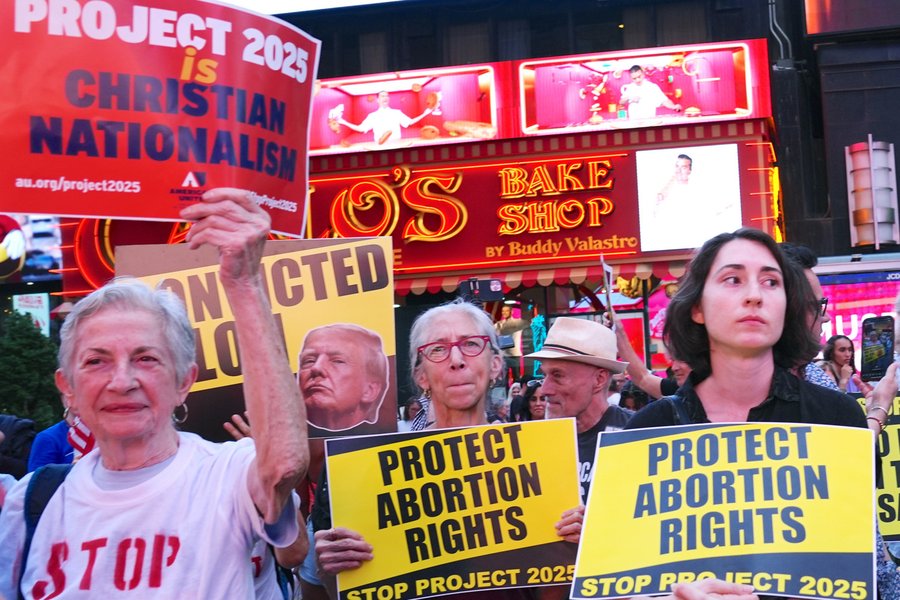
Public awareness and perception of policy proposals like Project 2025 are part of the current political discussion.
Economic Pulse: Growth Amidst Pressure
The U.S. economy presents a mixed picture. On one hand, the labor market demonstrates resilience, with reports indicating the addition of approximately 177,000 jobs in April 2025. This suggests underlying strength despite broader economic challenges. On the other hand, significant pressures exist. Trade tensions, particularly with China, continue to cast uncertainty. Furthermore, proposals for substantial domestic budget cuts, including a reported $163 billion reduction plan targeting areas like healthcare and housing, aim to reduce regulatory burdens and potentially offer price relief but also raise concerns about impacts on social programs and economic demand. The administration's focus on tariffs and reciprocal trade agreements further shapes the economic environment.
Key Governmental Actions and Policies
The U.S. government is actively engaged in shaping policy across multiple fronts, utilizing executive orders, regulatory changes, trade negotiations, and sanctions enforcement.
Trade Policy: The "America First" Agenda
Trade remains a central focus, guided by an "America First" principle emphasizing reciprocity and addressing perceived unfair practices by foreign nations.
Tariffs and Negotiations
Tariffs continue to be a primary tool. While a 90-day pause on certain new tariffs was announced earlier, existing tariffs on goods from key trading partners like Mexico and Canada remain in effect. Tensions with China are particularly prominent, with ongoing discussions reported between the two nations regarding tariffs and a potential trade deal. Despite the friction, China has indicated that the "door is open" for trade talks, and U.S. officials like Treasury Secretary Scott Bessent have expressed cautious optimism about tensions potentially calming down. However, the prospect of a full-blown trade war remains a significant concern for the global economy.
USTR Initiatives
The Office of the United States Trade Representative (USTR) plays a crucial role in implementing the administration's trade agenda. The USTR has released President Trump's 2025 Trade Policy Agenda and the 2025 National Trade Estimate (NTE) Report on Foreign Trade Barriers. These documents outline priorities for reducing trade deficits, protecting U.S. industries, and ensuring reciprocal market access. The USTR is also involved in reviewing existing trade actions, such as those under Section 301 concerning China's trade practices.
Presidential Actions and Executive Orders
Since January 2025, a series of presidential actions, including executive orders and proclamations, have been issued. These directives cover a wide range of areas:
- Global Health: Actions directly address or affect U.S. global health funding and policy engagement.
- Economic Regulation: Efforts focus on reducing regulatory burdens, particularly in sectors like housing and healthcare, framed as providing "emergency price relief."
- Trade and Tariffs: Formalizing tariff actions and guiding ongoing trade negotiations.
- Law Enforcement: Measures aimed at strengthening law enforcement capabilities and public safety.
- Media Subsidization: Actions potentially related to ending taxpayer funding for what the administration deems biased media.
These actions reflect the administration's priorities in shaping domestic policy and the U.S. role internationally.
The following table summarizes some of the key policy domains and associated actions highlighted in recent reports:
| Policy Area | Focus | Key Actions Mentioned (Early 2025) | Relevant Body/Entity |
|---|---|---|---|
| Trade Policy | "America First", Reciprocity, Addressing Barriers | Tariffs (China, Mexico, Canada), Negotiations, USTR Reports (2025 Trade Agenda, NTE), Section 301 Review | USTR, White House |
| Budget & Economy | Spending Cuts, Regulatory Relief, Price Control | Proposed $163B Budget Cut, EOs on Price Relief (Housing, Health), Job Market Monitoring | White House, Congress, Treasury |
| Foreign Sanctions | National Security, Foreign Policy Goals | Active Enforcement via OFAC targeting Russia, Venezuela, Cyber Threats, Iran, Iraq, Lebanon, Nicaragua | OFAC (Treasury), State Department |
| Global Health | US Role & Funding Allocation | Executive Orders impacting US global health programs and funding | White House, relevant agencies |
| Law Enforcement | Strengthening Domestic Security & Order | Executive Orders related to supporting law enforcement personnel and initiatives | White House, Department of Justice |
| International Diplomacy | Conflict De-escalation, Alliance Management | Urging restraint between India and Pakistan (Kashmir situation) | State Department, White House |
Sanctions as a Foreign Policy Tool
Sanctions remain a critical component of U.S. foreign policy and national security strategy.
OFAC Enforcement
The Department of the Treasury's Office of Foreign Assets Control (OFAC) actively manages and enforces numerous sanctions programs. These programs target specific countries (e.g., Russia, Venezuela, Iran, Iraq, Lebanon, Nicaragua) and activities deemed threats to U.S. interests, such as cyber-related malicious activities. Updates to these sanctions programs are regularly issued, reflecting ongoing geopolitical developments and U.S. responses. Recent updates mentioned include those related to cyber sanctions (March 21, 2025) and Venezuela-related sanctions (March 24, 2025).
Domestic Focus: Social and Legislative Currents
Internal dynamics within the U.S. also shape the national situation.
Protests and Public Discourse
Social issues and public sentiment find expression in events like the May Day protests anticipated or occurring around May 1st, 2025. These demonstrations often focus on labor rights, immigration policies, and economic inequality, reflecting ongoing societal debates and calls for action.
State vs. Federal Debates (e.g., Marijuana)
Tensions between state-level policies and federal law persist in areas like marijuana legalization. While numerous states have legalized cannabis for recreational or medical use, it remains classified as a controlled substance at the federal level. This discrepancy creates legal and regulatory complexities and fuels ongoing debate about potential federal reform. Similarly, state-level actions, such as Texas enacting a large school voucher program, can reflect broader national trends or conflicts in policy direction.
Visualizing Policy Priorities
The following chart offers a subjective visualization of the relative emphasis placed on key policy areas, based on the frequency and prominence observed in recent reports (scored 1-10, where 10 represents maximum emphasis). This is an interpretative representation intended to highlight focus areas within the current U.S. governmental actions.
This chart suggests a strong focus on Sanctions Enforcement and Trade Protectionism, followed closely by Domestic Spending Control and Regulatory Relief. Global Health Action and active Diplomatic Engagement appear as relatively lower, though still present, priorities based on the analyzed information.
Mapping the Interconnections
The current situation in the United States involves a complex interplay of political decisions, economic factors, international relationships, and domestic issues. The mindmap below illustrates some of these key interconnected elements as of May 2025.
(May 2025)"] Politics id1["Trump Administration Influence"] id1a["Executive Orders (EOs)"] id1b["'America First' Agenda"] id2["Political Climate"] id2a["Budget Debates ($163B Cut Proposal)"] id2b["Project 2025 Discussions"] id2c["State-Level Policy Shifts (e.g., Texas Vouchers)"] Economy id3["Labor Market"] id3a["Resilient Job Growth (Apr '25: +177k)"] id4["Economic Pressures"] id4a["Trade Tensions Impact"] id4b["Inflation/Price Concerns"] id4c["Regulatory Relief Efforts (Housing, Health)"] Trade id5["US-China Relations"] id5a["Ongoing Tensions & Tariffs"] id5b["Potential for Talks ('Door is Open')"] id5c["USTR Policy Implementation"] id6["Other Trade Actions"] id6a["Tariffs on Mexico & Canada (Unaffected by pause)"] id6b["Reciprocity Focus"] Foreign Policy id7["Sanctions Regime"] id7a["OFAC Enforcement Active"] id7b["Targets: Russia, Venezuela, Cyber, Iran, etc."] id8["Diplomacy"] id8a["Urging India-Pakistan Restraint (Kashmir)"] id8b["Global Health Policy Adjustments (via EOs)"] Domestic Issues id9["Social Movements"] id9a["May Day Protests (Labor, Immigration, Inequality)"] id10["Policy Debates"] id10a["Marijuana Legalization (Federal vs. State Divide)"] id10b["Public Discourse on Governance"]
This mindmap highlights how executive actions influence the economy and trade, how trade policy impacts international relations and domestic economics, and how domestic social issues intersect with political debates and policy decisions.
A Perspective on the Situation
Public commentary and analysis offer diverse perspectives on the current state of affairs in the USA. The following video presents one individual's thoughts on the situation, contributing to the broader conversation. Please note that this represents a personal viewpoint.
Video commentary titled "My Thoughts on Current USA Situation….! 🧐" offering a perspective on events.
This video, published a couple of months prior to May 2025 but gaining significant views, reflects the ongoing public interest and engagement with the complex dynamics unfolding within the United States. Views expressed are those of the creator.
Frequently Asked Questions (FAQ)
Recommended
- Explore a detailed analysis of the 2025 US Trade Policy Agenda and its global implications.
- Investigate the potential impact of proposed U.S. budget cuts on specific domestic programs.
- Learn more about the current OFAC sanctions programs and any recent updates or changes.
- Understand the ongoing conflict between federal and state laws regarding marijuana legalization in the US.
References
 static.usatoday.com
Last updated May 3, 2025