
UScellular Service Status: What You Need to Know Today
Staying Informed About Potential UScellular Outages and Coverage
For UScellular customers, staying informed about the current status of their mobile service is crucial. Like any large network provider, UScellular can occasionally experience service disruptions or outages. Understanding how to check for these issues and what resources are available is essential for minimizing inconvenience.
Key Takeaways Regarding UScellular Service Today
- Real-time status checks are available: Websites like Downdetector and Is It Down Right Now provide current user-submitted reports of UScellular issues, giving a snapshot of potential problems in the last 24 hours.
- Coverage can vary: Even without a widespread outage, service availability and quality can differ significantly based on location, terrain, weather, and even the building you are in. Checking the official UScellular coverage map is vital.
- Official support channels offer information: For definitive information and assistance, contacting UScellular's official customer support through their website, phone number, or physical stores is recommended.
Checking for UScellular Outages in Real-Time
When you experience issues with your UScellular service, such as no signal, dropped calls, or slow mobile internet, the first question that often comes to mind is whether there is a widespread outage. Several online resources aggregate user reports to provide real-time insights into the service status of major carriers, including UScellular.
Utilizing Third-Party Outage Trackers
Websites like Downdetector and Downforeveryoneorjustme.com are popular tools for checking if others are reporting similar problems with UScellular. These sites collect user-submitted reports and can indicate a surge in issues, suggesting a potential localized or broader outage. They often provide heat maps showing where reports are concentrated, which can be helpful in determining if the problem is in your specific area.
Understanding Downdetector and Heat Maps
Downdetector's methodology involves comparing the current number of problem reports to the typical volume for that time of day. If the number of reports is significantly higher than usual, it indicates a potential incident. Their heat maps visually represent the concentration of these reports, with red areas indicating a higher density of reported problems. While these sites are useful for gaining a quick overview based on user feedback, they are not official reports from UScellular.
A sample heat map showing reported UScellular issues.
Other Outage Reporting Websites
Other sites like Outage.report and Isitdownrightnow.com also track and report on the status of various online services, including UScellular. These platforms function similarly by gathering user complaints and providing a status based on the reported volume. They can offer additional perspectives and confirm if issues are being reported across multiple platforms.
Understanding UScellular Coverage vs. Outages
It's important to distinguish between a service outage and simply being in an area with limited or no coverage. Even when the UScellular network is operating normally, you might experience signal issues if you are outside their coverage area, in a building with poor signal penetration, or in a location with natural obstructions like mountains or dense foliage.
Checking the Official UScellular Coverage Map
The most reliable way to understand expected service in a specific location is by consulting the official UScellular coverage map. This map provides a visual representation of their network coverage, including areas with 5G, 5G+, and older network technologies. It's crucial to remember that coverage maps represent predicted signal strength and may not always reflect real-world performance, which can be affected by various environmental factors.
The official UScellular coverage map.
Factors Affecting Coverage
Several factors can influence your actual cellular coverage:
- Location: Coverage varies significantly between urban, suburban, and rural areas.
- Terrain: Hills, mountains, and valleys can obstruct signals.
- Buildings: Walls, especially those made of concrete and metal, can weaken signals indoors.
- Weather: Severe weather conditions can sometimes impact network performance.
- Device: The type and age of your phone can affect its ability to connect to different network bands and technologies.
Troubleshooting Steps Before Assuming an Outage
If you're experiencing service issues, consider these troubleshooting steps before concluding there's an outage:
- Restart your phone.
- Toggle airplane mode on and off.
- Check your phone's signal strength indicator.
- Ensure your phone's software is up to date.
- Verify that your account is in good standing and your service hasn't been suspended.
Official UScellular Support and Resources
When in doubt or if troubleshooting doesn't resolve your service issues, contacting UScellular directly is the most effective approach. Their customer support can provide the most accurate and up-to-date information regarding any known outages or network issues in your area.
Contacting UScellular Customer Service
UScellular offers various ways to get in touch with their support team:
- Phone: You can call their customer service line at 888-944-9400. Their hours are typically Monday-Friday, 7 am-10 pm CT, and Saturday/Sunday, 7 am-9 pm CT.
- Online Support Center: The UScellular website has a comprehensive support section with FAQs, how-to guides, and articles covering a wide range of topics, including network coverage and troubleshooting.
- My UScellular Account: Logging into your My UScellular account online or through the app can provide personalized information related to your service and account status.
- In-Store Visit: Visiting a local UScellular store allows you to speak with a representative in person and get assistance with your device or service issues.
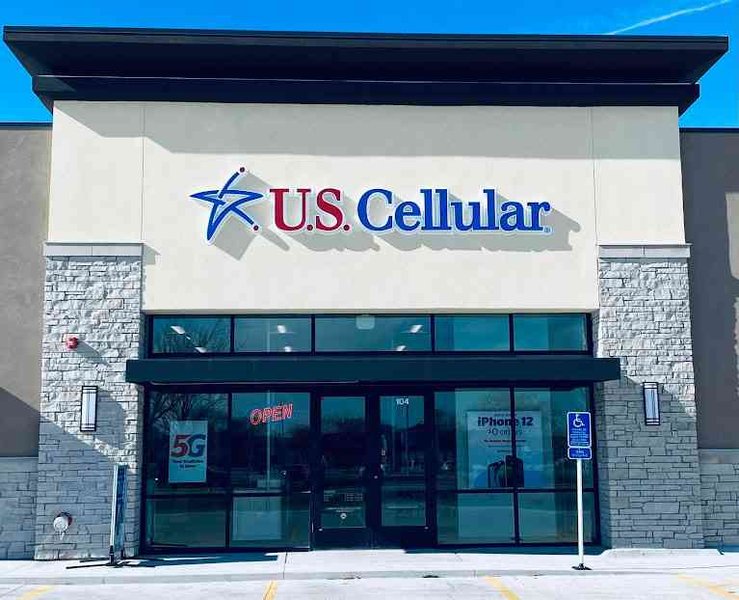
A UScellular retail location.
Information Available Through Support Channels
When contacting UScellular support, they can:
- Confirm if there are any reported outages in your specific location.
- Assist with troubleshooting steps specific to your device and plan.
- Provide information about network upgrades or maintenance that might be affecting service.
- Offer solutions or compensation if a confirmed outage has significantly impacted your service.
Historical UScellular Outage Data
Reviewing past outage data can provide context, although it doesn't predict future issues. Websites that track outages often maintain historical records of reported incidents, including their duration.
Examining Past Service Disruptions
Looking at historical data on sites like Downforeveryoneorjustme.com or Outage.report shows that UScellular, like all carriers, has experienced intermittent issues in the past. These records typically include dates and times of reported problems and sometimes an estimated duration of the disruption.
| Date | Approximate Time | Duration | Reported Problem |
|---|---|---|---|
| Nov 12, 2024 | 6:22 AM (ET) | 56 minutes | Problem with service resolved. |
| Feb 22, 2024 | Unknown | 3 hours 44 minutes | Outage detected. |
It's important to note that these historical reports are based on user submissions and outage detection algorithms, not official UScellular logs. Therefore, they should be considered as indicators rather than definitive records of every network issue.
Factors Contributing to Cellular Outages
Cellular network outages can occur for a variety of reasons, ranging from physical damage to technical malfunctions. Understanding these potential causes can provide insight into the complexity of maintaining a reliable network.
Common Causes of Network Disruptions
Some frequent culprits behind cellular service interruptions include:
-
Equipment Failure: Malfunctions in base stations, servers, or other network infrastructure components.
-
Fiber Optic Cable Cuts: Damage to the underground or overhead fiber optic cables that carry network data.
-
Power Outages: Disruptions to the power supply at cell towers or switching centers.
-
Software Glitches: Errors or bugs in the network's operating software.
-
Severe Weather: Storms, hurricanes, or other extreme weather events can damage equipment or disrupt power.
-
Construction or Excavation Damage: Accidental cutting of cables during building or road work.
-
Cyberattacks: Malicious attempts to disrupt network operations (though less common for widespread, long-lasting outages).
-
Increased Traffic: Sudden and overwhelming surges in network usage, such as during large events.
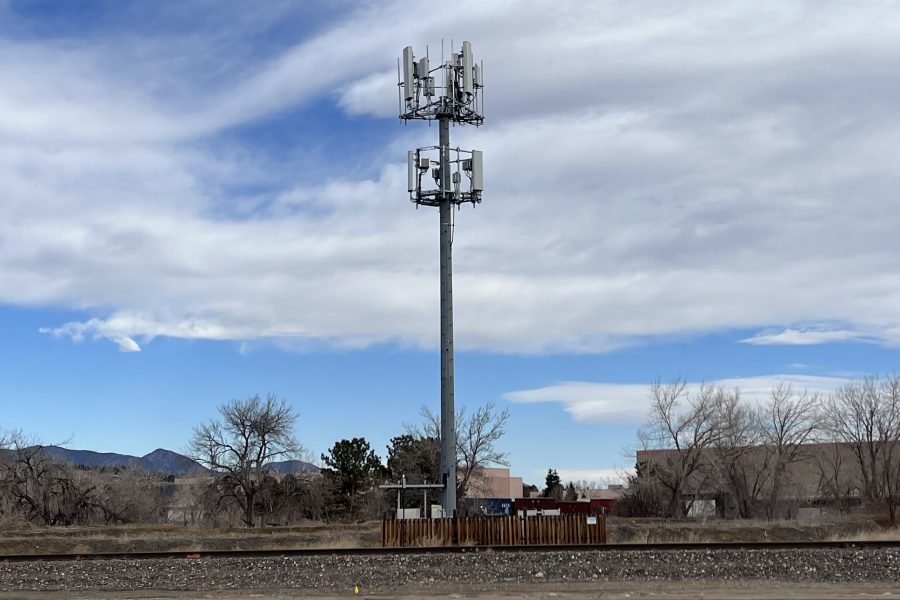
Cell towers are essential components of the network infrastructure.
Network providers continuously monitor their systems and work to quickly identify and resolve any issues that arise to minimize the impact on customers.
Related Information and Broader Outages
While the user query specifically asks about UScellular, it's worth noting that cellular outages can sometimes affect multiple carriers simultaneously, often due to shared infrastructure or widespread events.
Nationwide Cellular Outages
There have been instances of widespread cellular outages affecting multiple providers across the United States. These events are less common than localized issues but can have a significant impact due to their scale. News reports and national outage trackers would provide information on such events.
This video discusses a past widespread cellular outage that affected multiple carriers in the U.S.
This video highlights a notable instance where cell phones across the U.S. experienced service disruptions affecting various carriers, including AT&T and others. Such events underscore the interconnectedness of communication infrastructure and the potential for widespread impact from certain incidents. Understanding the nature and cause of such broader outages often requires information from multiple sources and official statements from the affected carriers.
Regional Disaster Response
In areas affected by natural disasters, cellular service can be significantly impacted. UScellular, like other carriers, often has specific plans and resources for responding to disasters to restore and maintain service in affected regions.
Frequently Asked Questions About UScellular Service
How can I report an outage to UScellular?
While you can report issues on third-party websites, the most direct way to inform UScellular is by contacting their customer service via phone or through their official support channels online. This allows them to log your specific issue and location.
Will UScellular compensate me for an outage?
Policies regarding compensation for service outages can vary. It's best to contact UScellular customer service directly to inquire about potential compensation if you believe your service was significantly impacted by a confirmed outage.
How accurate are third-party outage maps?
Third-party outage maps and trackers are based on user-submitted reports and algorithms. They can be good indicators of potential issues and their concentration, but they are not official reports from the carrier and may not always reflect the complete picture of the network's status.
Why is my internet slow but calls work?
Different network technologies handle voice calls and data separately. Issues affecting data speeds might not necessarily impact voice service, and vice versa. This could be due to localized network congestion, a problem with data-specific infrastructure, or issues with your device's data settings.
What should I do if I have no service in an area shown on the coverage map?
If you are in an area that the official coverage map indicates should have service but you are experiencing issues, try the basic troubleshooting steps mentioned earlier (restarting phone, toggling airplane mode). If the problem persists, contact UScellular customer service to investigate further. They can check for localized issues or provide specific troubleshooting advice for your location.
References
Last updated May 11, 2025