
Understanding a User Research Repository
A comprehensive guide to storing and utilizing user research insights
Key Highlights
- Centralized Knowledge Base: Acts as a single source of truth for all user research data, enabling easy access and cross-departmental collaboration.
- Enhanced Decision-Making: Provides historical and real-time insights used to support evidence-based business decisions.
- Efficient Research Practices: Minimizes redundancy while promoting continuous learning and consistent application of user research findings.
Overview of a User Research Repository
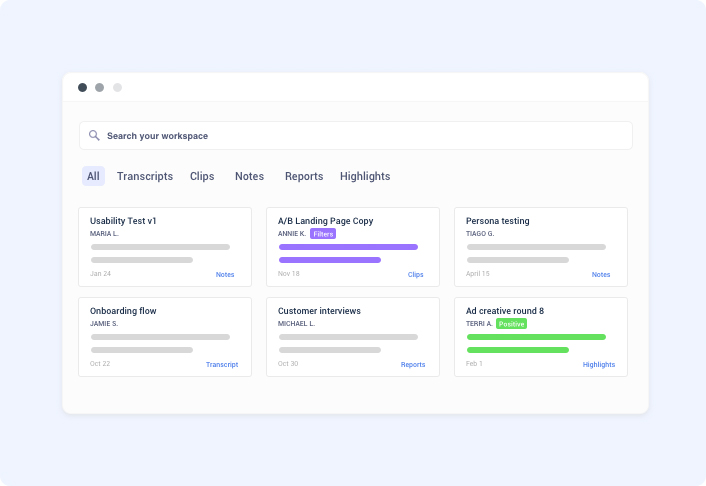
A user research repository is a centralized, digital system designed to store, organize, and manage the wide spectrum of data and insights derived from user research activities. It serves as a robust database where every piece of artifact from interviews, usability tests, surveys, and field studies is meticulously archived. The repository is built to function as a single, accessible source of truth for design, product development, marketing, and other teams across an organization. The core aim of this repository is to democratize access to research insights, thereby informing and guiding informed decision-making processes and streamlining product development cycles.
Core Components of a User Research Repository
Establishing a user research repository means curating and organizing information in a manner that ensures its maximum utility. The primary components span several types of data and artifacts, which can include:
Detailed Components
Research Reports & Summaries
This includes comprehensive reports that summarize findings from various research activities. These reports often distill key insights, recommendations, and user pain points into digestible formats for decision-makers.
Interview Notes and Recordings
Interviews with users provide qualitative insights which are stored as both text notes and audio or video recordings. Transcriptions of these interviews are often part of the repository to facilitate keyword-based search and thematic categorization.
Raw Data and Artifacts
Raw data collected from usability tests, surveys, and field studies form the backbone of the repository. This data is often unprocessed or lightly processed initially, allowing future analysis with advanced techniques. Artifacts such as design sketches, photographs, and screen recordings may also be included.
User Insights and Takeaways
This component emphasizes distilled insights and key takeaways. Instead of just storing raw data, these repositories allow for curated insights that can be quickly referenced by cross-functional teams.
Study Materials and Supporting Documents
Often, the research process includes the creation of study materials such as screening questionnaires, research agendas, and detail-oriented plans. Keeping these documents in the repository aids in ensuring consistency in future studies.
Benefits of Maintaining a User Research Repository
The implementation of a user research repository provides extensive benefits that contribute to the overall efficiency and effectiveness of an organization’s design and product development processes. Here are some of the significant advantages:
Accessibility & Democratization
In modern organizations, research is no longer confined solely to UX or design teams—its impact is felt by product managers, engineers, marketers, and even executive leadership. A well-maintained repository ensures that every team member has readily available access to past and current research findings. This democratization of research breaks down silos and facilitates a shared understanding of user needs across the organization.
Improved Collaboration Among Teams
Centralizing user research data fosters a collaborative culture by providing a common platform from which insights can be reviewed and discussed. With all relevant data in one place, teams can quickly identify patterns, validate assumptions, and iterate on ideas based on real user feedback. This collaborative approach ensures that design and product decisions are rooted in concrete user data rather than assumptions.
Efficiency and Consistency
A user research repository significantly enhances operational efficiency. By having archived data available, research teams can avoid redundant efforts, efficiently reference historical insights, and ensure the consistency of research methodologies over time. This systematization not only saves time and resources but also aligns ongoing research with past learnings, thus speeding up decision-making.
Enhanced Decision-Making
Data-driven product development is predicated on solid research insights. A repository assists decision-makers in understanding long-term trends, incremental changes in user behavior, and overall user experience patterns. With immediate access to organized research data, strategic choices—from product roadmaps to interface adjustments—are made with better context and lower risk.
Long-Term Reference and Knowledge Preservation
One of the most significant aspects of a user research repository is its role in preserving institutional memory. As teams change and projects evolve, the repository remains a constant, offering historical context that is critical for understanding past challenges and successful strategies. This archival function helps in recognizing trends over time and ensuring that valuable insights are not lost.
Key Characteristics of an Effective Repository
It is not enough to simply collect research data; the repository must be designed and maintained with the end user in mind. Characteristics of a high-quality user research repository include:
Ease of Search and Navigation
The effectiveness of the repository is largely dictated by its searchability and navigation capabilities. A robust repository should feature an intuitive search function, tagging system, and categorization framework that allows users to quickly locate relevant research materials using keywords, dates, user segments, or specific projects.
Regular Updates and Curation
Ensuring that the repository is continuously updated is crucial. Regular curation prevents the data from becoming outdated and maintains its relevance. This involves not only adding new research outputs but also periodically reviewing and refining categorization and tagging systems, ensuring that the repository evolves as the organization’s research needs expand.
Integration with Other Tools
In today’s tech-driven environment, a user research repository is often integrated with various other systems and tools. Integration with project management software, analytics platforms, and collaboration tools provides a more comprehensive view of product performance and user experience. This connectivity enables data to flow seamlessly between systems, enriching the overall research ecosystem.
Data Privacy and Security
Given the sensitivity and proprietary nature of user data, maintaining stringent data privacy and security measures is critical. A reputable user research repository incorporates access controls, compliance procedures, and data encryption to protect personal and sensitive information. This ensures that while data is easily accessible to authorized personnel, it remains secure against unauthorized access.
Comparative Analysis: Repository vs. Traditional Databases
Understanding the subtle yet significant differences between a traditional database and a user research repository is vital for organizations considering an investment in research infrastructure. Although the two share similarities, particularly in data storage, the differences are primarily reflected in their purpose and structure.
Content Specificity
While a traditional database is designed to accommodate a variety of data types and is often generic in structure, a user research repository is purpose-built to curate user research data. The repository includes features and organizational systems specifically tailored to the nuances of research methodologies, including tagging, transcription, and categorization that facilitate user research analysis.
Specialized Tools and Functionalities
A key difference is in the specialized functionalities offered by user research repositories. These systems often include custom features like auto-tagging, transcription services, and smart search capabilities optimized for user research. In contrast, traditional databases might require additional configurations and third-party integrations to support similar functionalities.
Support for Collaborative Workflows
Collaboration is another area where user research repositories shine. They are designed with built-in sharing and annotation tools that assist teams in discussing and iterating on research findings. This collaboration is less intuitive in conventional databases, which typically emphasize structured data storage over dynamic interaction.
Implementing a User Research Repository in Your Organization
Transitioning to a user research repository requires thoughtful planning and consideration. Organizations should begin by assessing the current state of their research practices, including what data is already available and how it is currently managed. Here are some essential steps for successful implementation:
Assess Current Research Data
Take inventory of all existing user research assets. This includes surveys, interview recordings, notes, and any other artifacts. Understanding the scope and volume of data will help in designing an appropriate storage and organization strategy.
Choose the Right Platform
Decide whether to build a custom repository or adopt an existing solution that meets organizational needs. When evaluating platforms, consider usability, search functionality, integration capabilities, and scalability. A platform that can seamlessly integrate with other tools is particularly beneficial.
Standardize Data Entry and Curation
Establish clear guidelines and protocols for how data should be entered, tagged, and organized in the repository. Standardization is key to ensuring that research outputs are consistently categorized and easily searchable. This might involve creating template structures for research reports, notes, and summaries.
Train Cross-Functional Teams
For the repository to be effective, it is crucial that all stakeholders understand how to navigate and utilize it. Training sessions and documentation should be provided, ensuring that team members across every department know how to search for insights, add new research, and update existing entries.
Regular Audits and Updates
The repository must evolve along with the organization. Regular audits help identify gaps, outdated information, or inconsistent tagging. Periodic updates to the system ensure that it continues to align with shifting organizational priorities and emerging research methodologies.
Table: Comparison of Key Aspects
| Aspect | Description | Benefits |
|---|---|---|
| Centralization | All user research data stored in one system | Single source of truth, easier data retrieval |
| Collaboration | Accessible by multiple teams across different departments | Improved cross-functional communication and decision-making |
| Searchability | Utilizes tagging, keywords, and categorization | Quick identification of relevant insights |
| Integration | Seamlessly connects with project management and analytics tools | Enhanced view of overall performance and user experience |
| Data Security | Implements access controls and privacy measures | Protection of sensitive user data |
Real-World Applications and Best Practices
In today's competitive market, leveraging a user research repository offers a strategic advantage. When research data is organized and accessible, organizations can iterate on products more efficiently, better understand user behavior, and swiftly address pain points. Users of these repositories have found that:
Preventing Redundant Research
One of the significant benefits is the prevention of duplicate research efforts. By having immediate access to previous studies and findings, research teams can identify gaps rather than redoing work that has already been accomplished. This not only conserves resources but also accelerates product development timelines.
Driving User-Centered Design
With a centralized repository, the entire organization can adopt a user-centered approach. Incorporating continuous feedback loops into the product development cycle ensures that design decisions are made based on real user insights, encouraging innovation and customer satisfaction.
Tracking Research Impact Over Time
Maintaining historical data allows teams to monitor the evolution of user behavior and the impact of design changes over time. Structured repositories support trend analysis and provide empirical evidence to justify modifications or strategic pivots.
Cross-Disciplinary Utilization
A repository does not serve a single purpose or department. Instead, businesses increasingly rely on these systems to inform marketing strategies, sales approaches, and even customer support. By integrating user feedback into multiple aspects of the business, organizations can ensure a holistic approach to customer satisfaction.
Integration with Advanced Analytics and Emerging Technologies
The future direction of user research repositories is increasingly aligned with advanced analytics, artificial intelligence, and machine learning. These technologies can automatically tag and analyze user feedback, identifying hidden patterns and correlations in large datasets. As the digital landscape evolves, repositories are expected to incorporate:
Auto-Tagging and Smart Search
Automation features using AI can automatically process raw data and assign relevant tags, making it easier to search and filter through large collections of research findings. This reduces manual labor and increases the speed at which insights can be drawn.
Integration with Business Intelligence Tools
Linking user research repositories with comprehensive business intelligence platforms allows organizations to combine qualitative insights with quantitative metrics. By merging these two dimensions of data, decision-makers gain a more robust and nuanced understanding of user behavior and market trends.
Data Visualization and Reporting
Enhanced reporting capabilities, including dynamic dashboards and visualization tools, enable teams to quickly identify key trends and performance metrics. These insights are paramount in aligning the strategic goals of an organization with user expectations.
Strategizing for Future Growth
As organizations continue to evolve, the role of a user research repository will become increasingly pivotal. It is not just a tool for archiving past research; rather, it is a strategic asset that guides future innovations. Companies that harness the full potential of their research repositories are better positioned to anticipate market shifts, address emerging user needs, and foster a culture of continuous improvement.
By investing in a user research repository and integrating it effectively within the organization's workflow, businesses can ensure that the user remains at the center of all decisions. This approach not only drives customer satisfaction and loyalty but also fosters a competitive advantage in a rapidly changing market landscape.
Conclusion and Final Thoughts
In summary, a user research repository is far more than a storage solution—it is a strategic platform that consolidates, organizes, and leverages user research data to drive meaningful improvements across an organization. By serving as a single source of truth, the repository democratizes access to critical insights, fosters collaboration among cross-functional teams, and plays a vital role in evidence-based decision-making.
Its well-defined structure, encompassing research reports, raw data, interview recordings, and curated insights, makes it an indispensable tool for preventing redundant research efforts and ensuring historical continuity. Moreover, the integration of advanced analytics and AI-driven features is set to further enhance its functionality, paving the way for smarter, more responsive product development cycles.
Organizations that strategically implement a user research repository not only safeguard their institutional knowledge but also actively drive a culture of continuous learning and iterative improvement. As such, user research repositories are a cornerstone of modern, user-centered design practices and are critical for sustainable growth and innovation.
References
- User Research Repository in Product Management and Operations - LaunchNotes
- What are Research Repositories? - Insight Platforms
- What is a User Research Repository? - Usertesting
- Research Repositories 101 - Nielsen Norman Group
- UX Research Repository: Templates & Best Practices - Maze
- A Definitive Guide to the UX Research Repository [2025] - Looppanel
- UX Research Repository: Store & Organize Your Research - Lyssna
- The UX Research Repository Landscape - HeyMarvin
- UX Research Repository Tools: Comprehensive Overview - Dovetail
- Unlocking the Power of Research Repositories for Product Managers - UX Studio Team
Recommended Queries
Last updated February 20, 2025