
Design and Build of USVs for Autonomous Oceanographic and Hydrographic Surveys
Innovative Steps for a Future-Ready Maritime Surveying Platform
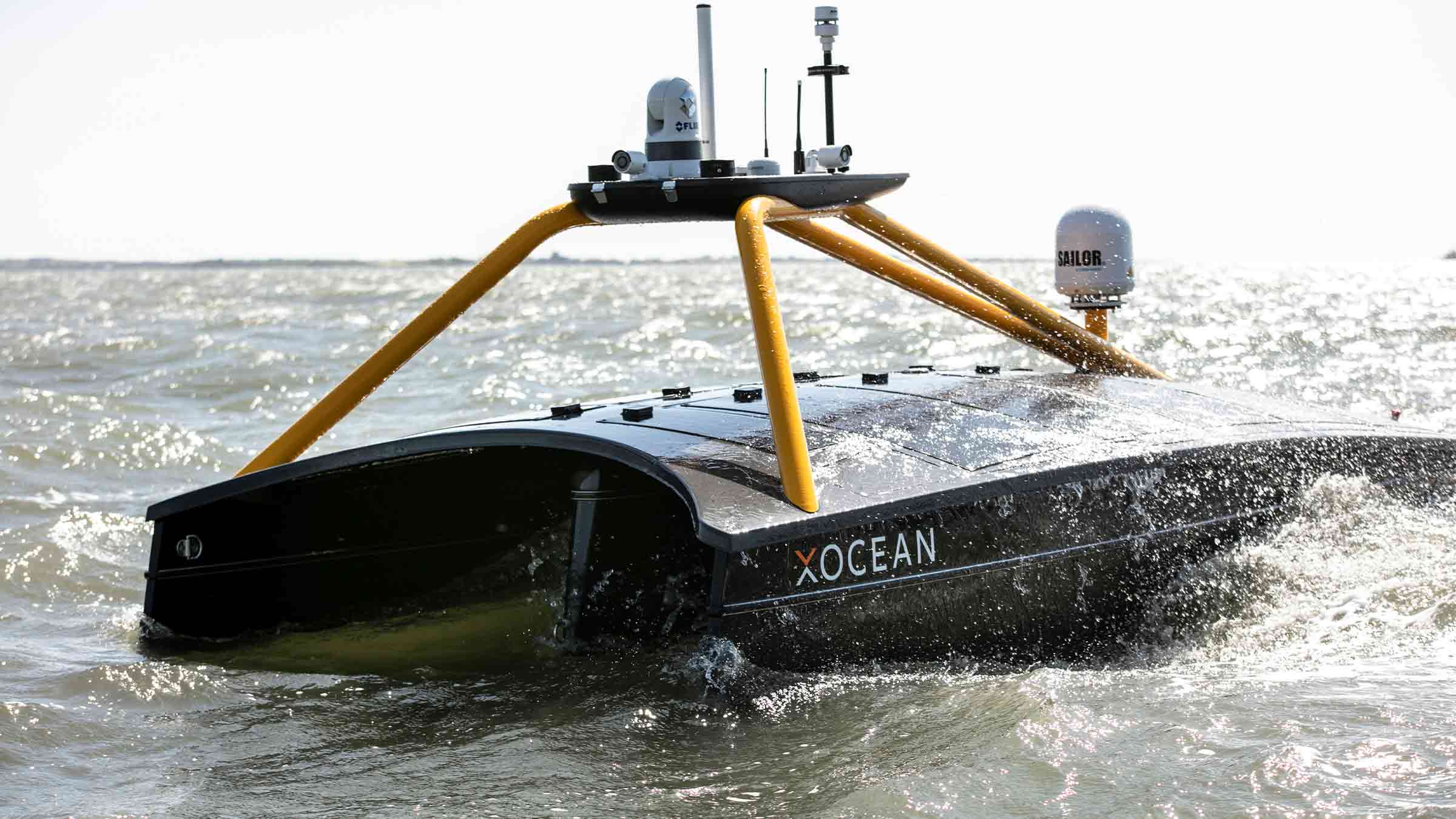
Highlights
- Comprehensive System Design: Incorporating robust hull architecture, advanced sensor integration, and reliable autonomy systems.
- Enhanced Autonomy and Navigation: Utilization of precise autopilot systems, sensor fusion, and intelligent path-planning for efficient mission execution.
- Efficient Data and Power Management: Integrating real-time communication networks and optimized energy systems for prolonged missions.
Introduction
Unmanned Surface Vessels (USVs) are rapidly emerging as key assets in modern oceanographic and hydrographic surveys due to their ability to carry advanced sensor arrays, operate autonomously, and reduce manpower risks. Whether the goal is to create detailed bathymetric maps, monitor environmental conditions, or gather comprehensive water quality data, designing a USV requires a sophisticated integration of mechanical, electronic, and software components. This article provides an exhaustive guide on the essential considerations and steps necessary to design and construct a USV tailored for autonomous maritime survey applications.
1. Defining Objectives and Operational Requirements
Understanding Survey Needs
The design process begins with establishing clear objectives. Identify the specific survey tasks the USV will be performing, such as:
- Bathymetric mapping using multibeam or single-beam echo sounders.
- Hydrographic survey for accurate depth and underwater topography measurements.
- Oceanographic data collection, including water quality, temperature, salinity, and environmental parameters.
Additionally, assess the operational environment. Determine whether the USV will be deployed in coastal regions, open oceans, or inland waters. Consider regulatory and environmental factors, such as maritime navigation laws and safety certifications. This initial stage is critical to ensure that all subsequent design choices are aligned with the survey goals.
2. Platform Design and Hull Construction
Hull Design and Structural Considerations
Designing the hull is a cornerstone in building a robust and efficient USV. The hull must be lightweight yet sturdy enough to withstand harsh sea conditions and carry the necessary payload. Two popular choices for hull types include:
- Catamaran or Trimaran Designs: Offer increased stability, reduced draft, and ample deck space for mounting sensors and instruments.
- Monohull Designs: Can be suitable for specific applications but may require reinforcement to maintain stability in rough conditions.
Material Selection
Material selection is crucial to balance durability with weight and cost. Common choices include:
- Composite Materials: Such as fiberglass or carbon fiber, which provide excellent strength-to-weight ratios.
- Aluminum: Offers durability and ease of repair, especially suitable for vessels needing rapid maintenance turnaround.
Payload and Size Consideration
The USV’s size must accommodate the required payload, including sensor arrays, control systems, and communication equipment. It is critical to plan the payload distribution to maintain balance and performance. Designs like the modular catamaran allow for flexible payload configurations, thereby adapting to a variety of survey needs.
3. Propulsion, Power, and Energy Management
Propulsion System
Selecting the appropriate propulsion system is fundamental for ensuring efficient operation. Electric motors are preferred for oceanographic surveys due to their quiet operation and lower environmental impact; however, diesel engines can offer longer-range endurance when paired with advanced energy management systems. Propulsion design should consider:
- Electric Propulsion: Ideal for shorter missions and environmentally sensitive areas. Many electric motor setups are compatible with advanced battery technologies.
- Diesel or Hybrid Systems: Suitable for longer deployments where energy density is a priority, despite producing more emissions.
Power Supply and Energy Sources
Power requirements depend on mission duration. Integrating renewable energy sources like solar panels can extend mission duration in sunny conditions. Alternatively, high-capacity batteries paired with smart energy management systems can ensure consistent performance. Consider installing:
- Solar Panels: For supplemental energy, reducing reliance on finite battery power when deployed during daylight.
- Batteries: Select high-density batteries capable of powering onboard sensors and propulsion systems efficiently.
- Fuel Cells: Emerging technology that might also serve as an alternative power source for long-range missions.
Energy Efficiency Strategies
Energy-efficient design is key for prolonged missions. Some strategies include implementing energy-saving algorithms in the navigation system, reducing idle power consumption, and carefully managing the duty cycles of onboard equipment.
4. Sensor Integration and Payload Management
Sensor Suite Components
The core functionality of a USV lies in its ability to collect accurate and comprehensive data. The sensor payload can include a variety of instruments:
- Multibeam and Single Beam Echo Sounders: Useful for detailed bathymetric mapping.
- Side-Scan Sonar: Provides high-resolution imagery of the seafloor, essential for hydrographic surveys.
- CTD Sensors: Measure conductivity, temperature, and depth to profile water conditions.
- Acoustic Doppler Current Profilers (ADCP): To capture water current profiles and assist in collision avoidance.
- Environmental Monitoring Sensors: For parameters such as water quality, salinity, pH, and dissolved oxygen.
- Cameras and Imaging Systems: For real-time visual assessment and documentation of survey areas.
Payload Integration
Effective payload integration involves not only physically mounting the sensors but also ensuring that data streams are accurately synchronized and processed. Designing modular sensor mounts facilitates easy replacement, upgrade, and maintenance. Furthermore, ensure that the software framework can manage the data flows from multiple sensors simultaneously.
5. Autonomy and Navigation Systems
Advanced Autonomy Features
Autonomous navigation is the linchpin of contemporary USV operations. The system should incorporate several advanced navigation capabilities such as:
- GPS Waypoint Navigation: Precisely guides the vessel along pre-determined survey paths.
- Obstacle Avoidance: Utilizes real-time sensor data (e.g., sonar, LIDAR) to detect and evade obstacles.
- Geo-fencing: Establishes virtual boundaries to ensure the USV remains within the designated area of operation.
- Failsafe Protocols: Include automatic return-to-home or station holding features in case of communication loss or system malfunction.
Software and Control Framework
The underlying control software is critical to the performance and reliability of USV missions. Open-source platforms and custom firmware solutions are widely used to achieve the flexibility needed for complex mission planning. Features include:
- Real-Time Mission Planning: Software should allow operators to adjust waypoints and mission parameters on the fly.
- Data Fusion Algorithms: Combine input from various sensors (IMU, GPS, sonar, etc.) to enhance navigational accuracy.
- Remote Override Capability: For manual control in emergency situations while maintaining overall autonomous functions.
Communication Systems
Reliable communication is essential for both command and data transmission. Whether utilizing satellite, cellular, or radio frequency links, the system must ensure robust data transfer even in remote operational areas. Consider integrating communication redundancies to protect against data loss.
6. Data Management and Processing
Onboard Data Acquisition
Given the vast amount of data generated by various sensors, effective data management is paramount. The USV must be equipped with systems capable of storing, processing, and transmitting data in real-time or post-mission. Key components include:
- Onboard Storage Solutions: High-capacity storage devices should be implemented to capture data from multiple sensors during extended missions.
- Edge Computing Capabilities: These systems process sensor inputs in real-time, enabling immediate decision-making for navigation adjustments and anomaly detection.
- Data Transmission Protocols: Utilize protocols that ensure real-time monitoring and secure data transfer while the vessel is operational.
Data Post-Processing
After mission completion, collected data needs to be seamlessly integrated with analysis software to generate actionable insights. Compatibility with geographic information systems (GIS) and other survey software ensures that the data can be visualized in detailed maps and models.
7. Safety, Certification, and Operational Protocols
Safety Measures and Recovery Features
Safety of both personnel and equipment is a vital aspect of USV operations. This requires the integration of robust emergency systems that include:
- Obstacle Detection and Automatic Evasive Manoeuvres: Use of redundant sensor systems to identify potential hazards and automatically initiate avoidance protocols.
- Communication Loss Protocols: In case of signal failure, pre-programmed return-to-home or holding patterns can minimize fleet loss.
- System Redundancies: Redundant communication and control systems ensure the USV remains operational in the event of component failures.
Certification and Regulatory Compliance
Depending on the deployment region, deployment of underwater vehicles involves various certifications and adherence to maritime laws. It is essential to:
- Comply with international maritime regulations, especially when operating in open or international waters.
- Obtain necessary approvals and certifications from relevant regulatory bodies to ensure operational compliance.
8. Testing, Simulation, and Iterative Improvement
Simulation and Field Testing
Prior to full-scale deployment, the USV should undergo rigorous testing in both simulated environments and controlled real-world conditions. This two-fold approach ensures that the system performs reliably under expected field conditions:
- Computer Simulations: Utilizing software tools to simulate vessel behavior, sensor interaction, and environmental influences can help refine the design before risking actual equipment.
- Controlled Field Trials: Deploy the USV in a contained operational area to monitor performance, sensor accuracy, and navigational proficiency.
- Iterative Feedback: Use insights from testing phases to refine hardware and software components, ensuring progressive improvement in system reliability and efficiency.
Real-World Deployment Protocols
Once validated through rigorous testing, establish comprehensive deployment protocols. These should cover launch procedures, operational guidelines, routine maintenance, and emergency recovery strategies. A well-structured protocol is essential to manage regular operations while minimizing downtime.
9. System Integration and Example Framework
Integration of Components
A successful USV design lies in the seamless integration of all subsystems. This includes the mechanical structure, propulsion and energy management, sensor suites, communications, and autonomous control. Below is a table outlining the key system components with their functionalities:
| Component | Functionality |
|---|---|
| Hull and Structure | Provides stability and supports payload; designed with materials like composites or aluminum for optimal performance. |
| Propulsion System | Ensures efficient movement; includes electric or diesel engines to support various operational ranges. |
| Power Management | Integrates batteries, solar panels, and possibly fuel cells for sustained energy supply. |
| Sensor Suite | Enables data acquisition; includes echo sounders, sonar, CTD, ADCP, and environmental sensors. |
| Autonomous Navigation | Incorporates GPS, inertial sensors, obstacle avoidance, and autopilot systems for precise tracking and mission execution. |
| Communication Systems | Facilitates real-time data transfer and control via satellite, cellular, or radio links. |
| Data Management | Handles onboard storage, real-time processing, and post-mission data integration for analysis. |
Example Autonomy Framework Implementation
For illustration, consider an autonomy framework based on modular open-source software systems. The mission planning file might define the operational region, sensor behavior, and navigation waypoints. A simplified conceptual script outline might include:
  // BEGIN MISSION
  // Define operational region as a polygon
  REGION = {
      TYPE = Polygon,
      VERTICES = [(x1, y1), (x2, y2), (x3, y3), (x4, y4)]
  }

  // Set initial waypoints for survey mapping
  WAYPOINTS = [(x1, y1), (x2, y2), (x3, y3)]

  // Configure survey behavior with sensor integration
  BEHAVIOR = {
      TYPE = Survey,
      SENSOR = "Multibeam Echo Sounder",
      PATH_PLANNER = "AdaptiveSurveyPath"
  }
  // END MISSION
This example illustrates how autonomous operational parameters can be configured, ensuring the USV carries out its surveying tasks with minimal human intervention while ensuring the flexibility for real-time adjustments.
Conclusion
The process of designing and building a USV for autonomous oceanographic and hydrographic surveys involves a multi-faceted strategy that integrates mechanical engineering, advanced sensor technology, robust software, and efficient energy management. From defining operational requirements to constructing a resilient hull and implementing sophisticated navigation systems, every component must be meticulously planned and tested. The ability of these vessels to collect high-resolution data while ensuring operator safety makes them indispensable in modern maritime surveying.
We have explored a comprehensive suite of topics covering platform design, sensor integration, autonomy, data management, and safety protocols. Incorporating advanced engineering and open-source frameworks allows for tailored solutions that can adapt to diverse environmental challenges. The iterative testing and refinement cycle further ensures that the final USV design not only meets technical requirements but also enhances operational efficiency in real-world scenarios.
As the technology evolves, the role of USVs in ocean exploration and survey missions will continue to expand, offering unprecedented capabilities in data acquisition and operational autonomy. This integrated approach paves the way for innovations that redefine maritime research while simultaneously reducing risks and operational costs.
References
- New SEA-KIT H-Class USV Designed for Ocean Survey - Inside Unmanned Systems
- Press Release: Sea-Kit Unveils New H-Class USV for Ocean Survey - Sea-Kit
- Sea-Kit Unveils New H-Class USV for Ocean Survey - Hydro International
- Sea-Kit Unveils New H-Class USV for Ocean Survey - Maritime Industries
- Azorobotics News - Azorobotics
- Sensors and USV Technologies - MDPI
- OceanAlpha USV Solutions - OceanAlpha
- Marine Mapping and Surveying - Maritimerobotics
Recommended
Last updated February 21, 2025