
Global Unmanned Surface Vehicle (USV) Market Outlook and Analysis
Comprehensive Insights into the Growth, Drivers, and Future Prospects of the USV Industry
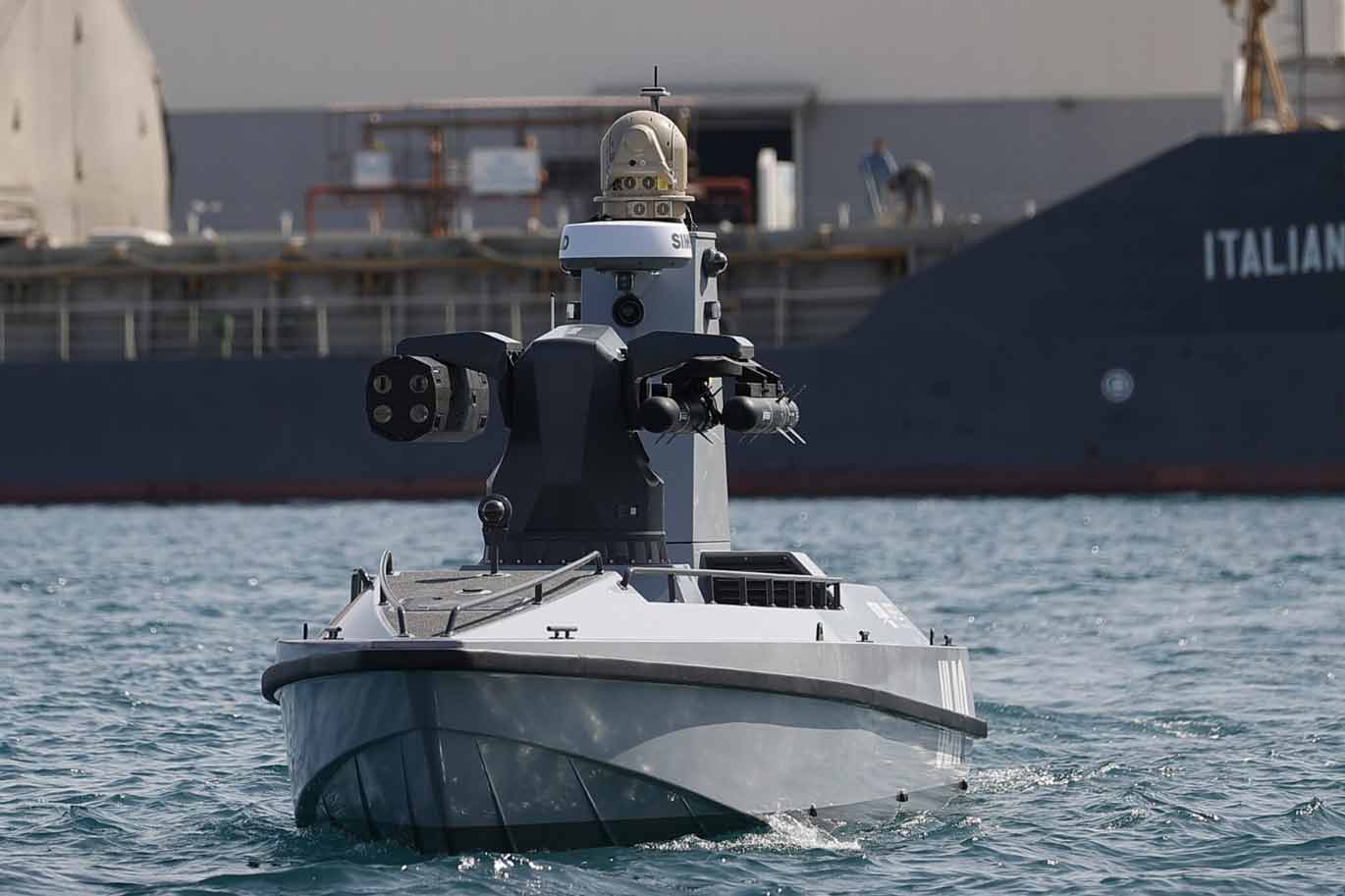
Key Takeaways
- Robust Market Growth: The global USV market is projected to reach up to USD 3.9 billion by 2032, driven by significant advancements in autonomous technologies and increasing defense investments.
- Diverse Applications: USVs are expanding beyond military uses into commercial sectors such as environmental monitoring, offshore oil & gas, and maritime security, enhancing their market versatility.
- Regional Expansion: North America leads the USV market, while the Asia-Pacific region is expected to exhibit the highest growth rate due to escalating maritime security concerns and substantial investments in naval modernization.
Market Overview
The Unmanned Surface Vehicle (USV) market has demonstrated substantial growth over recent years, propelled by advancements in autonomous technologies, increased military and defense investments, and expanding commercial applications. As of January 2025, the global USV market is valued between USD 2.2 billion to USD 3.29 billion, with projections indicating a compound annual growth rate (CAGR) ranging from 4.7% to 13.7% through 2032.
Market Size and Growth Projections
The USV market exhibits strong growth trajectories influenced by various factors. According to industry analyses, the market size is expected to grow from an estimated USD 2.27 billion in 2024 to as much as USD 3.9 billion by 2032. The growth rates differ based on the scope of analysis, with some projections suggesting a CAGR of up to 13.7% during the forecast period. This robust growth is underpinned by continuous investments in technology and expanding applications across multiple sectors.
Key Market Drivers
1. Military and Defense Applications
The primary driver of the USV market is its extensive use in military and defense operations. USVs are employed for surveillance, mine countermeasures, anti-submarine warfare, and intelligence, surveillance, and reconnaissance (ISR) missions. The ongoing geopolitical tensions, such as those observed in the Russia-Ukraine conflict, have accelerated the adoption of unmanned systems for high-risk maritime operations, providing a safer and cost-effective alternative to manned vessels.
2. Technological Advancements
Continuous innovations in artificial intelligence (AI), machine learning, sensor technologies, and propulsion systems have significantly enhanced the autonomy, efficiency, and reliability of USVs. These technological advancements enable real-time decision-making, improved navigation capabilities, and better payload management, making USVs more versatile and capable of handling complex missions autonomously.
3. Commercial Applications
Beyond military uses, USVs are increasingly utilized in various commercial sectors. Key applications include offshore oil and gas exploration, hydrographic surveys, environmental monitoring, maritime security, aquaculture, and cargo transport. The ability of USVs to perform tasks such as ocean data mapping, pollution monitoring, and underwater inspections autonomously or remotely enhances operational efficiency and reduces human exposure to hazardous environments.
4. Regulatory Support and Government Investments
Government initiatives and regulatory support play a crucial role in fostering the growth of the USV market. Maritime organizations and governments are promoting the use of USVs to enhance safety, reduce human risk in dangerous operations, and improve maritime domain awareness. Additionally, substantial investments from both public and private sectors in research and development are driving innovation and market expansion.
5. Cost-Efficiency and Safety
USVs offer significant cost savings compared to manned vessels, particularly in long-term operations. They minimize the need for onboard crew, reduce operational costs, and enhance safety by taking over high-risk missions. This cost-efficiency, combined with the ability to operate in diverse and challenging marine environments, makes USVs an attractive option for various applications.
Market Segmentation
By Type
The USV market is segmented based on the type of system, with autonomous USVs leading the market. Autonomous USVs, which operate without human intervention, account for the highest market share due to their advanced capabilities and increasing demand for versatile, reliable unmanned systems. These USVs are projected to grow at a CAGR of approximately 12.4% from 2024 to 2032.
By Application
Applications of USVs are diverse, encompassing defense and security, commercial activities, scientific research, and environmental monitoring. Defense and security remain the dominant application segments, followed by commercial and scientific applications. USVs are utilized for tasks such as surveillance, mine countermeasures, offshore oil drilling support, hydrographic surveys, and environmental data collection.
By Propulsion Type
Hydrogen fuel cells, diesel/gasoline engines, and renewable energy sources are the primary propulsion types for USVs. Diesel/gasoline engines continue to dominate due to their reliability and availability, but there is a growing trend towards renewable energy-powered USVs, such as those utilizing solar or hydrogen fuel cells, driven by sustainability considerations and advancements in energy storage technologies.
By End User
The end users of USVs encompass defense forces, commercial industries, research institutions, and environmental agencies. Defense forces are the largest consumers, followed by commercial entities involved in offshore operations, maritime security, and environmental monitoring. Research institutions utilize USVs for oceanographic studies and hydrographic surveys, contributing to market demand.
Regional Analysis
North America
North America holds the largest market share in the USV industry, accounting for over 35% of the global market. The dominance is primarily driven by substantial defense budgets, significant investments in R&D, and the presence of major USV manufacturers. The United States, in particular, is at the forefront of USV adoption for border protection, maritime security, and offshore energy resource management.
Europe
Europe is a key market for USVs, with major maritime nations like the United Kingdom, Germany, and France actively deploying USVs for defense, security, and environmental monitoring. Collaborative research projects among European Union nations are fostering innovation and technological advancements, further propelling market growth. The focus on maritime domain awareness and security is a significant driver in this region.
Asia-Pacific
The Asia-Pacific region is the fastest-growing market for USVs, driven by increasing maritime security concerns, substantial investments in naval modernization, and growing commercial applications. Countries like China, Japan, and South Korea are heavily investing in USV technology for defense purposes and the blue economy, including aquaculture and offshore energy exploration. The rising demand for environmental monitoring and ocean data mapping in this region contributes to its rapid market expansion.
Rest of the World
Other regions, including the Middle East and Africa, are emerging markets for USVs. In the Middle East, USVs are being utilized to protect critical shipping routes and offshore oil & gas infrastructures. Africa is witnessing growing interest in USVs for offshore resource exploitation and maritime security, although the market is still in its nascent stages compared to North America and Asia-Pacific.
Key Market Trends
1. Increased Autonomy
The development of fully autonomous USVs capable of operating independently without human intervention is a significant trend. These USVs leverage advanced AI and machine learning algorithms to perform real-time decision-making, enhancing operational efficiency and expanding the scope of missions they can undertake.
2. Hybrid USVs
Hybrid USVs, which integrate with unmanned aerial vehicles (UAVs) and unmanned underwater vehicles (UUVs), are gaining traction. This integration enables multi-domain operations, providing comprehensive maritime surveillance and expanding the functional capabilities of unmanned systems.
3. Sustainability Initiatives
There is a growing emphasis on developing eco-friendly USVs powered by renewable energy sources such as solar and hydrogen fuel cells. These sustainable propulsion systems reduce the environmental footprint of USVs and enhance their operational endurance, making them suitable for long-term missions.
4. Strategic Collaborations and Partnerships
Key players in the USV market are forming strategic alliances and partnerships to enhance their technological capabilities, expand their product offerings, and increase their market presence. These collaborations facilitate the sharing of expertise, resources, and technology, driving innovation and market growth.
Challenges Facing the USV Market
1. High Development and Deployment Costs
One of the primary challenges in the USV market is the high cost associated with developing, deploying, and maintaining advanced USV systems. These costs can be prohibitive, especially for smaller companies and developing nations, potentially hindering widespread adoption and market growth.
2. Regulatory Hurdles
The lack of standardized regulations for the operation of USVs in international waters poses significant challenges. Variations in maritime laws and regulations across different countries can create barriers for manufacturers and operators, complicating the deployment and operational processes of USVs globally.
3. Cybersecurity Risks
As USVs become more autonomous and connected, they are increasingly susceptible to cyberattacks. Ensuring robust cybersecurity measures is critical to protect USVs from hacking, data breaches, and other cyber threats that could compromise their operational integrity and safety.
4. Technical Limitations
USVs face technical challenges related to reliability, autonomy, and durability, especially in complex oceanic environments. Ensuring that USVs can operate effectively under varying weather conditions, sea states, and mission-specific requirements remains a critical area needing improvement.
Competitive Landscape
The USV market is characterized by the presence of several key players who drive innovation and market dynamics. Major companies include:
-
Atlas Elektronik
-
ECA Group
-
Elbit Systems
-
L3 ASV
-
Teledyne Technologies
-
Textron Systems
-
Searobotics Corporation
These companies are focusing on strategic collaborations, product innovations, and expanding their geographical presence to maintain a competitive edge in the market. Their efforts in enhancing technological capabilities and diversifying applications contribute significantly to the overall growth of the USV market.
Future Prospects
The USV market is poised for continued growth as new applications emerge and existing technologies advance. Future prospects include:
- Enhanced Autonomy: Further advancements in AI and machine learning will lead to more sophisticated autonomous operations, enabling USVs to handle complex missions with minimal human oversight.
- Integration with Other Unmanned Systems: Combining USVs with UAVs and UUVs will create versatile multi-domain platforms capable of comprehensive maritime operations.
- Sustainable Technologies: The shift towards renewable energy sources for USV propulsion will enhance their environmental sustainability and operational endurance.
- Expanded Commercial Applications: Increased adoption in sectors such as aquaculture, renewable marine energy, and smart ports will diversify the use cases for USVs.
- Regulatory Standardization: Efforts towards harmonizing international regulations for USV operations will facilitate smoother global deployment and interoperability.
These developments, coupled with strategic investments and technological innovations, will drive the USV market towards new horizons, making unmanned systems an integral part of modern maritime operations.
Conclusion
The global Unmanned Surface Vehicle (USV) market is on a trajectory of robust growth, underpinned by significant advancements in autonomous technologies, increasing defense and commercial investments, and expanding applications across various sectors. North America leads the market, while the Asia-Pacific region is set to experience the highest growth rates due to rising maritime security concerns and substantial naval modernization efforts. Despite challenges such as high development costs, regulatory hurdles, and cybersecurity risks, the market presents substantial opportunities for stakeholders. Continued innovation, strategic collaborations, and regulatory advancements will play pivotal roles in shaping the future landscape of the USV industry, ensuring its integral role in both military and commercial maritime operations.
References
- Unmanned Surface Vehicles Market Size & Share
- Global USV (Unmanned Surface Vehicle) Market Outlook 2028
- Strategic Market Outlook for Unmanned Surface Vessels (USV)
- Global USVs Market Size Worth $2.7 Billion by 2032
- Unmanned Surface Vehicle Market Size, Share Report, 2030
- Unmanned Surface Vehicle Market to Reach $2.7 Billion, Globally by 2032
- Unmanned Surface Vehicle (USV) Market Size & Companies By 2030
- Unmanned Surface Vehicle (USV) Global Market Report 2025
- Unmanned Surface Vehicle [USV] Market | Global Report, 2032
- Unmanned Surface Vessels (USV) Market Size | Trends Report
Last updated January 23, 2025