
Optimal Power Sources for Low-Cost Ocean-Going USVs
Exploring Sustainable, Cost-Effective Power Options at Sea
Key Highlights
- Renewable Integration: Solar panels and wave energy offer sustainable solutions.
- Hybrid Approach: Combining multiple sources such as solar, wind, and hydrogeneration increases reliability.
- Operational Efficiency: Battery storage paired with renewable sources ensures continuous power supply.
Understanding the Core Requirements
Low-cost, ocean-going Unmanned Surface Vehicles (USVs) require power sources that balance affordability with robust performance in unpredictable maritime environments. Factors like extended mission duration, data collection efficiency, maintenance costs, and environmental sustainability play a crucial role when selecting the optimal power source.
Primary Considerations
For USVs operating in open sea conditions, the ideal power source should offer:
- Reliability: An energy source that performs consistently during long-duration missions.
- Efficiency: High energy output relative to cost and weight constraints.
- Environmental Impact: A sustainable solution with minimal emissions and environmental disturbance.
- Cost-Effectiveness: Low acquisition and maintenance costs while meeting mission demands.
Popular Power Sources for USVs
Solar Power
Overview
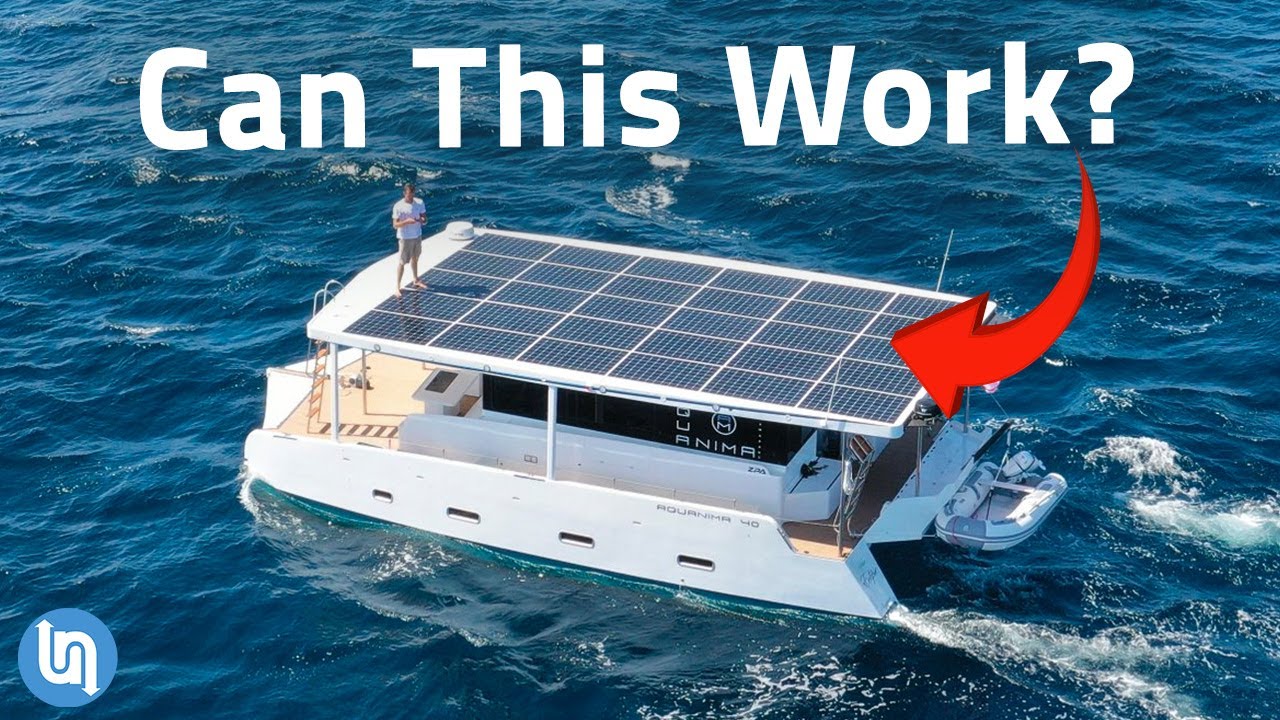
Solar power is widely recognized as a cost-effective and sustainable option. Solar panels convert sunlight into electricity, making them ideal for regions with abundant sunshine. For USVs, solar panels can provide a continuous source of power during daylight hours, mitigating the frequent need to refuel or recharge.
Implementation Considerations
When integrating solar panels in a USV, designers often pair them with battery storage systems. This ensures that excess energy generated during sunny intervals is stored for periods of low light, thus maintaining uninterrupted operations. The limitations of solar power include decreased efficiency in cloudy weather or at high latitudes with reduced sun exposure. However, for many oceanographic missions, the availability of sunlight makes solar a highly attractive option.
Wave Energy and Marine Harvesting
Overview
Wave energy harnesses the motion of ocean waves to generate electricity. USVs can be equipped with wave energy converters that capture the kinetic energy from wave movements. Often integrated as a supplementary power source, wave energy helps in continuously charging the USV’s battery system, especially for vessels operating in regions with consistent wave activity.
Advantages and Challenges
This energy source provides a reliable and renewable method to reduce dependency on other stored energy forms. However, its efficiency is largely dependent on sea conditions, and integrating such systems may involve additional engineering complexity. In many cases, combining wave energy with solar power creates a hybrid system that optimizes energy availability.
Wind Power and Hydrogeneration
Overview
Wind power, through sails or dedicated wind generators, can provide another renewable energy option for USVs. Winds are harnessed to further charge battery storage or to drive hydrogenerators. Hydrogenerators utilize the water flow generated by the movement of the USV, converting kinetic energy into electrical energy. This method is particularly effective when the vessel is in motion.
Practical Application
Combining wind power with a hydrogenerator system allows USVs to harness energy from ambient conditions while reducing reliance on battery reserves alone. While wind conditions may vary, they provide additional support during optimal conditions and are especially beneficial when utilized in combination with solar and wave-based systems.
Battery Electric Systems
Overview
Battery electric systems, most commonly employing lithium-ion batteries, are integral to modern USV designs. These batteries serve as the primary energy reservoir, storing energy generated from renewable sources such as solar panels or wave converters.
Design Integration
The energy density and efficiency of these batteries determine the overall endurance of the USV. Recent technological improvements have resulted in batteries that offer more prolonged operational timeframes and reduced weight, allowing mission designers to optimize the vessel's energy budget without excessive expenditures for replacement or maintenance.
Hybrid Systems: The Composite Power Strategy
Combining Renewable Sources
One of the most promising approaches in powering low-cost ocean-going USVs is the integration of hybrid systems. Combining solar power with wave energy, wind power, and hydrogeneration can yield a resilient and adaptable power structure. This multi-source integration ensures that when one energy source underperforms due to environmental factors, another can compensate, enabling sustained mission operation.
Typical Hybrid Configuration
A practical hybrid configuration might include the following components:
- Solar Panels: Mounted on the vessel's deck to capture direct sunlight, typically rated between 500 to 1000 watts depending on size and energy requirements.
- Wave Energy Converters: Devices integrated to harness the kinetic energy of ocean waves, which can then be used to assist battery charging.
- Hydrogenerators or Wind Generators: Supplementary systems that exploit the movement or wind conditions to generate electricity.
- Battery Storage: High-density lithium-ion batteries or similar technologies to store surplus energy for use when renewable sources are insufficient.
- Hybrid Propulsion: In some instances, a combination with a diesel or fuel cell backup can be employed for missions requiring consistent power regardless of environmental conditions.
Efficiency and Cost Benefits
The hybrid approach allows designers to balance initial costs with long-term operational savings. Although integrating multiple power sources can raise upfront engineering expenditures, the reduction in fuel usage, lower maintenance costs, and extended mission durations often lead to cost savings over the lifetime of the USV. Additionally, the synergistic effect of multiple renewable sources means that energy is harvested optimally, reducing downtime and ensuring that the USV can perform in diverse environments.
Comparative Overview Using an HTML Table
| Power Source | Advantages | Disadvantages | Ideal Use Case |
|---|---|---|---|
| Solar Power |
|
|
Long-duration missions in clear weather |
| Wave Energy |
|
|
Missions in open ocean with consistent wave action |
| Wind/Hydrogenerators |
|
|
Supplementary in hybrid systems during windy conditions |
| Battery Systems |
|
|
Core energy reservoir in hybrid systems |
| Fuel Cells/Diesel |
|
|
Backup for critical power requirements |
Practical Considerations for USV Designers
Mission Specificity
The selection of a power source must align with the mission specifications of the USV. For instance, missions focused on environmental monitoring usually favor renewable energy sources such as solar and wave energy due to their low environmental impact. In contrast, USVs intended for extended commercial operations might consider hybrid systems that include a diesel or fuel cell backup for extra reliability.
Payload and Power Budget
Another key area is the payload and overall energy budget. Balancing the weight of solar panels, batteries, and supplementary systems with the designated payload is essential. Lightweight, high-efficiency components are preferred to maximize the energy-to-weight ratio, thereby increasing operational hours without compromising vessel stability or performance. This balance directly impacts both the design cost and the long-term operational viability.
Environmental and Maintenance Factors
Environmental conditions at sea, such as weather patterns, wave activity, and seasonal sunlight variations, are crucial considerations. A USV operating in high-latitude regions may need alternative or hybrid configurations to compensate for reduced solar intensity. Additionally, the simple design of renewable energy systems means lowered maintenance requirements compared to combustion-based systems, reducing both operational interruptions and overall lifecycle costs.
Sustainability and Regulations
There is also a growing trend towards green maritime technologies driven by stricter environmental regulations. Selecting a power source that minimizes emissions not only addresses regulatory demands but also ensures sustainable operation in ecologically sensitive areas. Designers must consider this aspect to ensure compliance and promote long-term ecological sustainability.
Economic Impacts and Future Outlook
Cost-Benefit Analysis
While the initial investment for technologies like solar panels and wave energy converters may be higher compared to a single, conventional diesel generator, the long-term cost benefits become evident over prolonged operational periods. Energy savings, reduced fuel costs, and minimal maintenance needs all contribute to significant overall operational savings. Moreover, advancements in battery technologies and hybrid systems continue to improve energy storage and efficiency, making these renewable solutions even more economical over time.
Technological Advances
The field of unmanned marine vehicles is rapidly evolving, with ongoing research into improved renewable harvesting and energy storage solutions. Future developments in materials science, energy density improvements in batteries, and integrated hybrid systems will likely lower costs further while improving operational reliability. Staying updated with these developments is crucial for innovators and engineers aiming to deploy next-generation USVs with enhanced performance standards.
References
- Aquarius USV - Eco Marine Power
- USV Technology - NOAA Ocean Explorer
- Saildrone Vehicles - Saildrone
- USV Research Paper - arXiv
- USV Article - Azorobotics
Recommended Related Queries
 amazon.com
Last updated March 14, 2025