
Traditional Agriculture in Uttarakhand
Exploring age-old practices and innovations in a Himalayan landscape
Highlights
- Integrated Systems: Interlinking terrace farming, mixed cropping, and multi-cropping methods like the Barahnaja system.
- Sustainable Practices: Emphasis on organic inputs, crop rotation, agroforestry, and natural pest management to enhance soil fertility and biodiversity.
- Resilience & Revitalization: Adaptation to challenging terrains and climate changes through traditional knowledge interwoven with modern innovations.
Overview of Traditional Agricultural Systems
Uttarakhand’s agricultural heritage is deeply interlinked with its rugged Himalayan landscape, where centuries-old practices have evolved to mitigate environmental challenges and enhance food security. Dominated by small-scale, subsistence-based farming, these methods are tailored to the state’s hilly terrain, irregular rainfall patterns, and diverse microclimates. Today, traditional agriculture in Uttarakhand continues to play a pivotal role in sustaining not only the local economy but also the socio-cultural fabric of communities.
Key Traditional Practices
Terrace Farming
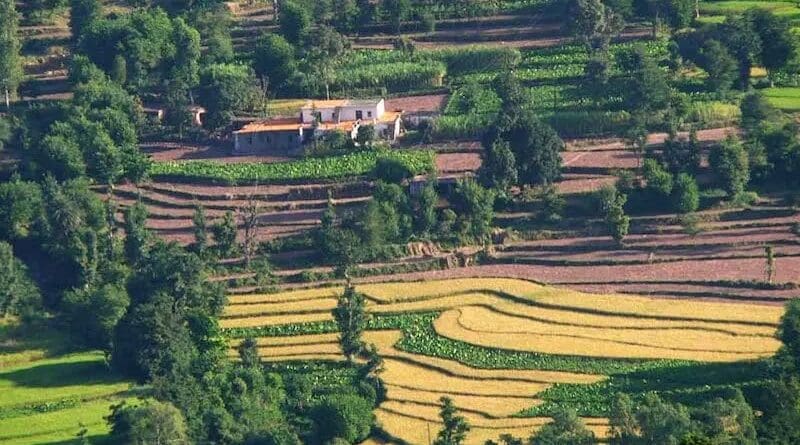
Terrace farming is one of the hallmark techniques in the hilly regions of Uttarakhand. Farmers convert steep slopes into a series of stepped, flat surfaces, allowing for manageable cultivation and preventing soil erosion. The terraces help in retaining moisture and reducing runoff, which is particularly essential in rain-fed agricultural systems. This method supports the efficient utilization of limited and often fragmented land, ensuring that even the steep terrains are arable.
Barahnaja System
The Barahnaja system, meaning “twelve seeds,” exemplifies the ingenuity of local farming practices. In this method, farmers cultivate multiple crops together in a single plot. Typically, a diverse array of grains and pulses is grown, including finger millet, amaranth, various legumes, and other cereals. This multi-cropping system not only maximizes land use but also enhances natural pest resistance, preserves soil nutrients, and provides a balanced diet. The crop diversity inherent to Barahnaja reduces the risk of total crop failure in the face of adverse weather or pest infestations.
Sari System
The Sari system constitutes another important traditional agricultural practice. This two-year crop rotation method involves switching the crops grown on a plot, with one season focusing on cultivation while the other period allows the land to recuperate. By alternating crops, farmers can restore soil fertility and disrupt pest life cycles, which is crucial in maintaining the ecological balance. This cyclic process reflects the deep understanding of land regeneration found among traditional Uttarakhand farmers.
Mixed Cropping and Crop Rotation
Mixed cropping involves growing two or more crops simultaneously on the same piece of land. This approach not only makes efficient use of resources but also mitigates the risk of complete crop failure by diversifying the outputs. Coupled with planned crop rotation, where different crops follow one another in succession, these systems help in maintaining a healthy soil structure, reducing the build-up of pathogens, and improving overall soil fertility. Both practices are essential to the sustainability of Uttarakhand’s diverse farming landscape.
Sustainable and Resilient Practices
The traditional agricultural methods of Uttarakhand are inherently sustainable and resilient. These practices have been refined over generations and have adapted to the stringent climatic and topographical dynamics of the region. By using natural fertilizers such as cow dung, plant residues, and organic compost, farmers have minimized the dependency on chemical inputs. In addition, indigenous pest management techniques that include the use of neem leaves, walnut extracts, and ash are common. Not only do these practices maintain farm productivity, but they also help preserve local biodiversity.
Agroforestry and Biodiversity
Agroforestry, an integration of trees and agricultural crops, plays a significant role in traditional farming systems in Uttarakhand. Trees are intercropped with cereals and legumes to provide natural shade, reduce wind erosion, and contribute organic matter to the soil through leaf litter. This practice enhances biodiversity, acting as natural barriers against pests while also offering additional sources of food or fodder. The integration of woody perennials in the agricultural landscape supports both ecological balance and the economic interests of rural communities.
Natural Fertilizers and Pest Management
The use of natural resources in the form of organic fertilizers remains a central tenet of traditional farming in Uttarakhand. Composting, the application of cow’s dung, and other organic residues are preferred over synthetic chemicals. In pest management, farmers rely on natural repellents such as neem extracts, ashes, and cow urine, which are not only effective but also environmentally friendly. These practices are crucial to maintaining soil fertility and preventing the degradation of natural ecosystems, contributing to the long-term sustainability of the farming landscape.
Challenges and Opportunities
Despite the rich heritage and numerous advantages of traditional agricultural systems, farmers in Uttarakhand are facing several challenges. Rapid urbanization, climate change, and dwindling interest among the younger generation have put immense pressure on these age-old practices. The outmigration of rural populations in search of better opportunities has led to reduced labor-intensive farming methods and a consequent decline in traditional knowledge.
Modern Pressures and Climate Change
Erratic rainfall patterns and increased frequency of extreme weather events have adversely affected the agricultural calendar. These shifts in climate render traditional practices more vulnerable, sometimes undermining the benefits that have been accrued over centuries. Modern agricultural practices, though more mechanized and seemingly efficient, often fail to address the underlying ecological principles that make traditional methods sustainable in the long run.
Revival and Integration with Modern Techniques
Recognizing the economic and ecological significance of these traditional methods, various community initiatives and government programs have emerged to revitalize them. Efforts include promoting organic farming practices, providing financial incentives, and integrating modern techniques with time-tested indigenous systems. For instance, farmers are encouraged to adopt water conservation techniques and improved seed varieties that complement traditional practices. Such integration not only enhances productivity but also ensures that the ecological balance is maintained.
Role in Food Sovereignty
Traditional agriculture in Uttarakhand plays a key role in ensuring local food sovereignty. By focusing on indigenous crops resistant to local pests and climatic anomalies, the system provides a robust safety net against food scarcity. The diversified produce from systems like Barahnaja is often more nutritious and richer in micronutrients compared to monoculture crops. This diversity is crucial for maintaining dietary balance and supports the overall well-being of rural communities while preserving the region's cultural heritage.
Comparative Analysis Table of Traditional Practices
| Practice | Key Features | Benefits |
|---|---|---|
| Terrace Farming | Stepped cultivation on hilly slopes; Controls erosion | Water retention, soil conservation, maximizes arable land |
| Barahnaja System | Multi-cropping with 12+ diverse crops; Integrated pest resistance | Food security, nutritional diversity, eco-friendly |
| Sari System | Two-year crop rotation; Alternates between different crops | Soil fertility, pest and disease disruption |
| Mixed Cropping & Crop Rotation | Simultaneous cultivation of multiple crops; Planned seasonal cycles | Reduced risk of crop failure, sustainable soil health |
| Agroforestry | Interspersion of trees within crop fields; Adds organic matter | Biodiversity enhancement, natural pest control, economic diversification |
Economic and Social Impacts
Traditional agricultural practices in Uttarakhand extend far beyond food production. They are deeply interwoven with the socio-economic and cultural identity of the region. Agriculture is not merely an economic activity here—it is a way of life that reinforces strong community bonds and the preservation of indigenous knowledge. Approximately 70% of the population relies on these farming practices, making agriculture central to the rural economy. The persistent drive to maintain these traditions reflects a collective commitment to sustainable development, even as the modern world encroaches upon these ancient systems.
Cultural Heritage and Community Identity
The methods practiced in Uttarakhand have been passed down through generations, providing a link to the past that is both culturally and economically significant. Festivals, rituals, and community gatherings often center around the agricultural calendar, underscoring the importance of these practices. In many villages, traditional farming not only ensures sustenance but also fosters community resilience, social cohesion, and a sense of identity that modern practices sometimes fail to capture.
Economic Sustainability
While challenges such as outmigration and modern agricultural pressures exist, the economic sustainability of traditional farming remains evident. The minimized use of chemical inputs, low operating costs, and reliance on natural resources contribute to a system that is inherently cost-effective. Initiatives aimed at reviving indigenous crops and integrating modern market strategies have further enhanced the economic viability of these practices. By tying local produce to niche markets, value addition and agro-tourism, communities are finding innovative ways to preserve their tradition while also boosting their incomes.
Integration with Modern Agricultural Strategies
Several initiatives aim to bridge traditional practices with modern agricultural methods. These include educational programs that document indigenous knowledge, research collaborations with agricultural institutes, and policies geared towards organic certification and sustainable farming. For instance, integrating watershed management techniques with terrace farming has shown promise in enhancing farm productivity. Similarly, the adoption of improved seed varieties that retain the genetic advantages of indigenous crops while offering higher yield potentials is a reflection of innovative synergies between tradition and modernity.
Technological Advancements and Traditional Methods
Recent advancements in technology, particularly in data analytics, remote sensing, and climate-resilient farming, are beginning to complement traditional agricultural practices. Farmers are increasingly utilizing weather forecasting tools and soil health monitoring to make informed decisions that marry traditional wisdom with modern science. This blend of practices helps in mitigating risks such as unpredictable weather and pest invasions, ensuring that the benefits of traditional systems are sustained and enhanced in the long run.
Government and Community Initiatives
Recognizing the need to preserve the agricultural legacy, government agencies and community organizations have implemented programs that promote sustainable land-use practices. These initiatives focus on capacity building, resource management, and market access, thereby empowering local farmers to maintain their traditional systems while adapting to contemporary challenges. Alongside these, the conservation of local varieties through seed banks and movements dedicated to saving indigenous flora are playing an instrumental role in safeguarding the region’s agricultural biodiversity.
Innovative Revival and Future Prospects
The modern agricultural narrative in Uttarakhand is one of revival and renaissance. With increasing awareness regarding food security and environmental sustainability, traditional practices are being reconsidered as viable alternatives to industrialized, chemical-dependent agriculture. Restoring indigenous systems presents an opportunity not only to improve local food systems but also to act as a model for sustainable agriculture in mountainous regions worldwide.
Opportunities for Eco-Tourism and Local Markets
With the intrinsic beauty of its landscapes and the cultural richness of its farming practices, Uttarakhand has seen a rising interest in agro-tourism. Tourists are attracted not only by the scenic terraces and diversely cultivated fields but also by participatory experiences that allow a glimpse into traditional lifestyles. Farm stays, organic product festivals, and guided tours through ancient agricultural sites are helping to create supplementary income streams and boost local economies.
Preservation of Genetic Biodiversity
The focus on traditional agriculture has also spurred efforts aimed at conserving genetic biodiversity. Movements to preserve indigenous crop varieties ensure that unique genetic resources are not lost to the homogenized world of modern agriculture. Initiatives such as community seed banks and the documentation of local plant varieties are critical in sustaining ecosystems that have been finely tuned over centuries. In the wake of global challenges like climate change, these efforts serve as a reservoir of biodiversity, promising resilience and stability for future generations.
References
- Uttarakhand Agriculture Dashboard - PrepData
- Exploring the Agricultural Practices of Uttarakhand - Maihu Pahadi
- Sari System - ResearchGate
- Barahnaja System - Wikipedia
- Reviving Traditional Farming - TERI
- Traditional Practices in Uttarakhand - Springer
- Agricultural Festivals and Traditions - Maihu Pahadi
- Climate-Smart Agriculture - 101 Reporters
- Uttarakhand Agriculture Department
- Indigenous Land and Food Systems in Uttarakhand - JNU
Recommended Queries
Last updated March 4, 2025