
"Valisa" is Correct in Catalan
Exploring the Meaning, Usage, and Cultural Context Behind "Valisa"
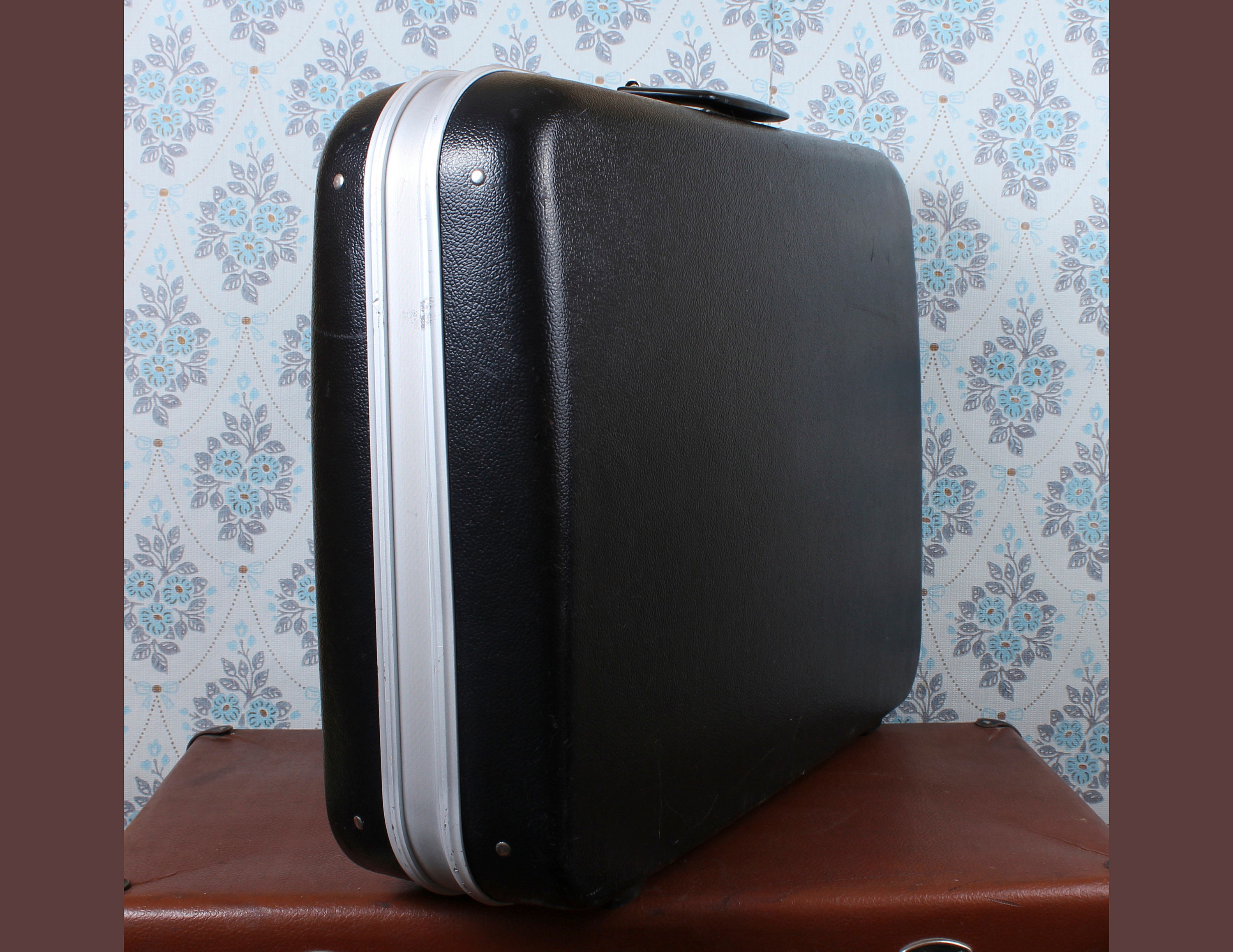
Key Highlights
- "Valisa" is a valid Catalan noun that primarily refers to a suitcase, bag, or specially to a postal bag.
- Etymology and Regional Usage: The term is derived from French and used in both everyday and specialized contexts such as diplomatic communications.
- Synonyms and Contexts: Several synonyms exist in Catalan, confirming its broad acceptance in the language.
Understanding "Valisa" in Catalan
The phrase "valisa està ben dit" directly translates to "valise is well said" or effectively "valisa is correctly used." In Catalan, "valisa" denotes a suitcase or bag, usually a sturdy, often leather, container primarily used for carrying letters or mail by postal workers. Its usage extends beyond everyday contexts to include specialized scenarios such as the valisa diplomàtica – a secure, sealed bag used to transmit confidential diplomatic correspondence.
Definition and Usage
The common definition of "valisa" is tied to its dual function:
- General Usage: A bag or suitcase utilized for personal or business purposes. Synonymous with "bossa," "mala," "maleta," or "maletí" in various Catalan dictionaries, it suggests the political and cultural integration of lexical items across languages.
- Diplomatic Usage: A term that specifically refers to a "sealed and locked" container, often called a valisa diplomàtica, which is employed for transporting sensitive or confidential information between embassies and other diplomatic institutions.
Etymological Insights and Historical Context
Origin and Evolution of the Term
The word "valisa" originates from the French term "valise" and has been assimilated into Catalan language usage with minimal alterations in meaning. Its etymological roots underscore the influence of various European languages on Catalan vocabulary. Besides French, there are ties to the Italian word "valigia," signifying the interconnected nature of Romance languages. This borrowing reflects historical interactions and cultural exchanges in Mediterranean and European contexts, where the movement of goods and ideas was often accompanied by the adoption and adaptation of lexical items.
Linguistic Adoption and Adaptation
Over the years, "valisa" has been universally accepted in Catalan without any significant modifications in spelling or pronunciation. This seamless adoption is evident in both everyday conversation and formal documentation. The absence of any grammatical or orthographic challenges in the use of "valisa" supports the correctness of the expression "valisa està ben dit." Additionally, referencing trusted sources like "diccionari.cat," "diccionaris.cat," "WordReference," and several academic outlets further validates its standard usage.
Detailed Analysis of Contextual and Cultural Significance
Practical Applications in Daily Life
In everyday use, "valisa" can refer to:
- Travel and Luggage: Used to denote a suitcase or travel bag, the term is often interchangeable with "maleta." Its usage in this context is common in travel, hotel, or transport scenarios.
- Postal Service: Historically, postal workers utilized a securely locked bag for transporting mail, and "valisa" accurately describes such equipment. This practical component is appreciated in discussions on historical mail services and logistics.
Specialized Use in Diplomatic and Official Contexts
When encountered in official language, "valisa diplomàtica" specifically refers to an envelope or bag that is both sealed and secured — ensuring that sensitive diplomatic communications are safely transmitted between government entities. Given its role in international relations, the term not only signifies a practical object but also resonates with the principles of confidentiality and trust in governmental communications. The usage of the term in such a context has been supported by precautionary protocols and standardized documentation within diplomatic circles.
Synonyms and Lexical Variations
Exploring Related Terms
The Catalan language boasts a rich array of synonyms that enhance understanding and flexibility in expression. The following table summarizes some of these related terms and their contextual relevance:
| Term | Meaning | Usage Context |
|---|---|---|
| Valisa | A suitcase, bag, or postal carrier container | General, postal, and diplomatic usage |
| Bossa | A bag or sack | Everyday and informal contexts |
| Mala / Maleta | A suitcase | Travel and luggage scenarios |
| Maletí | A small bag or briefcase | Office or formal occasions |
| Portadocuments | A document holder or briefcase | Professional or academic use |
Subtle Differences in Connotation
While the synonyms like "mala" and "maleta" may occasionally be used interchangeably with "valisa," there are subtle differences in connotation and context. For example, "maletí" and "portadocuments" might be preferred when referring to items that carry documents in an office environment, whereas "valisa" remains firmly rooted in its historical use as a mail or diplomatic bag. The precision in choosing these synonyms emphasizes the richness of Catalan vocabulary and highlights the multifaceted applications of each term.
Comparative Perspectives
Integration in Modern vs. Historical Contexts
Modern usage of "valisa" continues to maintain its relevance, even as digital and electronic communication methods evolve. However, historical applications of the term still find mention in academic and postal history studies. The transformation of language over time has not diminished its usage; instead, it has retained its core meaning while branching out into nuanced semantic territories. This interplay between tradition and modernity is evident in the consistent reference to the term in authoritative Catalan dictionaries and language reference sites.
Cross-Linguistic Influence
The integration of the term "valisa" in Catalan exemplifies the broader phenomenon of word borrowing among Romance languages. Influences from French and Italian not only shaped its phonetic structure but also reinforced its semantic stability across borders. This cross-linguistic acceptance encourages a broader comprehension and speaks to the fluid nature of language evolution. In translation studies, "valisa" is a prime example used to illustrate how language contact can enrich and expand a language’s lexicon without compromising its grammatical integrity.
Practical Guidance on Usage
When to Use "Valisa"
For speakers and writers of Catalan, using the term "valisa" is entirely appropriate in numerous situations. Whether referencing a piece of luggage for travel or describing a specific container for postal use, "valisa" is accepted as a correct term. In formal writing, particularly in diplomatic communications, the term valisa diplomàtica is preferred due to its precise connotation of security and confidentiality.
It is important to note that while other synonyms might be employed for stylistic variation, none diminish the accuracy of "valisa." The correctness of the phrase "valisa està ben dit" is supported by numerous linguistic sources and consistent usage among native speakers. In this regard, usage guides and official dictionaries provide ample verification. Engaging with these resources can further enhance understanding of the term in varied writing scenarios.
Avoiding Common Misconceptions
There is sometimes confusion among learners of Catalan regarding similar terms borrowed from other languages. However, clear distinctions are maintained in authoritative sources. For instance, “valisa” should not be conflated with words that might sound similar in everyday speech but do not carry the same historical or technical context. Correct pronunciation and contextual application are supported by both online dictionaries and academic resources. Using "valisa" correctly not only conveys proper meaning but also demonstrates cultural and linguistic awareness.
Digital Resources and Further Information
Utilizing Online Dictionaries and Forums
For individuals who wish to delve deeper into the nuances of "valisa," several digital sources present detailed definitions and historical backgrounds. Trusted platforms such as diccionari.cat, diccionaris.cat, and WordReference are excellent starting points. These resources explain not only the basic definition but also provide insight into the etymology and contextual usage in both modern and historical frameworks.
Academic and Cultural Perspectives
Scholarly works and language forums such as Racó Català and encyclopedic references like Enciclopèdia.cat further explore the acceptance of the term "valisa" in official and colloquial registers. Participants in these discussions often highlight the importance of preserving lexical integrity and trace the evolution of usage over time. The cultural significance of maintaining accurate vocabulary is a recurring theme, and "valisa" stands as a testament to the balanced interplay between tradition and innovation within the Catalan language.
Practical Comparative Table
The following table contrasts the usage of "valisa" with other related terms, providing a concise overview for reference:
| Aspect | "Valisa" | Other Related Terms |
|---|---|---|
| Primary Meaning | A suitcase or bag used for mail or travel | "Maleta" / "mala": Generally a travel bag; "bossa": Informal bag |
| Specialized Use | Valisa diplomàtica - secure bag for diplomatic communication | N/A |
| Origin | Derived from French "valise", related to Italian "valigia" | N/A |
| Common Context | Postal services, travel, official use | Everyday contexts for "mala"/"bossa" |
| Synonym Nuances | Maintains precision in professional and cultural usages | "Maletí" and "portadocuments" for document carriers |
Additional Considerations
Cultural Reflection in Language
The ongoing relevance of terms like "valisa" in Catalan not only reflects linguistic evolution but also cultural identity. The persistence of the term in both colloquial and formal registers illustrates how language serves as a bridge between historical practice and modern usage. Whether it is used in everyday dialogue or in specific professional contexts, "valisa" retains its historic essence and functional clarity.
Interdisciplinary Connections
Understanding the word "valisa" provides a window into interdisciplinary studies involving linguistics, cultural history, and even postal and diplomatic service practices. Its precise definition and widespread acceptance make it a useful case study in how borrowed terms can be seamlessly integrated into a language while retaining distinct contextual nuances.
Language is more than just words—it is a reflection of cultural interactions, historical events, and the technological evolution of communication. In the case of "valisa," this term exemplifies the successful incorporation of foreign lexicons and the eventual standardization within the Catalan language. For language enthusiasts and scholars alike, the study of such terms offers a meaningful exploration of both etymology and societal shifts.
Digital and Further Learning Resources
Authoritative Online Sources
To extend your understanding of "valisa," exploring online resources is highly recommended. These include extensive dictionary entries, cultural articles, and academic papers that delve into linguistic research. Here are some of the primary resources that detail the definition, usage, and historical background of "valisa":
- Diccionari.cat - Valisa
- Diccionaris.cat - Valisa
- WordReference - Definició de valisa
- Softcatalà - Diccionari de Sinonims
- DCVB - Diccionari Català-Valencià-Balear
Guided Exploration and Learning
For those interested in furthering their linguistic study or exploring practical applications of specialized words like "valisa," engaging with both academic literature and online linguistics forums is invaluable. These platforms not only foster a better understanding of language structure but also provide contemporary and historical perspectives on vocabulary usage.
Additionally, if you wish to see how "valisa" integrates into literary and journalistic writing, consulting historical texts and modern articles in Catalan can be particularly enlightening. This cross-disciplinary approach helps illuminate the broader impact of linguistic choices on communication.
References
- Diccionari.cat - Valisa
- Diccionaris.cat - Valisa
- WordReference - Definició de valisa
- Softcatalà - Diccionari de Sinonims
- DCVB - Diccionari Català-Valencià-Balear
Recommended
Last updated March 19, 2025