
Unlocking Competitive Edge: Integrating Cost Leadership & Differentiation into Value Chain Analysis
Discover how strategic value chain adjustments drive market success, efficiency, and profitability through real-world examples.
Highlights
- Value Chain Analysis is Key: It systematically breaks down business activities to pinpoint opportunities for cost reduction (Cost Leadership) or value enhancement (Differentiation).
- Two Paths to Advantage: Companies gain competitive edges either by becoming the lowest-cost producer (Cost Leadership) or by offering unique, high-value products/services (Differentiation).
- Strategic Implementation Matters: Success relies on aligning specific value chain activities (e.g., logistics, R&D, marketing) with the chosen strategy, as exemplified by companies like Walmart and Apple.
Understanding Value Chain Analysis
A Framework for Strategic Improvement
Value chain analysis, a concept popularized by Michael Porter, is a strategic management tool used by businesses to examine all the activities they perform and how they interact. The goal is to identify sources of competitive advantage by understanding where value is created for customers (Strategic Management Insight, n.d.). It involves breaking down a company's operations into distinct activities to see how each contributes to the final product or service's value and cost.
These activities are typically categorized into two types:
- Primary Activities: These are directly involved in the creation, sale, maintenance, and support of a product or service. They include:
- Inbound Logistics: Receiving, storing, and distributing inputs internally.
- Operations: Transforming inputs into the final product.
- Outbound Logistics: Collecting, storing, and distributing the product to customers.
- Marketing and Sales: Activities that persuade customers to purchase the product.
- Service: Activities that maintain and enhance the product's value after purchase.
- Support Activities: These activities underpin the primary activities and form the firm's infrastructure. They include:
- Procurement (Purchasing): Sourcing raw materials, services, and other resources.
- Human Resource Management: Recruiting, hiring, training, developing, and compensating personnel.
- Technological Development: Managing and processing information, as well as protecting a company's knowledge base (including R&D).
- Infrastructure: General management, planning, finance, accounting, legal, government affairs, and quality management.
By meticulously analyzing each primary and support activity, businesses can uncover opportunities to either reduce costs significantly or enhance the perceived value of their offerings in unique ways (HBS Online, n.d.). This systematic examination forms the basis for applying cost leadership and differentiation strategies.
Applying Cost Leadership Strategy in Value Chain Analysis
Achieving Advantage Through Efficiency and Low Cost
The cost leadership strategy aims to make a company the lowest-cost producer within its industry (Cost Leadership Strategy: Definition and Examples for CEOs). This doesn't necessarily mean the lowest price, but the lowest operational cost structure, allowing for competitive pricing while maintaining acceptable profit margins. Applying this strategy through value chain analysis involves scrutinizing every activity to identify potential cost savings.
Optimizing Primary Activities for Cost Reduction
- Inbound Logistics: Negotiating bulk discounts with suppliers, optimizing delivery schedules, streamlining warehousing, and using efficient inventory management systems reduce material handling and storage costs.
- Operations: Achieving economies of scale through high-volume production, investing in process automation, simplifying product designs, optimizing workflows, and minimizing waste are key operational tactics (6.3 Cost Leadership – Strategic Management).
- Outbound Logistics: Utilizing cost-effective distribution channels, optimizing transportation routes, and managing finished goods inventory efficiently lower shipping and storage expenses.
- Marketing and Sales: Focusing on large customer segments to maximize reach with minimal customization, utilizing low-cost advertising channels, and having a lean sales force can reduce marketing overhead.
- Service: Offering basic, standardized post-sale support or designing products for high reliability can minimize service costs.
Optimizing Support Activities for Cost Reduction
- Procurement: Establishing long-term contracts with low-cost suppliers, sourcing globally for cheaper inputs, and centralizing purchasing functions.
- Technology Development: Focusing on process innovation rather than product innovation, leveraging existing technologies, and avoiding high R&D expenditures unless they directly lower production costs.
- Human Resource Management: Implementing efficient training programs, optimizing staffing levels, and potentially offering lower wages (though this carries risks) can reduce labor costs.
- Infrastructure: Maintaining lean overhead structures, implementing strict cost controls across departments, and simplifying management processes.
Real-World Example: Walmart
Walmart is a classic example of successfully implementing a cost leadership strategy through meticulous value chain optimization. Their "Everyday Low Prices" mantra is supported by:
- Advanced Supply Chain Management (Inbound/Outbound Logistics): Walmart utilizes sophisticated logistics, cross-docking techniques, and vast distribution networks to minimize inventory holding times and transportation costs (Cost Leadership Strategy Examples, Definition and Benefits).
- Supplier Power (Procurement): Their massive scale gives them significant bargaining power to negotiate lower prices from suppliers.
- Operational Efficiency: High sales volume, efficient store layouts, and technology investments in inventory tracking contribute to low operating costs (What is a Cost Leadership Strategy | Explained with Examples).
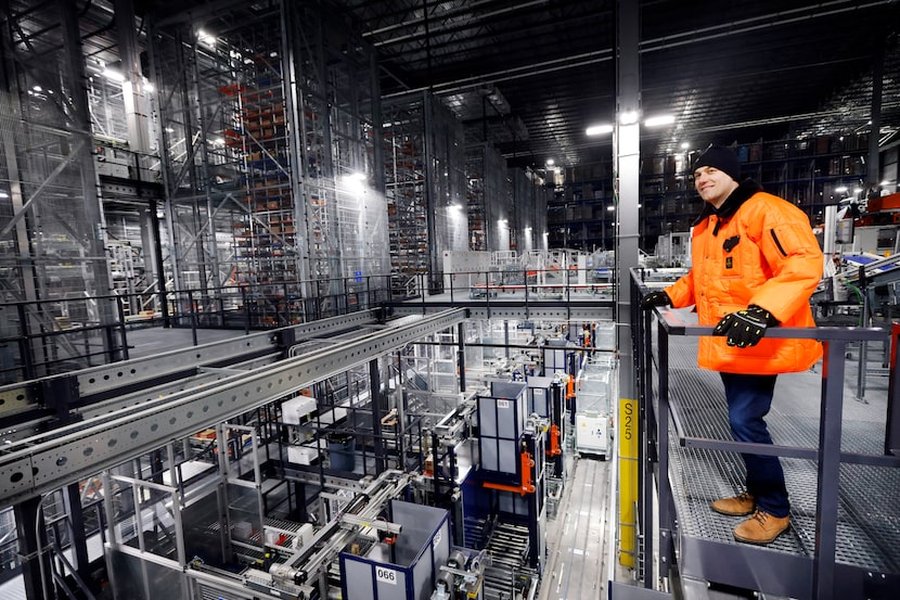
Walmart's next-generation supply chain facility exemplifies their focus on optimizing logistics for cost leadership.
Other Examples of Cost Leadership
- Ryanair: Achieves cost leadership by standardizing its aircraft fleet (reducing maintenance and training costs), flying to secondary airports (lower fees), charging for ancillary services, and streamlining operations (Top 7 Brilliant Cost Leadership Examples).
- IKEA: Uses flat-pack furniture design (reducing shipping and storage costs - Outbound Logistics), requires customer assembly (shifting labor cost - Operations/Service), and designs products for cost-effective manufacturing (Operations, Technology Development) (4 Cost Leadership Strategy Examples To Inspire).
- McDonald's: Leverages standardized processes, menus, and ingredients (Operations), bulk purchasing (Procurement), and efficient kitchen layouts to deliver food quickly and cheaply (mktoolboxsuite, n.d.).
Applying Differentiation Strategy in Value Chain Analysis
Achieving Advantage Through Uniqueness and Perceived Value
The differentiation strategy focuses on creating products or services that are perceived as unique and valuable by customers, allowing the company to command premium prices (What is Competitive Advantage?). This uniqueness can stem from superior quality, innovative features, exceptional service, strong branding, or advanced technology. Applying this strategy via value chain analysis means identifying and enhancing activities that contribute most significantly to creating that perceived uniqueness.
Enhancing Primary Activities for Differentiation
- Inbound Logistics: Sourcing high-quality raw materials or components, ensuring careful handling of inputs to maintain quality standards.
- Operations: Employing skilled craftsmanship, utilizing advanced manufacturing techniques for superior product quality or features, offering customization options.
- Outbound Logistics: Providing premium packaging, ensuring rapid and reliable delivery, using specialized distribution channels that enhance the product image.
- Marketing and Sales: Building a strong brand image through targeted advertising, emphasizing unique product features and benefits, creating an aspirational appeal, offering personalized sales experiences.
- Service: Providing exceptional pre-sale and post-sale customer support, offering comprehensive warranties, responsive troubleshooting, and a superior overall customer experience.
Enhancing Support Activities for Differentiation
- Procurement: Partnering with suppliers known for quality and innovation, securing exclusive access to certain high-grade materials or technologies.
- Technology Development (R&D): Investing heavily in research and development to create innovative products with unique features, proprietary technologies, or superior performance (Value Chain Analysis and Differentiation: A Guide).
- Human Resource Management: Recruiting and retaining highly skilled employees (e.g., designers, engineers, customer service representatives) who contribute to the company's unique capabilities.
- Infrastructure: Cultivating a company culture focused on quality, innovation, and customer satisfaction; ensuring systems support differentiation efforts (e.g., robust quality control).
Real-World Example: Apple
Apple Inc. masterfully employs a differentiation strategy, focusing on design, user experience, and brand ecosystem. Its value chain activities reflect this:
- Technology Development (R&D): Significant investment in R&D leads to proprietary hardware (e.g., custom silicon chips), software (iOS, macOS), and innovative product features (Investopedia, n.d.).
- Operations/Design: Emphasis on sleek industrial design, premium materials, and meticulous manufacturing processes creates products perceived as high-quality and aesthetically superior.
- Marketing and Sales: Strong branding built on innovation, simplicity, and status; premium retail experiences (Apple Stores) enhance customer perception and loyalty.
- Service: Offering services like the App Store, iCloud, and AppleCare creates a sticky ecosystem and adds value beyond the physical product.

Apple's focus on design and R&D within its value chain is central to its differentiation strategy.
Other Examples of Differentiation
- Nike: Differentiates through product innovation (e.g., Air technology), strong branding associated with athletic performance, celebrity endorsements (Marketing & Sales), and high-quality materials (Procurement, Operations) (Corporate Finance Institute, n.d.).
- Nespresso: Creates differentiation through its unique single-serve coffee system (Technology Development), premium coffee pod quality (Procurement, Operations), exclusive club membership (Marketing & Sales), and stylish machine designs (Operations).
Visualizing Strategic Focus: Value Chain Priorities
Comparing Cost Leadership vs. Differentiation Emphasis
The following chart illustrates how companies pursuing cost leadership versus differentiation might prioritize different aspects of their value chain and overall business focus. These are relative assessments based on typical strategic implementations. For instance, a cost leader like Walmart heavily emphasizes Supply Chain Optimization and Cost Efficiency, while a differentiator like Apple places greater emphasis on R&D Investment, Brand Strength, and potentially Customer Service Quality to justify its premium positioning.
Value Chain Analysis & Strategic Choices Mindmap
Visualizing the Integration of Strategies
This mindmap illustrates how Cost Leadership and Differentiation strategies influence the different activities within a company's value chain. It shows the connection between the overarching strategy and specific operational focuses in both primary and support activities.
Efficient Receiving"] id1a2["Differentiation: High-Quality Inputs,
Careful Handling"] id1b["Operations"] id1b1["Cost Leadership: Economies of Scale,
Process Automation"] id1b2["Differentiation: Craftsmanship,
Customization, Quality Control"] id1c["Outbound Logistics"] id1c1["Cost Leadership: Low-Cost Shipping,
Basic Warehousing"] id1c2["Differentiation: Premium Packaging,
Fast Delivery"] id1d["Marketing & Sales"] id1d1["Cost Leadership: Broad Market,
Low Ad Spend"] id1d2["Differentiation: Brand Building,
Targeted Campaigns"] id1e["Service"] id1e1["Cost Leadership: Basic Support,
High Reliability Design"] id1e2["Differentiation: Exceptional Support,
Premium Experience"] id2["Support Activities"] id2a["Procurement"] id2a1["Cost Leadership: Bargaining Power,
Low-Cost Sourcing"] id2a2["Differentiation: Quality Suppliers,
Exclusive Materials"] id2b["Technology Development (R&D)"] id2b1["Cost Leadership: Process Improvement,
Low R&D Spend"] id2b2["Differentiation: Product Innovation,
High R&D Investment"] id2c["Human Resource Management"] id2c1["Cost Leadership: Efficient Training,
Optimized Staffing"] id2c2["Differentiation: Skilled Workforce,
Talent Retention"] id2d["Firm Infrastructure"] id2d1["Cost Leadership: Lean Overhead,
Strict Cost Control"] id2d2["Differentiation: Quality Culture,
Supporting Systems"] id3["Competitive Advantage Goals"] id3a["Cost Leadership"] id3a1["Lowest Cost Producer"] id3a2["High Efficiency"] id3a3["Market Share via Price"] id3b["Differentiation"] id3b1["Unique Product/Service"] id3b2["Premium Pricing"] id3b3["Brand Loyalty"]
Evaluating the Effectiveness of Strategies
Efficiency, Profitability, and Trade-offs
Both cost leadership and differentiation strategies, when effectively integrated into value chain analysis, can significantly enhance a company's efficiency and profitability, leading to a sustainable competitive advantage (ScienceDirect, n.d.). However, their effectiveness depends on successful implementation and market context, and each carries potential risks.
Effectiveness of Cost Leadership
- Efficiency Gains: This strategy inherently drives efficiency by forcing a relentless focus on cost reduction across all value chain activities. Streamlined processes, optimized logistics, and economies of scale lead to lower waste and higher operational throughput.
- Profitability: Profitability can be achieved through two main avenues: maintaining similar prices to competitors but enjoying higher margins due to lower costs, or undercutting competitors on price to gain significant market share, relying on volume for profit (Cost Leadership Strategy | Example, Benefits, Disadvantages). Walmart's success demonstrates the latter approach, achieving substantial profits through high sales volume enabled by low prices (Cost Leadership Strategy: Meaning and Example).
- Potential Drawbacks: An excessive focus on cost-cutting can lead to compromises in quality, customer service, or ethical practices (e.g., low wages). It can also stifle innovation if R&D budgets are slashed. Furthermore, cost leaders are vulnerable to price wars initiated by competitors, which can erode profitability for everyone (Cost Leadership Strategy | Example, Benefits, Disadvantages). Maintaining the lowest cost position often requires continuous investment in efficiency, which can be challenging.
Effectiveness of Differentiation
- Efficiency Gains: While not the primary goal, differentiation can lead to efficiency gains in specific areas. For example, strong brand loyalty reduces customer acquisition costs, and focused R&D can lead to more efficient production of unique features over time.
- Profitability: The main driver of profitability for differentiators is the ability to charge premium prices that significantly exceed the extra costs incurred in creating uniqueness (5 Sources of Competitive Advantage). Strong brand loyalty also contributes to stable revenue streams and reduced price sensitivity among customers. Apple's high profit margins exemplify the success of this approach.
- Potential Drawbacks: Achieving and maintaining differentiation can be expensive, requiring significant investment in R&D, marketing, and high-quality inputs. The unique features offered might only appeal to a specific market segment, limiting overall market share. Differentiators are also vulnerable to imitation by competitors who may offer similar features at lower prices. Balancing uniqueness with cost control is crucial (From Competitive Advantage to Corporate Strategy).
Strategy Comparison Table
This table summarizes the key characteristics and implications of applying cost leadership versus differentiation strategies within the value chain analysis framework.
| Feature | Cost Leadership | Differentiation |
|---|---|---|
| Primary Goal | Become lowest-cost producer | Offer unique, valued product/service |
| Key Value Chain Focus | Operations, Logistics, Procurement, Process Efficiency | R&D, Marketing & Sales, Service, Quality Inputs |
| Pricing Strategy | Lowest or competitive pricing | Premium pricing |
| Source of Competitive Advantage | Operational efficiency, economies of scale | Unique features, brand image, quality, service |
| Target Market | Broad, price-sensitive customers | Niche or broad market willing to pay premium |
| Efficiency Enhancement | High (via cost reduction across activities) | Moderate (via targeted innovation, loyalty effects) |
| Profitability Enhancement | Through high volume/market share or higher margins at competitive price | Through premium prices and brand loyalty |
| Key Risks | Price wars, quality compromises, imitation of processes | High costs, changing customer preferences, imitation of features |
| Examples | Walmart, Ryanair, McDonald's, IKEA (partially) | Apple, Nike, Nespresso, IKEA (partially) |
Relevant Video Explanation
Porter's Generic Strategies Explained
This video provides a clear overview of Michael Porter's generic strategies, including Cost Leadership and Differentiation. Understanding these foundational concepts is crucial for applying them effectively within a value chain analysis. The video explains the core ideas behind each strategy and offers brief examples, reinforcing the concepts discussed above.
Frequently Asked Questions (FAQ)
What is the main difference between cost leadership and differentiation?
The main difference lies in the source of competitive advantage. Cost leadership focuses on achieving the lowest operational costs in the industry to offer competitive prices. Differentiation focuses on creating unique products or services with distinct features, quality, brand image, or customer service that customers value and are willing to pay a premium for.
Can a company pursue both cost leadership and differentiation simultaneously?
Michael Porter initially argued it was difficult and often led to being "stuck in the middle." However, some companies, like IKEA or Toyota in certain segments, have successfully pursued an "integrated cost leadership/differentiation" strategy. This involves offering differentiated products (e.g., unique design, reliability) while maintaining a relatively low-cost structure through highly efficient value chain activities. It requires careful balancing and sophisticated management.
How does value chain analysis specifically help in implementing these strategies?
Value chain analysis provides a granular view of all the activities a company performs. For cost leadership, it helps identify specific activities where costs can be cut without critically damaging value (e.g., optimizing logistics, automating production). For differentiation, it highlights activities where investment can create the most perceived value and uniqueness for the customer (e.g., investing in R&D for new features, enhancing customer service interactions, building brand through marketing).
Are these strategies equally effective in all industries?
Not necessarily. Cost leadership tends to be more effective in industries with high price sensitivity, standardized products, and opportunities for economies of scale (e.g., basic commodities, discount retail). Differentiation is often more successful in industries where customers value features, quality, brand, or service, and are less price-sensitive (e.g., luxury goods, technology, specialized services).
References
- Value Chain Analysis: The Ultimate Guide - Strategic Management Insight
- What Is a Value Chain Analysis? 3 Steps | HBS Online
- Cost Leadership Strategy: Definition and Examples for CEOs - The Journey Platform
- 6.3 Cost Leadership – Strategic Management - VT Publishing
-
Business Strategies and Competitive Advantage - ScienceDirect
-
What is Competitive Advantage? - Corporate Finance Institute
- Value Chain Analysis and Differentiation: A Guide - LinkedIn Advice
- 5 Sources of Competitive Advantage - HBS Online
- Cost Leadership Strategy Examples, Definition and Benefits - Digital Leadership
- Top 7 Brilliant Cost Leadership Examples - mktoolboxsuite
- 4 Cost Leadership Strategy Examples To Inspire - Growth Idea
- Cost Leadership Strategy | Example, Benefits, Disadvantages - Carbon Collective
- From Competitive Advantage to Corporate Strategy - Harvard Business Review
Recommended
Last updated April 15, 2025