
Studies on Values Formation in Education
Exploring the significance of values education in General Santos City, Philippines
Key Highlights
- Integration of digital technology and values education: Recent studies examine how digital platforms have been used during crises, reinforcing ethical and moral values.
- Curricular and cultural importance: The incorporation of values in the curriculum is seen as pivotal in developing socially responsible and morally grounded citizens.
- Local and national initiatives: Although some studies are broader in scope, they include insights from institutions and communities in General Santos City.
Overview of the Studies
Research surrounding values formation in education within General Santos City, Philippines, presents a multifaceted analysis of how educational practices are evolving to emphasize moral and ethical development among students. Rooted in the broader context of Philippine values education, certain studies have focused on how values are integrated within the curriculum and how technology, particularly during the COVID-19 pandemic, has impacted these educational practices. While several pieces of literature discuss the overall role of values education at the national level, some studies specifically include insights from General Santos City.
Digital Technology and Values Education
In a study entitled “Socio‐educational implications of technology use during COVID‐19: A case study in General Santos City, Philippines,” researchers Cathy Mae D. Toquero and Karen Joy B. Talidong examined how digital platforms influenced both learning practices and values formation. The study, published on the PMC portal, highlighted that during the pandemic, the reliance on digital technology did not only cater to academic needs but also served as a catalyst for reinforcing community values, ethics, and societal responsibilities. The case study from General Santos City revealed that students and alumni of local institutions were able to sustain moral support systems, which were critical during the unprecedented challenges brought about by a health crisis.
This research emphasizes the dual role of technology in education: while it ensures academic continuity, it also fosters environments where ethical discussion and values formation are prioritized. This signifies that even in the face of disruptions, the importance of instilling good values persists, shaping young minds that are both technologically adept and morally aware.
Curricular Emphasis on Values Formation
Values education is an essential component within the Philippine education system, aiming to cultivate a generation of citizens who are ethically conscious and socially responsible. The Department of Education (DepEd) has made significant strides in integrating values education into the curricula of schools across the country, including those in General Santos City. This incorporation is reflected in formal guidelines and documents such as the Values Education Program FAQ provided by DepEd.
Schools such as Blagan Elementary have been acknowledged for their committed implementation of values education. Initiatives in these schools reveal structured programs that extend beyond academic instruction—targeting the holistic development of students by embedding core values like respect, responsibility, and integrity. Additionally, partnerships, like those fostered by Lambat Ministries with local schools, underscore the community-driven approach in transmitting these values from teachers to students, thereby reinforcing ethical practices at a formative age.
Local Instances and Broader Implications
Even though some of the research encompasses national perspectives on values education, several findings specifically speak to the General Santos City context. For example, academic and practitioner discussions often refer to the city’s unique socio-cultural dynamics, where values formation is seen not just as a curricular requirement but as a means of fostering a resilient, culturally anchored community. These studies often draw attention to teacher experiences which highlight the challenges and successes in executing values education amidst varying socio-economic factors.
Challenges in Implementation
Implementing values education faces distinct challenges, particularly in balancing the ideals of traditional moral lessons with the demands of contemporary digital education. Teachers in General Santos City, similar to their national counterparts, have encountered obstacles in adapting traditional values teachings to new technology-mediated environments. Studies underscore that teacher preparedness, availability of resources, and curriculum support directly influence the effectiveness of these values education programs.
Teacher and Student Perspectives
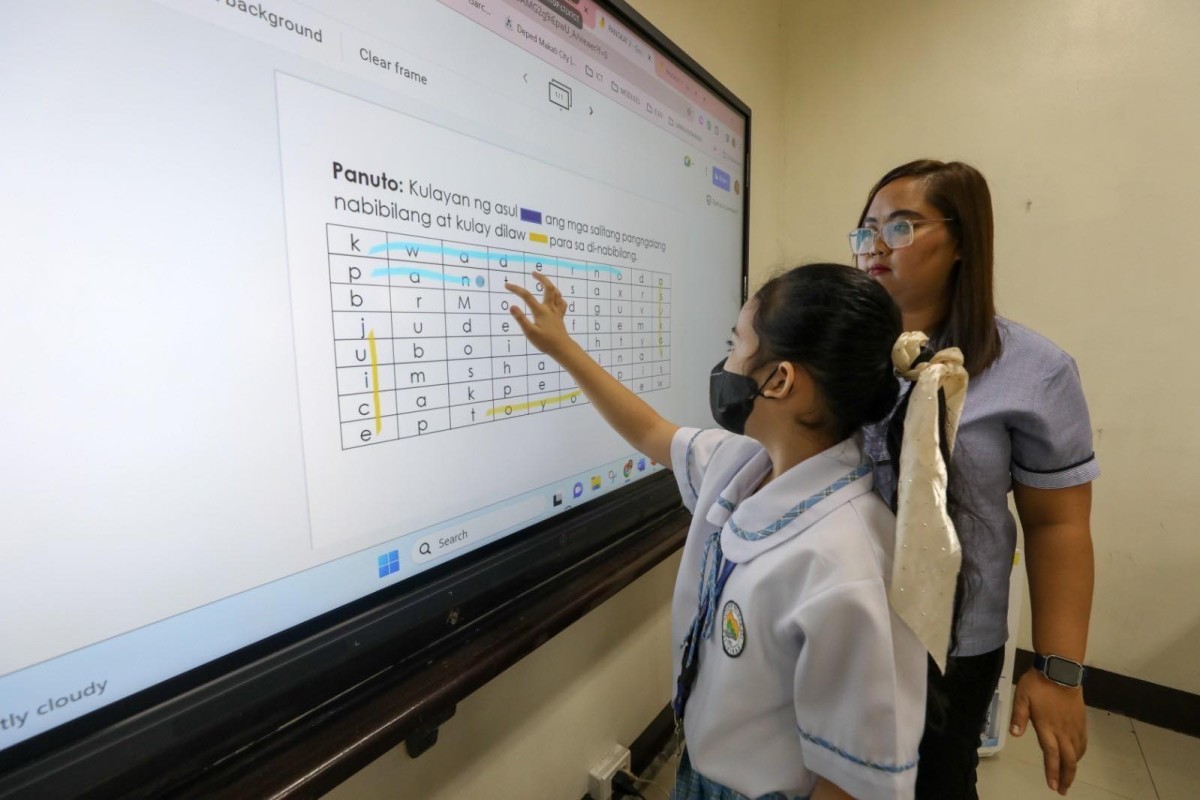
From the educators’ standpoint, there is a continuous need for professional development and better integration of digital tools that can enhance the teaching of values. On the students’ side, diverse learning styles and backgrounds necessitate that values education be both adaptable and culturally sensitive. For instance, research shows that innovative strategies—such as interactive digital platforms and group discussions—boost engagement and understanding of core values in a practical, everyday context.
Institutional Collaborations
Further fostering values formation are the collaborations between different institutions. For example, certain programs in General Santos City involve partnerships between local ministries and schools to conduct values classes, ranging from early grades to senior levels. These partnerships demonstrate a commitment to fostering an environment where values education is not isolated but interwoven through various societal layers.
Comparative Overview Table of Studies and References
| Study/Reference | Focus | Relevance to General Santos City | Link |
|---|---|---|---|
| Socio‐educational Implications of Technology Use | Educational practices during COVID-19 | Case study in General Santos City | PMC Article |
| Values Education Practices at Blagan Elementary | Curriculum integration of values education | Local school initiative in General Santos City | DepEd Advisory |
| DepEd Values Education Program FAQ | Guidelines for values education | Relevant as a national framework influencing local practices | DepEd FAQ |
| Optimizing Values Education Strategies | Teaching strategies and program effectiveness | Involves broader studies with implications for local education | ResearchGate Publication |
| Awareness of DepEd Core Values | Student attitudes towards national values | Insights into values formation at various educational levels | ResearchGate Study |
Detailed Citations and Links
The studies conducted in General Santos City and the broader Philippines context highlight the significance of values formation in the educational system. Below are some of the key citations:
-
Toquero, C. M. D., & Talidong, K. J. B. (n.d.). Socio‐educational implications of technology use during COVID‐19: A case study in General Santos City, Philippines. Published in the PMC repository. View Study
- View Document
- View Advisory
- View Publication
- View Study
Related Queries and Further Reading
 nvillage.wordpress.com
 ndscgsc.blogspot.com
Last updated March 9, 2025