
Unlock the World of Vaping: Your Ultimate Starter Guide to Devices and E-Juice
New to vaping? This comprehensive guide breaks down everything you need to know, from understanding the basics to choosing your first device and e-liquid.
Vaping has emerged as a popular alternative to traditional smoking, offering a different way to experience nicotine or simply enjoy a variety of flavors. If you're a beginner, the world of vape devices and e-juices can seem complex. This guide is designed to demystify vaping, providing you with clear, concise information to help you get started confidently and safely. We'll explore what vaping entails, delve into the types of devices available, and break down the components of e-juice.
Essential Insights for New Vapers
- Understanding the Basics: Vaping involves inhaling an aerosol created by heating a liquid (e-liquid) with an electronic device, which avoids the combustion and many harmful byproducts of traditional tobacco smoking.
- Choosing Your First Device: Beginners should opt for simple, user-friendly devices like pod systems or vape pens, which offer ease of use and maintenance.
- Selecting E-Liquid: E-liquids consist of Propylene Glycol (PG), Vegetable Glycerin (VG), flavorings, and optional nicotine. Understanding PG/VG ratios and nicotine strengths is key to a satisfying experience.
What Exactly is Vaping?
Vaping is the act of inhaling and exhaling an aerosol, often referred to as vapor, produced by an electronic device known as an e-cigarette, vape, or vape pen. Unlike traditional cigarettes that burn tobacco to produce smoke, vaping devices heat a liquid solution (commonly called e-liquid or vape juice) to create this aerosol. This process does not involve combustion, which means it doesn't produce tar or carbon monoxide, two of the most harmful components of tobacco smoke. The vapor typically contains nicotine (though nicotine-free options are available), flavorings, and a base of propylene glycol (PG) and vegetable glycerin (VG).
Many individuals turn to vaping as an alternative to smoking, as it can replicate the hand-to-mouth action and nicotine delivery of cigarettes but with exposure to fewer toxic chemicals. However, it's important to note that vaping is not risk-free, especially for non-smokers and young people.
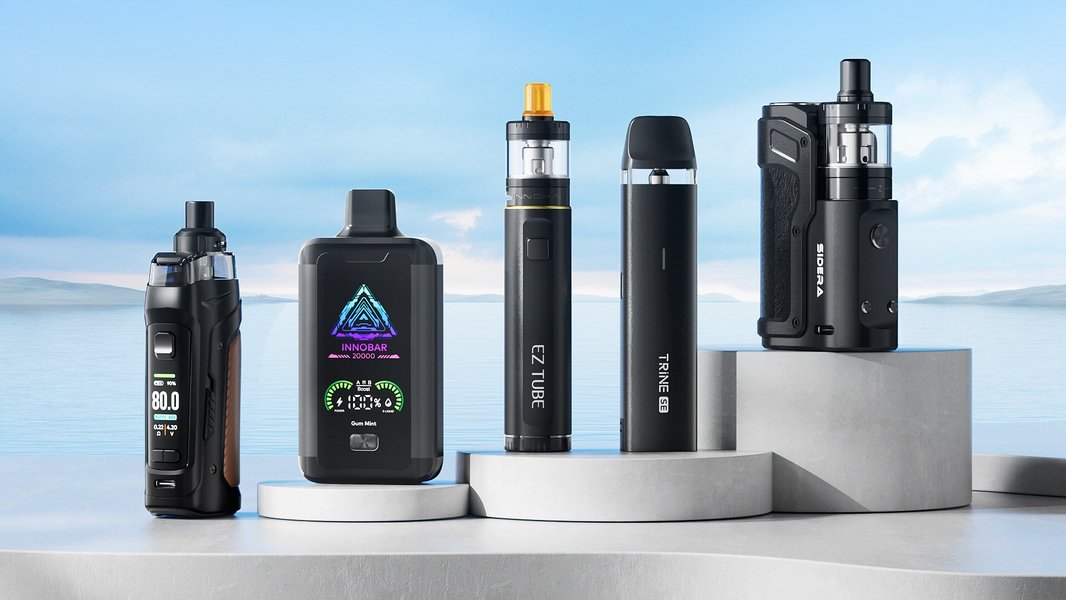
A selection of different types of vape devices suitable for various user preferences.
Your First Steps: A Beginner's Guide to Vape Devices
Choosing your first vape device can seem daunting with the myriad options available. For beginners, simplicity, ease of use, and portability are often key priorities. Understanding the basic components and types of devices will help you make an informed decision.
Core Components of a Vape Device
Most vape devices, regardless of their complexity, share common components:
- Battery: The power source, usually a rechargeable lithium-ion battery. It provides the energy needed to heat the coil.
- Atomizer (or Coil): This is the heating element. When activated by the battery, the coil heats up and vaporizes the e-liquid. Coils are consumable parts and need regular replacement.
- Tank (or Cartridge/Pod): This component holds the e-liquid. Tanks are typically refillable, while some simpler devices use pre-filled or refillable pods/cartridges.
- Wicking Material: Usually made of cotton, this material is saturated with e-liquid and delivers it to the coil to be vaporized.
- Mouthpiece (Drip Tip): The part of the device through which the user inhales the vapor.
Types of Vape Devices for Beginners
Here are some common types of vape devices, particularly suited for those new to vaping:
Cigalikes
These devices are designed to closely resemble traditional cigarettes in size and appearance. They are very simple to use, often consisting of a battery and a pre-filled cartridge. Cigalikes are draw-activated, meaning they produce vapor when you inhale. They are a good starting point for those seeking a familiar feel but generally offer limited battery life and vapor production.
Vape Pens
Larger than cigalikes, vape pens are pen-shaped devices that offer a balance of portability and performance. They typically feature a rechargeable battery, a refillable tank, and a replaceable coil. Some vape pens have a single button for operation, while others are draw-activated. They produce more vapor and offer better flavor than cigalikes, making them a popular choice for beginners.
Pod Systems (Pod Mods)
Pod systems are compact, user-friendly devices that use "pods" to hold e-liquid. These pods can be pre-filled (disposable) or refillable. Pod systems are known for their simplicity, portability, and often utilize nicotine salts (a type of e-liquid that provides a smoother throat hit at higher nicotine concentrations). They are highly recommended for beginners due to their ease of use and maintenance.
Box Mods (Advanced Devices)
Box mods are larger, more powerful devices that offer a high degree of customization. They typically feature larger batteries, variable wattage/voltage settings, temperature control, and are paired with sub-ohm tanks capable of producing large vapor clouds. While versatile, box mods are generally more suited for experienced vapers due to their complexity and maintenance requirements.
Choosing Your First Device: Key Considerations
When selecting your initial vape device, consider the following:
- Simplicity: Look for a device that is easy to set up, use, and maintain. Pod systems and basic vape pens are excellent choices.
- Portability: If you plan to vape on the go, a compact and lightweight device will be more convenient.
- Battery Life: Consider how long you need the device to last between charges.
- Cost: Starter kits vary in price. Set a budget that includes the device, e-liquid, and replacement coils or pods.
- Vaping Style: Some devices are designed for "mouth-to-lung" (MTL) inhales, similar to smoking a cigarette, while others are for "direct-to-lung" (DTL) inhales, which produce more vapor. Many beginner devices are MTL.
Understanding Vape Device Features: A Comparative Look
To help you visualize the differences between beginner-friendly vape devices, the radar chart below compares Cigalikes, Vape Pens, and Pod Systems across several key attributes. These are general comparisons and actual performance can vary by specific model and brand. The scores are on a relative scale where higher values indicate a stronger presence of that attribute (e.g., higher ease of use, greater portability).
This chart illustrates that Cigalikes excel in portability and ease of use but offer lower vapor production and battery life. Vape Pens provide a good balance, while Pod Systems are also very user-friendly and portable, often with better battery life than Cigalikes and simpler maintenance than some vape pens.
Deconstructing E-Juice: Your Beginner's Primer
E-liquid, also known as e-juice or vape juice, is the fluid that vape devices vaporize. Understanding its composition is crucial for choosing the right product for your preferences and device.

E-liquids come in various flavors and nicotine strengths, typically packaged in dropper bottles.
Key Ingredients in E-Liquid
E-liquids generally consist of four main ingredients:
- Propylene Glycol (PG): A colorless, odorless liquid that is a common food additive. In e-liquids, PG is known for carrying flavor effectively and providing a "throat hit," which simulates the sensation of smoking. E-liquids with a higher PG content are thinner.
- Vegetable Glycerin (VG): Another common food additive, VG is a thicker, slightly sweet liquid. It's responsible for producing denser vapor clouds. E-liquids with higher VG content are smoother on the throat.
- Flavorings: Food-grade flavorings are used to create the vast array of e-liquid tastes available, from tobacco and menthol to fruits, desserts, and beverages.
- Nicotine: This is an optional ingredient. E-liquids come in various nicotine strengths, typically measured in milligrams per milliliter (mg/mL), or as a percentage. Nicotine-free (0mg/mL) options are also widely available.
Understanding PG/VG Ratios
The ratio of PG to VG in an e-liquid significantly affects the vaping experience:
- High PG (e.g., 70% PG / 30% VG): Delivers a stronger throat hit and more intense flavor. Produces less vapor. Better suited for smaller, lower-power devices and MTL vaping.
- Balanced (e.g., 50% PG / 50% VG): Offers a good mix of throat hit, flavor, and vapor production. Versatile and works well in many beginner devices.
- High VG (e.g., 30% PG / 70% VG or higher): Produces large, dense vapor clouds and a smoother inhale. Flavors can be slightly more muted. Thicker consistency, requires more powerful devices (often sub-ohm) and is preferred for DTL vaping.
For beginners, a 50/50 PG/VG ratio is often recommended as a starting point, as it provides a good balance and is compatible with most entry-level devices.
Choosing Nicotine Strength
Selecting the right nicotine strength is crucial, especially if you are transitioning from smoking. Nicotine strengths can range from 0mg/mL up to 20mg/mL (or higher in some regions, particularly with nicotine salts).
- 0mg/mL: Nicotine-free. Suitable for those who want to enjoy flavors without nicotine, or who have weaned themselves off nicotine.
- 3-6mg/mL: Low strength. Good for light smokers or those using sub-ohm devices that produce a lot of vapor (more vapor means more nicotine per puff).
- 9-12mg/mL: Medium strength. Often suitable for moderate smokers transitioning to vaping with standard MTL devices.
- 18-20mg/mL: High strength. Generally for heavy smokers making the switch, or for use in low-power pod systems. Nicotine salts often come in these higher strengths but provide a smoother experience.
It's advisable for beginners to start with a moderate nicotine level and adjust based on their experience. If the throat hit is too harsh or you feel dizzy, try a lower strength. If you're still craving cigarettes, you might need a slightly higher strength or a different type of device/e-liquid.
E-Liquid Characteristics Summary
The table below summarizes key characteristics of e-liquids based on PG/VG ratios and common nicotine strength considerations:
| Characteristic | High PG (e.g., 70PG/30VG) | Balanced (50PG/50VG) | High VG (e.g., 30PG/70VG) |
|---|---|---|---|
| Throat Hit | Strong | Moderate | Mild/Smooth |
| Vapor Production | Low to Moderate | Moderate | High/Dense |
| Flavor Intensity | Sharper/Clearer | Good | Slightly Muted/Sweeter |
| Viscosity | Thin | Medium | Thick |
| Device Compatibility | Low-power devices, Pods, Vape Pens (MTL) | Most beginner to intermediate devices | Higher-power devices, Sub-ohm tanks (DTL) |
| Nicotine Strength Considerations for Beginners (Freebase Nicotine) | |||
| Light Smoker / Low Nicotine Need | 3mg/mL - 6mg/mL | ||
| Average Smoker / Moderate Nicotine Need | 9mg/mL - 12mg/mL | ||
| Heavy Smoker / High Nicotine Need | 18mg/mL (Consider Nicotine Salts for smoother high strength) | ||
Visualizing the Vaping Ecosystem
To better understand how the different components of vaping relate to each other, here's a mindmap illustrating the key elements of vape devices and e-liquids. This visual representation can help solidify your understanding of the core concepts discussed.
Throat Hit, Flavor Carrier"] id2a2["Vegetable Glycerin (VG)
Vapor Production, Smoothness"] id2b["Key Additives"] id2b1["Flavorings (Food-Grade)"] id2b2["Nicotine (Optional, Various Strengths)"] id2c["Considerations"] id2c1["PG/VG Ratio (Impacts Experience)"] id2c2["Nicotine Strength (Personal Need)"] id2c3["Flavor Choice (Wide Variety)"]
This mindmap provides a snapshot of the interconnected elements within vaping, highlighting how device components and e-liquid ingredients work together to create the vaping experience.
Getting Started: A Beginner's Vaping Journey
This video provides a helpful visual guide for those new to vaping, covering some of the basics of how to use a vape device. Understanding the practical aspects can make your initial experience smoother.
A beginner's guide on how to vape, covering initial steps and usage.
Watching a tutorial can complement the information provided here, offering practical demonstrations of device handling, filling, and basic operation. Remember to always read your device's manual thoroughly before first use.
Safety First: Important Considerations for Vapers
While vaping is generally considered a less harmful alternative to smoking combustible cigarettes, it's not without risks. Adhering to safety guidelines is crucial for a positive and safer experience.
Battery Safety
- Only use the charger supplied with your device or one specifically recommended by the manufacturer.
- Do not leave charging batteries unattended, especially overnight.
- Avoid exposing batteries to extreme temperatures (hot or cold) or direct sunlight.
- If using devices with removable batteries (like some advanced mods), ensure you understand battery safety, including using battery cases and inspecting battery wraps for damage. For beginners, devices with built-in batteries are often simpler and safer.
- Do not use damaged batteries.
E-Liquid Safety
- Store e-liquids in a cool, dark place, out of reach of children and pets. Nicotine is toxic if ingested.
- Ensure e-liquid bottles have child-resistant caps.
- If e-liquid comes into contact with your skin, wash the area with soap and water. If you feel unwell after accidental exposure or ingestion, seek medical attention.
- Only purchase e-liquids from reputable vendors to ensure quality and safety of ingredients.
General Vaping Practices
- Keep your device clean and well-maintained according to the manufacturer's instructions. This includes regularly changing coils or pods.
- Start with low nicotine strengths if you are new to nicotine or a light smoker.
- Stay hydrated, as vaping can sometimes cause dry mouth.
- Be aware of the regulations regarding vaping in your area.
- If you experience any adverse effects like persistent coughing, dizziness, or chest pain, stop vaping and consult a healthcare professional.
Frequently Asked Questions (FAQ) for Vaping Beginners
Recommended Further Exploration
- Learn about the differences between Mouth-to-Lung (MTL) and Direct-to-Lung (DTL) vaping styles.
- Discover the best practices for priming and maintaining your vape coils to extend their life and improve flavor.
- Explore the characteristics of nicotine salts versus freebase nicotine and which might be better for you.
- Find more detailed safety information regarding the handling and storage of vape batteries and e-liquids.
References
Last updated May 20, 2025