
Unlocking Personalization: The Power of Variable Data Printing in the Digital Age
Transforming Print Communication with Tailored Content
Key Highlights of Variable Data Printing
- Enhanced Personalization: Variable Data Printing (VDP) allows for the customization of text, graphics, and images on each individual printed piece, creating a one-to-one marketing approach.
- Increased Engagement and ROI: By tailoring content to specific recipients based on data, VDP significantly boosts response rates and delivers a higher return on investment compared to generic mailings.
- Driven by Digital Printing Technology: VDP is a direct outgrowth of digital printing, leveraging databases and specialized software to produce high-quality, customized documents efficiently and at scale.
Variable Data Printing (VDP), also known as variable information printing or variable imaging, is a revolutionary form of digital printing that allows for elements like text, graphics, and images to be changed from one printed piece to the next without stopping the printing process. This capability is driven by information from a database or external file, enabling the mass customization of documents. Unlike traditional offset printing, which produces many identical copies, VDP makes it possible to print a batch of documents where each one is unique and tailored to the individual recipient.
This dynamic print technique is a direct result of advancements in digital printing technology. It harnesses the power of computer databases, digital print devices, and sophisticated software to produce high-quality, full-color documents that can look and feel comparable to those produced by conventional offset printing methods. The core idea is to move away from the "mass-production" of a single document towards the "mass customization" of documents, where each piece delivers a customized message to each customer.
How Variable Data Printing Works
A Seamless Integration of Data and Design
The process of Variable Data Printing begins with a standard template that serves as the base layout for all the printed pieces in a run. This template contains static elements that remain consistent across all copies. What makes VDP unique is the integration of variable data. Information from a database or spreadsheet, such as names, addresses, purchasing history, or demographic details, is linked to specific fields within the template.
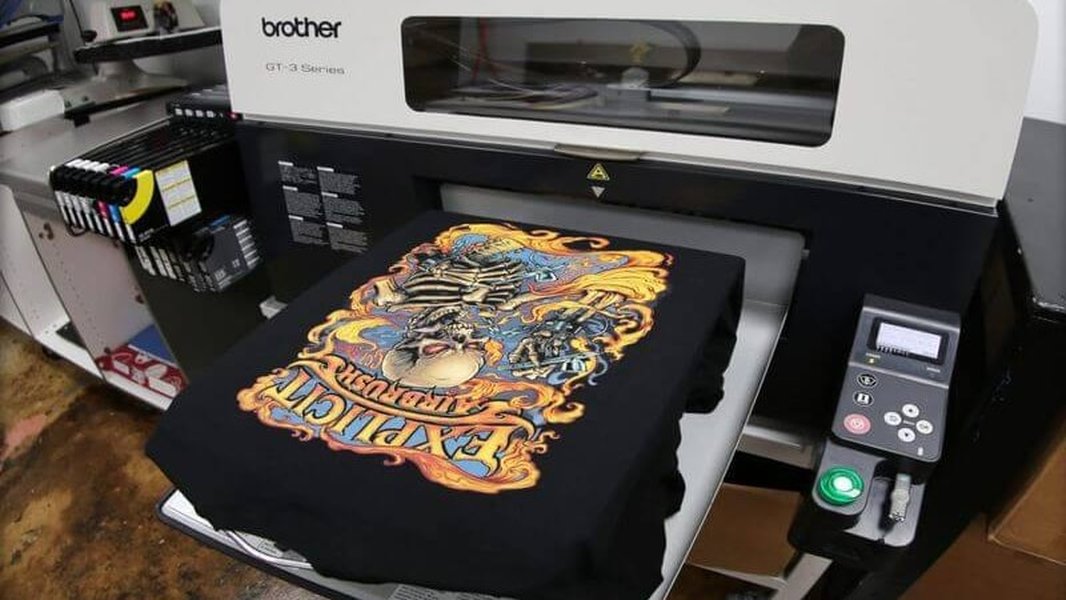
Specialized VDP software plays a crucial role in this process. This software merges the variable data from the external source with the static design template. It dictates to the digital printer exactly how each individual piece should be printed, inserting the unique text, graphics, or images for each recipient. This automation is what allows for the efficient production of highly personalized materials at scale.
The digital printer then executes the print job, applying the variable data to each piece based on the instructions from the VDP software. This happens seamlessly and at speed, ensuring that each document is customized without significant delays in the printing process. The ability to change elements on the fly is a core advantage of digital printing technology that makes VDP possible.
Applications Across Industries
Tailoring Print for Maximum Impact
Variable Data Printing has a wide range of applications across various industries, primarily focused on enhancing communication and engagement by making printed materials more relevant to the recipient.
Direct Marketing Campaigns
One of the most common and effective applications of VDP is in direct marketing. Instead of sending generic mailers, businesses can send personalized postcards, brochures, or letters that address the recipient by name, reference their past interactions, or offer products and services specifically tailored to their interests. This level of personalization significantly increases the likelihood of a response and improves the overall effectiveness of the campaign.
Case studies have shown impressive results from using VDP in direct mail. For instance, personalized URLs (PURLs) integrated into VDP mailings can track recipient engagement and further personalize their online experience. The ability to tailor offers based on collected data, such as odometer readings for automotive services, demonstrates the power of combining data with personalized print.
Transactional Communications
VDP is also widely used for transactional documents like invoices, statements, and reports. While these might seem purely functional, VDP allows for the inclusion of personalized messages, targeted promotions, or relevant inserts based on the customer's account activity or demographics. This transforms a standard communication into a potential marketing opportunity, enhancing customer relationships and promoting additional services.
Event Management and Ticketing
In event management, VDP can be used to create personalized tickets, badges, and information packets. Tickets can include the attendee's name, seat number, and even a QR code linking to a personalized schedule or map. This not only improves the event experience for the attendee but also simplifies logistics and enhances security.
Educational Materials
VDP can personalize educational materials such as textbooks, study guides, and reports. Imagine a study guide customized with a student's name, specific course information, and QR codes linking to additional online resources or assignments relevant to their progress. This level of personalization can make learning more engaging and effective.
Packaging and Labeling
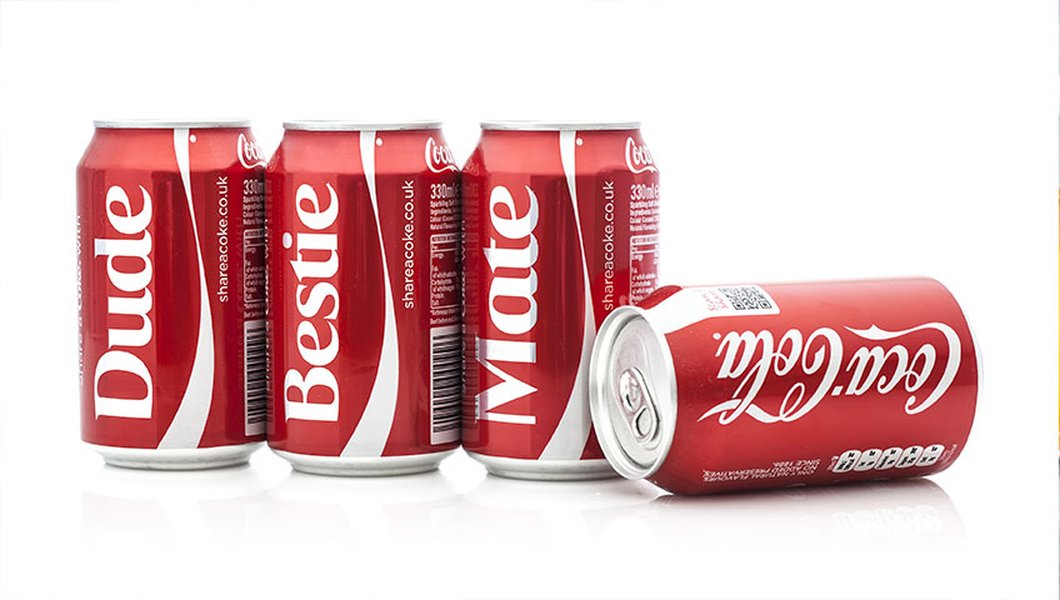
VDP is increasingly being adopted in packaging and labeling to create personalized or serialized products. This can range from limited-edition packaging with unique designs for each item to labels with variable information for tracking, security, or consumer engagement purposes.
Benefits of Variable Data Printing
Why Personalization Matters in Print
The advantages of incorporating variable data into digital printing are numerous and impactful for businesses aiming to connect with their audience on a deeper level.
Increased Response Rates
One of the most significant benefits of VDP is the dramatic increase in response rates for marketing campaigns. Personalized mailings are far more likely to grab the recipient's attention and elicit a desired action compared to generic communications. Studies have shown significantly higher response rates for campaigns utilizing VDP.
Enhanced Customer Engagement
Personalization makes print materials more relevant and valuable to the recipient. Addressing individuals by name and providing content that aligns with their interests or needs fosters a stronger connection and enhances overall customer engagement.
Higher Return on Investment (ROI)
While VDP might have a higher per-piece cost than traditional mass printing, the increased response rates and improved engagement often translate into a much higher return on investment. By targeting the right audience with the right message, businesses can maximize the effectiveness of their print spend.
Reduced Waste and Cost Savings
VDP allows for on-demand printing and can be used for shorter print runs, reducing the risk of overprinting and minimizing waste. Additionally, by including all necessary variable information during the printing process, it can eliminate the need for separate processes like labeling or manual personalization, leading to cost and time savings.
Improved Customer Data Utilization
Implementing VDP encourages businesses to better utilize their customer data. The process requires organizing and leveraging data effectively, which can provide valuable insights for future marketing and business strategies.
VDP Technology and Software
The Engine Behind Personalization
The successful implementation of Variable Data Printing relies on the interplay of advanced digital printing technology and specialized software.
Digital Printing Machines
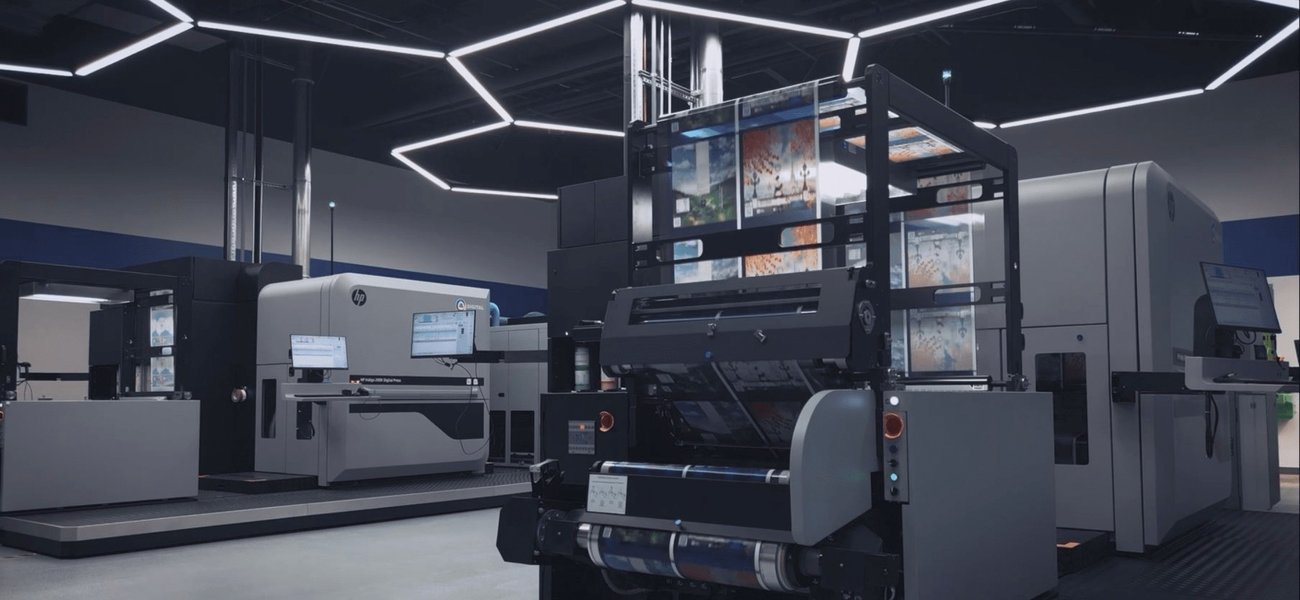
VDP is fundamentally a digital printing process. Digital presses are capable of changing the printed image with each pass, making them ideal for variable data applications. These machines are designed to handle the dynamic nature of VDP files and maintain high print quality even with constantly changing content.
VDP Software
Specialized software is essential for managing and executing VDP jobs. This software takes the design template and the variable data source (typically a database or spreadsheet) and merges them to create the print-ready files. Key functionalities of VDP software include data merging, layout management for variable elements, conditional logic (showing different content based on data), and previewing the personalized output.
Examples of technologies and standards supporting VDP include PPML (Personalized Print Markup Language) and PDF/VT (Portable Document Format/Variable Transactional). These standards facilitate the efficient processing of variable data by the printer's Raster Image Processor (RIP), ensuring optimal print speeds and quality.
Case Studies in Variable Data Printing
Real-World Success Stories
Numerous case studies highlight the effectiveness of Variable Data Printing in achieving marketing and communication objectives. These examples demonstrate how businesses have leveraged VDP to connect with their audiences on a more personal level and drive tangible results.
One notable case study involves a leading IFA group that utilized VDP for their direct mail campaigns. By personalizing their mailers, they were able to achieve significant cost savings in postage while also likely increasing engagement with their clients.
Another example is a Valvoline case study that combined VDP with personalized URLs (PURLs) and list management for a direct mail marketing effort targeting DIYers. By researching and targeting specific demographics near O'Reilly Auto Parts stores and using VDP to create postcards with personalized PURLs, they were able to track responses and further personalize the online experience. The collection of odometer data allowed for tailored product recommendations, strengthening the relationship between Valvoline, O'Reilly Auto Parts, and the customer.
These case studies underscore the importance of focusing on the results and ROI when implementing VDP, rather than getting bogged down in the technical process. Using simple language and providing detailed measurements of success are key to effectively showcasing the power of VDP.
Comparing VDP with Traditional Printing
Digital Personalization vs. Offset Mass Production
Understanding the differences between Variable Data Printing and traditional printing methods like offset lithography is crucial to appreciating the unique value proposition of VDP.
| Feature | Variable Data Printing (VDP) | Traditional Printing (Offset) |
|---|---|---|
| Technology | Digital Printing | Offset Lithography |
| Content Variation | Changes per individual piece | Identical across all pieces |
| Personalization | High level of customization (text, images, graphics) | Limited to non-printed methods (e.g., addressing labels) |
| Setup Costs | Lower for short runs, scales with complexity | Higher initial setup costs (plates) |
| Best Use Case | Personalized marketing, transactional documents, on-demand printing | High-volume, static print runs |
| Minimum Print Run | Suitable for short to long runs | Economical for long runs |
While offset printing remains highly efficient for producing large volumes of identical documents, VDP, powered by digital printing, excels in flexibility and personalization. The ability to change content on the fly allows for targeted and relevant communications that are simply not feasible with traditional methods without significant time and expense.
The Future of Personalized Print
Integrating VDP into Multichannel Strategies
Variable Data Printing is not a standalone solution but is increasingly integrated into broader multichannel marketing strategies. By combining personalized print with digital channels like email, personalized landing pages (PURLs), and social media, businesses can create a cohesive and highly effective customer journey.
The future of personalized print involves even greater sophistication in data utilization and automation. As data collection and analytics capabilities improve, VDP will enable even more finely tuned personalization, delivering highly relevant content to individuals at the right time through the most effective channels.
Here is a video that explains more about Variable Data Printing:
This video provides a clear explanation of how Variable Data Printing works and its importance in print marketing, offering a visual and auditory complement to the detailed information provided in this document.
Frequently Asked Questions about Variable Data Printing
What types of data can be used for VDP?
Almost any type of data can be used for VDP, including names, addresses, demographics, purchase history, browsing behavior, location, and any other information stored in a database or spreadsheet.
Is VDP only for text?
No, VDP can change text, graphics, images, and even the layout or specific document being printed based on the variable data.
Is VDP more expensive than traditional printing?
The per-piece cost of VDP can be higher than traditional offset printing for very large, static runs. However, the increased response rates and ROI often make VDP more cost-effective in the long run, especially for targeted campaigns and shorter runs.
What is the role of VDP software?
VDP software is crucial for merging the variable data with the design template, managing the layout of variable elements, applying conditional logic, and preparing the files for the digital printer.
What are some common applications of VDP?
Common applications include direct marketing mailers, transactional documents (invoices, statements), personalized catalogs, event tickets and badges, educational materials, and personalized packaging and labels.
References
Last updated April 18, 2025