
Understanding Varicocele
A comprehensive guide on causes, symptoms, diagnosis, and treatment
Key Highlights
- Prevalence and Causes: Varicocele is a common condition caused by faulty venous valves leading to enlarged scrotal veins.
- Symptoms and Impact: Although often asymptomatic, varicocele can cause discomfort, testicular atrophy, and fertility issues.
- Diagnosis and Treatment Options: Diagnosis is achieved through physical exam and ultrasound, and treatments include both surgical and non-surgical methods.
What is Varicocele?
Varicocele refers to the abnormal enlargement and dilation of the veins within the scrotum, particularly affecting a network known as the pampiniform plexus. This condition is analogous to varicose veins in the legs and is often noticed during puberty, with many cases remaining asymptomatic. In clinical practice, varicoceles are recognized not only for their prevalence but also for their potential to impact male fertility by altering semen parameters such as sperm count, motility, and morphology.
Anatomy and Physiology
The scrotal region contains a complex network of veins that help regulate the temperature and blood flow necessary for optimal testicular function. The pampiniform plexus, a key component in this network, acts as a counter-current heat exchanger to keep the testicle slightly cooler than the body temperature. When the venous valves within this system malfunction, blood can pool within these veins, leading to a varicocele, most commonly on the left side. The anatomical predisposition on the left side results from the angle at which the left testicular vein enters the left renal vein, compared to the right side.
Causes and Pathophysiology
Underlying Mechanisms
The primary cause of varicocele is believed to be the malfunction of the valves in the veins of the spermatic cord. Normally, these valves prevent backflow and ensure one-directional blood flow away from the testicles. However, when these valves do not function efficiently, blood reflux can occur, leading to venous dilation and pooling. Over time, this pooling phenomenon creates what is commonly described as a "bag of worms," a term used due to the tangled mass of dilated veins palpable during physical examinations.
Development During Puberty
Varicocele formation frequently begins during puberty, a period of rapid growth and hormonal changes. As the testes develop and increase in size, the accompanying increase in blood flow may accentuate the weakness of the venous valves. This, combined with physical growth and pressure dynamics, makes adolescents particularly susceptible to varicocele development.
Risk Factors
While the exact cause remains partly unclear, certain risk factors are associated with varicocele development including:
- Family history of varicocele or venous abnormalities.
- Increased intra-abdominal pressure from chronic coughing or heavy lifting.
- Body structure and anatomic variations in venous architecture.
- Age, with the condition more frequently observed in adolescents and young adults.
Symptoms and Clinical Presentation
Recognizing the Signs
Many men with varicocele will remain asymptomatic and discover the condition incidentally during evaluations for infertility or routine physical exams. However, for others, varicocele can manifest with a range of symptoms which include:
-
Dull Ache and Discomfort:
A common symptom is a persistent, dull aching pain or discomfort in the scrotum. This discomfort may intensify with prolonged standing or physical activity and is usually relieved by lying down.
-
Palpable Mass:
The affected area often feels like a “bag of worms,” particularly when the veins are dilated. This physical finding during examination contributes significantly to the diagnosis.
-
Testicular Discrepancy:
In some cases, one testicle may appear smaller or underdeveloped compared to the other. This asymmetry can be an important clue for clinicians in diagnosing varicocele, particularly on the left side.
-
Heaviness and Swelling:
Men might experience a feeling of heaviness or even visible swelling in the scrotum. This sensation of drag can be uncomfortable during daily activities.
Potential Complications
Although varicoceles are mostly benign, several potential complications may arise if the condition is left untreated:
-
Infertility:
A significant concern is the association between varicocele and male infertility. The condition is known to affect sperm production, leading to low sperm counts, reduced motility, and abnormal morphology.
-
Testicular Atrophy:
Prolonged venous pooling may result in testicular shrinkage or underdevelopment, potentially impacting overall testicular function, including testosterone production.
-
Hormonal Effects:
There may also be a decrease in testosterone production, which can affect secondary sexual characteristics and overall energy levels.
Diagnosis of Varicocele
Clinical Examination
Diagnosis typically starts with a thorough physical examination. During the exam, a physician will palpate the scrotum while the patient is both standing and lying down to look for the characteristic “bag of worms” description. This simple yet effective method is often sufficient to make a preliminary diagnosis.
Diagnostic Imaging
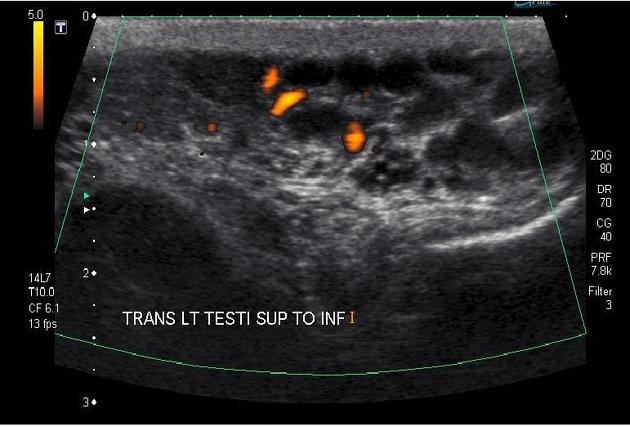
When physical findings are inconclusive or when further assessment is warranted, diagnostic imaging such as scrotal ultrasound is employed. Ultrasound imaging provides a clear view of the venous structures and can help in determining the extent of venous dilation. This modality is particularly useful in distinguishing varicocele from other scrotal conditions.
Grading Varicocele
Varicoceles are typically classified by severity:
| Grade | Description |
|---|---|
| Grade I | Small varicocele, palpable only during Valsalva maneuver. |
| Grade II | Moderate varicocele, palpable without Valsalva but not visible. |
| Grade III | Large varicocele, readily visible and palpable even without Valsalva. |
The grading helps determine the potential impact on fertility and guides the treatment plan.
Treatment Options
Observation and Conservative Management
In many cases, especially when the varicocele is asymptomatic or not affecting fertility, a watchful waiting approach is adopted. Conservative management involves:
- Regular monitoring through physical exams.
- Adopting lifestyle changes to reduce discomfort, such as avoiding prolonged standing or heavy lifting.
- Utilizing supportive underwear to alleviate the feeling of heaviness.
Surgical Intervention
When symptoms are significant, or there is evidence of impaired fertility or testicular atrophy, surgical treatments are considered. The primary surgical options include:
-
Varicocelectomy:
This surgical procedure involves ligating and removing the affected veins. Advances in microsurgical techniques have improved success rates and significantly reduced recovery times.
-
Varicocele Embolization:
A minimally invasive option, embolization is performed by interventional radiologists. Small coils or sclerosants are used to block the abnormal veins, thus redirecting blood flow through healthier channels.
Decisions on surgical intervention typically rely on patient symptoms, degree of venous enlargement, and the impact on fertility. Postoperative improvements in sperm parameters have been reported in many cases, highlighting the potential benefits of these interventions.
Impact on Fertility
Relationship Between Varicocele and Infertility
Varicocele is one of the most common reversible causes of male infertility. It is estimated that approximately 15-20% of healthy men might have a varicocele, while the prevalence may be as high as 40% in men seeking fertility treatment. The backflow of blood from the malfunctioning venous valves increases the temperature inside the scrotum, which is believed to negatively affect sperm production. Numerous studies have shown a correlation between the presence of varicocele and abnormal semen parameters, including lower sperm counts, reduced motility, and increased abnormal sperm morphology.
Effect of Varicocele Repair
Studies have demonstrated that repairing a varicocele through surgical or embolization techniques may lead to improvements in semen quality. Such repair can enhance overall fertility, contributing to an increased likelihood of spontaneous pregnancy. However, treatment decisions should always be tailored to individual circumstances, including the severity of varicocele, degree of symptomatic discomfort, and evidence of compromised fertility.
Ongoing Research and Future Perspectives
Current Research Directions
Research continues to delve deeper into the connection between varicocele and male infertility. Investigators are exploring the molecular mechanisms underlying testicular damage due to increased temperature and oxidative stress related to varicocele. Improvements in imaging techniques and surgical interventions are also ongoing, aiming to optimize patient outcomes while minimizing recovery times and complications.
Innovations in Treatment
Emerging minimally invasive techniques continue to be refined. Innovations in microsurgical varicocelectomy, for example, strive to preserve collateral blood vessels and reduce the risk of complications. Additionally, research into adjuvant medical therapies that can complement surgical repair holds promise for further enhancing the recovery of testicular function and sperm production.
Comparative Overview Table
| Aspect | Description |
|---|---|
| Anatomy | Dilation of the pampiniform plexus within the scrotum, typically on the left side. |
| Common Symptoms | Dull ache, "bag of worms" sensation, testicular atrophy, heaviness, and swelling. |
| Diagnosis | Physical examination, often confirmed by scrotal ultrasound imaging. |
| Treatment | Observation, varicocelectomy, and varicocele embolization based on symptoms and fertility concerns. |
| Impact on Fertility | Associated with decreased sperm quality; repair may improve semen parameters and fertility outcomes. |
| Future Directions | Enhancements in minimally invasive techniques and research into adjunct medical therapies. |
References
- Mayo Clinic - Varicocele
-
Cleveland Clinic - Varicocele Overview
- Healthline - Understanding Varicocele
- WebMD - Varicocele Symptoms & Treatments
- Johns Hopkins Medicine - Varicocele Information
Recommended Related Queries
Last updated March 18, 2025