
The Crucial Role of Centrifugation in Post-Vasectomy Semen Analysis
Ensuring Sterility: A Deep Dive into Semen Analysis Protocols After Vasectomy
Key Insights into Post-Vasectomy Semen Analysis
- Centrifugation's Role: Centrifugation is a critical step in post-vasectomy semen analysis (PVSA), especially when initial microscopic examination shows no sperm (azoospermia), to detect rare, non-motile spermatozoa that might otherwise be missed.
- Timing and Ejaculations: Guidelines recommend performing PVSA typically 8 to 16 weeks after a vasectomy, with a minimum of 20 ejaculations during this period, to ensure all pre-vasectomy sperm have been cleared.
- Defining Success: Vasectomy success is generally confirmed by the absence of motile sperm or a very low concentration (less than 100,000 non-motile sperm per milliliter) in centrifuged samples, though international guidelines can vary.
Understanding Post-Vasectomy Semen Analysis (PVSA)
A vasectomy is a highly effective and permanent form of male contraception, boasting a success rate exceeding 98%. However, its efficacy necessitates careful post-operative monitoring to ensure clinical sterility. This is achieved through Post-Vasectomy Semen Analysis (PVSA), a crucial diagnostic procedure designed to confirm the absence of sperm in the ejaculate. Despite its importance, PVSA compliance can be low, highlighting the need for clear patient instructions and efficient laboratory procedures.
The primary goal of PVSA is to verify that sperm are no longer present in the semen, thereby confirming the success of the vasectomy and allowing the discontinuation of other contraceptive methods. While vasectomy prevents sperm from mixing with semen, residual sperm can remain in the reproductive system for several weeks or even months after the procedure. Therefore, PVSA is not performed immediately but after a sufficient waiting period and a specified number of ejaculations.
Why PVSA is Indispensable
PVSA serves several vital functions beyond simply confirming sterility:
- Confirmation of Success: It provides definitive assurance to the patient and their partner that the risk of future pregnancy is extremely low.
- Detection of Early Recanalization: In rare instances, the vas deferens can spontaneously reconnect (recanalization) early after the procedure, allowing sperm to re-enter the ejaculate. PVSA helps identify such occurrences.
- Addressing Late Failures: Though less common, late recanalization can occur years after a successful vasectomy. While not routinely monitored annually, PVSA protocols address the possibility of persistent sperm.
- Patient Peace of Mind: Knowing that the procedure has been successful allows couples to confidently discontinue other forms of birth control.
The reliability of PVSA results is paramount. This necessitates adherence to standardized collection protocols and rigorous laboratory analysis techniques.
The Necessity of Centrifugation in PVSA
For semen samples that initially appear to be completely devoid of sperm (azoospermic) under routine microscopic examination, centrifugation becomes an essential step in post-vasectomy semen analysis. This process significantly increases the sensitivity of sperm detection, ensuring that even a very small number of sperm, particularly non-motile ones, are identified.
The Science Behind Centrifugation
Centrifugation works by applying centrifugal force to a liquid sample, causing denser particles, such as sperm, to settle at the bottom of the test tube, forming a pellet. This concentrates any spermatozoa present in the specimen, making them easier to detect during subsequent microscopic examination. Without centrifugation, minute numbers of sperm might be missed, leading to a false-negative azoospermia reading and potentially an unplanned pregnancy.
Guidelines from respected bodies such as the British Andrology Society and the American Urological Association (AUA) recommend centrifugation for all post-vasectomy specimens that appear azoospermic on initial assessment. Studies have demonstrated the diagnostic accuracy gained through this process. For example, in a review of over 2,100 samples initially categorized as azoospermic before centrifugation, 99.8% were confirmed as azoospermic or had a sperm concentration of less than 100,000 sperm per milliliter after centrifugation. While the numbers of motile sperm found after centrifugation in initially azoospermic samples are typically very low, their presence is clinically significant.
Centrifugation Parameters
For effective sperm pelleting and detection, specific centrifugation parameters are recommended:
- Force: A minimum of 1,000 x g (gravitational force) is recommended, with some protocols suggesting up to 3,000 x g for 15 minutes to achieve maximum sperm concentration.
- Duration: Typically, samples are centrifuged for 15 minutes.
It is important to note that while centrifugation is crucial for detecting rare non-motile sperm, it can impact sperm motility. Therefore, if the primary goal is to assess motile spermatozoa, initial examination of an uncentrifuged specimen is preferred. However, for post-vasectomy clearance, the detection of any sperm, motile or non-motile, is critical.
The Debate on Centrifugation and Motility
While centrifugation is highly effective for concentrating sperm, it's acknowledged that the process itself can affect sperm motility. Laboratories will often report "spermatozoa present" without comment on motility if sperm are only identified in the centrifuged preparation, as the centrifugation process may render previously motile sperm non-motile. Therefore, if motile spermatozoa are sought, particularly in the context of male hormone contraception research or general fertility assessment, high-speed centrifugation should be avoided, and an aliquot of the undiluted sample should be assessed first.
However, in the context of post-vasectomy analysis, the presence of any sperm (even non-motile) signifies incomplete sterilization. This is why centrifugation is vital for achieving the sensitivity required to confirm vasectomy success, aligning with the definition of azoospermia (absence of sperm) or the presence of rare non-motile sperm (RNMS).
Timing and Collection Protocols for PVSA
The timing and method of semen sample collection are just as critical as the laboratory analysis for accurate PVSA results. Adherence to these protocols ensures that any residual sperm from before the vasectomy have been cleared from the reproductive system.
When to Collect the Sample
Most guidelines recommend waiting a specific period after a vasectomy before the first PVSA. This waiting period allows for the clearance of any sperm remaining in the distal portion of the vas deferens. Key recommendations include:
- Waiting Period: Generally, 8 to 16 weeks post-vasectomy is considered the appropriate period for the first PVSA. Some sources specify around 3 months.
- Number of Ejaculations: Patients are advised to have at least 20 ejaculations within this waiting period. This high number of ejaculations helps flush out any lingering sperm.
- Abstinence Period: Prior to sample collection, an abstinence period of no less than 48 hours and no more than seven days is usually recommended.
It's important to note that sperm can persist in the semen for several weeks or even months after a vasectomy, with some studies reporting sperm presence up to a year post-vasectomy in rare cases. This underscores the necessity of proper timing and repeated testing if initial results are not conclusive.
Sample Collection Method
Semen samples for PVSA should be collected by masturbation into a sterile container. Patients are typically instructed to collect the entire ejaculate. Some clinics may prefer samples to be produced onsite, while others allow home collection, provided the sample is transported to the laboratory within a specified timeframe (e.g., within 30-60 minutes) and maintained at body temperature.
Contamination with spermicidal material should be avoided, as this can lead to inaccurate results. Clear, written instructions on proper collection techniques are essential to ensure the integrity of the sample.
Interpreting PVSA Results and Defining Success
The interpretation of PVSA results is crucial for confirming vasectomy success and depends on various guidelines from different urological and andrology associations. While the general principle is the absence of sperm, specific criteria vary.
Criteria for Vasectomy Success
Success is generally confirmed when a fresh or centrifuged semen sample exhibits one of the following:
- Azoospermia: Complete absence of spermatozoa. This is the ideal outcome.
- Rare Non-Motile Sperm (RNMS): The presence of a very small number of non-motile sperm, typically fewer than 100,000 per milliliter.
The American Urological Association (AUA) guidelines consider azoospermia or less than 100,000 non-motile sperm per milliliter as reliable indicators of vasectomy success. The European Association of Urology (EAU) similarly permits clearance after a single non-centrifuged sample demonstrating azoospermia or RNMS at 12 weeks.
Handling Persistent Sperm
If more than 100,000 non-motile sperm per milliliter persist beyond six months after vasectomy, or if any motile sperm are detected at six months, the vasectomy may be considered a failure. In such cases, trends of serial PVSA results and clinical judgment are used to decide if a repeat vasectomy is necessary. Early recanalizations with cautery are less likely to result in vasectomy failure compared to those after ligation.
This radar chart illustrates the comparative strengths and considerations of using centrifuged versus uncentrifuged semen samples in post-vasectomy analysis. As seen, centrifuged samples generally offer higher sensitivity in sperm detection and are crucial for minimizing false negatives, which is paramount for ensuring vasectomy success. However, they may involve more lab resources and can impact patient compliance if stringent lab-only collection is required. Conversely, uncentrifuged samples are less resource-intensive and may be more convenient for patients but carry a higher risk of missing rare sperm.
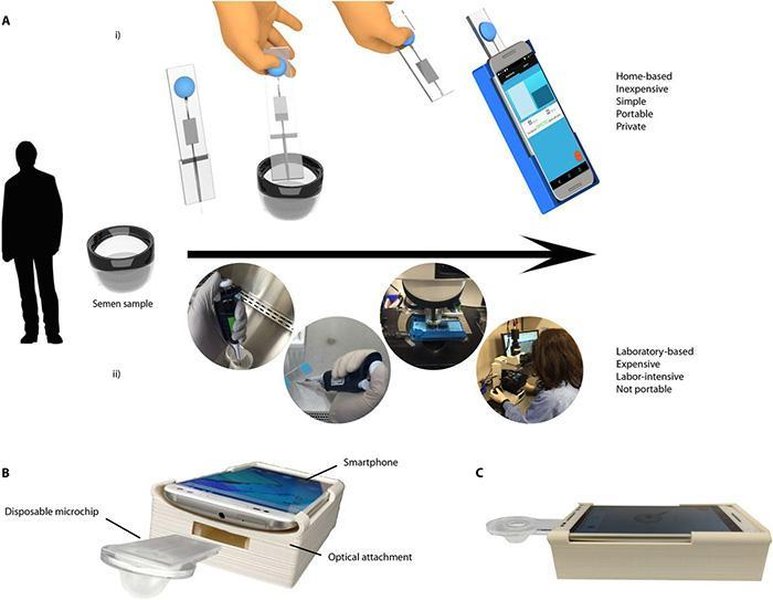
A modern approach to semen analysis, potentially integrating with home testing and telemedicine.
Technological Advancements in Semen Analysis
While traditional laboratory methods remain the gold standard, new technologies are emerging to make semen analysis, including post-vasectomy testing, more accessible and accurate. These advancements aim to improve patient compliance and streamline the diagnostic process.
Home Testing Systems
The development of at-home sperm testing systems, such as the Trak System, offers a semiquantitative measurement of sperm concentration. These systems demonstrate high accuracy for categorizing sperm concentrations and strong correlation with laboratory measurements, potentially enabling screening and longitudinal monitoring from the convenience of home. Such innovations could significantly boost compliance rates for PVSA.
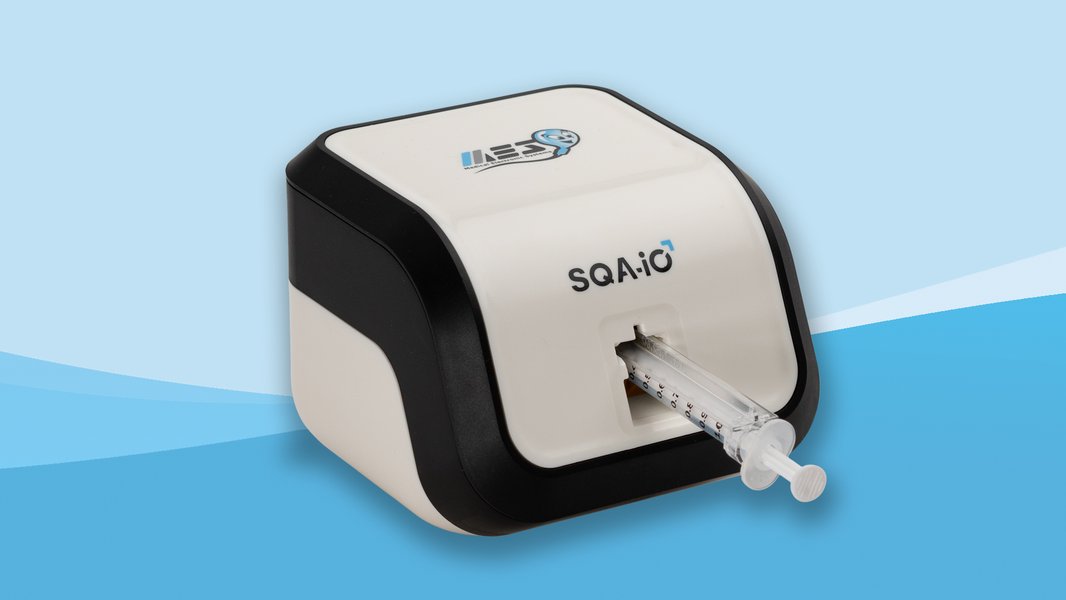
An automated semen analyzer, illustrating precision and efficiency in laboratory testing.
Automated Semen Analyzers
Automated semen analyzers are increasingly being used in laboratories to improve the efficiency and consistency of semen analysis. These devices can assess various parameters, including sperm count, motility, and morphology, with high precision, reducing inter-observer variability. While they might still integrate centrifugation steps for azoospermic samples, they streamline the overall workflow.
Centrifugation-Free Devices
Research is also exploring centrifugation-free devices for sperm selection, particularly for assisted reproductive techniques. These devices, based on migration-sedimentation techniques, aim to avoid potential centrifugation-induced damage to spermatozoa. While not yet standard for PVSA, the underlying principle of concentrating sperm through non-mechanical means could have future implications for post-vasectomy testing, potentially offering a gentler method for detecting rare sperm.
This video explains the importance of sperm testing three months after a vasectomy to confirm sterility and why it is a critical step in post-operative care.
This video provides an excellent overview of the significance of post-vasectomy semen analysis. Dr. Simon Snook emphasizes why testing three months after a vasectomy is essential to confirm the procedure's success and establish sterility. This directly supports the understanding that while a vasectomy is a permanent birth control method, verification through a semen test is a necessary final step. It addresses common patient questions and highlights the importance of timely follow-up for peace of mind and effective contraception.
Comparative Guidelines for PVSA
While the overall consensus is that PVSA is necessary, different international guidelines offer varying recommendations on specific aspects, such as the timing, number of samples, and the necessity of centrifugation.
Variations in Global Guidelines
The table below summarizes some of the key differences in post-vasectomy semen analysis guidelines across different professional societies:
| Guideline Body | Timing of First PVSA | Number of Samples | Centrifugation for Azoospermia | Definition of Success |
|---|---|---|---|---|
| American Urological Association (AUA) | 8–16 weeks; at least 20 ejaculations | Single sample (if azoospermic/RNMS) | Recommended if initially azoospermic | Azoospermia or <100,000 non-motile sperm/mL |
| British Andrology Society (BAS) | Minimum 12 weeks; at least 20 ejaculations | Single or two (for "special clearance" with RNMS) | Required if initially azoospermic | Azoospermia or RNMS (two centrifuged samples for special clearance) |
| European Association of Urology (EAU) | 12 weeks | Single sample (if azoospermic/RNMS) | Not explicitly required for clearance (single non-centrifuged sample may suffice) | Azoospermia or RNMS |
As evident from the table, while there's general agreement on the importance of PVSA, nuances exist. The AUA and BAS emphasize centrifugation for seemingly azoospermic samples to ensure no sperm are missed, whereas the EAU's guidelines appear somewhat less stringent on this particular aspect for initial clearance. This highlights the importance of clinicians following the guidelines prevalent in their respective regions or those recommended by leading urological and andrology associations.
Future Directions and Patient Compliance
Ensuring high patient compliance with PVSA protocols is a significant challenge. Studies indicate that a substantial percentage of men do not complete the recommended semen analysis, which can compromise the effectiveness of vasectomy as a contraceptive method. Strategies to improve compliance are crucial for public health.
Improving Compliance
Efforts to enhance compliance include:
- Clear and Consistent Communication: Providing comprehensive verbal and written instructions about the timing, collection method, and importance of PVSA.
- Streamlined Access: Making sample submission as convenient as possible, potentially through at-home testing options or flexible drop-off schedules.
- Patient Education: Emphasizing the potential consequences of non-compliance, such as unexpected pregnancy.
- Follow-up Reminders: Implementing systems for automated reminders for scheduled appointments or sample submissions.
The long-term success of vasectomy as a contraceptive method relies not only on the surgical procedure itself but also on meticulous post-operative follow-up, with PVSA playing a central role. Continued research into optimized PVSA protocols and patient-friendly testing methods will further solidify vasectomy's position as a highly effective and reliable form of male contraception.
Frequently Asked Questions (FAQ)
Is it really necessary to centrifuge semen samples after a vasectomy if no sperm are seen initially?
How long after a vasectomy should I provide a semen sample for analysis?
What does it mean if rare non-motile sperm (RNMS) are found in my post-vasectomy semen analysis?
Can sperm return after a successful vasectomy?
What should I do if my PVSA results indicate vasectomy failure?
Conclusion
In conclusion, centrifugation plays a pivotal and necessary role in post-vasectomy semen analysis (PVSA). It is a critical step for accurately determining vasectomy success by significantly enhancing the detection of rare, non-motile sperm that might otherwise be missed. Adherence to standardized guidelines for both sample collection and laboratory analysis, including appropriate centrifugation parameters, is paramount for ensuring clinical sterility and providing patients with reliable confirmation of their contraceptive status. While technological advancements are emerging to streamline and potentially decentralize some aspects of semen analysis, the fundamental principle of thorough microscopic examination, often aided by centrifugation, remains central to effective post-vasectomy care. Ongoing patient education and efforts to improve compliance with PVSA protocols are vital to maximize the success rate and public health impact of vasectomy as a permanent male contraceptive method.
Recommended Further Queries
- Explore the long-term success rates and potential reasons for vasectomy failure.
- Investigate the comprehensive international guidelines for male fertility testing after vasectomy.
- Discover the latest innovations and accuracy of at-home sperm testing devices.
- Understand the psychological impact of vasectomy and the importance of post-operative follow-up.