
Vastus Lateralis: Comprehensive Overview
In-depth anatomy, functionality, and clinical relevance
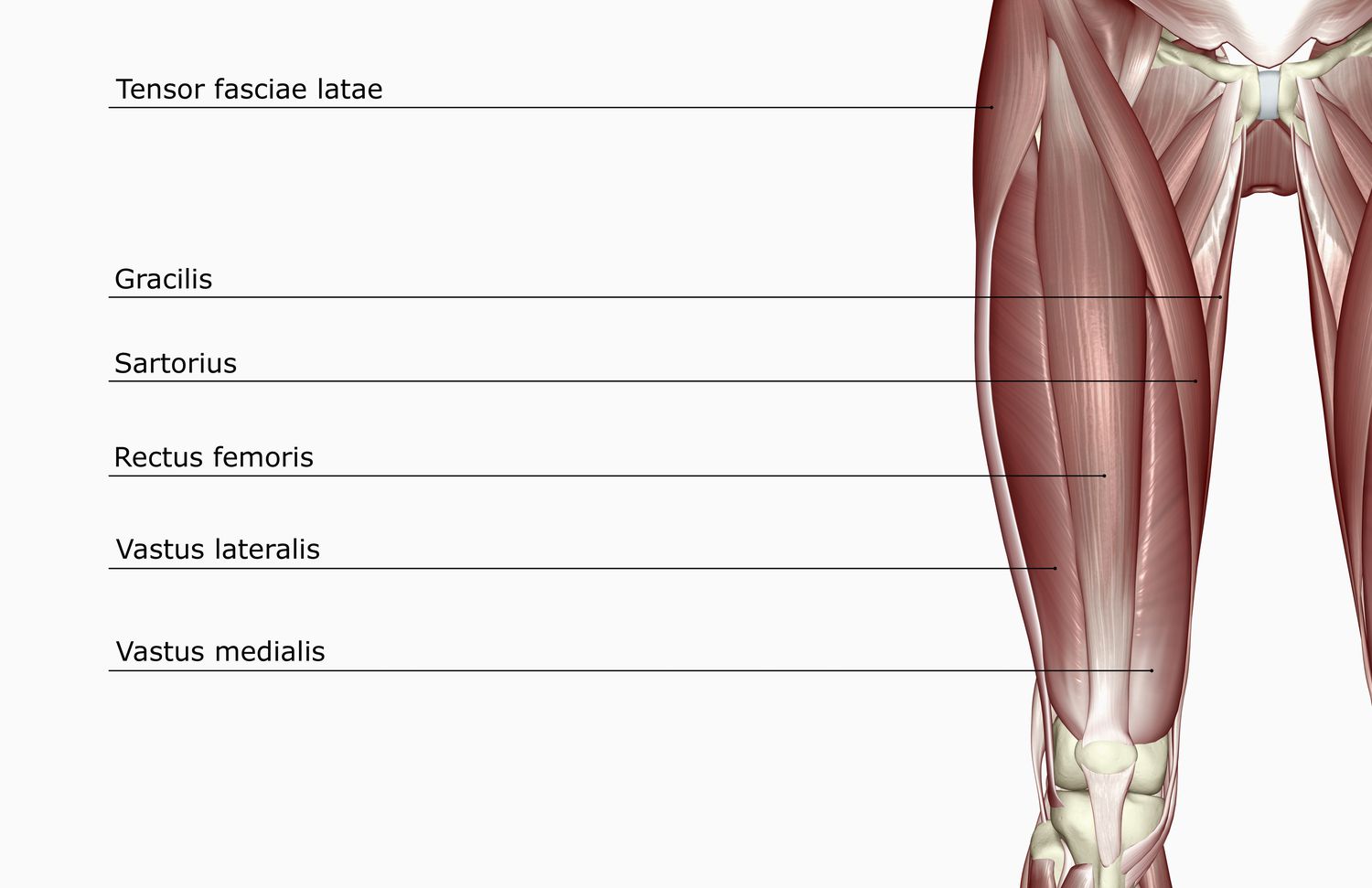
Key Highlights
- Anatomical Significance: The vastus lateralis is the largest muscle in the quadriceps group, with a critical role in knee extension and stability.
- Functional Role: It acts in concert with other quadriceps muscles to ensure smooth movements such as walking, running, and jumping.
- Clinical Relevance: Its balance with the vastus medialis is vital for knee mechanics; it's also a preferred injection site in infants and a focus area in rehabilitative therapy.
Anatomy and Structure
Origin and Insertion
The vastus lateralis is a prominent muscle on the lateral side of the thigh and represents the largest component of the quadriceps femoris. It originates from multiple regions on the femur, including:
- The lateral lip of the linea aspera
- The intertrochanteric line and regions near the greater trochanter
- Sections of the lateral border of the femur including parts of the gluteal tuberosity
The muscle fibers merge into a robust tendon, which becomes a component of the quadriceps femoris tendon and eventually attaches to the patella. This pathway is instrumental in transferring the muscle's force to the knee joint, enabling effective knee extension.
Muscle Fiber Arrangement
The vastus lateralis’s fibers are arranged in an aponeurotic configuration that covers a significant portion of the muscle. This structure helps distribute force efficiently during contraction. Additionally, the muscle’s extensive fiber arrangement supports its status as the most powerful member of the quadriceps group.
Innervation and Vascular Supply
The nerve supply of the vastus lateralis is provided by the femoral nerve, specifically through nerve roots L2, L3, and L4. This innervation is critical for initiating the electrical impulses required for muscle contraction.
The lateral circumflex femoral artery is responsible for the blood supply, ensuring adequate oxygenation and nutrient delivery necessary for muscle performance and recovery.
Functionality and Biomechanics
Primary Functions
The foremost role of the vastus lateralis is knee extension. This movement is essential not only for basic actions such as standing up and walking but also for dynamic activities that involve running, jumping, and climbing stairs. During knee extension, the vastus lateralis works synergistically with the vastus medialis, vastus intermedius, and rectus femoris to counterbalance forces acting on the patella and maintain knee alignment.
Contribution to Lower Limb Stability
Beyond extending the knee, the vastus lateralis is integral in providing lateral stability to the knee joint. It helps control patellar movement by ensuring that the kneecap remains properly aligned within the femoral groove during motion. An imbalance between the vastus lateralis and the vastus medialis can lead to improper patellar tracking, which, over time, may contribute to conditions such as patellofemoral pain syndrome.
Role in Physical Activity and Exercise
In sports and daily activities, the vastus lateralis plays a vital role in power generation. Exercises that target this muscle—such as squats, leg presses, lunges, and step-ups—are common recommendations for building thigh strength. Not only are these exercises beneficial for enhancing athletic performance, but they also aid in injury prevention by fortifying knee stability.
Athletes and physiotherapists alike emphasize the importance of a well-balanced quadriceps group to prevent overcompensation by the vastus lateralis. This ensures the entire muscle group works harmoniously, thus maintaining proper biomechanics during movement.
Clinical Significance and Applications
Rehabilitation and Muscle Strengthening
Injuries affecting the vastus lateralis can lead to compromised knee function and pain. Rehabilitation protocols for knee injuries often incorporate targeted exercises to strengthen the vastus lateralis alongside its quadriceps counterparts. This muscle-specific training is instrumental in restoring normal gait patterns and preventing subsequent injuries.
In therapeutic settings, both isolated and compound exercises are used to rehabilitate a weakened or injured vastus lateralis. Strategies might include:
- Isometric contractions to reduce load while maintaining muscle recruitment
- Progressive resistive exercises to boost muscle strength and endurance
- Functional training that mimics daily activities or sports-specific movements
Diagnostic and Injection Site
The vastus lateralis also holds clinical value as a site for intramuscular injections. For infants less than 7 months old and individuals who are non-ambulatory, this muscle is preferred due to its size and accessibility. The extensive muscle mass ensures that medication is absorbed efficiently, making it an optimal choice in pediatric and certain adult patient groups.
Additionally, palpation of the vastus lateralis can be used to assess muscle tone and detect abnormalities. Clinicians often examine the muscle to identify areas of tenderness or imbalance that may be contributing to knee instability or pain.
Aging and Neuromuscular Remodeling
As individuals age, the vastus lateralis, like other muscles, undergoes neuromuscular remodeling. This includes a loss of motor neurons along with compensatory enlargement of surviving motor units. These changes can lead to decreased muscle strength and a higher susceptibility to falls or joint injuries. Understanding these process nuances is crucial for developing exercise regimes and therapeutic interventions for older populations.
Detailed Anatomical Comparison Table
| Feature | Details |
|---|---|
| Muscle Group | Quadriceps Femoris |
| Location | Lateral thigh |
| Origin | Lateral lip of the linea aspera, intertrochanteric line, and regions near the greater trochanter |
| Insertion | Patella via the quadriceps tendon |
| Primary Function | Knee extension and patellar stabilization |
| Innervation | Femoral nerve (L2, L3, L4) |
| Blood Supply | Lateral circumflex femoral artery |
Advanced Insights and Research Perspectives
Muscle Imbalance and Patellar Tracking
Maintaining an appropriate balance between the vastus lateralis and the vastus medialis is pivotal for proper knee mechanics. An imbalance where the vastus lateralis contracts more powerfully or prematurely compared to the vastus medialis may contribute to patellar maltracking. This phenomenon has been observed in patients with patellofemoral pain syndrome and is a subject of ongoing biomechanical research.
As researchers delve into the intricacies of muscle coordination during dynamic activities, the role of the vastus lateralis in modulating lateral knee forces is becoming increasingly evident. Clinical interventions may include targeted physiotherapy to rebalance the activation patterns between these muscles.
Implications for Sports Medicine
For athletes, the robust development of the vastus lateralis is essential for peak performance. Sports medicine practitioners often assess the muscle’s condition to prevent potential injuries such as strains or overuse syndromes. Customized strength training routines that focus on both the vastus lateralis and its opposing muscle groups not only improve performance but also contribute to overall joint health.
Emerging data underscore the relevance of neuromuscular training, proprioceptive exercises, and sport-specific drills in safeguarding the knee joint. Such integrated approaches help in optimizing muscle coordination and enhancing athletic endurance.
Practical Exercises and Training Recommendations
Targeted Exercise Routines
Strengthening the vastus lateralis can be achieved through multiple exercise modalities. Here are some recommended exercises:
- Squats: Focus on proper form while descending to ensure balanced activation of the quadriceps.
- Leg Press: Adjust foot placement to emphasize the outer thigh muscles.
- Lunges: Forward or lateral lunges help engage the vastus lateralis alongside other quadriceps.
- Step-Ups: Using varying platform heights can further challenge the muscle.
Each of these exercises can be integrated into a comprehensive leg workout to promote uniform strength development. It is recommended to combine these activities with functional training drills that mimic daily movements.
Injury Prevention Strategies
Preventing injuries within the vastus lateralis and the broader quadriceps group involves a multifactorial approach. In addition to targeted exercises, incorporating stretching routines, proper warm-up protocols, and balanced muscle training is key. An underdeveloped vastus lateralis may predispose an individual to increased stress on the knee joint, leading to potential ligament strains or patellar issues.
Patients recovering from knee injuries may benefit from gradual reintroduction to weight-bearing activities combined with physiotherapy techniques designed to correct imbalances.
References
- Vastus Lateralis - Physiopedia - Physio-Pedia
- Vastus Lateralis Function, Anatomy, and Rehabilitation - Verywell Health
- Vastus Lateralis Muscle - Wikipedia
- Anatomy, Bony Pelvis and Lower Limb: Vastus Lateralis Muscle - NCBI
- Vastus Lateralis - Actions - TeachMeAnatomy
Recommended Further Exploration
Last updated March 16, 2025