
Unlocking Optimal Nutrition for the Vegan Lifestyle
Detailed daily vitamin and mineral guidelines for a 36-year-old vegan male
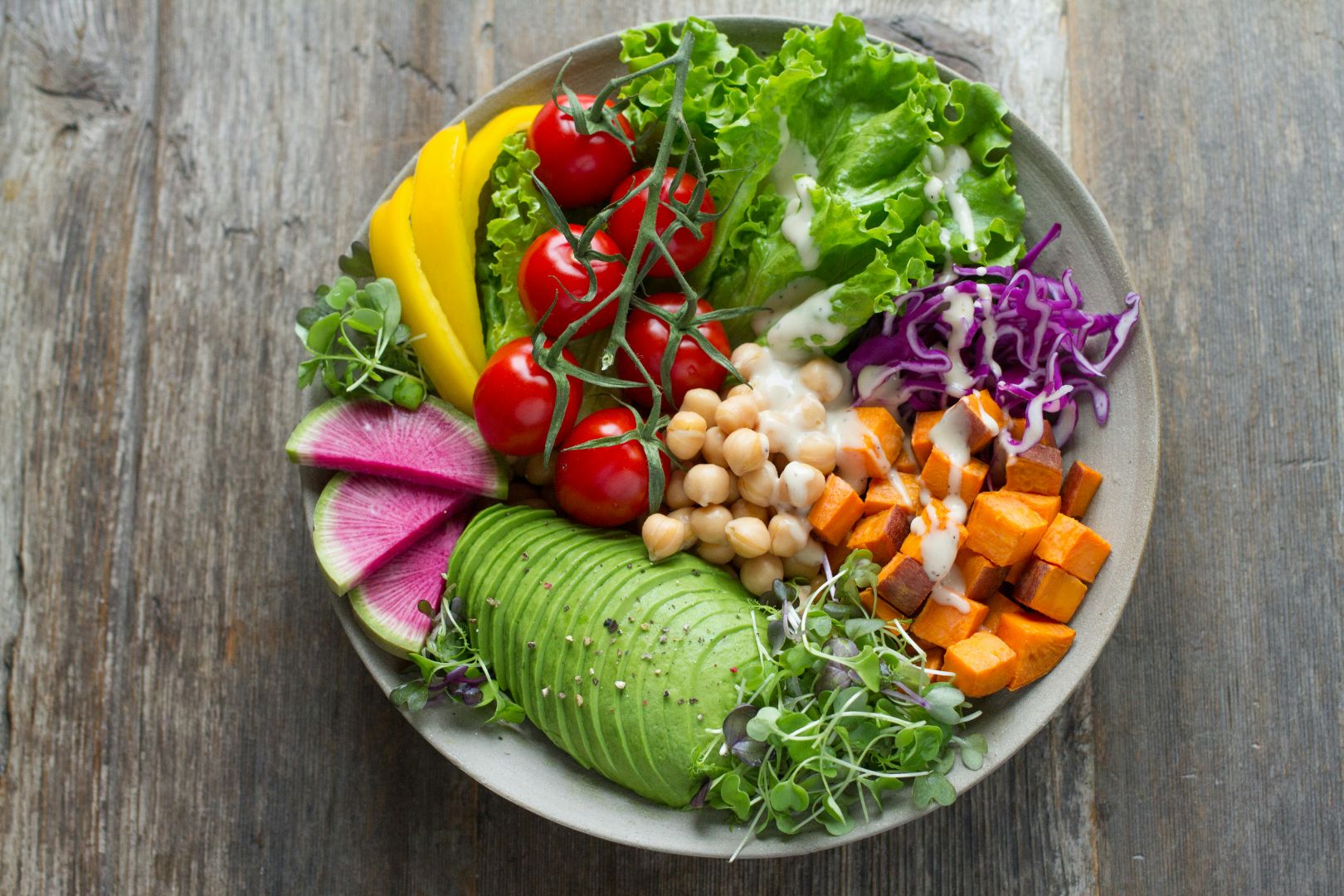
Key Highlights
- Essential Supplements: Vitamin B12, Vitamin D, Omega-3 (DHA/EPA), and Iodine are hard to obtain reliably from vegan foods.
- Plant-based Abundance: Most vitamins, including Vitamin A, C, E, K and many B vitamins, along with minerals like Iron, Zinc, and Calcium, can be sourced from a balanced diet.
- Regional Guidelines: Recommendations are based on US (DRIs), UK (NHS), and EU (EFSA) dietary guidelines, ensuring a broad perspective.
Comprehensive Daily Nutritional Requirements
Ensuring adequate nutrient intake as a 36-year-old vegan male can be both exciting and challenging. Balancing optimal health can be achieved by carefully integrating the guidance provided by major regulatory bodies and nutritional experts from the US, UK, and EU. The following breakdown provides a detailed comparison of vitamins and minerals that are typically available from plant-based foods versus those that might often require supplementation in a vegan diet.
Vitamins: Obtaining from Plant Sources vs. Supplements
Plant-based Sources
Many key vitamins are abundantly available in a well-planned vegan diet. For instance, the body can convert beta-carotene found in orange and yellow vegetables (such as carrots and sweet potatoes) to Vitamin A. Vitamins such as Vitamin C and Vitamin E are readily available in citrus fruits, berries, nuts, seeds, and vegetable oils. Vitamins in the B-complex group (except B12) are found generally in whole grains, legumes, nuts, and seeds. Additionally, Vitamin K can be sourced from leafy greens like kale and spinach, and folate (Vitamin B9) is accessible in dark leafy greens and legumes.
Key Nutrient Values from Plant-based Foods
Below is a detailed look at some of the daily recommended intakes:
- Vitamin A: Approximately 900 mcg (as beta-carotene can be converted to active Vitamin A) – sourced from carrots, sweet potatoes, and leafy greens.
- Vitamin C: 90 mg per day – obtainable from citrus fruits, peppers, broccoli, and strawberries.
- Vitamin E: 15 mg per day – found in nuts, seeds, and vegetable oils.
- Vitamin K: 120 mcg per day – mainly available in leafy greens such as spinach and kale.
- Folate (B9): 400 mcg per day – available in legumes, dark leafy greens, and fortified cereals.
- Other B Vitamins: Thiamin (B1; 1.2 mg), Riboflavin (B2; 1.3 mg), Niacin (B3; 16 mg), Pantothenic Acid (B5; 5 mg), Pyridoxine (B6; 1.3 mg), and Biotin (B7; 30 mcg) are accessible through whole grains, nuts, seeds, legumes, mushrooms, and avocados.
Supplements: Navigating the Nutritional Gaps
Essential Supplements for Vegan Diets
Certain vitamins and nutrients are either present in limited amounts or are not available in an exclusively plant-based diet. Special attention should be paid to the following nutrients:
- Vitamin B12: 2.4 mcg per day – Crucial for nerve function and red blood cell production, vitamin B12 is almost exclusively available from animal products. Vegan sources include fortified plant milks, nutritional yeast, and breakfast cereals, though supplementation is generally recommended to ensure adequate intake.
- Vitamin D: 600 IU (15 mcg) per day – Vital for bone health, immune function, and calcium absorption. While some vitamin D is available from small amounts in fortified plant-based products and mushrooms exposed to UV light, supplementation is advised, especially in regions with low sunlight exposure.
- Omega-3 Fatty Acids (DHA/EPA): While there is no specific RDA, a daily intake of 250-500 mg of combined docosahexaenoic acid (DHA) and eicosapentaenoic acid (EPA) is generally recommended for cardiovascular and brain health. Plant sources like flaxseed, chia seeds, and walnuts provide alpha-linolenic acid (ALA), a precursor to DHA/EPA, but conversion efficiency is limited; therefore, algal oil supplements are encouraged.
- Iodine: 150 mcg per day – Iodine is essential for thyroid function. Vegan diets can rely on iodized salt and sea vegetables, yet variability in iodine content and consumption patterns often necessitate supplementation.
- Calcium (Supplementation Consideration): Although 1,000 mg per day can be met by consuming fortified plant milk, tofu prepared with calcium sulfate, leafy greens, and almonds, some individuals may require supplemental calcium if dietary intake is inconsistent.
- Iron & Zinc: While their RDAs are approximately 8 mg for iron and 11 mg for zinc, absorption from plant sources is less efficient, and combining these foods with vitamin C-rich produce can boost absorption. However, in the case of limited dietary intake, supplements may be necessary.
- Selenium: 55 mcg per day – Sourced from Brazil nuts and whole grains, selenium intake should be monitored, but supplementation may be beneficial if dietary variance is high.
Detailed Nutrient Breakdown Table
| Nutrient | Daily Recommended Intake | Plant-Based Sources | Supplementation Often Needed |
|---|---|---|---|
| Vitamin A | 900 mcg | Carrots, sweet potatoes, leafy greens | No |
| Vitamin B1 (Thiamine) | 1.2 mg | Whole grains, legumes, nuts, seeds | No |
| Vitamin B2 (Riboflavin) | 1.3 mg | Spinach, almonds, fortified plant milks | No |
| Vitamin B3 (Niacin) | 16 mg | Whole grains, legumes, seeds | No |
| Vitamin B5 (Pantothenic Acid) | 5 mg | Mushrooms, avocados, whole grains | No |
| Vitamin B6 (Pyridoxine) | 1.3 mg | Chickpeas, potatoes, bananas | No |
| Vitamin B7 (Biotin) | 30 mcg | Nuts, seeds, sweet potatoes | No |
| Vitamin B9 (Folate) | 400 mcg | Dark leafy greens, legumes, fortified cereals | No |
| Vitamin B12 | 2.4 mcg | Fortified plant milks, nutritional yeast | Yes |
| Vitamin C | 90 mg | Citrus fruits, berries, bell peppers | No |
| Vitamin D | 600 IU (15 mcg) | Fortified plant milks, UV-exposed mushrooms | Yes |
| Vitamin E | 15 mg | Nuts, seeds, vegetable oils | No |
| Vitamin K | 120 mcg | Leafy greens (kale, spinach) | No |
| Calcium | 1,000 mg | Fortified plant milks, tofu with calcium sulfate, leafy greens | Potentially, if intake is low |
| Iron | 8 mg | Legumes, lentils, spinach, fortified cereals | Usually no, but pairing with vitamin C enhances absorption |
| Magnesium | 420 mg | Nuts, seeds, whole grains, leafy greens | No |
| Zinc | 11 mg | Legumes, nuts, seeds, whole grains | Often yes, due to lower absorption in plant sources |
| Selenium | 55 mcg | Brazil nuts, whole grains | Maybe, if dietary intake is inconsistent |
| Iodine | 150 mcg | Iodized salt, sea vegetables | Yes |
| Omega-3 Fatty Acids (DHA/EPA) | 250-500 mg (combined; no fixed RDA) | Flaxseeds, chia seeds, walnuts (ALA form) | Yes, for direct DHA/EPA sources via algal oil |
Minerals Deep Dive
Plant-derived vs. Supplemented Sources
Plant-Based Mineral Sources
Several minerals play vital roles in metabolic processes, muscle function, and bone health. Many of these can be comfortably assimilated through a diverse vegan diet:
- Calcium: Critical for bone health; sufficient amounts can be ingested from fortified plant milks, tofu made with calcium-set, and dark leafy greens like collard greens and bok choy.
- Iron: Available in foods like lentils, beans, spinach, and fortified cereals. Pairing these sources with vitamin C-rich foods enhances absorption.
- Magnesium: Found abundantly in nuts, seeds, leafy greens, and whole grains, supporting muscle and nerve function.
- Zinc: Sourced from beans, nuts, seeds, and whole grains, yet the bioavailability is lower in plant-based foods compared to animal products.
- Selenium: Obtained from Brazil nuts and certain whole grains, though intake consistency is essential for maintaining optimal levels.
Supplementation Considerations
While a carefully curated vegan diet can supply many necessary minerals, the following may need supplementation or careful monitoring:
- Iodine: In addition to using iodized salt, the content variability in sea vegetables makes a supplement beneficial for consistent thyroid function support.
- Zinc: Although present in various plant-based foods, low absorption rates may require additional supplementation, particularly if the diet lacks diversity.
Integrating Regional Guidelines
Standards Across the US, UK, and EU
Dietary reference intakes (DRIs) set by the National Academy of Medicine in the United States, the guidelines provided by the UK’s National Health Service, and the Dietary Reference Values (DRVs) recommended by the European Food Safety Authority together underscore the nuances of nutrient needs. These guidelines are designed to offer a comprehensive nutritional profile to accommodate variations in dietary patterns among individuals.
For example, while the US might emphasize slightly higher intake levels of certain micronutrients, the core requirements for vitamins such as Vitamin C, Vitamin E, and B vitamins remain consistent globally. The implementation of these guidelines ensures that the vegan male population receives an adequate spectrum of essential nutrients through judicious eating habits and the necessary supplementation wherever natural sources are insufficient.
Consultation and Personalization
While these recommendations provide a strategic framework, personal health profiles, activity levels, geographical location, and even genetic predisposition may affect individual nutritional needs. Consulting with healthcare professionals or registered dietitians helps tailor these guidelines to one’s specific circumstances, ensuring optimal nutrient uptake and health outcomes.
Scientific and Practical Considerations
Nutrient Bioavailability and Dietary Synergies
The bioavailability of various minerals and vitamins can fluctuate based on the food matrix and other dietary components. For example, consuming foods rich in vitamin C with iron-rich plant foods can enhance non-heme iron absorption, a crucial factor for vegans. Similarly, ample dietary fats can improve the absorption of fat-soluble vitamins like Vitamin D, Vitamin A, Vitamin E, and Vitamin K.
Additionally, while some nutrients may be consumed in sufficient amounts through whole foods, others, particularly those that are naturally scarce in a plant-based diet or have lower bioavailability, necessitate supplementation to avoid potential nutritional deficiencies. The synergistic effect of combining nutrient sources can promote both immediate and long-term health benefits.
Practical Tips for Daily Implementation
Meal Planning Strategies
Incorporate a variety of colorful fruits, vegetables, whole grains, and legumes into your daily meals to cover a broad spectrum of vitamins and minerals. Ensure fortified products such as plant-based milks and cereals are included in your diet. Diversifying your food intake guarantees that, besides meeting your caloric needs, you are also targeting specific micronutrients.
Monitoring and Supplementation
Regular blood tests and consultations with nutrition professionals can help identify nutrient deficiencies early. Based on individual results, supplements such as Vitamin B12, Vitamin D, and algal oil for Omega-3 fatty acids can be added to your diet regimen. In cases where iodine levels may be borderline, controlled use of iodized salt or iodine supplements should be considered.
Final Thoughts on Nutritional Optimization
Aligning with internationally recognized guidelines from the US, UK, and EU provides a robust foundation for ensuring that a 36-year-old vegan male meets his daily nutritional needs effectively. In summary, an optimal vegan diet emphasizes:
- Maximizing plant-based foods to cover most vitamins and minerals such as Vitamins A, C, E, K, the majority of B vitamins, calcium, iron, magnesium, and zinc (with absorption strategies in mind).
- Supplementation of key nutrients like Vitamin B12, Vitamin D, Omega-3 fatty acids (via algal oil for direct DHA/EPA intake), and Iodine to bridge nutritional gaps not commonly met through a vegan diet.
- Active dietary planning and periodic nutritional assessments to adjust your intake based on lifestyle and regional environmental factors.
Adhering to these guidelines not only supports individual health but also reinforces the long-term wellness benefits that a conscientious vegan approach can deliver.
References
- The Best Vegan Multivitamin - VegFaqs
- Should I Take a Daily Multivitamin? - Harvard Health
- Do Vegans Need to Supplement? - The Vegan Society
- Best Vegan Multivitamins UK - ChooseVeganism
- Best Vegan Supplements & Vitamins - Standard
Recommended Queries for Deeper Insights
 amazon.com
Last updated March 25, 2025