
Vegetable Soup and Malaria Medication
Clarifying Nutritional Support vs. Medical Advice
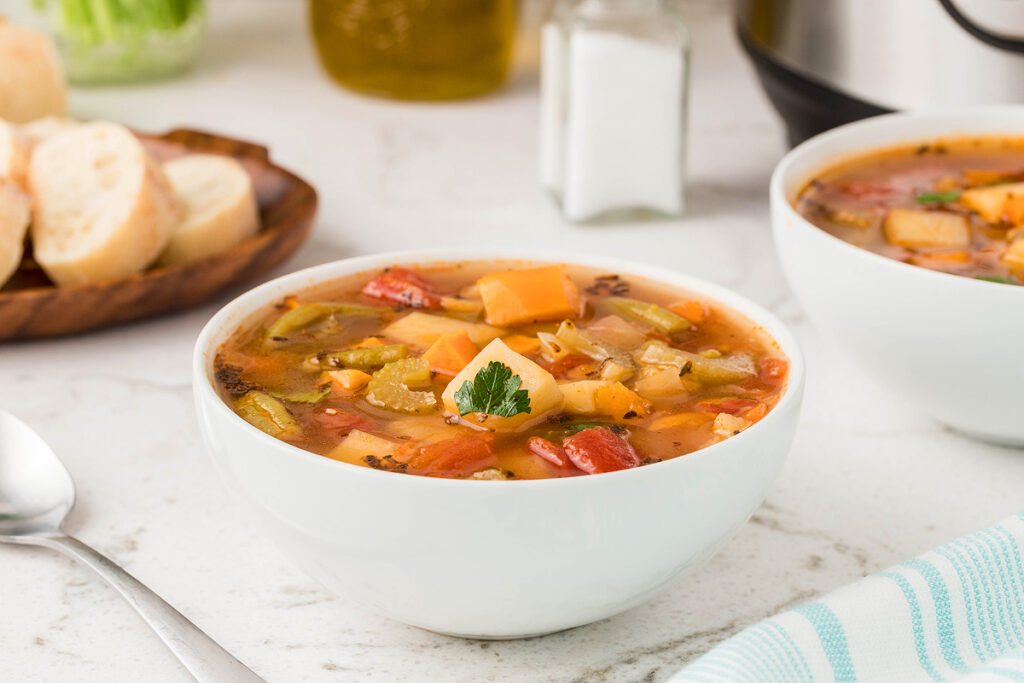
Key Highlights
- Nutrient & Hydration Benefits: Vegetable soup offers essential vitamins, minerals, and hydration support.
- Complementary, Not Curative: It serves as a dietary complement, not a substitute for prescribed malaria medication.
- Consult Healthcare Providers: Personalized advice from a doctor is necessary for tailoring dietary recommendations during malaria treatment.
Understanding the Role of Vegetable Soup
Vegetable soup is renowned for its nutrient-dense profile, characterized by a rich assortment of vitamins, minerals, and antioxidants. These components are essential for maintaining overall health and supporting the immune system, particularly when the body is under stress from infections like malaria. When experiencing fever, dehydration, or gastrointestinal discomfort during malaria treatment, easily digestible foods like vegetable soup can help provide a gentle and nourishing dietary option.
Nutritional Value and Hydration
One of the fundamental benefits of vegetable soup is its ability to deliver both hydration and nutrition. Malaria, along with its treatment process, can sometimes lead to dehydration and nutrient depletion due to fever, sweating, and possible side effects like nausea and vomiting. Vegetable soup supplies clear fluids that help restore lost electrolytes and maintain adequate hydration. Additionally, the vitamins and minerals in the soup aid immune function and tissue repair which are vital in the body's recovery process.
Essential Nutrients
A well-prepared vegetable soup can easily include ingredients such as carrots, bell peppers, tomatoes, broccoli, and leafy greens. These vegetables contribute vitamins A and C, bolstering the immune system and providing antioxidants. Ingredients like garlic and onions not only enhance flavor but are also known for their antimicrobial properties, potentially offering additional, although experimental, support against infections.
Vegetable Soup as a Complementary Approach
It is important to clarify that while vegetable soup is nutritionally beneficial, it does not constitute medical advice. The consumption of vegetable soup serves as a supportive dietary measure rather than a direct treatment for malaria. Scientific studies have explored traditional soup broths that may exhibit inhibitory effects on the malaria parasite, Plasmodium falciparum. However, these observations are mainly derived from preliminary in vitro studies and are not yet established as clinically proven treatments.
Complementary, Not a Substitute
The use of vegetable soup is primarily intended to complement ongoing malaria medication, not replace it. Malaria treatment relies on pharmaceutical drugs, which specifically target the parasite's life cycle. Nutritional support through a balanced diet, including soup, can enhance general well-being and potentially ease some symptoms associated with the disease and its treatment. However, substituting any part of the prescribed medical regimen with dietary changes alone can be dangerous and is not recommended.
Scientific Perspective
Several research studies have indicated that certain ingredients found in traditional vegetable and meat-based soups might have properties that interfere with the growth of malaria parasites. Although these insights are promising, they remain experimental and are not part of standardized treatment protocols. Thus, while it is perfectly acceptable to include vegetable soup in a supportive nutritional plan, the primary focus during malaria treatment should always remain on following the medical advice provided by healthcare professionals.
Dietary Recommendations During Malaria Treatment
When managing malaria, healthcare providers often suggest maintaining a balanced diet that not only supports the immune system but also ensures that the body gets enough energy to fight the infection. Here are some detailed dietary recommendations often advised during malaria treatment:
Foods to Include
In addition to vegetable soup, a diet rich in easily digestible, nutrient-packed foods may improve tolerance and recovery:
- Energy-rich liquids: Fluids such as glucose water, coconut water, and diluted fruit juices can provide quick energy while combating dehydration.
- Proteins: Easily digestible proteins, like those found in pulses (e.g., moong dal or masoor dal), help support tissue repair and muscle maintenance.
- Fruits: Citrus fruits and berries provide vitamins, especially vitamin C, which plays a critical role in immune function.
- Smooth and blended foods: Porridges and broths are gentle on the stomach and can be an excellent source of balanced nutrition.
Foods to Avoid
Certain foods may exacerbate symptoms or interfere with the efficacy of the medication. Here are typical recommendations:
- Spicy and Oily Foods: Foods that are spicy, heavily seasoned, or fried can worsen gastrointestinal discomfort.
- High-Fiber Foods: In some cases, the fiber content in whole grains and raw leafy vegetables may be poorly tolerated during recovery.
- Caffeinated Beverages: Drinks containing caffeine, like coffee and tea, might lead to increased dehydration.
Comparing Nutritional Impact: Vegetable Soup vs. Traditional Diet
Below is a table comparing the nutritional attributes of vegetable soup versus other dietary elements often recommended during malaria management:
| Food Type | Key Nutrients | Primary Benefits | Considerations |
|---|---|---|---|
| Vegetable Soup | Vitamins (A, C, K), Minerals, Antioxidants | Hydration, Immune Support, Easy Digestion | Not a replacement for medication |
| Glucose/Coconut Water | Sugars, Electrolytes | Quick Energy, Hydration | Monitor sugar intake |
| Proteins (Pulses) | Proteins, Iron, Fiber | Tissue Repair, Energy | May require careful preparation |
| Fruits | Vitamins, Minerals, Antioxidants | Boost Immune System, Hydration | Ensure easy digestibility |
Addressing Medical vs. Nutritional Advice
The question of whether it is medically advisable to take vegetable soup while on malaria medication involves two distinct domains: medical treatment and nutritional support. The dietary inclusion of vegetable soup falls squarely within the realm of nutritional support. While it provides numerous health benefits through hydration and essential nutrient intake, it does not serve as a treatment or a substitute for malaria medication.
Why It Is Not Medical Advice
Medical advice is typically provided by healthcare professionals who consider a patient’s clinical status, diagnosis, and medical history. While diet is an important aspect of recovery, the recommendation to consume vegetable soup is not specific or personalized medical advice; rather, it is a general caution to boost one’s nutritional intake during illness. Every patient’s situation is unique, so any dietary decision should be discussed with a physician who understands the full context of the patient’s health.
Guidelines for Patients
Patients undergoing malaria treatment must strictly follow their prescribed medication regimen. Incorporating vegetable soup as a part of a balanced diet may be beneficial, but it should always be done under the guidance of a healthcare provider. This ensures that all aspects of treatment are aligned with the patient’s needs, and that no interactions or counterproductive practices occur.
Integrating Vegetable Soup in a Well-Balanced Diet
When recovering from a condition like malaria, integrating a variety of nutrient sources can optimize your overall health. Vegetable soup, if prepared using fresh ingredients free from excessive salts or additives, becomes that additional nutritional boost. Its contribution to hydration is especially critical in the context of fever-related fluid loss. The gentle nature of the soup makes it particularly suitable for individuals who might experience digestive instability during and after malaria treatment.
The Practical Approach
While enjoying a bowl of vegetable soup can be gratifying and supportive, it is imperative to view it as a component of an overall strategy rather than a standalone remedy. The focus remains on adhering to medical advice, monitoring symptoms, and ensuring that every change in diet is made in consultation with healthcare professionals. The incorporation of vitamin-rich soups should be seen as a complementary practice that sustains the body’s energy and promotes recovery.
Customizing Diets for Recovery
Since every individual’s recovery process is different, healthcare providers may tailor dietary guidelines based on the severity of symptoms, concurrent health issues, and the patient’s nutritional baseline. In this context, simple foods such as vegetable soup, light porridges, and easily digestible fruits are commonly recommended to keep the body nourished without overburdening the digestive system.
Reference Information
The discussion above is based on a synthesis of nutritional information and scientific insights regarding the potential benefits of vegetable soup in supporting overall health during malaria treatment. It is important to reiterate: while vegetable soup can be a valuable source of nutrients and hydration, it should not be confused with medical advice or a treatment protocol for malaria.
References
- Traditional Soups Could Be the Secret Ingredient in Fighting Malaria - Science Focus
- Using Soup to Fight Off Malaria - Medical News Today
- Foods to Eat to Recover from Malaria - Health Shots
- What to Eat and Avoid When Treating Malaria - Pulse Nigeria
- Foods to Eat and Avoid While Treating Malaria - Para Hospitals
Recommended Searches
Last updated March 15, 2025