
Protect Your Ride: The Ultimate Vehicle Handover Checklist for Panel Beater Visits
A comprehensive guide and form to accurately document your car's condition before repairs, ensuring clarity and peace of mind.
Handing over your vehicle for panel beating or any repair work requires careful documentation of its pre-existing condition. This helps prevent misunderstandings or disputes about damages that might occur during the repair process. Using a detailed Vehicle Condition Report (VCR) protects both you and the repair shop by creating a clear, agreed-upon record.
Key Highlights of Using a Vehicle Condition Report
- Clarity and Transparency: Establishes a baseline condition of the vehicle, agreed upon by both parties, minimizing potential disputes about pre-existing vs. new damage.
- Comprehensive Assessment: Guides a systematic check of all crucial areas, ensuring no detail (from minor scratches to interior condition) is overlooked before handover.
- Peace of Mind: Provides documented evidence, including potentially photographic proof, safeguarding your interests while your vehicle is in the panel beater's care.
Understanding the Vehicle Handover Process
The process involves meticulously inspecting the vehicle's exterior, interior, and basic mechanical functions before handing over the keys. Both the vehicle owner (or representative) and the panel beater's representative should ideally conduct this inspection together. Documenting everything on a standardized form, supplemented with photographs, creates a reliable record.
Why is a Detailed Assessment Crucial?
Panel beating often involves significant work on the car's body. A thorough initial assessment ensures that:
- Existing scratches, dents, chips, or rust are noted.
- The condition of paint, glass, lights, and trim is recorded.
- Interior conditions (seats, dashboard, electronics) are documented.
- Any personal belongings are removed or noted.
- The operational status of key components (lights, wipers, AC) is checked.
Visual Documentation: Your Extra Layer of Security
Alongside the written report, taking clear, well-lit photographs or even a short video walk-around of your vehicle before handover is highly recommended. Focus on:
- All sides of the exterior, including close-ups of existing damage.
- Wheels and tires.
- Windshield and windows (showing any chips or cracks).
- The dashboard showing the mileage and any warning lights.
- The general state of the interior upholstery and carpets.
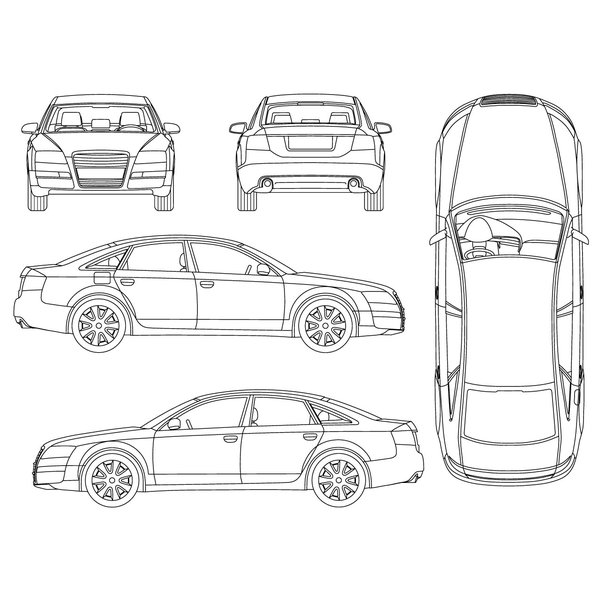
A standard vehicle diagram helps pinpoint and mark specific locations of damage during inspection.
Vehicle Handover and Condition Report Form Template
Below is a comprehensive form template designed to capture all necessary details when handing your vehicle over to a panel beater. You can print this out or adapt it as needed.
Vehicle Condition Report
Section 1: General Information
Date of Handover: ____________________ Time of Handover: ____________________
Owner's Name: _________________________________________ Contact Number: ____________________
Email Address: ____________________________________________________
Vehicle Make: ____________________ Model: ____________________ Year: ________
Registration Number: ____________________ VIN: _________________________________
Color: ____________________ Odometer Reading: ________________ km/miles
Fuel Level: ☐ Empty ☐ 1/4 ☐ 1/2 ☐ 3/4 ☐ Full
Panel Beater/Shop Name: __________________________________________
Shop Representative Name: _____________________________________
Section 2: Exterior Condition Assessment
Use the key below to mark the condition. Note specific damage locations (e.g., "Driver Door", "Front Bumper Right Side") and provide details in the 'Description' column. Use a diagram (like the one above) to mark locations if possible.
Damage Key: OK = No Damage, S = Scratch, D = Dent, C = Chip, Cr = Crack, R = Rust, P = Paint Damage, M = Missing, B = Broken
| Exterior Area | Condition (Code) | Description / Location of Damage | Photo Ref # (Optional) |
|---|---|---|---|
| Front Bumper | |||
| Rear Bumper | |||
| Hood / Bonnet | |||
| Roof | |||
| Trunk / Tailgate | |||
| Front Fender (Driver Side) | |||
| Front Fender (Passenger Side) | |||
| Rear Fender/Quarter Panel (Driver Side) | |||
| Rear Fender/Quarter Panel (Passenger Side) | |||
| Door (Front Driver) | |||
| Door (Rear Driver) | |||
| Door (Front Passenger) | |||
| Door (Rear Passenger) | |||
| Windshield | |||
| Rear Window | |||
| Side Windows (Specify) | |||
| Side Mirrors (Left & Right) | |||
| Headlights (Left & Right) | |||
| Taillights (Left & Right) | |||
| Indicators / Signal Lights | |||
| Wheels / Rims (Specify e.g., FL, FR, RL, RR) | |||
| Tires (Condition/Tread - Specify) |
Section 3: Interior Condition Assessment
Check for cleanliness, damage, and functionality.
| Interior Area / Component | Condition (Good / Fair / Poor / Damaged) | Description of Issues (e.g., stains, tears, wear, not working) | Photo Ref # (Optional) |
|---|---|---|---|
| Dashboard | |||
| Center Console | |||
| Steering Wheel | |||
| Seats - Front Driver | |||
| Seats - Front Passenger | |||
| Seats - Rear | |||
| Seatbelts (All) | Check functionality | ||
| Carpets / Floor Mats | |||
| Door Panels (All) | |||
| Headliner | |||
| Glove Box | |||
| Interior Lights | Check functionality | ||
| Audio / Infotainment System | Check basic function | ||
| Air Conditioning / Heater | Check basic function | ||
| Power Windows (All) | Check function | ||
| Power Door Locks | Check function |
Section 4: Basic Mechanical & Functional Check
Note any readily observable issues. This is not a full mechanical inspection.
- Engine Starts & Runs: ☐ Yes ☐ No (If No, describe: ________________________)
- Warning Lights on Dashboard: ☐ Yes ☐ No (If Yes, list lights: ________________________)
- Brake Pedal Feel: ☐ Normal ☐ Spongy ☐ Low
- Horn Functioning: ☐ Yes ☐ No
- Wipers Functioning: ☐ Yes ☐ No
- Fluid Levels Visible (Oil, Coolant, Brake): ☐ OK ☐ Low ☐ Not Checked
- Obvious Leaks Under Vehicle: ☐ Yes ☐ No
Section 5: Documentation & Items in Vehicle
List any documents provided or significant items left in the vehicle.
- Registration Document Provided: ☐ Yes ☐ No
- Insurance Details Provided: ☐ Yes ☐ No
- Number of Keys Handed Over: ____
- Service Book: ☐ In Vehicle ☐ Not Applicable
- Personal Items Removed: ☐ Yes ☐ No (If No, list significant items left: ______________________________)
- Spare Tire Present: ☐ Yes ☐ No ☐ N/A Jack & Tools Present: ☐ Yes ☐ No ☐ N/A
Section 6: Additional Remarks
Note any other specific conditions, agreements, or instructions.
____________________________________________________________________________________________________
____________________________________________________________________________________________________
____________________________________________________________________________________________________
Section 7: Acknowledgement
We, the undersigned, agree that this report accurately represents the condition of the vehicle described above at the time of handover.
Owner/Representative Signature: ______________________________ Date: _______________
Print Name: ________________________________________
Panel Beater Representative Signature: _________________________ Date: _______________
Print Name: ________________________________________
Visualizing Inspection Priorities
To understand the relative importance and typical focus areas during a pre-repair inspection, the following chart visualizes the attention usually given to different aspects of the vehicle. While all areas are important, exterior bodywork is often the primary focus when dealing with panel beaters, followed closely by checking functional elements and the interior.
Vehicle Inspection Process Overview
This mind map outlines the key steps and components involved in the vehicle condition assessment process before handing it over for repairs. It provides a quick visual summary of the workflow.
Quick Guide to Vehicle Inspection
While the form provides a structured way to document findings, knowing *how* to inspect is also important. This video offers general tips on inspecting a vehicle, which can be useful even when focusing on pre-repair condition checks.
Video guide on performing a quick vehicle inspection.
Key takeaways from such inspections usually involve looking systematically: checking panel gaps for consistency (which might indicate previous repairs), listening for unusual engine noises, testing electronics, and thoroughly examining paint and surfaces under good light.
Frequently Asked Questions (FAQ)
Why is this form necessary?
This form serves as a mutual agreement on the vehicle's condition before repairs begin. It protects both you and the panel beater by preventing disputes over whether damage was pre-existing or occurred while in the shop's care. It ensures transparency and accountability.
Who should fill out the form?
Ideally, both the vehicle owner (or their representative) and a representative from the panel beating shop should inspect the vehicle together and fill out or review the form. Both parties should sign it to acknowledge agreement on the documented condition.
Should I take photos even if I fill out the form?
Yes, absolutely. Photographs (or a video walk-around) provide visual evidence that complements the written report. They are particularly useful for documenting the exact nature and location of scratches, dents, or other specific damages mentioned on the form.
What if the panel beater finds more damage after I leave?
Reputable repair shops will typically contact you if they discover additional, previously unnoticed damage after a more thorough inspection (e.g., once panels are removed). The initial condition report still serves its purpose for the visible condition at handover. Any newly discovered issues should be discussed and documented separately, potentially requiring an updated repair estimate.
Recommended Further Reading
- How do I choose a reputable panel beater for my car repairs?
- What are my rights if my car gets damaged while at the repair shop?
- What are the best practices for taking photos to document car damage?
- How can I understand the details listed on a car repair estimate from a panel beater?
References
- Vehicle Handover Checklist excel - Scribd
- Vehicle Handover Check Form Template - Jotform
- Vehicle Handover Sheet - Checklist Templates - SafetyCulture
- Free Vehicle Condition Report Template | PDF | SafetyCulture
- Vehicle Condition Report Template - Fill Online, Printable, Fillable | pdfFiller
- Commercial Guide To Vehicle Condition Report Writing - 1st Reporting
- What is the Vehicle Condition Report & Bill of Lading? - J&S Transport
Protect Your Ride: The Ultimate Vehicle Handover Checklist for Panel Beater Visits
A comprehensive guide and form to accurately document your car's condition before repairs, ensuring clarity and peace of mind.
Handing over your vehicle for panel beating or any repair work requires careful documentation of its pre-existing condition. This helps prevent misunderstandings or disputes about damages that might occur during the repair process. Using a detailed Vehicle Condition Report (VCR) protects both you and the repair shop by creating a clear, agreed-upon record.
Key Highlights of Using a Vehicle Condition Report
- Clarity and Transparency: Establishes a baseline condition of the vehicle, agreed upon by both parties, minimizing potential disputes about pre-existing vs. new damage.
- Comprehensive Assessment: Guides a systematic check of all crucial areas, ensuring no detail (from minor scratches to interior condition) is overlooked before handover.
- Peace of Mind: Provides documented evidence, including potentially photographic proof, safeguarding your interests while your vehicle is in the panel beater's care.
Understanding the Vehicle Handover Process
The process involves meticulously inspecting the vehicle's exterior, interior, and basic mechanical functions before handing over the keys. Both the vehicle owner (or representative) and the panel beater's representative should ideally conduct this inspection together. Documenting everything on a standardized form, supplemented with photographs, creates a reliable record.
Why is a Detailed Assessment Crucial?
Panel beating often involves significant work on the car's body. A thorough initial assessment ensures that:
- Existing scratches, dents, chips, or rust are noted.
- The condition of paint, glass, lights, and trim is recorded.
- Interior conditions (seats, dashboard, electronics) are documented.
- Any personal belongings are removed or noted.
- The operational status of key components (lights, wipers, AC) is checked.
This mutual understanding prevents disagreements upon vehicle collection regarding the repair work performed versus the vehicle's initial state.
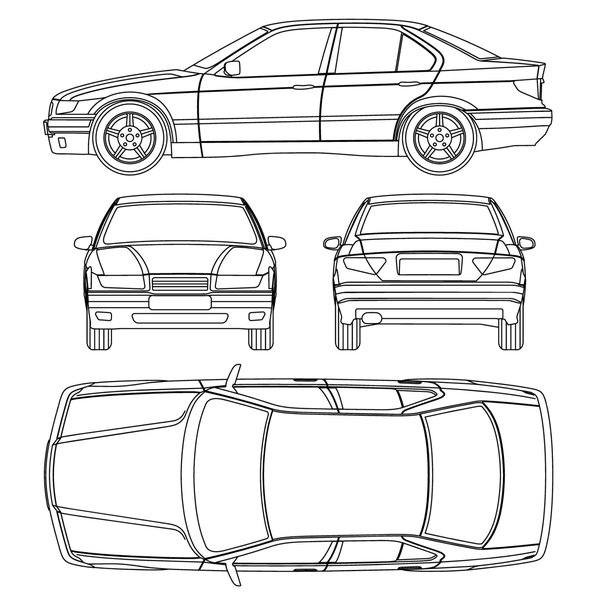
A vehicle condition report helps document the state of the car before repairs.
Visual Documentation: Your Extra Layer of Security
Alongside the written report, taking clear, well-lit photographs or even a short video walk-around of your vehicle before handover is highly recommended. Focus on:
- All sides of the exterior, including close-ups of existing damage.
- Wheels and tires.
- Windshield and windows (showing any chips or cracks).
- The dashboard showing the mileage and any warning lights.
- The general state of the interior upholstery and carpets.
Store these photos securely with your copy of the condition report.
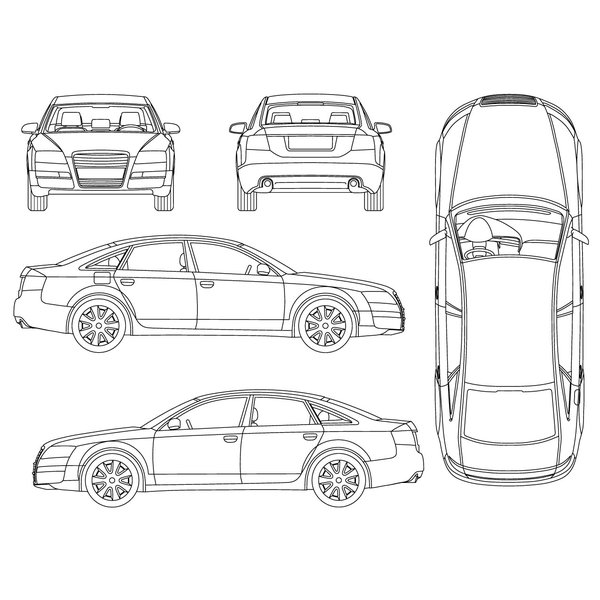
A standard vehicle diagram helps pinpoint and mark specific locations of damage during inspection.
Vehicle Handover and Condition Report Form Template
Below is a comprehensive form template designed to capture all necessary details when handing your vehicle over to a panel beater. You can print this out or adapt it as needed.
Vehicle Condition Report
Section 1: General Information
Date of Handover: ____________________ Time of Handover: ____________________
Owner's Name: _________________________________________ Contact Number: ____________________
Email Address: ____________________________________________________
Vehicle Make: ____________________ Model: ____________________ Year: ________
Registration Number: ____________________ VIN: _________________________________
Color: ____________________ Odometer Reading: ________________ km/miles
Fuel Level: ☐ Empty ☐ 1/4 ☐ 1/2 ☐ 3/4 ☐ Full
Panel Beater/Shop Name: __________________________________________
Shop Representative Name: _____________________________________
Section 2: Exterior Condition Assessment
Use the key below to mark the condition. Note specific damage locations (e.g., "Driver Door", "Front Bumper Right Side") and provide details in the 'Description' column. Use a diagram (like the one above) to mark locations if possible.
Damage Key: OK = No Damage, S = Scratch, D = Dent, C = Chip, Cr = Crack, R = Rust, P = Paint Damage, M = Missing, B = Broken
Indicate the location of any damage on the diagram below and reference it in the table.
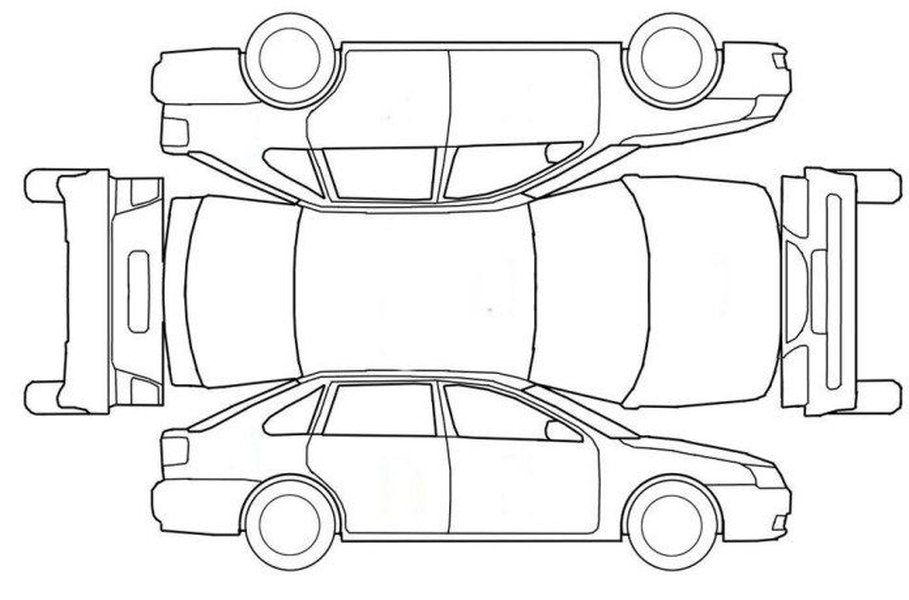
Use this diagram to mark the approximate location of damages noted below.
| Exterior Area | Condition (Use Code) | Description / Location of Damage | Photo Ref # (Optional) |
|---|---|---|---|
| Front Bumper | |||
| Rear Bumper | |||
| Hood / Bonnet | |||
| Roof | |||
| Trunk / Tailgate | |||
| Front Fender (Driver Side) | |||
| Front Fender (Passenger Side) | |||
| Rear Fender/Quarter Panel (Driver Side) | |||
| Rear Fender/Quarter Panel (Passenger Side) | |||
| Door (Front Driver) | |||
| Door (Rear Driver - if applicable) | |||
| Door (Front Passenger) | |||
| Door (Rear Passenger - if applicable) | |||
| Windshield | |||
| Rear Window | |||
| Side Windows (Specify which) | |||
| Side Mirrors (Left & Right) | |||
| Headlights (Left & Right) | |||
| Taillights (Left & Right) | |||
| Indicators / Signal Lights | |||
| Wheels / Rims (Specify FL, FR, RL, RR) | |||
| Tires (Condition/Tread - Specify FL, FR, RL, RR) |
Section 3: Interior Condition Assessment
Check for cleanliness, damage, and functionality.
| Interior Area / Component | Condition (Good / Fair / Poor / Damaged) | Description of Issues (e.g., stains, tears, wear, non-functional) | Photo Ref # (Optional) |
|---|---|---|---|
| Dashboard | |||
| Center Console | |||
| Steering Wheel | |||
| Seats - Front Driver | |||
| Seats - Front Passenger | |||
| Seats - Rear | |||
| Seatbelts (All) | Check functionality & condition | ||
| Carpets / Floor Mats | |||
| Door Panels (All) | |||
| Headliner | |||
| Glove Box | Check contents removed | ||
| Interior Lights | Check functionality | ||
| Audio / Infotainment System | Check basic function | ||
| Air Conditioning / Heater | Check basic function | ||
| Power Windows (All) | Check function | ||
| Power Door Locks | Check function |
Section 4: Basic Mechanical & Functional Check
Note any readily observable issues. This is not a full mechanical inspection.
- Engine Starts & Runs: ☐ Yes ☐ No (If No, describe: ________________________)
- Warning Lights on Dashboard: ☐ Yes ☐ No (If Yes, list lights: ________________________)
- Brake Pedal Feel: ☐ Normal ☐ Spongy ☐ Low ☐ Not Tested
- Horn Functioning: ☐ Yes ☐ No
- Wipers Functioning (Front/Rear): ☐ Yes ☐ No
- Fluid Levels Visible (Oil, Coolant, Brake Fluid, Washer Fluid): ☐ OK ☐ Low ☐ Not Checked
- Obvious Leaks Under Vehicle: ☐ Yes ☐ No (If Yes, describe: ________________________)
Section 5: Documentation & Items in Vehicle
List any documents provided or significant items left in the vehicle.
- Registration Document Provided: ☐ Yes ☐ No
- Insurance Details Provided: ☐ Yes ☐ No
- Number of Keys Handed Over: ____
- Service Book: ☐ In Vehicle ☐ Provided Separately ☐ Not Applicable
- Personal Items Removed: ☐ Yes ☐ No (If No, list significant items remaining: ______________________________)
- Spare Tire Present & Condition: ☐ Yes ☐ No ☐ N/A Jack & Tools Present: ☐ Yes ☐ No ☐ N/A
Section 6: Additional Remarks
Note any other specific conditions, agreements, or instructions discussed with the panel beater.
Section 7: Acknowledgement
We, the undersigned, agree that this report, along with any accompanying photographs/videos (referenced: _________), accurately represents the condition of the vehicle described above at the time of handover.
Owner/Representative Signature: ______________________________ Date: _______________
Print Name: ________________________________________
Panel Beater Representative Signature: _________________________ Date: _______________
Print Name: ________________________________________
Visualizing Inspection Priorities
To understand the relative importance and typical focus areas during a pre-repair inspection, the following chart visualizes the attention usually given to different aspects of the vehicle. While all areas are important, exterior bodywork is often the primary focus when dealing with panel beaters, followed closely by checking functional elements and the interior.
Vehicle Inspection Process Overview
This mind map outlines the key steps and components involved in the vehicle condition assessment process before handing it over for repairs. It provides a quick visual summary of the workflow.
Quick Guide to Vehicle Inspection
While the form provides a structured way to document findings, knowing *how* to inspect is also important. This video offers general tips on inspecting a vehicle, which can be useful even when focusing on pre-repair condition checks.
Video guide on performing a quick vehicle inspection.
Key takeaways from such inspections usually involve looking systematically: checking panel gaps for consistency (which might indicate previous repairs), listening for unusual engine noises, testing electronics, and thoroughly examining paint and surfaces under good light.
Frequently Asked Questions (FAQ)
Why is this form necessary?
This form serves as a mutual agreement on the vehicle's condition before repairs begin. It protects both you and the panel beater by preventing disputes over whether damage was pre-existing or occurred while in the shop's care. It ensures transparency and accountability.
Who should fill out the form?
Ideally, both the vehicle owner (or their representative) and a representative from the panel beating shop should inspect the vehicle together and fill out or review the form. Both parties should sign it to acknowledge agreement on the documented condition.
Should I take photos even if I fill out the form?
Yes, absolutely. Photographs (or a video walk-around) provide visual evidence that complements the written report. They are particularly useful for documenting the exact nature and location of scratches, dents, or other specific damages mentioned on the form.
What if the panel beater finds more damage after I leave?
Reputable repair shops will typically contact you if they discover additional, previously unnoticed damage after a more thorough inspection (e.g., once panels are removed or during disassembly). The initial condition report still serves its purpose for the visible condition at handover. Any newly discovered issues should be discussed, documented (perhaps as an addendum), and approved by you before additional work commences.
Should I remove all personal items from the car?
Yes, it is highly recommended to remove all personal belongings from your vehicle, including from the glove box and trunk, before handing it over. This prevents loss or damage to your items and allows the repairers unrestricted access. Note on the form that personal items have been removed.
Recommended Searches
- What factors should I consider when choosing a panel beater?
- What are my consumer rights if issues arise during or after car repairs?
- Learn the best techniques for photographing car damage for official records.
- Explore the specific processes involved in panel beating versus other types of auto body work.
References
 nd-mediagallery2-public-production.s3.amazonaws.com
Last updated May 5, 2025