
Policy Interventions for Improving Vendor Sustainability
Effective strategies and actionable steps to enhance sustainable supply chains
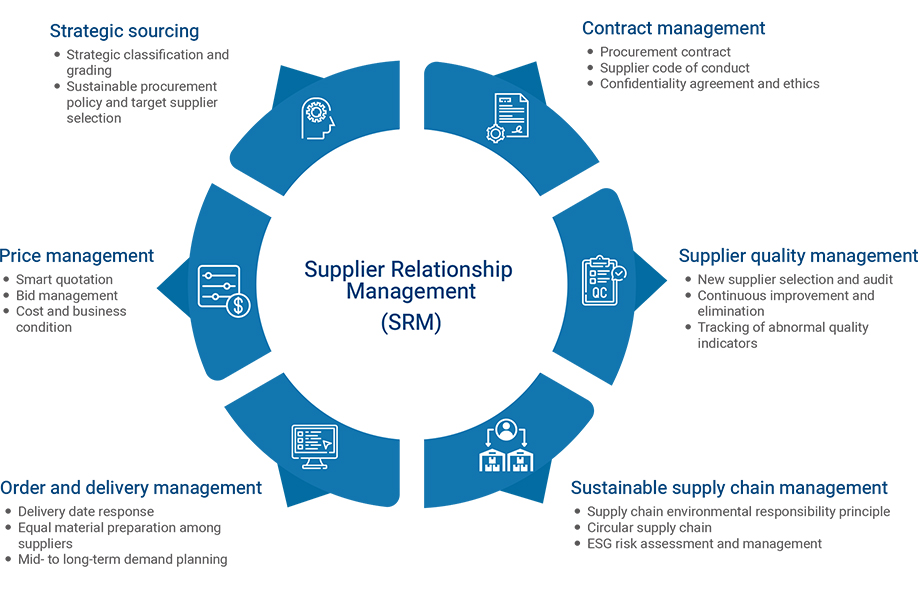
Key Highlights
- Clear Sustainability Criteria: Establishing and communicating specific standards aligned with ESG principles.
- Regular Evaluations and Engagement: Continuous monitoring, audits, and collaborative improvement plans with vendors.
- Incentivization and Training: Offering rewards, capacity building, and support to promote sustainable practices.
Introduction
Organizations looking to enhance vendor sustainability are increasingly turning to policy interventions as a strategic framework to align procurement practices with broader environmental, social, and governance (ESG) goals. Given the growing importance of sustainable supply chains, companies are deploying policies, assessment tools, and collaborative initiatives to assess and improve vendor practices. This introduction provides an overview of how targeted policy interventions can transform vendor relationships and the overall sustainability of a supply chain.
Establishing Sustainability Standards
Defining and Communicating Expectations
The foundation of any successful policy intervention is the clear definition of sustainability standards. Organizations must articulate specific sustainability requirements that align with internationally recognized frameworks such as the United Nations Sustainable Development Goals (SDGs) or the Global Reporting Initiative (GRI). These standards provide a basis for evaluating vendor performance, ensuring that suppliers understand the benchmarks they are expected to meet.
Key Components of Clear Sustainability Criteria
- Environmental Metrics: Criteria around energy efficiency, water usage, waste management, and carbon footprint.
- Social Factors: Policies related to labor rights, working conditions, diversity, and community engagement.
- Governance Standards: Measures for ethics, transparency, and regulatory compliance.
Articulating these components not only sets clear expectations but also helps vendors internalize and integrate sustainable practices into their operations. By incorporating these elements into the procurement process, companies can effectively filter out vendors that do not align with their sustainability vision.
Vendor Evaluation and Monitoring
Methodologies for Assessing Vendor Sustainability
A robust evaluation system is critical for ensuring that vendors adhere to the established sustainability criteria. Using sustainability scorecards, regular audits, and performance tracking systems enables organizations to monitor vendor progress over time. These evaluation tools are designed to measure key performance indicators (KPIs) related to ESG metrics, providing a quantitative and qualitative assessment of vendor sustainability.
Evaluation Tools and Techniques
- Sustainability Scorecards: Customized scorecards can help compare vendors on various criteria, such as carbon output, waste reduction, and adherence to labor standards.
- Audits and Surveys: Conducting regular audits or annual sustainability surveys ensures that vendors continuously meet the required standards.
- Performance Tracking Software: Leveraging digital tools to automatically assess vendor data and provide real-time insights on sustainability performance.
Table: Vendor Evaluation Framework
| Sustainability Metric | Description | Evaluation Method |
|---|---|---|
| Carbon Footprint | Measures the total greenhouse gas emissions produced by vendor operations. | Sustainability scorecards and third-party audits |
| Waste Management | Assesses practices in waste reduction, recycling, and disposal techniques. | On-site inspections and audits |
| Labor Practices | Evaluates adherence to labor laws, safety standards, and ethical policies. | Employee surveys and compliance reviews |
| Regulatory Compliance | Ensures vendors meet local and international sustainability regulations. | Regular compliance audits |
This evaluation framework allows companies to systematically measure vendor performance and identify areas requiring improvement or further engagement.
Policy Frameworks and Implementation Strategies
Sustainable Procurement Policies
Developing a sustainable procurement policy is essential for integrating sustainability into vendor management. These policies serve as a roadmap for aligning purchasing decisions with sustainability objectives. They provide structured guidelines for selecting vendors, establishing long-term contracts, and setting benchmarks for improvement.
Core Elements of a Sustainable Procurement Policy
- Defined Sustainability Goals: Establish explicit ESG objectives that vendors need to meet.
- Comprehensive Evaluation Processes: Include detailed criteria for vendor assessment and regular performance reviews.
- Capacity Building Initiatives: Offer training and resources to help vendors enhance their sustainability practices.
- Incentive Programs: Implement reward systems, such as preferential contracts or financial incentives, to motivate vendors to achieve sustainability milestones.
Financial incentives can also play a critical role. For instance, vendors that abide by best practices in sustainability may be offered increased order volumes or long-term contracts, solidifying their commitment to ongoing improvement.
Collaborative Engagement and Continuous Improvement
Working Together for Sustainable Solutions
One of the most important aspects of improving vendor sustainability is ensuring that there is ongoing, transparent communication between the buyer and the supplier. A collaborative approach encourages vendors to share their challenges and work together to find workable solutions. This cooperation may include joint sustainability initiatives, workshops, or customized improvement plans.
Collaborative Strategies for Enhancing Vendor Sustainability
- Regular Dialogues and Workshops: Organize periodic meetings or forums where vendors can discuss sustainability challenges and share success stories.
- Actionable Improvement Plans: Develop tailored plans that provide vendors with specific steps and resources to improve areas where performance is lacking.
- Capacity-Building Programs: Invest in training and development sessions that help vendors understand emerging sustainability trends and compliance methods.
- Feedback Mechanisms: Implement structured feedback loops, such as surveys and performance reviews, to continuously gather insights and refine engagement strategies.
Cross-Departmental Involvement
Improving vendor sustainability requires collaboration beyond the procurement department. It is vital for companies to involve key departments such as Sustainability, IT, and Compliance to ensure that sustainability goals permeate every level of the organization. By adopting a cross-functional approach, organizations can ensure cohesive strategy development and consistent application of best practices across the board.
Benefits of Cross-Departmental Collaboration
- Unified sustainability goals across the organization.
- Leveraging diverse expertise to address complex challenges.
- Increased transparency and accountability in vendor management.
- Holistic integration of sustainability practices into overall business strategy.
Incentives and Accountability
Motivating Vendors Through Rewards and Regulations
Policy interventions must not only set standards and monitor performance but also actively motivate vendors to progress towards enhanced sustainability practices. This involves establishing both incentives and accountability measures. Organizations can offer financial incentives, preferential contracts, or even public recognition for vendors that perform well against sustainability targets. These incentives encourage proactive efforts and foster a competitive yet collaborative environment among suppliers.
Types of Incentives for Vendors
- Financial Incentives: Discounted rates, performance bonuses, or preferential payment terms as rewards for consistent sustainability improvements.
- Contractual Benefits: Long-term contracts or increased order volumes provided in exchange for meeting rigorous sustainability criteria.
- Public Recognition: Awards and certifications that elevate a vendor's reputation in the marketplace.
- Capacity Building: Grants, resources, or training sessions that assist vendors in implementing sustainable practices effectively.
On the accountability side, organizations need to develop clear consequences for vendors who fail to meet agreed-upon standards. This might involve periodic performance reviews with subsequent corrective action plans, or even the re-evaluation of the vendor’s continued participation in key projects.
Addressing Regulatory Compliance and Legislative Changes
Integrating Legal Frameworks into Vendor Policies
In an era of heightened regulatory scrutiny, ensuring that vendor management practices align with current and emerging legislation is vital for mitigating business risks. Legislative measures on carbon disclosure, environmental impact reporting, and overall sustainable practices are continuously being updated. Companies need to design their policies in a way that incorporates these evolving legal requirements.
Incorporating Regulatory Compliance
- Monitoring Legislative Changes: Keep abreast of new regulations and standards affecting supply chains both locally and globally.
- Compliance Audits: Regularly audit vendors to ensure adherence to legal requirements.
- Documentation and Reporting: Establish clear documentation protocols that align vendor performance with legal mandates.
- Risk Management: Develop contingency plans to address potential non-compliance issues in the supply chain.
By embedding compliance into the core vendor sustainability policy, organizations demonstrate a proactive stance in risk management while simultaneously promoting a higher level of transparency across the supply chain ecosystem.
Success Stories and Best Practices
Real-World Application and Case Studies
Leading companies around the world have successfully implemented policy interventions to improve vendor sustainability. For example, multinational organizations have enhanced vendor performance by integrating sustainability scorecards, incentivizing best practices, and establishing long-term contracts based on ESG performance. These success stories illustrate how a comprehensive strategy can lead not only to cost savings and operational efficiencies but also to significant positive impacts on communities and the environment.
Examples of Best Practices
- Companies adopting holistic vendor management practices report improved transparency and accountability throughout their supply chains.
- Initiatives like collaborative improvement programs allow vendors to access shared resources and gain insights from industry leaders.
- Success in vendor sustainability is often tied to measurable improvements in key performance indicators that reflect both environmental stewardship and social responsibility.
Monitoring and Continuous Improvement
Ongoing Assessment and Adaptation
The dynamic nature of sustainability challenges means that policy interventions must be continuously evaluated and updated. Regular assessments, feedback from vendors, and cross-departmental reviews play a critical role in identifying new areas for improvement. As organizations evolve, so too should the strategies implemented to ensure ongoing vendor engagement and performance excellence.
Feedback Loops and Iterative Improvements
- Performance Reviews: Regularly scheduled evaluations to assess compliance with sustainability benchmarks offer opportunities for feedback and course correction.
- Stakeholder Feedback: Input from vendors and internal teams helps identify bottlenecks and areas needing support or revision.
- Technology Integration: Employ updated digital tools and analytics platforms that provide real-time sustainability data, enabling quicker responses to emerging challenges.
By embedding a cycle of ongoing evaluation and improvement, companies can ensure that their vendor sustainability initiatives remain relevant, effective, and continuously aligned with both regulatory trends and industry best practices.
References
- How to Engage Suppliers and Vendors on Sustainability - Brightest
- How to Add Sustainability to Vendor Management: 5 Steps - LinkedIn
- Sustainable Procurement 101 | Guide & Playbook - Sievo
- Tips to Engage Vendors and Suppliers About Sustainability - Sustain.life
- Sustainable Procurement Policy - Procurement Tactics
Recommended Queries
Last updated March 7, 2025