
Unlocking Relief: Effective Strategies and Supportive Supplements for Venous Insufficiency
Discover how lifestyle changes, medical treatments, and natural aids can help manage the discomfort of venous insufficiency.
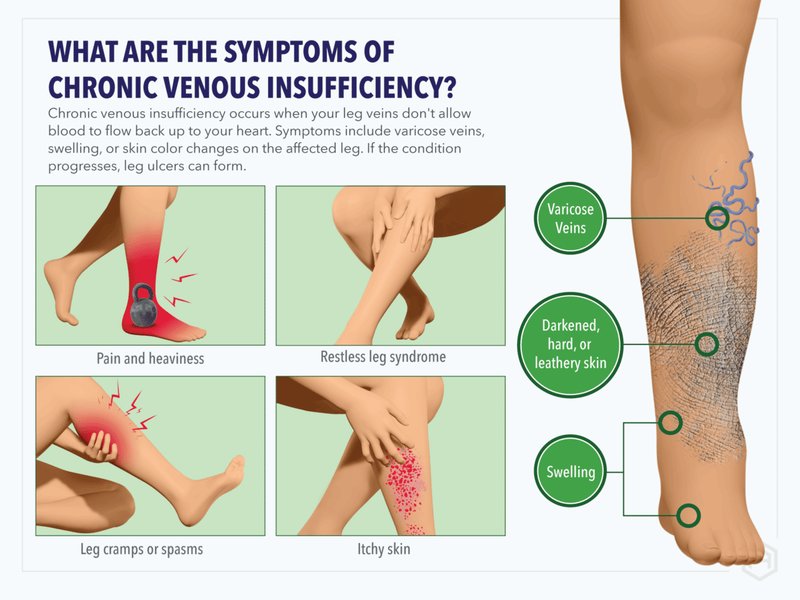
Venous insufficiency, often known as chronic venous insufficiency (CVI), is a condition where the veins in your legs struggle to efficiently send blood back towards your heart. This occurs when the tiny valves within the veins, which normally prevent blood from flowing backward, become damaged or weakened. As a result, blood can pool in the leg veins, leading to a variety of symptoms such as swelling, aching, heaviness, varicose veins, skin discoloration, and, in advanced cases, venous ulcers. Fortunately, a multifaceted approach involving lifestyle adjustments, medical interventions, and supportive supplements can significantly alleviate symptoms and improve quality of life.
Key Insights at a Glance
- Lifestyle modifications and compression therapy are foundational in managing venous insufficiency, focusing on improving blood flow and reducing pressure in the leg veins.
- Various supplements, such as Horse Chestnut Seed Extract and Flavonoids, may offer symptomatic relief by supporting vein health and reducing inflammation, but they do not cure the underlying condition.
- For more persistent or severe cases, medical and minimally invasive procedures are available to treat damaged veins and improve circulation effectively.
Foundational Strategies: Lifestyle and Compression
The initial approach to managing venous insufficiency typically involves conservative measures aimed at improving circulation and reducing symptoms. These strategies are often highly effective, especially when implemented consistently.

Visual representation of chronic venous insufficiency, highlighting the impact on leg veins.
Embracing Beneficial Lifestyle Adjustments
Regular Physical Activity
Engaging in low-impact exercises like walking, swimming, or cycling can significantly improve calf muscle pump function, which aids in pushing blood upward from the legs. Regular movement helps prevent blood from pooling and can alleviate symptoms like pain and swelling.
Strategic Leg Elevation
Elevating your legs above the level of your heart several times a day, for instance, for 15-30 minutes at a time, uses gravity to help drain blood from your leg veins. This simple practice can reduce swelling and discomfort.
Weight Management
Maintaining a healthy weight is crucial, as excess weight puts additional pressure on your leg veins, potentially worsening venous insufficiency. A balanced diet and regular exercise contribute to effective weight management.
Avoiding Prolonged Immobility and Constriction
Long periods of standing or sitting can exacerbate symptoms. If your job or lifestyle involves prolonged immobility, take frequent breaks to walk around or flex your calf muscles. Additionally, avoid tight clothing around your waist, groin, or legs, and opt for comfortable, low-heeled shoes over high heels, as these can restrict blood flow.
Diligent Skin Care
Keeping the skin on your legs moisturized can help prevent dryness and cracking, which can be precursors to skin breakdown and ulcers, especially in advanced CVI.
Compression Therapy: The Cornerstone of Management
Graduated compression stockings are a mainstay in the treatment of venous insufficiency. These specially designed garments are tightest at the ankle and gradually become looser towards the knee or thigh. This graduated pressure helps to:
- Support the vein walls.
- Improve the function of the venous valves.
- Encourage blood flow back towards the heart.
- Reduce swelling and alleviate symptoms.
- Aid in the healing of venous skin ulcers.
A healthcare provider can recommend the appropriate strength and type of compression stocking based on the severity of your condition.
Compression therapy, often using pneumatic compression devices or stockings, helps manage venous insufficiency.
Exploring Supplements for Symptomatic Support
While supplements cannot cure venous insufficiency, several natural compounds have been studied for their potential to alleviate symptoms like swelling, pain, and leg heaviness, often by improving vein tone, reducing inflammation, or strengthening blood vessel walls. It's crucial to consult with a healthcare professional before starting any new supplement, as they can interact with medications and may not be suitable for everyone.
Notable Supplements for Vein Health
Horse Chestnut Seed Extract (HCSE)
Containing the active compound aescin, HCSE is one of the most well-researched supplements for CVI. Aescin is believed to strengthen vein walls, improve blood flow, and reduce inflammation and swelling. Standardized extracts are typically used, with daily doses often providing 100-150 mg of aescin.
Flavonoids (e.g., Diosmin, Hesperidin, Quercetin)
Flavonoids are plant-derived compounds with antioxidant and anti-inflammatory properties. Diosmin, often combined with hesperidin, is widely used to improve venous tone and reduce symptoms of CVI. Quercetin is another flavonoid known for its vascular protective effects. These can be found in citrus fruits, buckwheat, and various other plants, or taken as supplements.
Butcher's Broom (Ruscus aculeatus)
The active compounds in Butcher's Broom, ruscogenins, are thought to improve vein tone by constricting blood vessels and reducing permeability, thereby lessening swelling and improving circulation. Doses are often standardized to ruscogenin content.
Bilberry Extract (Vaccinium myrtillus)
Rich in anthocyanins, bilberry extract is known for its antioxidant properties and its ability to support vascular strength and microcirculation. It's sometimes used to alleviate symptoms associated with CVI.
Magnesium
This essential mineral plays a role in muscle and nerve function, including the smooth muscle tone of blood vessels. Adequate magnesium levels may help regulate vascular muscle tone and could potentially relieve some CVI symptoms by supporting heart health and reducing venous pressure.
Vitamin E
As an antioxidant, Vitamin E may help protect blood vessels from damage and has been suggested to relieve swelling and pain associated with vein problems.
Gotu Kola (Centella asiatica)
Sometimes used in traditional medicine for circulation issues, Gotu Kola may help improve venous tone and reduce edema (swelling) in individuals with CVI.
The radar chart below offers a visual comparison of the perceived supportive roles of these supplements in managing aspects of venous insufficiency, based on common understandings and emphasis in available literature. These are not definitive efficacy ratings but rather illustrative of their generally attributed strengths.
Medical and Procedural Interventions
When conservative treatments and supplements are insufficient to manage venous insufficiency, or if the condition is more advanced, various medical and surgical procedures may be recommended by a vein specialist. These interventions aim to close off or remove damaged veins, redirecting blood flow to healthier vessels.
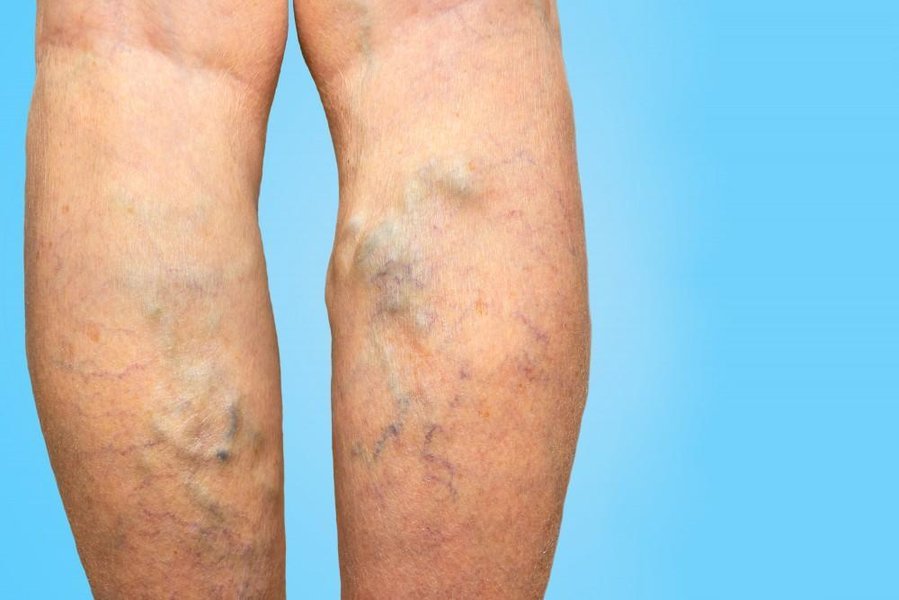
Varicose veins are a common sign of venous insufficiency, often prompting individuals to seek treatment.
Minimally Invasive Procedures
These techniques are generally preferred due to shorter recovery times and less discomfort compared to traditional surgery.
Sclerotherapy
This procedure involves injecting a chemical solution directly into the affected veins. The solution irritates the lining of the vein, causing it to collapse, scar, and eventually fade. Blood is then rerouted through healthier veins. Sclerotherapy is often used for smaller varicose veins and spider veins.
Endovenous Thermal Ablation (Laser or Radiofrequency)
Both Endovenous Laser Ablation (EVLA) and Radiofrequency Ablation (RFA) use heat to close off larger varicose veins, typically the great or small saphenous veins. A thin catheter is inserted into the vein, and laser energy (EVLA) or radiofrequency energy (RFA) is delivered to heat and seal the vein shut. These are outpatient procedures performed under local anesthesia.
Ambulatory Phlebectomy
This procedure involves removing larger surface varicose veins through tiny skin incisions. It is often performed in conjunction with ablation techniques and also uses local anesthesia.
Surgical Options
Surgery is typically reserved for more severe cases or when minimally invasive options are not suitable.
Vein Ligation and Stripping
This traditional surgical approach involves tying off (ligating) a problematic vein and then removing (stripping) it. It is less common now due to the availability of effective minimally invasive techniques.
Vein Bypass or Valve Repair
In rare, very severe cases of deep vein insufficiency, procedures like transplanting a healthy vein from another part of the body (bypass) or repairing a faulty vein valve might be considered. These are complex surgeries.
Emerging and Investigational Treatments
Research continues to advance treatments for CVI. For instance, devices like the VenoValve, a bioprosthetic valve, are being investigated for patients with advanced deep venous insufficiency who haven't responded to other treatments. Clinical trials, such as the SAVVE trial for deep valvular disease, explore new avenues for managing this complex condition.
The mindmap below illustrates the hierarchical approach to managing venous insufficiency, from foundational lifestyle changes to more advanced interventions.
(Symptomatic Relief)"] id3a["Horse Chestnut Seed Extract"] id3b["Flavonoids (Diosmin, Quercetin)"] id3c["Butcher's Broom"] id3d["Bilberry Extract"] id3e["Magnesium"] id3f["Vitamin E"] id4["Medical & Procedural Interventions"] id4a["Minimally Invasive Procedures"] id4a1["Sclerotherapy"] id4a2["Endovenous Thermal Ablation
(Laser or Radiofrequency)"] id4a3["Ambulatory Phlebectomy"] id4b["Surgical Options (Severe Cases)"] id4b1["Vein Ligation & Stripping"] id4b2["Vein Bypass / Valve Repair"] id4c["Emerging Treatments (Investigational)"] id4c1["VenoValve"] id4c2["SAVVE Clinical Trial"]
Conservative Treatment Insights Video
Understanding the initial steps in managing venous insufficiency can be very helpful. The following video features Vascular Specialist Jennifer Clark discussing conservative treatment options, which often form the first line of defense against the symptoms of this condition. These approaches focus on lifestyle changes and non-invasive methods to improve circulation and alleviate discomfort.
This video provides practical tips that align with the foundational strategies discussed earlier, such as leg elevation, exercise, and the importance of compression. These conservative measures are crucial for managing symptoms and can significantly improve the quality of life for individuals with venous insufficiency.
Summary of Venous Insufficiency Management Options
Managing venous insufficiency involves a tailored approach, often starting with conservative measures and progressing to more invasive treatments if necessary. The table below summarizes the primary categories of intervention, providing a quick overview of what can be done for this condition.
| Treatment Category | Specific Examples/Methods | Key Benefits/Notes |
|---|---|---|
| Lifestyle Modifications | Leg elevation, regular exercise (walking, swimming), weight management, avoiding prolonged standing/sitting, proper skin care. | Fundamental for all stages; improves circulation, reduces pressure on veins, and alleviates symptoms. Low risk. |
| Compression Therapy | Graduated compression stockings, compression bandages, Unna boots (for ulcers), pneumatic compression devices. | Cornerstone of treatment; improves venous return, reduces swelling and pain, helps heal ulcers. Different compression levels available. |
| Supplements (Symptomatic Relief) | Horse Chestnut Seed Extract (aescin), Flavonoids (diosmin, hesperidin, quercetin), Butcher's Broom, Bilberry, Magnesium, Vitamin E. | May help reduce symptoms like swelling, pain, and leg heaviness by supporting vein health and reducing inflammation. Should not replace medical advice or primary treatments. |
| Minimally Invasive Procedures | Sclerotherapy, endovenous laser ablation (EVLA), radiofrequency ablation (RFA), ambulatory phlebectomy, VenaSeal. | Close off or remove damaged veins, redirecting blood to healthy ones. Outpatient procedures with faster recovery than surgery. |
| Surgical Options | Vein ligation and stripping, vein bypass, valve repair/reconstruction. | Reserved for severe cases where other treatments are insufficient or unsuitable. More invasive with longer recovery. |
| Pharmacologic Treatments | Diuretics (short-term for swelling), topical steroids (for skin inflammation), pain relievers. | Primarily for symptom management; no oral medication is definitively proven to cure venous disease itself, but some can help manage symptoms. |
It is essential to consult with a healthcare professional or a vein specialist to determine the most appropriate treatment plan based on the individual's specific condition, severity of symptoms, and overall health.
Frequently Asked Questions (FAQ)
Can supplements cure venous insufficiency?
No, supplements are not a cure for venous insufficiency. They are primarily used to help manage symptoms such as swelling, pain, and leg heaviness by supporting vein health and reducing inflammation. Supplements should be considered as complementary to primary treatments like lifestyle changes and compression therapy, and always used under the guidance of a healthcare professional. They do not address the underlying cause of faulty vein valves.
What is the most important first step in managing venous insufficiency?
The most important first steps usually involve conservative treatments. These include consistent use of graduated compression stockings, regular leg elevation, and lifestyle modifications such as increasing physical activity (especially walking), managing weight, and avoiding prolonged periods of sitting or standing. These measures aim to improve blood flow and reduce pressure in the leg veins.
Are there any medications to treat venous insufficiency directly?
Currently, no oral medication has been definitively proven to cure or reverse venous insufficiency itself by repairing the damaged vein valves. Some medications, like diuretics, may be prescribed for short-term relief of swelling, and topical steroids can help with skin inflammation. However, these address symptoms rather than the root cause. Research into pharmacologic treatments is ongoing.
When should I consider medical procedures for venous insufficiency?
Medical procedures like sclerotherapy or endovenous ablation may be considered if conservative treatments (lifestyle changes, compression stockings) do not provide sufficient relief, if symptoms are severe, or if complications such as recurrent varicose veins, significant skin changes, or venous ulcers develop. A vein specialist can evaluate your condition and discuss whether a procedure is appropriate for you.
Recommended Further Exploration
To deepen your understanding of venous insufficiency and its management, consider exploring these related topics:
- What are the different stages of chronic venous insufficiency and how do they affect treatment choices?
- How effective is compression therapy for venous leg ulcers compared to other treatments?
- Are there specific exercises that are most beneficial for improving circulation in venous insufficiency?
- What are the long-term outcomes of minimally invasive procedures for varicose veins and venous insufficiency?
References
 amazon.com
Last updated May 7, 2025