
Exploring the Additives in Vermouths
An in‐depth look at the ingredients that craft complex flavor profiles in vermouth
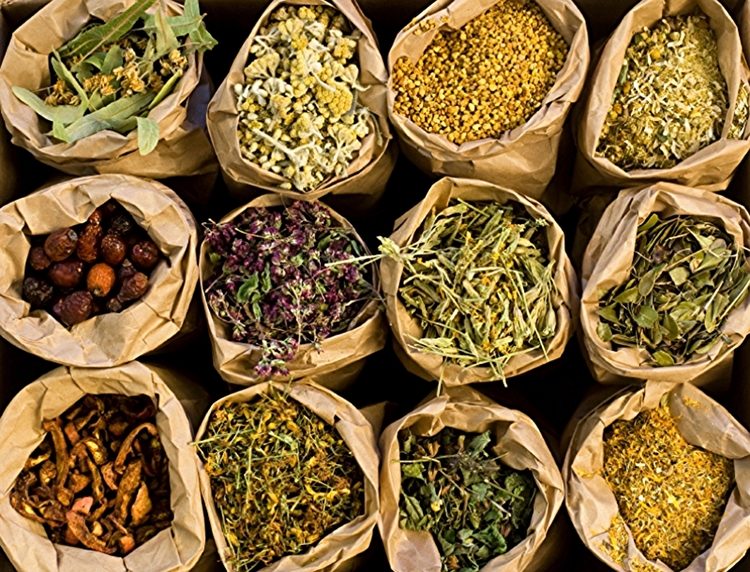
Key Highlights
- Botanical Complexity: Vermouths are infused with a diverse array of herbs, spices, roots, and flowers, each contributing unique aromas and flavors.
- Additive Categories: Sweeteners, natural colorants, flavoring agents, and stabilizers all play essential roles in vermouth production.
- Style and Regulation: Variations in additives create different vermouth styles, and certain additives, such as wormwood, are mandated by regulatory bodies in some regions.
Introduction
Vermouth is a fortified and aromatized wine that owes its distinctive taste and complexity to a carefully curated blend of additives. These additives include botanicals, sweeteners, stabilizers, and natural colorants. This extensive exploration will delve into the varieties of additives used in vermouth production, the roles they play, their impact on flavor profiles, and the distinctions between various vermouth styles. We will also look at the legal regulations that influence these ingredients, particularly in regions where traditional formulas are safeguarded.
The Role of Botanical Additives
At the core of vermouth’s flavor are the botanical additives. These ingredients include herbs, spices, roots, barks, fruits, and flowers. Together, they work in harmony to produce a complex matrix of flavors, ranging from bitter to sweet, and from floral to citrusy.
Herbs and Spices
Herbs and spices are the cornerstone of the flavor profile in vermouth. They provide the aromatic foundation and contribute to the overall character and complexity of the beverage:
Key Herbal Ingredients
Some of the most impactful herbal additives include thyme, mint, rosemary, oregano, sage, lemon balm, and marjoram. Each herb adds a unique note—whether a hint of earthiness, freshness, or a subtle medicinal quality—resulting in a layered and nuanced palate.
Spice Contributions
Spices such as cinnamon, cloves, star anise, cardamom, and juniper berries are frequently used. Juniper berries, for example, bring a piney, almost gin-like quality to the mix, while cinnamon and cloves can impart warmth and depth, which are particularly valuable in sweet vermouths.
Roots, Barks, and Other Plant Parts
Besides the above, certain roots and barks are integral to vermouth’s signature bitterness and complexity:
Essential Roots and Barks
For example, angelica root offers a sweet, earthy flavor that can mellow the overall bitterness, while cinchona bark introduces a sharp bitterness that is often associated with its quinine content. Gentian root is another prominent bittering agent, offering an intense bitter note that balances sweeter components.
Licorice root, sometimes used in vermouth, can bring subtle sweetness and richness, further enhancing the interplay between bitter and sweet notes.
Fruits and Citrus Elements
The inclusion of fruits, especially citrus fruits, plays a crucial role in balancing the intricate web of flavors:
Citrus Peels and Their Impact
Orange peel and lemon peel are common additives that provide a refreshing citrus note along with a slight bitterness. The zest’s essential oils contribute to a burst of aroma that can lift the overall flavor profile of the vermouth. In some recipes, bergamot might also be used to introduce a subtler citrus complexity.
Sweeteners and Colorants
In addition to botanicals, vermouths rely on various additives that sweeten and color the drink. Sweeteners and colorants are essential to tailor vermouth to specific styles such as sweet, dry, bianco, or rose.
Sweetening Agents
Sweeteners used in vermouth are primarily natural ingredients that balance the inherent bitterness of certain botanicals. The most common sweeteners include:
Burnt Sugar and Sucrose
Burnt sugar, produced by heating sucrose to create caramelized flavors without extra additives or acids, is often used. Sucrose itself and grape must are also popular. The choice of sweetener can influence not just the sweetness level, but also the overall flavor nuances, lending depth and complexity—particularly in sweet vermouths.
Coloring Agents
Beyond sweetening, certain additives are used to achieve the desired visual appeal of the product:
Caramel and Natural Colorants
Caramel is widely used, especially in red vermouths, to provide a warm, inviting color. Along with natural colorants, sugar may also be utilized explicitly for color purposes, ensuring that the vermouth retains a consistent hue that matches consumer expectations.
Stabilizers and Preservatives
To maintain the quality and longevity of vermouth, stabilizers and preservatives are incorporated into the production process. These additives ensure that the intricate balance of flavors remains intact over time.
Sulfur Dioxide
One of the most common stabilizers is sulfur dioxide (SO₂). Its role in vermouth is twofold: as a preservative to extend shelf life and as an antioxidant to prevent the oxidation of the botanicals and base wine. The controlled use of sulfur dioxide helps maintain the freshness and vibrancy of both the flavor and color.
Legally Mandated Additives and Tradition
Certain additives in vermouth production are influenced by tradition and legal requirements. This adherence to traditional ingredients not only honors the history of vermouth but also ensures consistency in flavor and product identity.
The Importance of Wormwood
Wormwood (Artemisia absinthium) is a critical ingredient in traditional vermouth formulations. Its inclusion is often not just a matter of tradition but a legal requirement in specific regions, particularly within the European Union. Wormwood imparts a characteristic bitter flavor that is so intrinsic to the definition of vermouth that its presence is mandatory for products to be labeled as such.
This regulatory measure ensures that there is a baseline of flavor characteristics associated with vermouth, preserving its identity across different producers and vintages. The variable quantities of wormwood and its interaction with other botanicals ensure each brand maintains its unique trademark flavor while adhering to an overall expected profile.
Differences in Vermouth Styles
Vermouth is not a monolithic product but comes in several distinct styles, each defined by its specific combination of additives and flavoring methods. Understanding these distinctions is crucial for appreciating the diversity within this category.
Dry Vermouth
Dry vermouth typically features a predominant herbal and floral profile, with an emphasis on bitter and citrus notes. The blend is more austere, relying heavily on ingredients such as wormwood and orange peel, which yield a crisp and refreshing taste. The absence or minimal use of sweeteners keeps the profile lean and focused on the natural extraction of botanical essences.
Sweet Vermouth
In contrast, sweet vermouth (often referred to as red or Italian vermouth) is crafted with higher amounts of sweeteners such as grape must, burnt sugar, or sucrose. This style often incorporates additional spices like cloves, cinnamon, and nutmeg, resulting in a richer, fuller flavor profile that balances the bitterness of its botanicals with a noticeable sweetness.
Bianco and Rosé Vermouth
Bianco vermouth strikes a balance between dry and sweet, presenting a harmonious blend of aromatic herbs and subtle sweetness mixed with light, citrus and floral notes. Rosé vermouth, a more recent innovation, infuses the classic vermouth recipe with rose wine and botanicals, producing a distinctive, fruit-forward and floral taste that appeals to modern palates.
Technological and Production Aspects
The production process of vermouth is as ingeniously crafted as the blend of ingredients. Two key processes ensure that taste and stability are optimally achieved:
Maceration and Distillation
The botanical additives used in vermouth are typically introduced to the base wine either by maceration or by passing the alcohol through a botanical mixture via distillation. In the maceration process, botanicals are soaked in the wine, allowing slow extraction of flavors, aromas, and other essential components. Distillation, on the other hand, permits a more controlled extraction, concentrating the volatile aromatics which are later added back into the fortified wine.
Fortification
Vermouth is classified as a fortified wine, which means that an additional spirit (often a neutral grape spirit) is introduced during production. This not only elevates the alcohol content but also stabilizes the final product, ensuring that the integrated flavors remain consistent over time. The fortification process further cements the role of additives, as the interaction between the higher alcohol content and the botanicals results in an intensified flavor extraction.
Understanding the Flavor Balance
The art of creating a well-balanced vermouth lies in the precise integration of its core elements: bitterness, sweetness, and aromatics. Each additive is carefully selected to either emphasize or temper these contrasting components. Expert blenders pay close attention to:
| Component | Function | Examples |
|---|---|---|
| Bitter Elements | Balance the inherent sweetness and provide depth | Wormwood, cinchona bark, gentian root |
| Sweet Elements | Add balance and round off the flavor profile | Burnt sugar, sucrose, grape must |
| Aromatic/Flavor Elements | Enhance the complexity with herbal and spice notes | Thyme, rosemary, orange peel, chamomile, juniper |
| Stabilizers | Preserve integrity over time by preventing oxidation | Sulfur dioxide |
This table provides a clear summary of how individual components contribute to the final character of vermouth. The intricate interplay among these constituents is what allows vermouth to be so versatile, appealing not only to cocktail enthusiasts but also to those who appreciate fine, aromatic wines.
Customization, Tradition, and Innovation
While traditional formulas have a revered place in vermouth history, modern producers are increasingly experimenting with new combinations and techniques to create innovative profiles. Yet, despite contemporary twists, the core principles remain consistent: the balancing act of botanicals, sweeteners, colorants, and stabilizers is indispensable.
Customization of Botanical Blends
Many vermouth producers maintain secret, proprietary recipes that have been perfected over generations. These unique blends are often guarded closely, passing down carefully measured combinations of botanicals that define a brand’s identity. Despite these secret formulas, certain key ingredients—such as wormwood in European vermouths—remain common to ensure a baseline of authenticity.
Innovations in Modern Vermouth Production
Modern approaches to vermouth production have introduced new practices such as experimenting with additional local botanicals, modifying maceration times, and even introducing limited-edition blends that cater to evolving consumer tastes. These innovations ensure that while vermouth respects its storied past, it also continuously adapts to contemporary palates and market trends.
Global Appreciation and Pairing Possibilities
Vermouth’s complexity makes it an immensely versatile ingredient in both classic and innovative cocktails. Its wide range of flavor profiles allows it to be used not only as a base for mixed drinks but also as an accompaniment to various dishes.
Cocktail Applications
Many timeless cocktails such as the Martini, Negroni, and Manhattan have relied on the unique properties of both dry and sweet vermouths. The botanicals in dry vermouth, for example, enhance the spirit’s character while adding depth to the overall mix. Sweet vermouth, with its enriched profile, provides a counterbalance of sweetness and spice which is particularly appreciated in cocktails that call for a more rounded taste.
Culinary Pairings
Beyond its use in cocktails, vermouth is equally celebrated in culinary contexts. It can be incorporated into sauces, marinades, and even desserts, where its herbal complexity and aromatic sweetness make it a versatile ingredient. Chefs appreciate vermouth’s ability to complement both savory and sweet dishes, making it an exciting element in modern fusion cuisine.
Detailed Breakdown of Common Additives
To summarize and detail the common additives used in vermouth production, a closer look at the categories helps elucidate their individual contributions:
1. Botanical Ingredients
Herbs and Spices
A rich mix of herbs and spices provides the signature aromatic profile of vermouth. From robust herbs like thyme and sage to the citrusy zing of orange peel, these ingredients are essential in constructing the layered nature of the beverage.
Roots and Barks
Bitter roots such as gentian and angelica root, combined with barks like cinchona, establish the critical balance between sweetness and bitterness. Their carefully measured presence helps to ensure that the overall profile is vibrant yet harmoniously balanced.
Fruits and Flowers
The inclusion of fruits, such as various citrus peels, adds brightness and freshness, while soft floral notes from chamomile and lavender introduce subtle layers of complexity and aroma.
2. Sweeteners and Colorants
The role of sweetening agents is dual-purpose: they not only provide the necessary balance to the bitter elements but also enhance the overall mouthfeel and visual appeal of vermouth. Traditional sweetening agents include natural sugars, burnt sugar, and grape must, each selected for its capacity to add a specific type of sweetness and hue.
3. Stabilizers and Fortifying Agents
Stabilizers such as sulfur dioxide play a crucial role in preserving the wine and botanical freshness of vermouth during and after production. Fortifying agents, mainly neutral spirits, not only increase the alcohol content but also help in the extraction and retention of flavors.
Case Study: The Art and Science of Vermouth Production
Many producers illustrate the art of vermouth production by experimenting with various combinations of these additives. In an experiential approach, each batch of vermouth may undergo slight modifications in the blend of botanicals to capture seasonal variations, local harvests, or simply the creative expertise of the master blender.
Traditional vs. Contemporary Methods
Traditional vermouth production adheres to recipes passed down through generations, with a firm emphasis on maintaining established ratios and techniques. Contemporary methods, however, have begun integrating modern flavor extraction techniques, including the use of distillation towers and controlled environmental maceration. These changes allow for more consistent quality while still preserving the essential character of the drink.
Customer-Centric Innovation
As consumer tastes evolve, so too does the innovation within vermouth production. Producers have started experimenting with limited-edition blends that incorporate unique local botanicals or experimental aging processes. While the classic flavors remain beloved, these novel approaches enable vermouth to reach a new generation of enthusiasts who appreciate both tradition and modern ingenuity.
Conclusion and Final Thoughts
In conclusion, the complexity of vermouth’s flavor profile is no fortuitous occurrence but the result of well-thought-out additive choices. The blend of botanicals, including a spectrum of herbs, spices, roots, and flowers, is central to defining vermouth’s signature aromas and tastes. Sweetening agents and colorants complement these botanicals by providing necessary balance and visual consistency, while stabilizers and fortifying agents ensure the product’s longevity.
Each additive in vermouth serves a specific purpose—from imparting bitterness and sweetness to stabilizing the overall concoction. Legal requirements, such as the inclusion of wormwood in European vermouths, ensure continuity and authenticity, even as modern practices introduce innovative preparation techniques. The result is a beverage that remains steeped in tradition while evolving with the creative innovations of contemporary producers.
Whether it is in a cocktail or enjoyed on its own, vermouth stands as a testament to the fine art of flavor balancing. Its diverse range of additives not only defines its character but also makes it incredibly versatile for both gastronomic and mixological applications. As consumer palates become more adventurous, the interplay of these ingredients continues to inspire new interpretations and reaffirms vermouth’s longstanding place in the world of distinguished beverages.
References
- Is Vermouth Dairy Free - Casa de Sante
- Products Ingredients - Monte Carlo Vermouth
- The Ingredients of Vermouth - Baladin
- Botanicals in the Vermouth - Drink Italian
- An Introduction to Vermouth - Corpse Revived
Recommended
Last updated February 22, 2025