
Role of Vigan Empanada in Promoting Cultural Tourism
Exploring the Historic and Cultural Journey of a Culinary Icon
Key Takeaways
- Historical and Cultural Fusion: The Vigan Empanada embodies a blend of Spanish colonial influence and indigenous culinary traditions that reflects the rich history of Vigan.
- Culinary and Tourist Appeal: Its distinctive flavor profile and affordable pricing make it a must-try, drawing both locals and international visitors while fostering cultural tourism.
- Economic and Social Impact: The empanada promotes local entrepreneurship, sustains traditional culinary practices, and serves as a cultural ambassador that enhances Vigan’s identity as a tourism destination.
Introduction
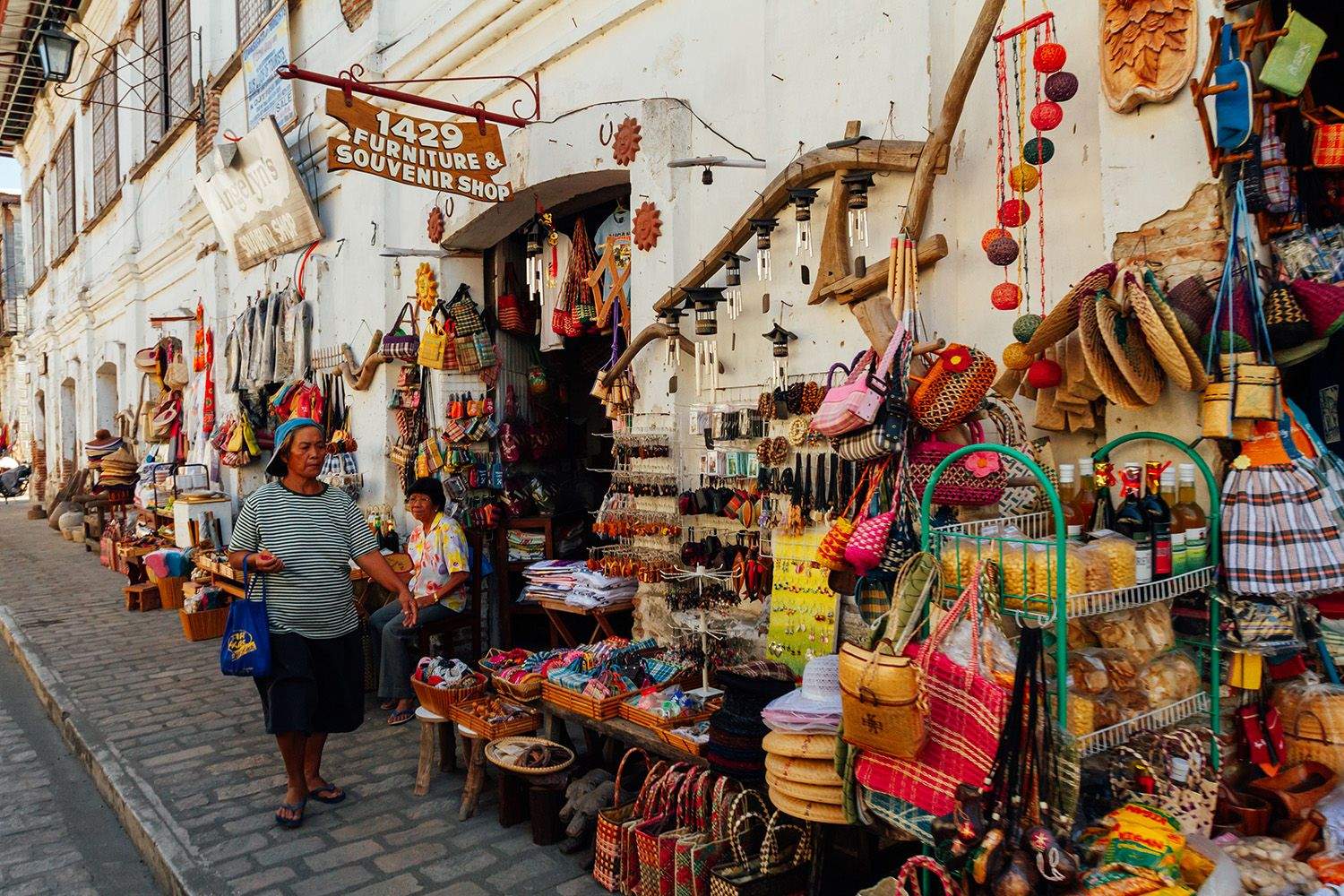
Vigan, an architectural gem and UNESCO World Heritage Site located in Ilocos Sur, Philippines, is a city where history and culture are intertwined through its well-preserved colonial landmarks and vibrant local traditions. Among the various cultural symbols that define Vigan’s identity, the Vigan Empanada stands out as more than just a popular street snack. It serves as a powerful medium for cultural tourism by acting as a tangible reminder of the region's storied past, its fusion of cultures, and the unique culinary practices that have shaped its evolution over centuries.
This background study delves into the multifaceted role of the Vigan Empanada in promoting cultural tourism. It examines its historical origins, culinary characteristics, and socio-economic contributions, illustrating how this iconic food item has evolved into a significant cultural ambassador for Vigan. As tourists wander through the cobblestone streets and ancient plazas, the act of savoring a Vigan Empanada becomes an immersive experience—bridging the gap between past and present, local tradition and modern entrepreneurship.
Historical and Cultural Context
Origins and Cultural Fusion
The Vigan Empanada traces its roots back to the Spanish colonial era, during which Spanish culinary influences merged with local indigenous practices. Originally derived from Spanish empanadas, the version found in Vigan underwent significant adaptation by incorporating locally available ingredients such as rice flour for the delicate wrapper, tangy green papaya for a refreshing crunch, mung bean sprouts, and the famous Vigan longganisa—an indigenous sausage that brings a savory dimension to every bite. Additionally, a freshly cooked egg is typically added to bind the flavors together, creating a unique culinary composition that is as rich in flavor as it is in historical significance.
This melding of Spanish and Filipino elements is symbolic of the broader cultural and historical evolution witnessed throughout the Philippines. The adaptation of the empanada to include indigenous ingredients marks a significant instance of cultural fusion, where local communities not only adopted but reinterpreted foreign culinary practices to better suit their palates and available resources. Today, the Vigan Empanada stands as a culinary timeline that narrates the influence of centuries of interaction, adaptation, and innovation.
Cultural Representation and Identity
In its essence, the Vigan Empanada is a cultural artifact. It represents more than a mere culinary creation; it encapsulates the spirit, resourcefulness, and heritage of the Ilocano people. Every element in the empanada—from its annatto-infused dough that gives it a vibrant hue to the carefully curated mix of ingredients that tell the region’s story—serves as a testament to the rich history of Vigan. The empanada’s ubiquitous presence at local markets, festivals, and food stalls makes it an integral part of Vigan's cultural identity.
Tourists visiting Vigan are not only attracted to its architectural grandeur but also to its living traditions, with the Vigan Empanada being a standout example. For many visitors, tasting the empanada is akin to taking a bite out of history, providing a unique insight into the city’s culinary evolution and the cultural intermingling that has defined the region. Thus, the empanada functions as a bridge between the local heritage and modern tourism, inviting both cultural enthusiasts and casual visitors to engage with Vigan’s storied past.
Culinary Characteristics and Preparation Techniques
Distinctive Ingredients and Techniques
The defining characteristics of the Vigan Empanada begin with its unique ingredients and preparation methods that set it apart from its counterparts in other regions. A contributing factor to its distinct flavor is the use of rice flour, which not only imparts a light and crispy texture to the empanada wrapper but also differentiates it from the more common wheat-based empanadas. The dough is typically infused with annatto oil, which not only colors the crust a rich, vibrant orange but also adds subtle flavor nuances.
Internally, the empanada is filled with a mixture of ingredients that provide both texture and taste. Sliced or shredded green papaya delivers a crunchy, tangy element that contrasts with the savory notes of the locally sourced longganisa. Additionally, a well-cooked egg is incorporated into the filling to add creaminess and cohesion, marrying the diverse flavors into one harmonious bite. Mung bean sprouts and finely chopped carrots further contribute to the textural complexity of the dish.
Preparation Techniques and Artisanal Methods
The process of making the Vigan Empanada is a skill passed down through generations, often mastered by local culinary artisans. Traditional methods typically involve hand-kneading the dough and meticulously layering the ingredients before deep-frying to achieve a crisp, golden exterior. This technique requires precision and an intimate knowledge of the recipe, ensuring that while modern influences may introduce variations, the authentic essence of the empanada is preserved. The artisanal nature of its preparation reinforces the cultural significance of the dish, as each empanada is not only a piece of food but also a symbol of local heritage and culinary craftsmanship.
Economic Impact and Social Benefits
Boosting Local Economy Through Culinary Tourism
The Vigan Empanada plays a pivotal role in driving economic growth in Vigan by supporting small businesses and local food vendors. As a culinary icon, its widespread popularity draws a substantial number of tourists to the city. Many of these visitors are not only curious about the historical sites but also inclined to indulge in the region’s authentic culinary offerings. Sales from empanada vendors and related establishments contribute significantly to the local economy, sustaining livelihoods and encouraging further investment in tourism-related infrastructure.
The multiplier effect of culinary tourism is particularly significant in traditional heritage cities where food becomes an accessible entry point for visitors. The affordability of the Vigan Empanada—priced modestly at around ₱35—ensures that it remains a staple for both locals and tourists alike, fostering continuous patronage. Additionally, the economic benefits extend beyond mere sales; they also stimulate local agriculture by promoting the use of regionally sourced ingredients, thereby further integrating the empanada into the local socio-economic fabric.
Cultural Exchange and Community Engagement
Beyond its economic contributions, the Vigan Empanada facilitates cultural exchange and community engagement. Public food markets, festivals, and culinary tours that feature the empanada allow tourists to interact with local vendors and gain insights into traditional culinary practices. This interaction serves as an educational experience, enabling visitors to learn about the historical evolution of the empanada and the cultural relevance it holds for generations of Ilocanos.
Furthermore, cultural events such as the Viva Vigan Festival and local food tours incorporate the empanada as a central element of their programming. These events not only highlight the dish but also celebrate the broader cultural narrative of Vigan, allowing tourists to immerse themselves in a dynamic, living tradition. The Vigan Empanada, therefore, becomes a conduit through which the community’s collective identity and historical pride are showcased to a global audience.
Tourism Integration and Marketing Strategies
Culinary Tourism as a Cultural Narrative
In recent years, culinary tourism has emerged as a pivotal component of travel, where food is recognized as an integral aspect of cultural identity. The Vigan Empanada is a prime example of this trend, serving as both a gastronomic delight and a narrative device that chronicles Vigan’s historical and cultural evolution. Through targeted marketing campaigns, local tourism boards, and international culinary festivals, the empanada is prominently featured in promotional materials that underscore the city’s rich culinary heritage.
By leveraging social media platforms, travel blogs, and culinary exhibitions, stakeholders have successfully positioned the Vigan Empanada as an emblem of regional pride and a must-try delicacy for every visitor. This strategic marketing not only amplifies the visibility of Vigan as a heritage destination but also reinforces the importance of preserving traditional culinary practices in the face of rapid globalization.
Table: Attributes of Vigan Empanada Enhancing Cultural Tourism
| Aspect | Description | Impact on Cultural Tourism | Cultural Significance |
|---|---|---|---|
| Historical Roots | Merging Spanish colonial and indigenous practices | Offers a historical narrative that fascinates tourists | Represents centuries of cultural evolution |
| Distinctive Ingredients | Rice flour dough, green papaya, Vigan longganisa, egg | Delivers a unique gastronomic experience | Highlights local produce and culinary ingenuity |
| Economic Contribution | Supports small vendors and local businesses | Boosts regional economic development through tourism | Fosters sustainable local livelihoods |
| Cultural Exchange | Central element in festivals and food tours | Enhances tourist engagement and community interaction | Promotes the preservation of traditional culinary practices |
Cultural Preservation and Future Prospects
Maintaining Authenticity in a Globalizing World
As globalization continues to alter culinary landscapes around the world, the challenge for many traditional food items is to maintain their authenticity. For the Vigan Empanada, preserving the traditional recipe and production methods is crucial. Local communities and food artisans are actively engaged in documenting and transmitting these culinary techniques across generations, ensuring that modernization does not lead to the dilution of cultural heritage. Many initiatives, ranging from culinary workshops to heritage projects, focus on safeguarding these methods for future generations.
Moreover, sustainable tourism practices are emerging as a priority, ensuring that the authenticity and quality of the Vigan Empanada are not compromised by large-scale commercialization. By supporting local suppliers and engaging in community-based tourism, stakeholders are striving to balance economic growth with the preservation of cultural identity.
Opportunities for Broader Cultural Promotion
The future of the Vigan Empanada as a cultural ambassador looks promising. Advanced marketing strategies, culinary tourism campaigns, and global food festivals offer avenues for further elevating its status on the international stage. Future prospects include:
- Collaborative Initiatives: Joint ventures between local vendors, tourism boards, and culinary experts to create innovative yet traditional empanada recipes that respect cultural heritage.
- Educational Programs: Workshops and culinary classes where tourists can learn the art of empanada making directly from master artisans, further deepening cultural understanding.
- Sustainable Practices: Emphasizing local sourcing and traditional methods to ensure that growth in tourism does not compromise the authentic character of the dish.
Challenges and Considerations
Balancing Innovation with Tradition
One of the critical challenges facing the continued success of the Vigan Empanada in promoting cultural tourism lies in balancing culinary innovation with the preservation of traditional practices. While creative adaptations can introduce new flavors and variations, there is a palpable risk that excessive modification might undermine the authenticity that makes the empanada a cultural icon. Ensuring quality control and safeguarding the traditional recipe remains paramount to maintaining its role as a symbol of cultural heritage.
Managing Commercialization and Mass Production
As interest in the Vigan Empanada grows, there is an increasing pressure to scale up production to meet high demand from tourists. This scenario poses the risk of mass production techniques that might compromise the artisanal methods that are fundamental to the dish's identity. Maintaining a balance between increasing economic benefits and preserving the handmade quality of the empanada is critical for ensuring that its cultural significance is not diluted.
Conclusion
In conclusion, the Vigan Empanada is much more than a delectable street snack—it is an emblem of cultural heritage that weaves together historical narratives, culinary artistry, and socio-economic development into a single, captivating story. The empanada’s rich legacy, born from centuries of cultural exchange and refined through artisanal practice, is a vital element in promoting cultural tourism in Vigan. Its distinctive ingredients, traditional preparation techniques, and resultant economic benefits encapsulate the essence of the region’s identity.
As both a culinary ambassador and a cultural icon, the Vigan Empanada invites tourists to experience a tangible piece of history with every bite. It not only enriches the visitor experience by providing an authentic taste of local heritage but also stimulates the local economy, ensuring that age-old traditions continue to thrive in a modernizing world. By preserving its traditional essence while adapting thoughtfully to contemporary demands, the Vigan Empanada continues to stand as a beacon of cultural tourism, drawing both history enthusiasts and food lovers into the heart of Vigan’s unique narrative.
References
- Vigan Ilocos Travel Guide - Cultural Creatives
- A Walk Through History with the Ilocos Empanada - Make Heritage Fun
- Vigan, Philippines - Festive Pinoy
- Vigan Empanada - Jon to the World
- Vigan Empanada and the Gastronomic Treats of Ilocos - Sunstar
- The Ilocos Empanada: What Is It? - Tatler Asia
- Vigan Empanada - Ang Sarap
- The Hidden Complexities of the Vigan Empanada - F&B Report
- A Taste of Vigan, Away from Vigan - Medium
- Farinas Ilocos Empanada - Hungry Ghost Food and Travel
- The Happy Home Cook: Vigan Empanadas - Positively Filipino
More
Last updated February 18, 2025