
Understanding Virtual Rehabilitation Programs
Empowering Long COVID Patients with Remote Care
Key Highlights
- Individualized Assessments and Tailored Programs: Each patient receives a personalized plan based on detailed assessments of their physical and mental health.
- Multidisciplinary and Integrated Approach: Programs combine physical exercises, cognitive training, and psychological support, delivered via accessible digital platforms.
- Flexible and Technologically Advanced Delivery: Synchronous and asynchronous methods ensure continuity of care, using telehealth, online resources, and even innovative tools like virtual reality.
Overview of Virtual Rehabilitation for Long COVID
Virtual rehabilitation programs for Long COVID are designed to provide comprehensive, patient-centered care to those suffering from persistent symptoms after COVID-19 infection. These programs integrate various therapeutic interventions—including physical, cognitive, and psychological strategies—to address specific impairments such as fatigue, breathlessness, and cognitive difficulties. By leveraging digital platforms and telehealth technologies, healthcare professionals can extend their expertise to patients in the comfort of their homes.
Structure and Components
The delivery of virtual rehabilitation is centered on a multidisciplinary framework that emphasizes personalized care. Upon enrolling in any such program, patients undergo an initial, in-depth assessment. This assessment is crucial to determine the individual's symptoms, functional limitations, and specific goals. Based on these insights, healthcare professionals—ranging from physical therapists to mental health experts—devise tailored treatment strategies that are implemented over a set period, often varying between 6 to 12 weeks.
Assessment and Personalization
The initial assessment typically involves a detailed evaluation of the patient's physical capabilities, including strength, endurance, balance, and aerobic function. Psychological evaluations may also be part of the process, particularly to determine the extent of mental health challenges like anxiety, depression, or post-traumatic stress related to the experience of COVID-19. The comprehensive evaluation informs a personalized rehabilitation plan that considers:
- Individual symptom profiles, including fatigue, breathlessness, and cognitive fog.
- Physical limitations and baseline fitness levels.
- Psychological states and stress levels.
- Patient-specific goals such as returning to work, improving daily living activities, or enhancing overall quality of life.
Customized Exercise and Physical Therapy
Physical rehabilitation is a core component. Tailored exercise programs are designed to improve muscle strength, cardiovascular endurance, and overall mobility. These sessions often include:
- Aerobic and Resistance Exercises: Carefully controlled activities that aim to boost cardiovascular health and muscle endurance. These exercises are calibrated to each patient’s tolerance, ensuring that they do not exacerbate symptoms.
- Symptom-Titrated Approaches: Interventions that gradually increase in intensity based on the patient’s progress. This adaptive strategy helps mitigate risks of overexertion while promoting steady functional improvement.
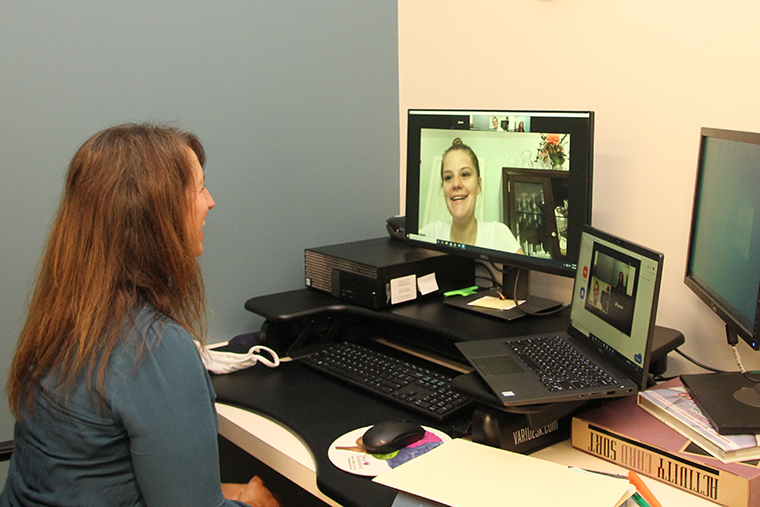
- Physical Guidance: Virtual sessions via live video conferencing allow therapists to demonstrate proper techniques and correct posture, with adjustments made in real time. Pre-recorded videos may supplement these live sessions, enabling patients to exercise at times that suit their schedules.
Education and Self-Management
A critical element of virtual rehabilitation is patient education. Participants are provided with resources that explain the nature of Long COVID, its potential impact on the body, and effective strategies for managing symptoms. Educational components focus on:
- Understanding Long COVID: Providing comprehensive information about the condition empowers patients to become proactive in their recovery process.
- Energy Management: Techniques for pacing, ensuring that patients learn how to balance activity with rest.
- Breathing and Relaxation Techniques: Strategies such as diaphragmatic breathing and mindfulness practices that play a critical role in managing symptoms like shortness of breath and anxiety.
- Self-Monitoring: Tools and resources that teach patients how to track their progress, identify symptom triggers, and adjust activities accordingly.
Cognitive and Mental Health Support
Alongside physical rehabilitation, managing the psychological aftermath of COVID-19 is essential. Virtual programs often include cognitive exercises aimed at mitigating “brain fog” and memory challenges. These cognitive tasks are interwoven with the following services:
- Psychological Counseling: Sessions with mental health professionals address issues like depression, anxiety, and stress. These sessions can be conducted both individually and in group settings, promoting a sense of community among participants.
- Cognitive Training: Structured activities that challenge and enhance memory, concentration, and decision-making processes.
- Support Groups: These provide peer support and shared experiences, which are vital for emotional well-being and fostering motivation throughout the rehabilitation process.
Technology and Delivery Methods
Virtual rehabilitation employs a variety of digital platforms that maximize accessibility and convenience. The delivery methods include:
- Synchronous Interventions: Real-time video sessions ensure active participation and immediate feedback from therapists. These interactive sessions help maintain motivation and allow for timely modifications to the treatment plan.
- Asynchronous Resources: Online modules, pre-recorded exercise videos, and educational materials are available for patients to access as needed. This model offers flexibility, letting patients review techniques at their own pace.
- Virtual Reality (VR): Emerging technologies such as VR are being incorporated to simulate environments that enhance traditional therapy. This technology can replicate real-world scenarios and encourage patient engagement in a controlled manner.
- Digital Platforms: Specialized applications and telehealth systems streamline the provision of care, allowing patients to record progress, receive reminders, and communicate with their care teams efficiently.
Multidisciplinary Collaboration and Community Support
The effectiveness of virtual rehabilitation hinges on the collaboration of various healthcare disciplines. A holistic approach ensures that all facets of Long COVID—physical, cognitive, and psychological—are addressed. This collaboration often includes:
- Physical Therapists: Design and supervise exercise routines that improve mobility and strength.
- Occupational Therapists: Assist in adapting activities of daily living to enhance independence and quality of life.
- Psychologists and Counselors: Provide mental health support, offer coping strategies, and help manage stress and other emotional challenges.
- Medical Professionals: Oversee the overall treatment plan and monitor medical conditions that may be concomitant with Long COVID.
- Technology Specialists: Ensure that digital interfaces are user-friendly and accessible, addressing any technical challenges that patients may encounter.
Beyond professional interactions, many programs integrate community support elements. Peer support groups create environments where patients can share experiences, provide mutual encouragement, and learn coping strategies. This sense of community is often vital in maintaining long-term adherence to the rehabilitation process.
Design and Implementation of Virtual Rehabilitation
The design of a successful virtual rehabilitation program for Long COVID is meticulously planned. It requires harmonizing clinical expertise with digital technology to create an accessible, flexible, and effective care pathway. The typical design strategy includes:
Program Staging and Duration
Programs are generally structured to run for a specific duration, commonly between 6 and 12 weeks. During this time, patients engage in a series of classes or sessions that progress in difficulty as their tolerance and strength improve. The staged approach helps monitor improvement over time and provides benchmarks for clinical assessment. Frequent evaluations may assess improvements in fatigue levels, breathlessness, physical performance, and emotional well-being.
Monitoring, Feedback, and Outcome Measurement
Regular monitoring is a cornerstone of virtual rehabilitation. Through digital platforms, healthcare professionals can track patient progress using both subjective measures (such as self-reported symptoms and perceived exertion) and objective assessments. These evaluations enable practitioners to:
- Adjust the intensity and type of exercises to meet the evolving needs of each patient.
- Incorporate patient feedback to modify the rehabilitation plan for optimal outcomes.
- Utilize metrics to document improvements in functionality and mental health.
Outcome measurement is integral not only for tracking individual progress but also for validating the effectiveness of the rehabilitation programs at a research and practice level.
Technology Integration and Telehealth Platforms
Key to the success of virtual rehabilitation is the seamless integration of technology. Modern telehealth platforms allow for secure, high-quality video conferencing, while dedicated mobile apps provide patients with access to educational content, exercise videos, and self-monitoring tools. In addition, emerging trends involve the use of wearable devices that supply real-time data on heart rate, oxygen saturation, and physical activity, enriching the therapist's ability to fine-tune rehabilitation protocols.
| Component | Description | Delivery Method |
|---|---|---|
| Assessment & Personalization | Detailed evaluation of physical, cognitive, and emotional health to tailor the rehabilitation plan. | Telehealth evaluations, online surveys, virtual consultations. |
| Physical Exercises | Symptom-titrated aerobic and resistance training exercises to regain functionality. | Live video sessions, pre-recorded instructional videos, interactive modules. |
| Education & Self-Management | Guidance on managing symptoms, pacing activities, and energy conservation. | Online modules, digital pamphlets, virtual workshops. |
| Cognitive & Mental Health Support | Counseling services, cognitive exercises, and peer support aimed at alleviating brain fog and other mental challenges. | Virtual counseling sessions, interactive cognitive tasks, support group meetings. |
| Technological Integration | Utilization of VR, telehealth platforms, and wearable devices for real-time feedback. | Apps, VR environments, wearable technology interfaces. |
Benefits and Considerations
Virtual rehabilitation programs offer significant advantages for those suffering from Long COVID. Their remote nature allows patients, even those with mobility issues or residing in remote areas, to receive comprehensive care. Some of the widely recognized benefits include:
- Enhanced Accessibility: Patients can engage in rehabilitation from the safety and comfort of their homes, reducing the risk of exposure to additional health hazards.
- Cost-Effectiveness: By eliminating the need for travel and in-person consultations, these programs can be more affordable and scalable.
- Multidisciplinary Approach: The integration of physical, cognitive, and psychological services ensures a holistic treatment that addresses the full spectrum of Long COVID symptoms.
- Flexibility in Scheduling: The combination of synchronous and asynchronous methods allows patients to maintain rehabilitation efforts despite fluctuating symptoms.
- Data-Driven Adjustments: Real-time monitoring and outcome measurement facilitate personalized adjustments to clinical programs.
However, certain challenges remain. The effectiveness of virtual rehabilitation can be limited by factors such as digital literacy, access to reliable technology, and individual differences in symptom severity. Thus, while these programs provide tremendous potential, ongoing research and refinement are essential to maximizing their utility.
Future Directions and Innovations
As technology evolves, the landscape of virtual rehabilitation is set to become even more robust. Integrating advanced data analytics, wearable health monitors, and AI-driven personalized care are some of the innovations that are likely to shape future programs. Research efforts continue to explore and validate the effectiveness of these interventions, ensuring that care models adapt to the evolving needs of Long COVID patients.
Digital health records and interoperability between various telehealth platforms can further enhance the customization and continuity of care. In the coming years, trends like remote biometric monitoring will play a larger role, enabling therapists to further refine exercise regimens and educational content to align with real-time patient data.
References
- Cornerstone Physiotherapy - Cornerstone
- MedRxiv Preprint - MedRxiv
- PubMed - NCBI
-
PMC Article - NCBI
- BioMed Central - Archives Public Health
Recommended Further Queries
Last updated March 7, 2025