
Vitamin Supplementation & Schizophrenia
Exploring the Role of Vitamins and Supplements in Schizophrenia Symptom Management
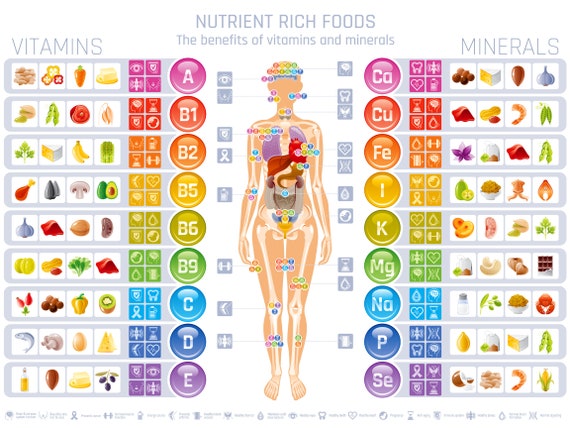
Highlights
- No Single "Vitamin Cure": There is no definitive vitamin cure for schizophrenia; supplements are adjuncts to conventional therapies.
- Supportive Role of Specific Nutrients: B vitamins, vitamin D, and omega-3 fatty acids have shown potential in symptom management.
- Professional Guidance Essential: Always consult healthcare professionals for tailored treatment plans.
Overview
Current research consistently indicates that while there is no definitive “vitamin cure” for schizophrenia, a number of vitamins and supplements have been evaluated for their potential to alleviate some symptoms of the disorder. Traditionally, schizophrenia is managed with antipsychotic medications and psychosocial interventions, which remain the cornerstone of treatment. However, observational and interventional studies have pointed out that deficiencies in certain vitamins and nutrients are common among patients with schizophrenia, suggesting that supplementation might play a supportive role when used as part of a comprehensive treatment plan.
Detailed Analysis of Key Supplements
B Vitamins
Research has shown that individuals with schizophrenia often have lower levels of certain B vitamins, particularly B6, B8, and B12. These vitamins are critical for brain health, influencing neurotransmission and neurological functioning. High-dose B vitamin regimens have been examined for their potential to reduce symptoms, particularly in the early stages of the illness. Moreover, folate (vitamin B9), especially in its active form as l-methylfolate, has been studied for its potential role in reducing negative symptoms in patients possessing specific genetic variations affecting folate metabolism.
Vitamin D
Vitamin D plays a crucial role in overall health, including bone health and immune function. Deficiency in vitamin D has been linked to an increased risk of developing schizophrenia, especially when the deficiency occurs early in life. While some studies have reported improvements in symptoms when vitamin D is supplemented, the results have been inconsistent. Nonetheless, maintaining adequate vitamin D levels is important, not only for potential mental health benefits but also for mitigating risks such as osteoporosis, which is often observed in patients undergoing long-term antipsychotic treatment.
Omega-3 Fatty Acids
Omega-3 fatty acids, commonly found in fish oil and certain plant sources, have been explored for their effect on schizophrenia symptomatology. The evidence suggests that these fatty acids may reduce positive symptoms, such as hallucinations, by moderating inflammation and supporting cardiovascular health. Their potential role in protecting against heart disease is particularly important given the elevated cardiovascular risk among individuals with schizophrenia.
Other Supplements and Antioxidants
Additional supplements like N-acetylcysteine (NAC), vitamin C, and vitamin E have been investigated for their antioxidant properties. Antioxidants can diminish oxidative stress, which is a factor implicated in the pathology of schizophrenia. For example, vitamin C has been shown to help restore normal blood levels and potentially reduce the burden of free radical damage. Similarly, vitamin E may offer protective benefits against the side effects associated with antipsychotic medications.
Implementation in Treatment Plans
It is important to emphasize that vitamin supplementation should not be considered a replacement for standard treatments for schizophrenia. Instead, these supplements may serve as adjuncts that potentially enhance the efficacy of conventional therapies such as antipsychotic medications and psychosocial interventions. Given the complex and individualized nature of schizophrenia, any alteration to treatment—including the addition of vitamin supplements—requires careful monitoring by healthcare professionals. Personalized treatment plans based on nutritional assessments and potential genetic factors (e.g., folate metabolism genes) are recommended to optimize patient outcomes.
Comparative Analysis of Supplements
The following table summarizes the key vitamins and supplements that have been examined for their potential effects in managing schizophrenia symptoms, along with their notable attributes.
| Supplement | Potential Benefits | Additional Considerations |
|---|---|---|
| B Vitamins (B6, B8, B12, B9) | May reduce positive and negative symptoms; Supports neurotransmitter synthesis | High doses may be required; Consider genetic factors such as folate metabolism |
| Vitamin D | May improve overall health; Potential role in symptom alleviation | Deficiency linked to increased schizophrenia risk; Inconsistent trial results |
| Omega-3 Fatty Acids | Potential reduction in positive symptoms; Cardiovascular benefits | Effective as an add-on; Sourced from diet or supplements |
| N-Acetylcysteine (NAC) | Improves cognitive function; Acts as an antioxidant | Emerging evidence; Requires further studies |
| Vitamin C and Vitamin E | Reduce oxidative stress; May protect against medication side effects | Used as supportive therapy; Monitor for interactions |
Integration with Conventional Therapies
The integration of vitamin and nutritional supplementation with conventional treatment modalities embodies a holistic approach. Schizophrenia, as a complex psychiatric condition, benefits from multifaceted therapeutic strategies that consider both pharmacological and nutritional interventions. Medications, such as antipsychotics, directly target neurotransmitter imbalances, while nutritional interventions may help address coexisting metabolic or inflammatory disturbances.
It is essential for patients and their caregivers to work closely with psychiatrists, nutritionists, and other healthcare providers to determine the safest and most effective supplemental regimen. The timing, dosage, and form of these vitamins should be individually tailored based on comprehensive health assessments, laboratory investigations, and ongoing monitoring.
Safety and Monitoring
One of the most important aspects of incorporating vitamin supplementation into a treatment plan for schizophrenia is ensuring safety and efficacy. Due to the complex nature of the disorder, improper supplementation or excessive dosing can lead to adverse effects or interfere with conventional medications. Regular monitoring of blood levels, coupled with an evaluation of symptom progression or side effects, is crucial.
Healthcare professionals should be consulted to evaluate potential drug-supplement interactions, especially considering that the metabolic pathways for vitamins and antipsychotics can overlap. Moreover, understanding individual genetic factors—such as polymorphisms related to folate metabolism—can provide deeper insights into who might benefit most from specific supplements.
Emerging Research and Future Directions
While current evidence supports the use of certain vitamins as supplemental interventions in schizophrenia, the field remains dynamic, with ongoing clinical trials aimed at better understanding the role of nutrition in psychiatric health. Researchers are continuing to explore optimal dosages, combinations of supplements, and the potential long-term impacts of such interventions.
Future studies may also delve into the possibility of personalized nutritional therapies, where an individual’s genetic makeup and specific nutritional deficiencies drive tailored supplementary regimens. This approach holds promise for enhancing the quality of life and long-term outcomes for patients suffering from schizophrenia.
References
- Vitamins & Supplements - WebMD
- Natural Alternative Treatments - Talkspace
-
Vitamin Supplementation in Schizophrenia - NCBI
- B Vitamins and Schizophrenia - University of Manchester
- Vitamin B and Schizophrenia Study - ScienceAlert
Recommended Further Exploration
Last updated March 11, 2025