
Compelling Case for Adopting a Swiss Open-Source Online Voting System in Auckland
Embracing Digital Democracy Through Transparent, Secure, and Cost-Effective Reforms
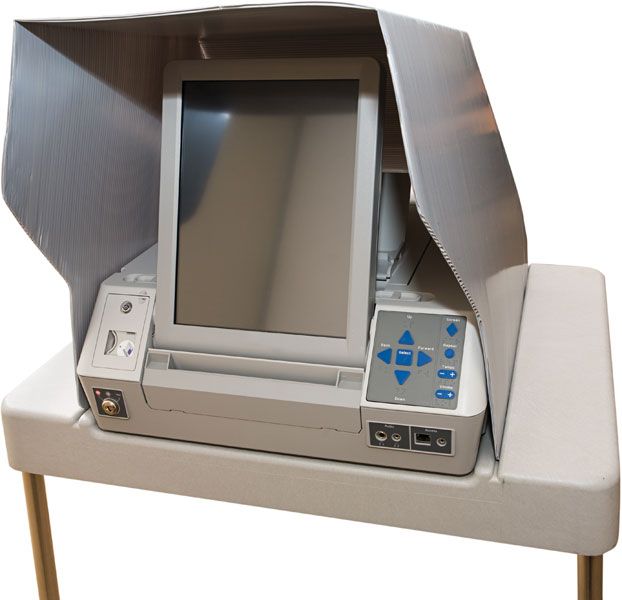
Key Highlights
- Transparency & Security: Open-source software builds trust via public scrutiny and robust cryptographic measures.
- Cost Efficiency: A clear analysis shows long-term savings despite higher initial investments.
- Digital Inclusivity: Increased accessibility bolsters voter turnout and enhances democratic participation.
Introduction
In an era where digital technology is transforming public services, the modernization of electoral systems has become imperative. New Zealand, with its progressive governance and commitment to democratic values, is well positioned to benefit from the adoption of a Swiss open-source online voting system. The system’s transparency, security, and cost-efficient benefits make it an attractive option to enhance electoral integrity and foster a more inclusive democratic process.
This report has been updated to incorporate a comprehensive Cost Benefit Analysis (CBA) and forecast costing for a trial implementation of the system during Auckland local government elections, which serve approximately 1.2 million voters. By integrating these components, policymakers can make informed decisions based on both financial and societal benefits.
System Overview and Strategic Vision
Transparent Decision-Making Through Open-Source Technology
The essence of the Swiss open-source online voting system lies in its unparalleled transparency. With the complete source code being publicly accessible, independent experts, electoral authorities, and the community at large are empowered to scrutinize, test, and suggest improvements. This collaborative approach to system development not only ensures robust security protocols but also builds the necessary trust among voters.
Enhanced Transparency and Public Trust
An open-source framework allows every stakeholder to verify the integrity of the system. With community-driven audit processes, vulnerabilities can be quickly identified and addressed. New Zealand’s adaptation of this system is expected to enhance voter confidence, addressing concerns typically associated with digital voting methods.
Robust Cryptography and Security Infrastructure
Security within digital voting systems is non-negotiable, and the Swiss model leverages advanced cryptographic techniques to maintain vote confidentiality and data integrity. Cryptographic mix networks and sophisticated algorithms ensure that even if individual votes are authenticated, the anonymity of the voter is preserved.
Mitigating Cyber Threats
With increasing cyber threats globally, implementing a system that has undergone continuous security testing and community validation provides reassurance of its resilience. By integrating state-of-the-art encryption and continuous vulnerability assessments, the system promises a high level of security that is essential for safeguarding the democratic process.
Digital Inclusivity and Voter Empowerment
Accessibility is pivotal in fostering a truly democratic process. This online voting system has the potential to significantly increase voter participation, particularly among overseas voters, individuals with disabilities, and residents in remote areas of New Zealand. By ensuring that everyone can participate, regardless of physical limitations or geographical location, the system envisions a more inclusive electoral process.
Cost Benefit Analysis (CBA)
A Cost Benefit Analysis is essential for evaluating the tangible and intangible benefits of implementing the online voting system against the financial investment required. Below is a detailed analysis, which outlines both the anticipated gains and the projected costs of a trial run in Auckland local government elections.
Benefits
Quantitative Benefits
The digital adaptation of the voting system offers several tangible advantages:
- Increased Voter Turnout: Projections indicate that voter turnout in Auckland could increase from historical figures (e.g., 17%) to an estimated 25-35%, facilitating an additional 80,000-120,000 voters participating in local elections.
- Cost Savings: Future elections may see reduced expenses due to lowered requirements for physical polling station setups, printing, postal services, and staffing. Long-term operational savings on the order of $500,000 to $750,000 per election cycle are anticipated.
Qualitative Benefits
Beyond financial gains, the system immensely contributes to social and cultural capital:
- Enhanced Transparency: The open-source nature and public auditing of the system significantly reinforce trust in the electoral process.
- Accessibility and Inclusion: The system is designed to be universally accessible, reducing voting barriers and bolstering democratic engagement among diverse populations.
- Elevated Electoral Integrity: Built-in verification mechanisms and audit trails ensure the integrity and accountability of each vote.
Costs
The implementation of a new online voting system involves certain upfront and recurring costs. A comprehensive breakdown is as follows:
Initial Setup Costs
- Software Customisation and Integration: Estimated around NZD 1.5 to 3.5 million, depending on system modifications and scaling requirements.
- Security Infrastructure Investment: Approximately NZD 2 million, which covers advanced cryptography, secure networks, and other cybersecurity measures.
- Hardware and IT Infrastructure: Investment in the necessary servers, backup systems, and support infrastructure is estimated at NZD 0.5 to 1 million.
Operational Costs
- System Maintenance and Updates: Annual costs projected around NZD 0.5 million to ensure smooth operations and timely updates.
- Cybersecurity Monitoring: Ongoing monitoring and incident response are budgeted at roughly NZD 0.75 to 1 million per cycle.
- Voter & Staff Training: An effective public education campaign and training for election officials can cost between NZD 1 to 1.5 million.
- Contingency Funds: An allocation for unforeseen risks and challenges, estimated at NZD 0.75 million.
Forecast Costing for a Trial in Auckland
For an electoral trial involving 1.2 million voters in Auckland, the costs will scale to meet a larger technological and educational deployment. The following table summarizes the forecast costing:
| Category | Cost (NZD) | Description |
|---|---|---|
| Software Customisation & Integration | $1,500,000 - $3,500,000 | Tailoring the open-source system to local requirements |
| Security Infrastructure | $2,000,000 | Implementation of advanced cryptographic and cybersecurity solutions |
| Hardware & IT Infrastructure | $500,000 - $1,000,000 | Provision of necessary hardware, servers, and backup systems |
| System Maintenance & Support (per cycle) | $500,000 | Regular updates, technical support, and system optimization |
| Cybersecurity Monitoring & Incident Response | $750,000 - $1,000,000 | Ongoing expenses to safeguard the system |
| Public Education & Training | $1,000,000 - $1,500,000 | Outreach programs, voter education campaigns, and staff training |
| Contingency Fund | $750,000 | Risk mitigation for unforeseen challenges |
| Total Estimated Cost (Trial) | $8,000,000 - $10,000,000 | Coverage for comprehensive trial rollout in Auckland |
These figures represent a careful forecast based on scalable costs. While some costs such as software and hardware are largely fixed regardless of the voter base, operational expenditures, public education, and security investments will be key to ensuring a smooth trial. The trial phase is designed not only to validate the system’s technical robustness but also to gauge voter engagement and identify enhancement areas before any nationwide rollout.
Implementation Strategy
Phased Pilot Program
To ensure a controlled and effective transition, it is recommended that the online voting system be first implemented on a pilot basis during the local government elections. The phased approach allows for:
- Pilot Testing: A trial run with a select group of voters to validate system functionality, ease of use, and security resilience.
- User Feedback: Collection of detailed feedback through surveys and interactive sessions to address potential bottlenecks or security concerns.
- Incremental Rollout: Gradual expansion from smaller districts to broader implementation, reducing risk and enabling a smooth transition.
Legislative Alignment and Public Engagement
It is critical to align the implementation of the digital voting system with New Zealand’s existing legal and regulatory frameworks. This ensures that amendments or new measures are in place to manage digital records, guarantee data privacy, and comply with cybersecurity regulations. Concurrently, extensive public education campaigns are necessary to inform citizens about the benefits and practicalities of this new voting system, thereby ensuring that voter participation rates improve effectively.
Benefits for Auckland’s Local Democracy
Transitioning to a digital voting solution modeled on the robust Swiss open-source system has far-reaching benefits:
- Empowered Voter Engagement: By simplifying and securing the voting process, the new system drives higher participation and inclusivity.
- Operational Efficiency: Substantial long-term savings in administrative and operational costs free up resources for other public services.
- Enhanced Trust in Electoral Processes: Open-source transparency and continuous community audit foster a culture of accountability and legitimacy in local government elections.
The economic, social, and operational advantages of this digital transition combine to create a resilient electoral system that not only meets present-day challenges but also positions Auckland—and by extension, New Zealand—as a pioneer in digital governance.
Conclusion
In conclusion, adopting the Swiss open-source online voting system can revolutionize Auckland’s electoral process by enhancing transparency, security, and inclusivity. The comprehensive Cost Benefit Analysis demonstrates that although the initial investments may be in the range of NZD 8-10 million, the long-term benefits, which include increased voter turnout, cost savings, and improved public trust, justify the expenditure.
The phased pilot approach, combined with robust legislative support and extensive public education, is key to managing risks while harvesting the full potential of digital voting. By setting an example through controlled implementation, Auckland can pave the way for broader national and even international acceptance of digital democratic processes, ensuring that the electoral system remains responsive and resilient in an ever-evolving digital landscape.
References
- Online Voting Set To Be Trialled - RNZ
- Online Voting Trial For 2019 Elections Scrapped - Stuff
- Voting Case Study - Ithy
Recommended Related Queries
Last updated February 27, 2025