
Exploring the U.S. Senate Role for the Vice President
Understanding the Mandatory Duties and Discretionary Limitations
Key Insights Overview
- Constitutional Requirements: The Vice President is constitutionally designated as the President of the Senate with defined required roles—presiding over sessions and breaking tie votes.
- Discretionary Participation: Beyond the constitutional roles, the Vice President’s actual involvement in Senate proceedings is largely discretionary, often influenced by political contexts and Senate customs.
- Practical Limitations: The Vice President faces strict limits such as a lack of regular voting rights and inability to introduce legislation or control the order of debate.
In-Depth Analysis of the Vice President's Senate Duties and Limits
Constitutional and Required Powers
Presiding Over Senate Sessions
The Constitution mandates that the Vice President serves as the President of the Senate. This function involves maintaining order, overseeing the legislative process and presiding over the debates. Although this role is outlined as a core responsibility, in practice, the Vice President seldom exercises this duty actively on a daily basis. The Senate often delegates presiding responsibilities to the President pro tempore or other designated senators, especially when the Vice President is occupied with executive branch responsibilities.
Breaking Tie Votes
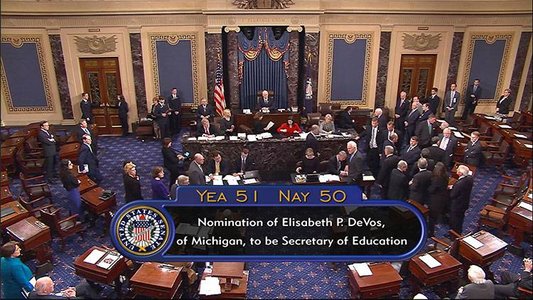
One of the most critical constitutional functions of the Vice President in the Senate is to cast a tie-breaking vote. The Constitution explicitly states that the Vice President does not vote unless the Senate is equally divided. This power is significant during closely contested votes, where the Vice President's vote may determine the fate of proposed legislation or judicial confirmations. Despite being a powerful tool, the usage of this tie-breaking vote is infrequent and exercised only under specific circumstances.
Formal Electoral Duties
Another required duty is overseeing the counting of electoral votes during presidential elections. The Vice President plays a crucial role in formally certifying the counts of electoral votes from the states, ensuring the process adheres to constitutional procedures. Although routine, this duty underscores the formal responsibilities embedded in the Vice President’s role.
Discretionary Powers and Limitations
Selective Presence in Senate Proceedings
While the Vice President retains the formal authority to preside over Senate sessions, their actual presence in the Senate chamber is largely at their discretion. It is common for Vice Presidents to choose not to attend every session, particularly when the proceedings do not involve issues that necessitate their intervention, such as tie votes. This discretionary absence reflects a broader trend where their role in Senate debates is minimized to maintain the separation between executive responsibilities and legislative functions.
Limited Role in Debate and Legislative Process
The Vice President is constitutionally restricted from engaging in debates on the Senate floor. Their role is purely procedural—their appearance is meant to ensure an orderly process and to be available solely for the purpose of breaking ties. Thus, they do not have the authority to propose, sponsor, or vote on legislation. Furthermore, they cannot influence debate through motions or direct interventions; the Senate's procedural rules, such as recognizing the first senator to speak, minimize any potential control over the legislative agenda.
Influence Through Informal Channels
Although formal legislative powers may be limited, the Vice President can exert informal influence by leveraging their relationship with the President and senior senators. This influence, however, is not derived from constitutional authority but rather from political and strategic positioning. The extent of this discretion varies greatly, depending on the prevailing political dynamics and the personal approach of the incumbent Vice President. Consequently, while the constitutional framework clearly defines their limited capacities, real-world practice allows them a degree of flexibility which, however, remains secondary to their primary duties.
Comparative Summary: Required vs. Discretionary Powers
The table below offers a consolidated comparison of the required (constitutional) and discretionary components of the Vice President's role in the Senate:
| Aspect | Required Duties | Discretionary Aspects |
|---|---|---|
| Presiding Over Sessions | Constitutionally mandated to preside over Senate sessions and enforce order during formal proceedings. | Seldom actively presiding; often delegated to the President pro tempore; discretionary appearance in the chamber. |
| Voting Rights | Can cast a vote only to break a tie, as explicitly required by the Constitution. | Limited voting power, only intervening in tie situations; no regular or agenda-setting vote allowed. |
| Role in Legislative Debates | No formal power to participate in debates or initiate motions. | Informal influence may occur through consultations and political advisories, but legal intervention in debates is forbidden. |
| Electoral Functions | Mandatory role in overseeing the counting of electoral votes. | This duty is procedural and not influenced by personal discretion outside of scheduled certification events. |
| Deferential Powers | Adheres strictly to constitutional guidelines, including non-interference in Senate debates once the rules are established. | Their overall level of involvement and public presence during Senate proceedings is subject to personal and political discretion. |
Detailed Discussion and Nuanced Factors
The Constitutional Framework and Its Implications
The role of the Vice President in the Senate is firmly anchored in the constitutional framework, which specifies that the primary role is to preside over Senate sessions and exercise a voting power only in deadlocked situations. The clear wording of the Constitution ensures that the fundamental balance of legislative power between the Senate majority and minority is maintained. This balance functions to protect minority interests by preventing the majority from achieving absolute command over Senate proceedings without a necessary tie-breaker vote. Moreover, the limited scope of the vice presidential vote reinforces the intent that the Senate's debate and legislative process should be primarily determined by elected senators.
Practical Limitations Imposed by Senate Rules
Senate procedures and customs further delineate the limitations on the Vice President. The rules state that the Presiding Officer should recognize the first senator rising to speak, which inherently restricts the ability of the Vice President to steer discussions or prolong debates in a manner similar to other legislative leaders. Furthermore, since the role does not extend to making motions or participating in debates, it remains strictly procedural in nature. The delegation of presiding duties to the President pro tempore when the Vice President is absent or when neutrality is preferred is a longstanding Senate practice that provides a check on executive interference in legislative matters.
Influence Beyond Formal Authority
While the constitutional and procedural guidelines sharply restrict the formal powers of the Vice President within the Senate, real-world political dynamics allow them to exercise a degree of informal influence. This influence often comes into play during politically charged periods or when the Senate is closely divided. The discretionary choice to appear on the Senate floor or remain in the background can be seen as strategic, ensuring that any tie-breaking power is preserved and not overused. Despite this, such informal influence is contingent on political relationships and is not codified in any official rule book. This separation of formal authority from political strategy reflects the complex role the Vice President plays in balancing executive and legislative functions.
Historical and Contemporary Context
Evolving Role Over Time
The practical limits and the discretionary use of the Vice President’s powers in the Senate have evolved significantly over time. In earlier eras, vice presidents often took a more hands-on approach in Senate proceedings. However, with the increasing professionalization of legislative processes and a growing separation between executive and legislative branches, the role has become more symbolic, with the Vice President serving as a tie-breaker rather than an active participant in routine debates. This evolution is partly attributable to changing political practices and the delegation of routine duties to other Senate officials who are more entrenched in legislative protocols.
Modern Practices and Political Implications
In the contemporary political environment, the Vice President's Senate role is even less about day-to-day participation and more about being a safeguard in situations of deadlock. Their decision to participate in Senate sessions is often calculated based on broader political strategies, particularly when the potential use of a tie-breaking vote could influence major legislative decisions. As a result, Vice Presidents are careful about their involvement, ensuring they maintain the ceremonial character of their role while safeguarding the essential balance of Senate power. This practice underscores the idea that while the constitutional powers of the Vice President are, by necessity, rigid, the flexibility in their presence and influence is what allows them to navigate complex political landscapes effectively.
Interplay Between Laws, Politics, and Senate Protocol
Senate Rules and Their Impact
Senate rules are instrumental in circumscribing the practical use of the Vice President’s official capacities. Due to the rigid structure of these rules, the Vice President is prevented from using their office in ways that could disrupt the established order of debate or legislative procedure. For instance, the inability to control the order of speaker recognition ensures that the Senate remains the arena for elected senators to engage in policy debates rather than for the Vice President to assert undue influence. This framework is essential for maintaining a stable and predictable legislative process, where every senator has an equal opportunity to participate without interference from the executive branch.
Political Dynamics and Institutional Checks
The discretionary aspects of the Vice President’s role are closely tied to political dynamics. Institutional checks—such as the delegation of presiding powers to the President pro tempore and the limited scenarios in which the Vice President exercises a vote—ensure that the office does not overstep its boundaries. These procedural checks are complemented by the informal political limitations that arise from the need to balance executive intercession with legislative independence. Consequently, the Vice President’s engagement is not only a matter of constitutional decree but also one of political prudence, designed to prevent the concentration of power in any single branch of government.
Synthesis of Required Duties and Discretionary Limitations
Overall Synthesis
The Vice President’s role in the U.S. Senate is characterized by a clear duality: it is composed of immutable, constitutionally guaranteed duties and discretionary practices that are shaped by political strategy and Senate protocol. On one hand, the required duties ensure that the Vice President acts as a neutral arbiter in legislative functions—managing the Senate sessions, counting electoral votes, and importantly, breaking tie votes. On the other hand, their discretionary participation—ranging from selective attendance at Senate sessions to the indirect exertion of political influence—reflects the practical limitations imposed by both the spirit and the letter of the Senate rules. This blend of formal requirements and discretionary choices underscores the careful balance intended by the framers of the Constitution, where the Vice President’s role is pivotal yet intentionally circumscribed to prevent overreach into the legislative domain.
References
- Vice President - Senate.gov
- Constitutional Role - Constitution Center
- VP Constitutional Powers - USConstitution.net
- Limits on Senate Power - LegislativeProcedure.com
- Role in the Senate - Wilson Center
Recommended Queries for Further Exploration
Last updated March 26, 2025