
Exploring the VP’s Active Role in Senate: Pros and Cons Unveiled
A comprehensive analysis of the advantages and challenges of a more engaged Vice President in the U.S. Senate
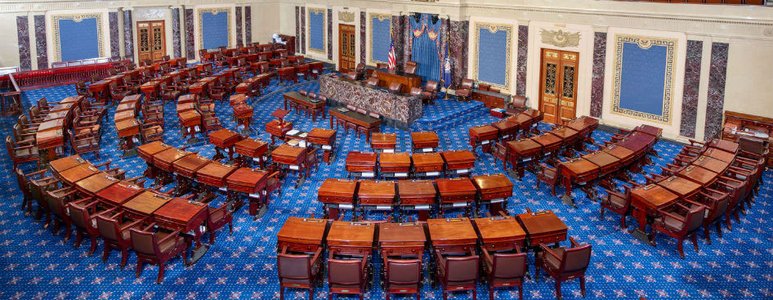
Key Highlights
- Legislative Influence: The Vice President’s active involvement can break tie votes and expedite legislative decision-making.
- Checks and Balances: Enhanced participation raises critical questions regarding the balance between executive influence and Senate independence.
- Historical and Contemporary Insights: A deep dive into the evolving role of the Vice President, from historical figures to modern political dynamics.
Detailed Analysis
Introduction
The role of the Vice President as the President of the Senate holds a unique and influential position within U.S. governance. Traditionally, the Vice President’s role has involved presiding over the Senate and exercising a tie-breaking vote when needed. However, debates have intensified over whether the Vice President should take a more active role in Senate business. Articles and analyses on this subject present a balanced picture, emphasizing both the potential advantages and the significant drawbacks of increased involvement. This comprehensive discussion integrates perspectives from multiple sources to shed light on the multifaceted nature of this issue.
Advantages of a More Active Role
Legislative Breakthroughs
One of the most compelling advantages of the Vice President playing a more active role in the Senate is enhanced legislative efficiency. The Vice President's power to cast tie-breaking votes can be decisive in a closely divided Senate, enabling the swift passage of important legislation – a mechanism that can mitigate legislative gridlock. This function is crucial when a divided Senate struggles to reach bipartisan consensus on pivotal policy issues.
Expedited Procedures and Policy Influence
An active Vice President may help expedite Senate procedures, providing leadership during critical debates and ensuring that important issues are promptly addressed. This enhanced engagement can foster improved communication between the executive and legislative branches, potentially harmonizing policy objectives. When the Vice President champions legislative priorities publicly, it not only increases the administration’s influence but also signals a robust commitment to effective governance.
Increased Visibility and Leadership
Beyond procedural benefits, a more engaged Vice President can serve as a vital public figure, articulating the administration’s policy goals and connecting with constituents. This visibility not only improves the public perception of the vice presidency but also enriches the overall leadership dynamics within the federal government. Well-articulated leadership can promote compromise among senators and facilitate smoother legislative negotiations.
Disadvantages and Challenges
Separation of Powers and Overreach
A prominent concern regarding a more active role for the Vice President is the potential blurring of boundaries between the executive and the legislative branches. The U.S. Constitution designates the Senate as a body with its own procedural independence. An overly involved Vice President might be seen as encroaching on this space, leading to tensions around the separation of powers and potentially steroiding a partisan agenda.
Risks of Partisanship
Heightened activity in the Senate can also intensify political polarization by aligning the Vice President too closely with the ruling party's interests. This involvement, if perceived as biased, can diminish the trust that senators and the public place in the office, ultimately undermining effective bipartisan collaboration within the Senate. Such a dynamic may backfire if it hampers the development of coalitions necessary for complex legislative negotiations.
Resource Allocation and Executive Duties
Another practical disadvantage is the potential diversion of time and focus from primary executive responsibilities. The role of the Vice President traditionally encompasses supporting the President and handling key policy initiatives. An excessive focus on Senate business might detract from these core duties, potentially hampering the overall governance strategy of the administration.
Historical Context and Modern Evolution
Historically, vice presidents such as John Adams and Thomas Jefferson were known for their active involvement in legislative proceedings, which helped shape early American policy. In contrast, recent vice presidents have typically adopted a more ceremonial role, delegating Senate responsibilities to junior senators. Contemporary politics, marked by increasing partisanship and procedural complexities, have rekindled debates over reviving a more hands-on approach. While some argue that a proactive role could bridge partisan divides, others caution that it might lead to perceptions of executive overreach.
Comparative Overview Table
| Aspect | Advantages | Disadvantages |
|---|---|---|
| Legislative Impact |
|
|
| Separation of Powers |
|
|
| Public Perception & Leadership |
|
|
| Impact on Executive Duties |
|
|
In-Depth Articles and Further Reading
The debate over the Vice President’s role in the Senate remains a dynamic topic in political discourse. Various articles provide historical context, analyses of constitutional responsibilities, and modern case studies. Scholars have highlighted how an active Vice President can both revitalize Senate proceedings by leveraging tie-breaker authority and create controversy by potentially overstepping executive boundaries. Contemporary examples also illustrate that while increased involvement may lead to swift policy implementation, it simultaneously raises questions about impartiality and legislative independence.
References
- About the Vice President (President of the Senate) - U.S. Senate
- Vice President Overview - U.S. Senate
- What is the Constitutional Role of the Vice President? - Constitution Center
- Vice President of the United States - Wikipedia
- Vice President’s Role in Senate - Wilson Center
Recommended Related Queries
Last updated March 26, 2025